


Antique Log Fire Basket
An antique log fire basket brings genuine period weight to a hearth, combining sturdy metalwork with the practical utility of holding fuel for an open fire.
Antique Log Fire Basket
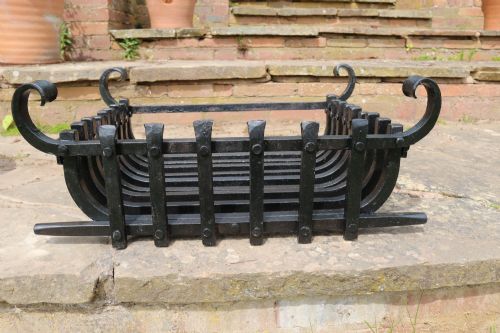
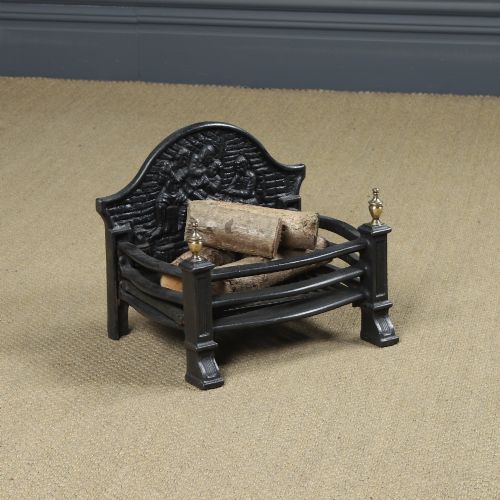
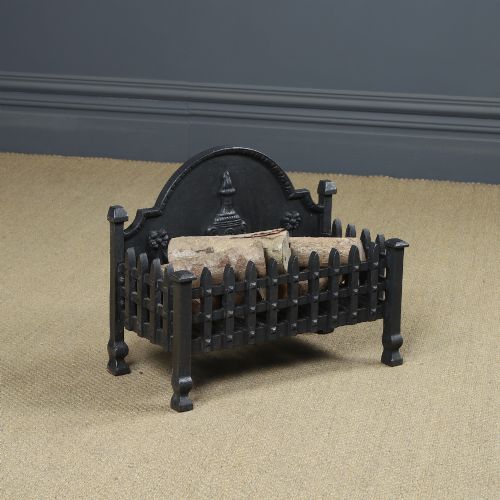
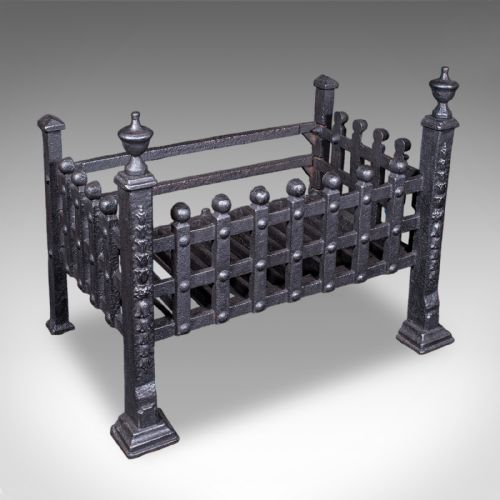
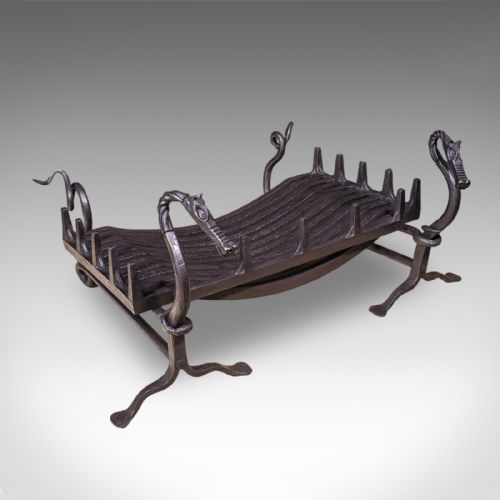
An antique log fire basket sits at the heart of traditional interior hearths, serving as an open container designed to hold burning wood or coal above the floor of the fireplace. The pieces seen here span centuries of British craftsmanship, ranging from simple nineteenth-century iron grates to elaborate revival designs.
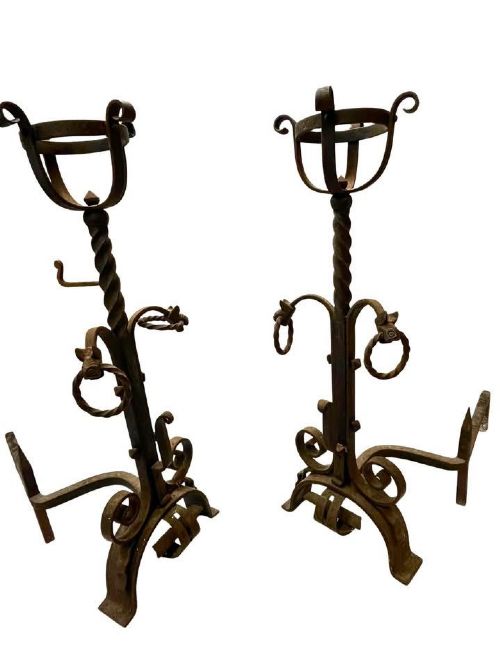
Buyers will most frequently encounter sturdy cast iron and wrought iron grates alongside freestanding fire baskets accompanied by matching andirons or fire dogs. Many examples hail from the Victorian and Edwardian eras, reflecting heavy industrial casting techniques alongside hand-forged Arts and Crafts elements.
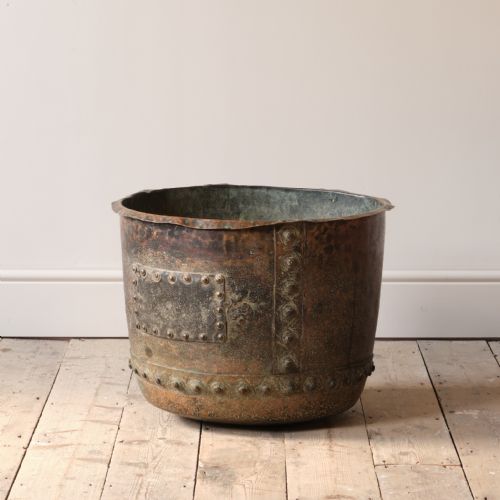
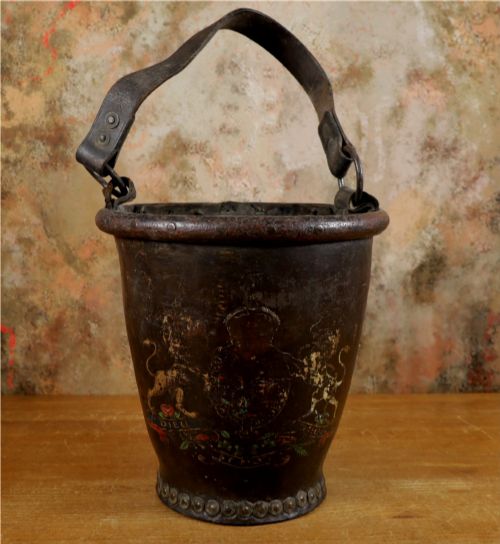
Beyond open grates, the selection encompasses related fireside fuel keepers, including riveted copper log bins, leather fire buckets stamped with coats of arms, and oak-bodied storage vessels. These pieces draw upon Georgian, Gothic Revival, and Neoclassical styles to suit period reception rooms.
Materials and Technique
Makers relied heavily on cast iron for the structural backs and grates, utilising its capacity to withstand intense heat without warping, while employing wrought iron for hand-forged scrollwork and supporting bars. Brass and copper also appear frequently, particularly for decorative log bins and buckets shaped through panel beating and riveting.
Surface finish and assembly reveal period handwork, from heavy cast firebacks bearing dragon motifs to leather fire buckets fitted with studded brass details and painted coats of arms. Firebricks often line the interior spaces to protect the metal from direct flame exposure.
Listings feature cast iron, wrought iron, copper, brass, leather, and firebrick across Victorian, Georgian, Edwardian, and Arts and Crafts styles.
Judging Quality
Quality rests upon the integrity of the metalwork, distinguishing heavy, solid castings and cleanly forged wrought iron from lighter, mass-produced utility pieces. The presence of complete matching sets, such as integrated firebacks, fenders, and andirons, elevates the desirability of a piece.
The finesse of decorative details marks the superior examples, whether through crisp Neoclassical relief casting, hand-hammered Arts and Crafts copper surfaces, or well-preserved heraldic leatherwork on fuel buckets.
The Antique Log Fire Basket Glossary
- Andiron
- A horizontal support raised on legs, placed in pairs inside a hearth to hold logs above the floor. They often feature decorative front standards that match the associated fire basket.
- Fireback
- A heavy cast iron plate placed against the rear wall of an open fireplace. It radiates heat back into the room and protects the masonry.
- Fire Grate
- The iron basket or framework holding solid fuel above the hearth bottom. It allows air to circulate underneath for better combustion.
- Log Bin
- A container designed to store firewood beside the hearth. They are typically constructed from riveted copper, brass, oak, or leather.
Antique Log Fire Basket: Frequently Asked Questions
What is an antique log fire basket?
An antique log fire basket is a metal grate designed to hold firewood securely within an open fireplace. These pieces elevate the fuel to allow proper airflow underneath for burning.
They range from simple nineteenth-century iron grates to decorative sets complete with matching andirons and heavy cast firebacks.
How do you use an antique fire basket?
These baskets sit directly inside an open hearth to contain logs and wood safely during a fire. Many freestanding models are paired with fire dogs or andirons to support the main grate structure.
Associated log bins and leather buckets serve as practical fireside storage for keeping dry fuel close at hand.
How are different periods identified?
Periods are identified through a combination of manufacturing techniques, materials, and decorative styles. Georgian pieces often display Neoclassical or Renaissance restraint, while Victorian examples lean towards heavy Gothic Revival or ornate cast iron work.
Later Arts and Crafts items from the early twentieth century feature hand-hammered copper surfaces and simpler wrought iron lines.
What materials were used?
Makers primarily used cast iron and wrought iron for the structural fire baskets and grates due to their heat resistance. Internal areas were frequently protected with firebrick linings.
Copper, brass, leather, and oak were utilised for fireside log bins and buckets, often accented with hand-driven studs and painted heraldic motifs.