

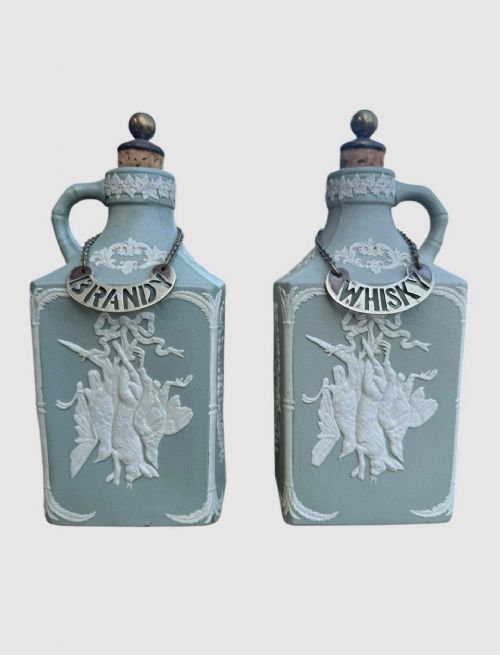


Antique Liquor Label
These antique liquor labels sit on decanter necks in sterling silver and glass, identifying spirits from sherry to gin with quiet Georgian and Victorian elegance.
Antique Liquor Label
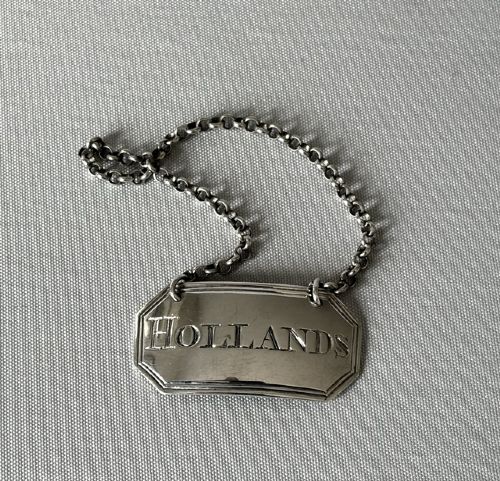
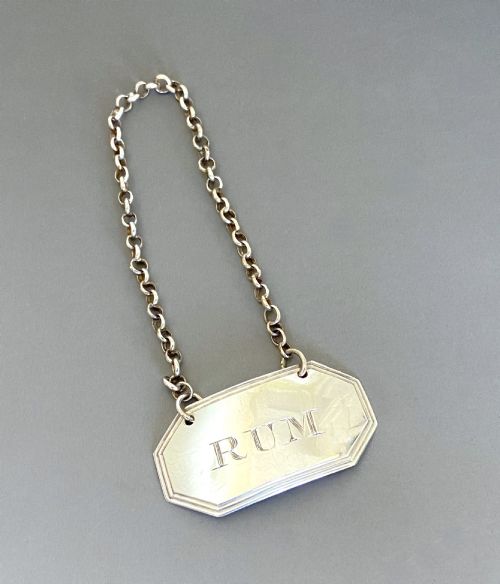
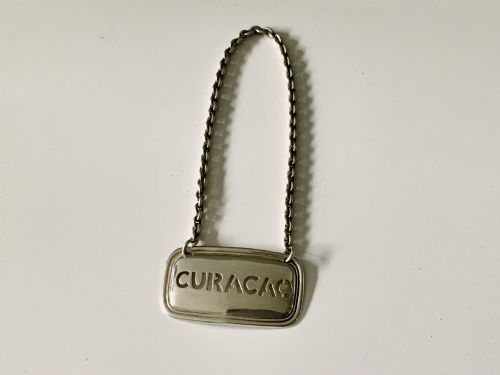
An antique liquor label hangs by a chain around the neck of a decanter to name its contents clearly. These small markers serve formal dining tables and domestic sideboards alike.
Most examples seen here are fashioned from sterling silver, with occasional appearances of glass and stoneware flagons. Collectors encounter individual pieces alongside matching sets.
The objects span periods from the eighteenth century through the Edwardian era and mid-century modern designs. Standard titles designate traditional spirits including sherry, madeira, rum, gin, brandy, and whisky.
Materials and construction
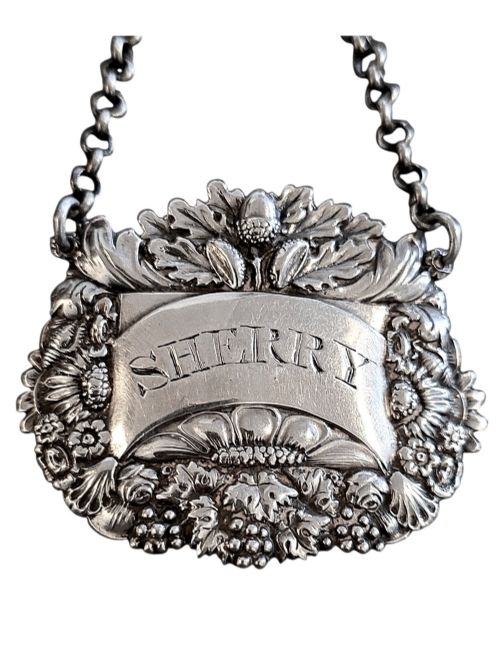
Silversmiths formed these tags primarily from sterling silver, utilising techniques of piercing, engraving, and casting. Maker marks and city hallmarks struck directly into the metal record the origin and assay office.
Some variations incorporate ceramic components such as jasperware alongside traditional metal chains and suspension rings. Glass decanters occasionally appear paired with direct silver mounts or cork stoppers.
Antique Liquor Label Retail Price Guide 2026
Typical asking prices for liquor label among the pieces listed under this phrase on Sellingantiques today, from the lower quarter to the upper quarter. They describe what is for sale here now, not the wider market.
An unusual title on a Victorian label reminds us that our ancestors drank things we might not recognise today.
Distinctions in quality
Quality rests upon the crispness of the pierced or engraved lettering and the weight of the silver used. Thicker gauges of metal retain their shape and suspension chains securely over generations.
The distinction between standard commercial production and finer silversmith work shows in the definition of rococo scrollwork and the clarity of individual hallmarks.
William Barrett II·Elizabeth Morley·Tiffany·Elkington
The Antique Liquor Label Glossary
- Decanter label
- A small tag hung by a chain around the neck of a bottle to designate the spirit within. These items date primarily from the Georgian and Victorian periods.
- Hallmark
- A stamp struck into precious metals to guarantee purity and identify the maker and assay office. British silver typically carries a lion passants and date letters.
- Jasperware
- A fine-grained stoneware developed by Josiah Wedgwood featuring applied white reliefs against a coloured background. Pieces appear in nineteenth-century barware.
- Piercing
- A metalsmithing technique where portions of sheet metal are cut away to form openwork patterns or letters. This method defines many eighteenth-century and Regency designs.
- Tot
- A small drinking vessel or measure often mounted in silver alongside matching spirit labels. These items form part of broader decanter and barware sets.
Antique Liquor Label: Frequently Asked Questions
How do I hang a liquor label?
Each label typically suspends from a fine silver chain that slips easily over the neck of a decanter below the stopper rim.
Ensure the chain length allows the tag to rest flat against the shoulder or body of the glass bottle without slipping too low.
What spirits do these labels name?
Traditional titles stamped or engraved on these pieces include sherry, madeira, gin, rum, brandy, and whisky. Specific or unusual titles also occur among nineteenth-century examples.
Labels assist hosts in distinguishing between decanters filled with dark or clear spirits during formal entertaining.
Can I date a silver label?
British silver labels often bear full sets of hallmarks including assay office symbols and date letters. Comparing these stamped ciphers against standard registry tables reveals the exact year of manufacture.
Unmarked pieces rely on stylistic indicators such as rococo revival scrolls or mid-century minimalism to suggest a period.
Were these sold as sets?
Silversmiths produced both individual labels and matched sets designed for multiple decanters on a tray. Sets often share a uniform shape and engraving style.
Individual pieces accumulated over time allow collectors to mix periods and naming styles on a traditional sideboard.