


Antique Liqueur Decanter
An antique liqueur decanter holds spirits in miniature, bringing glassware and metalwork together for the table.
Antique Liqueur Decanter
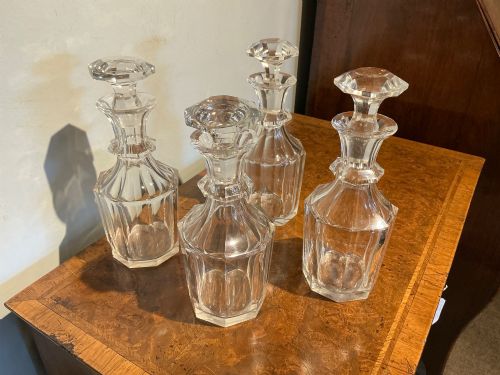
When you search for an antique liqueur decanter, you find vessels designed to hold small portions of strong spirits, cordials and digestifs after dinner. These pieces span the nineteenth century and the early decades of the twentieth century, shifting from ornate Victorian stands to geometric Art Deco sets.
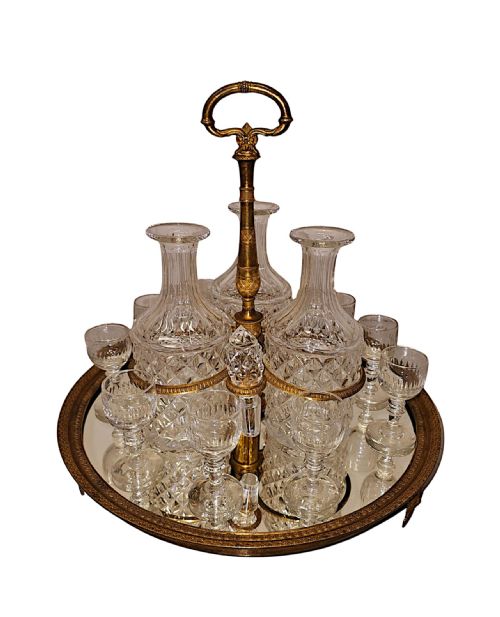
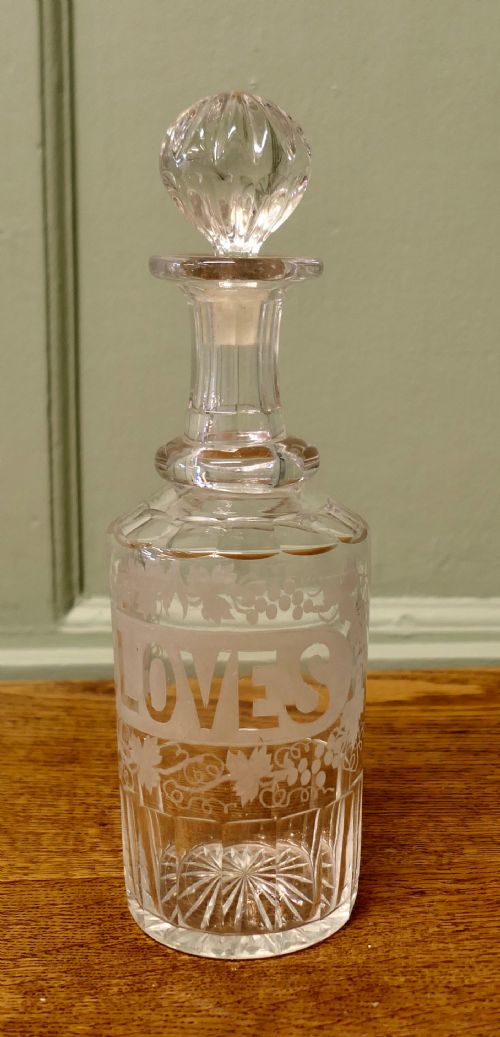
The versions most common on this page include single bottles with silver or enamel mounts, matched sets with small glasses on trays, and portable canteens known as caves à liqueur. Materials range from clear cut crystal and coloured glass to brass, ormolu and silver plate.
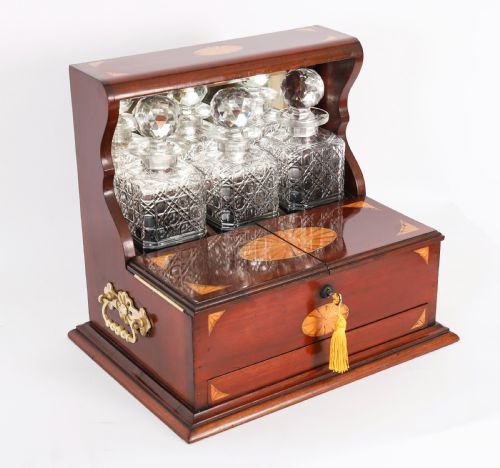
Forms vary from traditional ewers and miniature bottles to locking tantalus frames that secure the decanters against uninvited guests. You will encounter English Victorian designs alongside French Napoleon III boxes and Czech glass services from the nineteen-thirties.
Glass and metal craftsmanship
Makers shaped these vessels using traditional glassblowing and mould-pressing techniques, often applying deep cutting, acid etching or hand-painted enamel to the surface. Coloured glass varieties, such as cranberry and deep blue, derived their hues from metallic oxides added during the molten stage.
Mounts and stands required skilled metalworking, combining cast ormolu, silver plating and brass with polished wood frames like satinwood. Fitted wooden boxes featured interior partitions lined to cradle fragile bottles and small serving glasses securely.
Listings feature items spanning the Victorian era through the Art Deco period, utilising glass, crystal, silver, ormolu and brass.
Distinctions in execution and completeness
Quality rests upon the clarity and weight of the crystal, the precision of hand-cut facets, and the crispness of applied enamel or metal mounts. Superior examples exhibit intact matching sets of glasses and original stoppers that fit their specific bottlenecks.
The sophistication of the housing influences value, distinguishing simple trays from intricate locking tantalus mechanisms and French brass-inlaid wooden liqueur cases complete with working keys.
Baccarat·Val Saint Lambert·Karl Palda·W.M.F.·Moser·Salviati
The Antique Liqueur Decanter Glossary
- Cave a liqueur
- A portable fitted box or cabinet containing decanters and matching glasses, often decorated with brass inlay or ormolu mounts. These sets were popular in nineteenth-century French drawing rooms.
- Tantalus
- A locking wooden or metal frame that holds decanters upright while revealing their contents, preventing guests from pouring drinks without a key. The name comes from the mythological figure punished with eternal thirst.
- Ewer
- A jug with a wide spout and a curved handle, used historically for pouring water or wine. In liqueur sets, they serve as decorative alternatives to standard bottles.
- Ormolu
- Gilt bronze ornament applied to furniture, boxes and glassware stands. It adds a bright metallic contrast to glass and dark wood.
- Lead crystal
- Glass containing lead oxide, which increases brilliance, weight and workability for deep cutting. It rings clearly when tapped.
Antique Liqueur Decanter: Frequently Asked Questions
What is a cave a liqueur?
A cave a liqueur is a portable fitted box designed to hold a set of decanters and small glasses securely inside a wooden or metal case. These boxes often feature hinged lids and locking mechanisms to protect valuable spirits.
Originating largely in nineteenth-century France, they were kept in drawing rooms for entertaining guests after dinner with cordials.
How do I identify a tantalus?
A tantalus is a locking wooden or metal stand that grips the necks of decanters so they cannot be removed without a key. This clever security device keeps the bottles visible while preventing unauthorized drinking.
Most examples date from the Victorian era onward and incorporate polished wood frames with metal locking bars.
Are stoppers usually original?
Stoppers are frequently matched to decanters rather than born with them, as glass stoppers were easily broken or misplaced over decades of use. Examining the fit, colour and wear around the ground-glass joint helps determine if a stopper belongs.
Original stoppers often share the exact tint of the glass and show a matching pattern of wear on the mating surfaces.
How should I clean antique decanters?
Antique decanters require careful hand washing with warm water and mild soap, avoiding harsh scrubbing or sudden temperature changes that can crack old glass. Residue inside narrow necks is best cleared using specialised cleaning beads rather than abrasive tools.
Metal mounts and silver plating should be polished gently with a soft cloth to avoid damaging the underlying material.