


Antique Lion Figure
These pieces range from Staffordshire pottery to Grand Tour bronzes, bringing sculptural weight and classical authority to any interior.
Antique Lion Figure
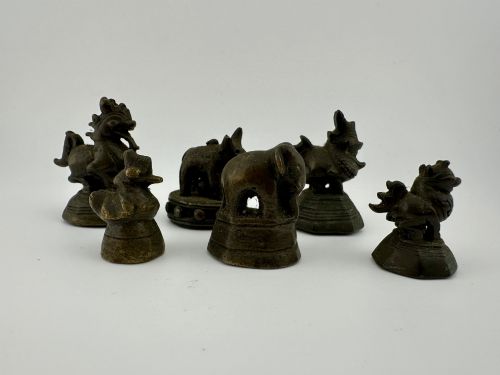
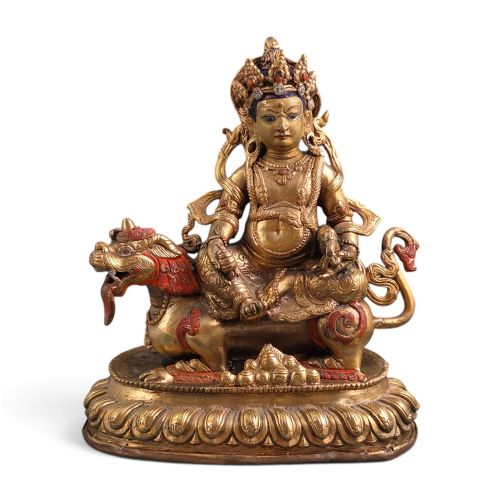
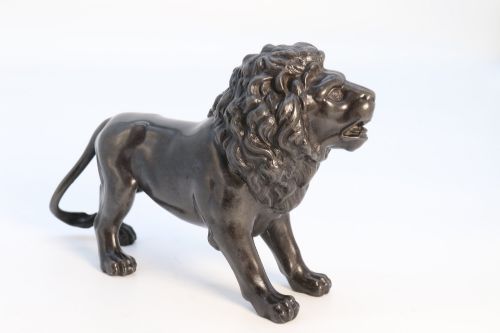
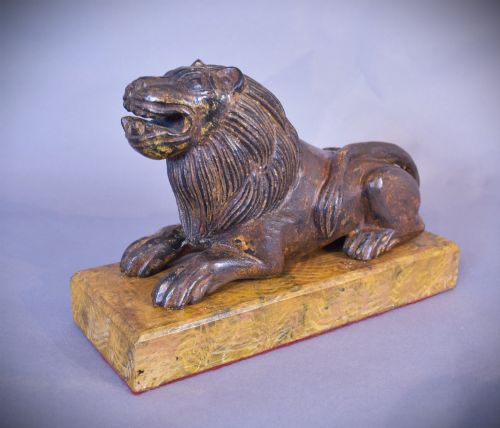
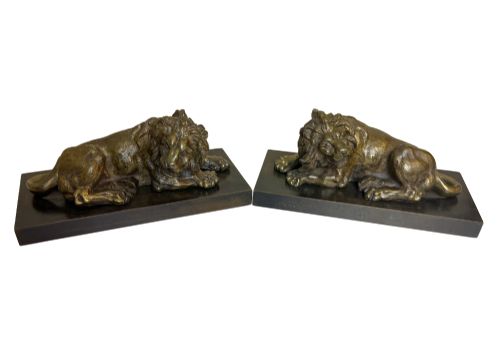
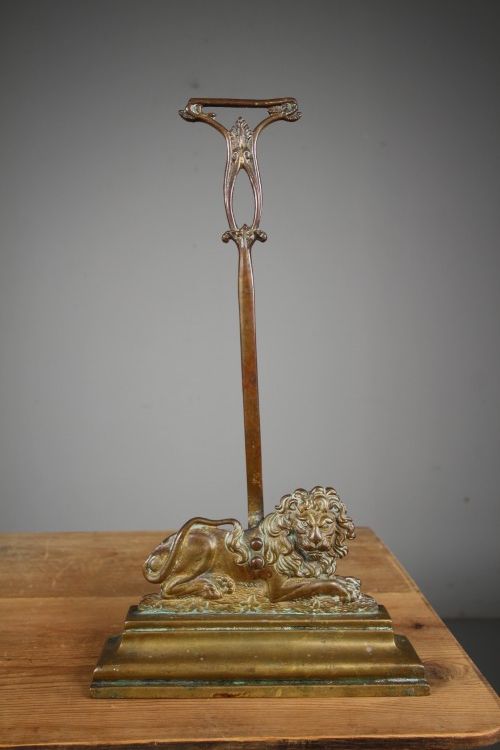
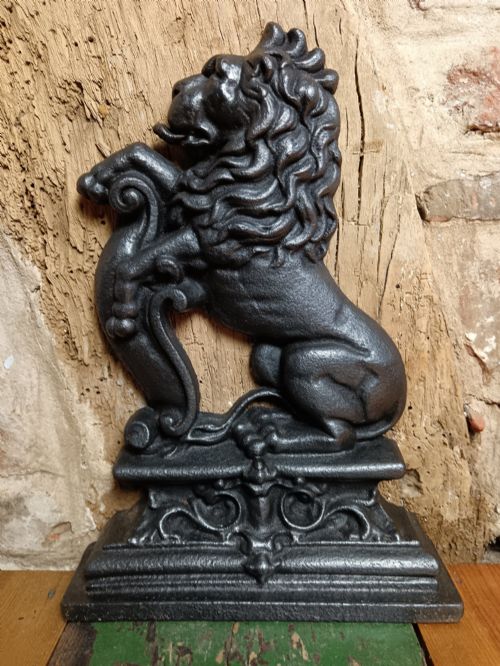
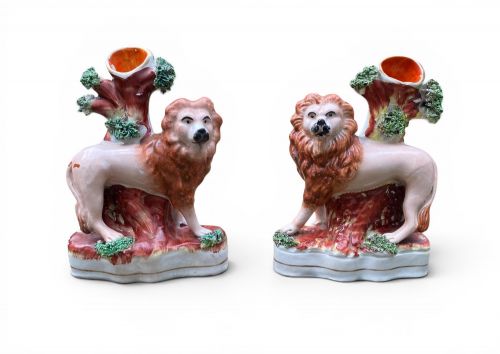
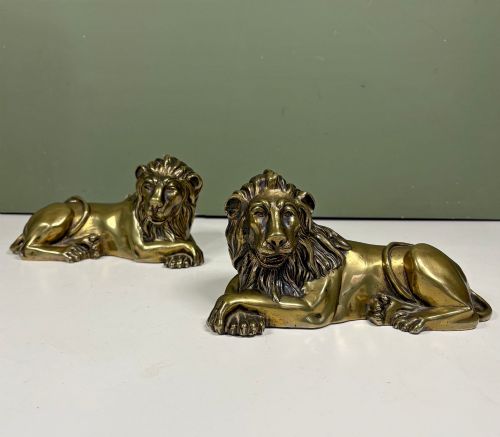
When you search for an antique lion figure, you encounter a diverse array of sculptural interpretations spanning multiple centuries and cultural traditions. The selection encompasses bronze desk ornaments, glazed earthenware spill vases, cast iron doorstops, and carved timber temple guardians.
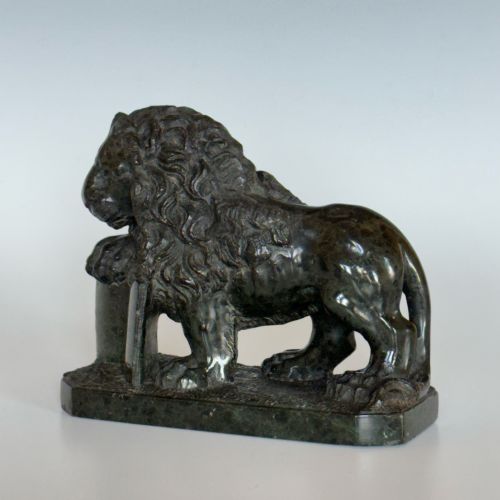
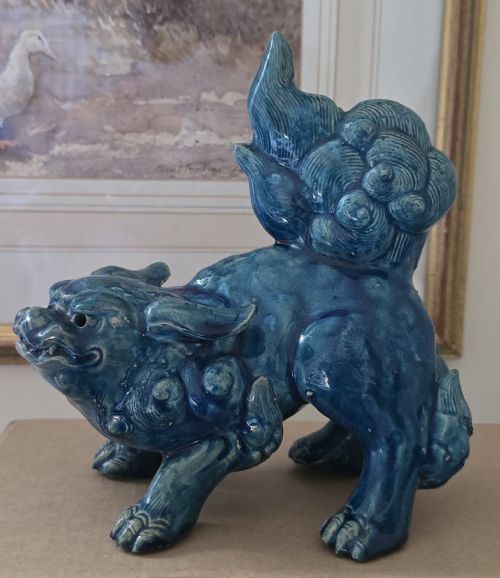
Nineteenth-century British ceramic models, notably Staffordshire earthenware and pearlware variants, appear frequently alongside Grand Tour bronzes and East Asian representations such as Chinese Foo dogs and Japanese Shishi figures. These objects served utilitarian roles as doorstops and bookends, or functioned purely as decorative ornaments and religious symbols.
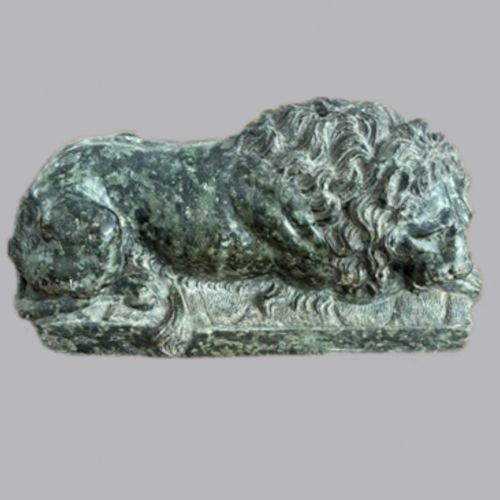
The materials reflect the intended function and regional origin of each piece, moving from heavy utility metals like cast iron and brass to refined mediums like serpentine marble, jade, boxwood, and cold-painted bronze. Domestic British pottery often employs earthenware with rich glazes, whereas Continental and Asian works utilise cast bronze, carved stone, and timber.
How they were made
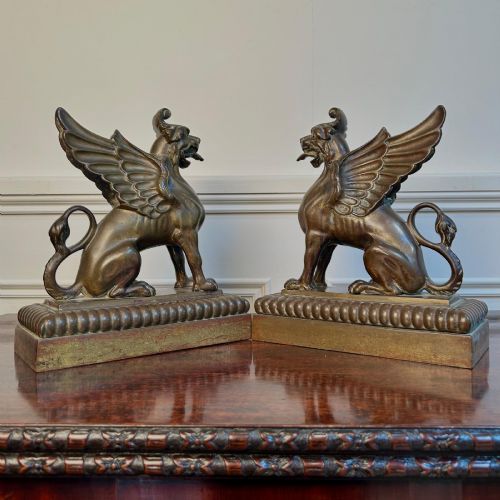
Foundry-cast metals such as bronze, brass, and iron utilise traditional sand-casting or lost-wax techniques, often finished with cold-painted pigments, gilding, or patination. Sculptors and metalworkers rendered musculature and manes through precise chiselling, engraving, and surface polishing.
Ceramic figures from Staffordshire potteries and Japanese kilns rely on moulded or hand-modelled earthenware, stoneware, and porcelain bodies finished with lead, tin, or turquoise glazes. Painters applied cobalt, treacle, or enamel pigments by hand before high-temperature kiln firing.
Carved pieces depend on traditional woodworking and stonemasonry methods, utilising boxwood, root wood, marble, and serpentine. Artisans shaped these dense natural materials with gouges, chisels, and abrasive stones to achieve fluid lines and intricate textural detail.
Some fierce stone guardians double as heavy doorstops, keeping both evil spirits and drafts firmly at bay.
What varies in quality
The degree of anatomical observation and sculptural vitality separates superior pieces from ordinary production. Master modellers captured tension in the limbs, alertness in the posture, and realistic texture in the fur, whereas lesser examples rely on stiff symmetry and generic moulding.
Surface finish and material selection dictate the aesthetic hierarchy of the pieces. Original patination on bronzes, well-preserved hand-painted enamel on ceramics, and crisp chisel work on carved wood or marble indicate superior craftsmanship and workshop pedigree.
Franz Bergman·Paul Édouard Delabrièrre·Unno Shomin·Seiunsai Miyamoto Sei
The Antique Lion Figure Glossary
- Grand Tour
- A cultural journey undertaken by wealthy young Europeans in the eighteenth and nineteenth centuries, collecting small-scale bronzes and marble sculptures as souvenirs. These items typically replicate classical antiquities found in Italy.
- Shishi
- A Japanese term for a guardian lion or temple dog derived from Chinese Buddhist tradition. These mythical beasts frequently appear in ceramics and bronze from the Meiji period.
- Spill vase
- A hollow ceramic vessel designed to hold slender wooden spills used for lighting pipes, candles, or fires. In nineteenth-century Staffordshire pottery, these figures often incorporate a standing lion beside a cylindrical holder.
- Treacle glaze
- A rich, dark brown, translucent lead glaze used extensively on nineteenth-century English earthenware. It imparts a glossy, syrup-like finish to pottery figures.
- Foo dog
- A Western colloquialism for Chinese guardian lions, which are actually stylized representations of lions rather than dogs. They traditionally stand outside imperial palaces, temples, and homes to ward off evil.
Antique Lion Figure: Frequently Asked Questions
What is a Foo dog?
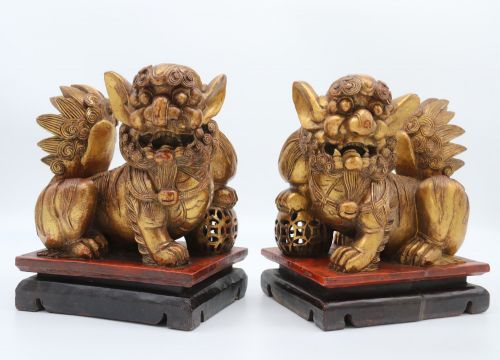
A Foo dog is a traditional Chinese guardian lion, usually cast in bronze, carved in wood, or shaped in ceramic. These mythical beasts symbolise protection and prosperity in domestic and sacred spaces.
They frequently appear in pairs, with one guarding the structure and the other representing the lineage. Artisans across the Qing period and the Meiji era reinterpreted these iconic figures in diverse media.
How do I date Staffordshire lions?
Staffordshire lions are typically dated by examining the clay body, glaze characteristics, and moulding sharpness. Pieces from the early nineteenth century often feature pearlware bodies and hand-painted details under translucent glazes.
Later Victorian examples tend to use heavier earthenware with transfer printing or bright enamel colours. The presence of hollow bases and ventilation holes also helps determine the manufacturing period.
How were bronze lions patinated?
Bronze lions received their patination through the application of chemical solutions, heat, and natural ageing processes. Foundries controlled the surface colour by reacting acids with the metal alloy to produce rich browns, greens, or blacks.
Cold-painted bronzes departed from this tradition by applying polychrome oil paints directly onto the metal surface. This technique was particularly favored by Viennese workshops in the late nineteenth century.