







Car Radiator Mascot
A car radiator mascot sits atop the cap to stamp a personal mark on the vehicle.
Car Radiator Mascot
A car radiator mascot is a decorative ornament mounted on the front of a motor car during the early twentieth century. When you search for this phrase, you find small sculptures that served as both personal emblems and functional radiator caps.
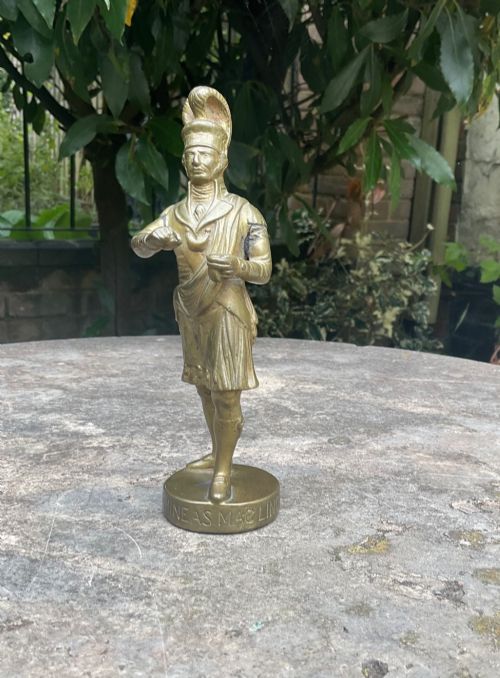
The pieces appearing here span the Edwardian era through to the nineteen forties, covering periods like nineteen twenty and nineteen thirty. You meet animal figures, human subjects, and abstract designs shaped in the Art Deco and Edwardian styles.
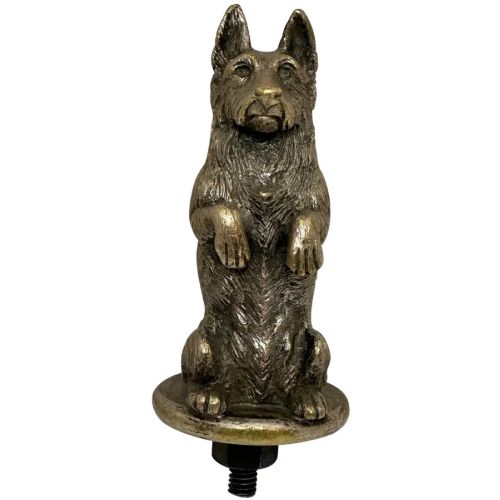
Forms range from dedicated car mascots to small sculptures and desk accessories that double as grille ornaments. Bronze animals and glass figures dominate the selection, showing how motorists personalised their touring cars.
Materials and construction methods
Makers utilised bronze, gilt bronze, brass, and chrome to cast durable metal figures that could withstand weather and road vibration. Molten metal was poured into moulds to create detailed dogs, birds, and figural subjects.
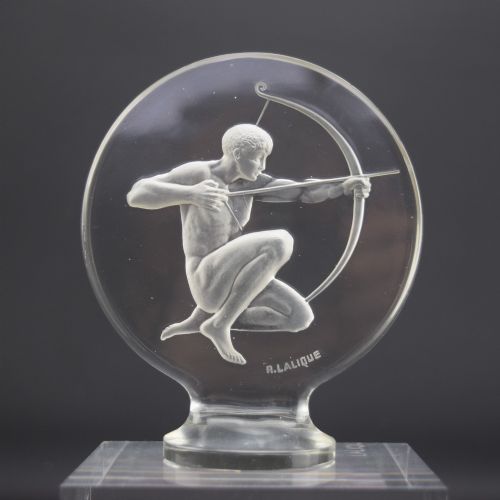
Glass pieces employ clear, frosted, moulded, and opalescent techniques, often shaped as birds or human heads. These glass ornaments caught the sunlight and could be illuminated from within by specialised radiator cap fittings.
Car Radiator Mascot Retail Price Guide 2026
Typical asking prices for car radiator mascot among the pieces listed under this phrase on Sellingantiques today, from the lower quarter to the upper quarter. They describe what is for sale here now, not the wider market.
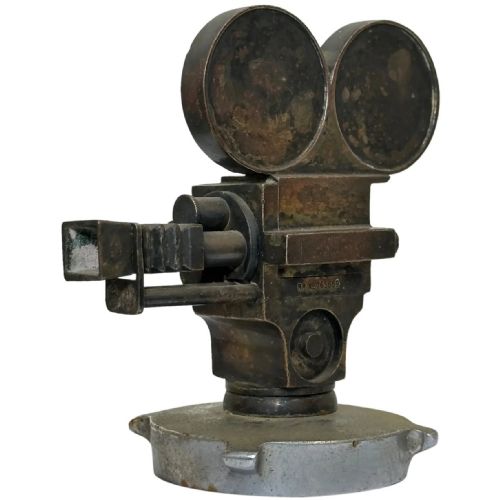
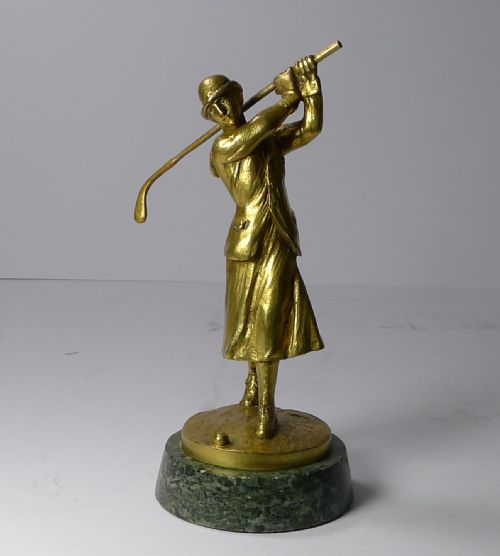
Motorists once mounted everything from golf-playing ladies to film director cameras on their radiator caps to defy the mundane.
Distinctions in craftsmanship
The degree of detail in the casting separates standard production pieces from finer works. Sharp feather definition in bird mascots and clear facial expressions in animal figures indicate superior workshop skill.
Material quality also dictates value, particularly in glass where evenness of the opalescence or clarity of the moulding matters. Signature marks from known designers separate mass-market items from studio pieces.
Asprey·Rene Lalique·Desmo·Jose Dunach
The Car Radiator Mascot Glossary
- Radiator cap
- The threaded plug that seals the engine coolant filler neck on early vehicles. Mascots were screwed directly into or mounted upon this cap.
- Opalescent glass
- Glass containing minerals that create a milky, translucent appearance with shifting blue and amber tones. This technique was favoured by leading glass artists.
- Cold painted bronze
- Metal sculpture decorated with unfired paint applied over the bronze surface. This finish requires careful handling to preserve the original colours.
- Automobilia
- Collectables and decorative items associated with motor cars and motoring history. The category encompasses mascots, goggles, and early dashboard instruments.
Car Radiator Mascot: Frequently Asked Questions
How do I mount a car radiator mascot?
Most mascots feature a threaded bolt base designed to screw directly into a hole drilled in the top of a vintage radiator cap. Rubber washers are typically used underneath to absorb engine vibration and prevent the metal or glass from cracking.
For desk display rather than car use, many collectors mount them on custom wooden plinths. This allows the sculpture to be appreciated indoors without risking damage to the original mounting hardware.
Were these glass mascots fragile for driving?
Glass mascots were surprisingly robust, cast in thick walled moulded glass to withstand highway speeds and minor impacts. However, stone chips and thermal shock from hot engine coolant remained hazards.
Drivers often removed glass ornaments during winter months or long journeys to prevent loss or breakage. Today, surviving glass pieces are generally kept for show rather than daily road use.
How do I clean an antique bronze mascot?
Dusting with a soft dry brush is usually sufficient to maintain bronze and brass surfaces without removing the historic patina. Avoid metal polishes that strip away the aged darkening accumulated over decades.
For cold painted bronze, moisture must be avoided entirely as water will lift the fragile original pigments. Gentle care preserves both the material integrity and the collector value.
What periods do these mascots come from?
The pieces span from nineteen hundred through the nineteen forties, capturing the Edwardian motoring age and the height of Art Deco design. The nineteen twenties saw the greatest variety of sculptural forms.
Materials and styles shifted across these decades, moving from ornate Edwardian heraldic figures to sleek, stylised Art Deco animal and motion motifs.