







Antique Lion Carvings
Antique lion carvings bring the fierce majesty of the king of beasts into interiors through centuries of skilled handiwork.
Antique Lion Carvings
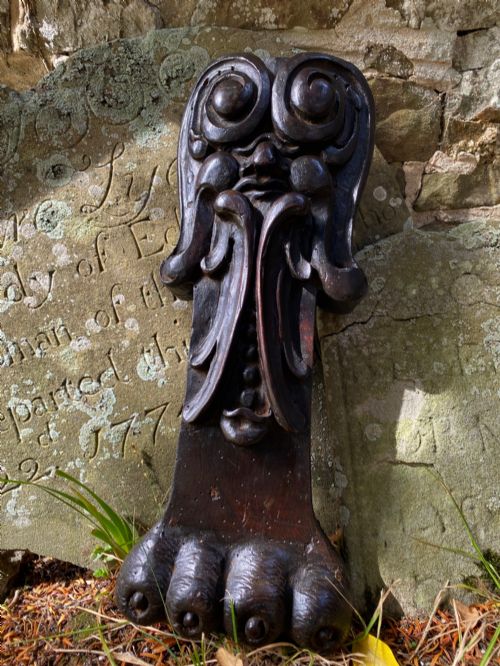
Antique lion carvings encompass a diverse array of sculptural forms, ranging from architectural salvage and furniture elements to standalone animal statues. When searching for antique lion carvings, collectors frequently encounter figures rendered as wall masks, newel post finials, and bookends.
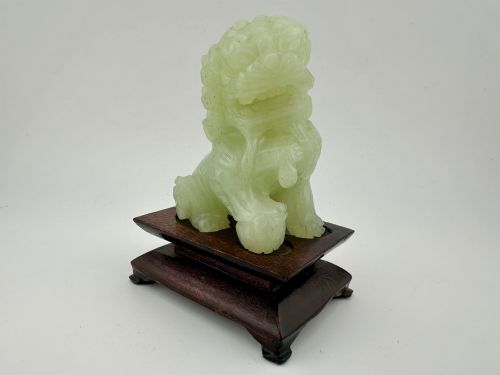
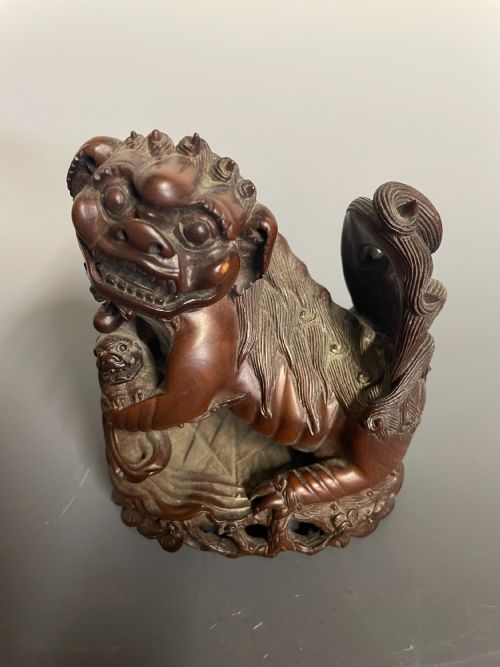
The objects span multiple centuries, with particular representation from the seventeenth, eighteenth, and nineteenth centuries. Alongside European traditions, the selection includes numerous Chinese renderings of guardian lions and Foo dogs executed in boxwood, jade, soapstone, and root wood.
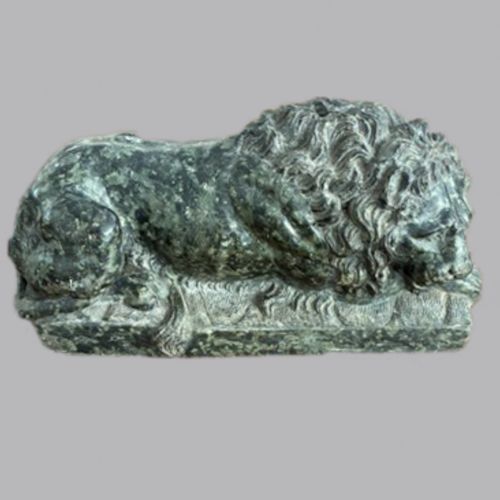
European examples often reflect distinct regional movements, such as Italian Grand Tour marble sculptures, Black Forest carved walnut animal heads, and Gothic Revival architectural fragments. These pieces serve primarily as decorative ornaments, mantel displays, or architectural supports within traditional interiors.
How they were made
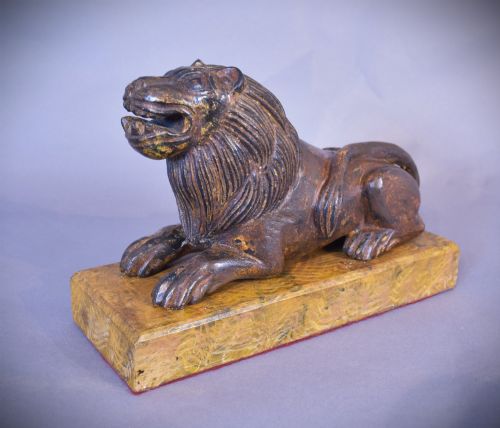
Carvers shaped these pieces primarily from dense timbers such as walnut, oak, boxwood, and ebonised wood, utilising hand chisels and gouges to define muscular forms and flowing manes. European workshops often finished wooden surfaces with gilding, polychrome paint, or dark polishing.
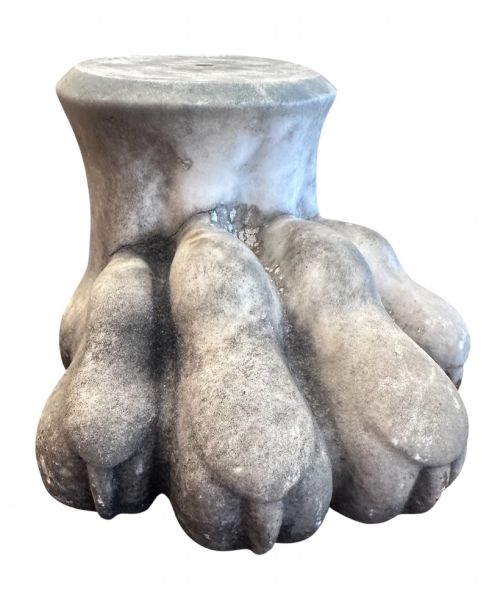
Stone pieces relied on carving and polishing techniques applied to marble, alabaster, soapstone, serpentine, and jade. Sculptors worked these harder mediums to capture the smooth contours of recumbent beasts, architectural paws, and intricate guardian figures.
Antique Lion Carvings Retail Price Guide 2026
Typical asking prices for lion carvings among the pieces listed under this phrase on Sellingantiques today, from the lower quarter to the upper quarter. They describe what is for sale here now, not the wider market.
The listings span multiple centuries, encompassing seventeenth-century architectural elements alongside twentieth-century Chinese Republic period carvings.
What varies in quality
Material selection and depth of relief also dictate the standing of a piece. Deeply undercut walnut, finely grained boxwood, and high-grade marbles command greater appreciation than softer, more summarily rendered stone or plain timber.
Luigi Frullini
The Antique Lion Carvings Glossary
- Foo dog
- A traditional Chinese guardian lion, typically depicted in pairs outside temples or palaces to ward off evil spirits. These mythical beasts combine leonine and canine characteristics.
- Grand Tour
- A cultural journey undertaken by wealthy young Europeans in the eighteenth and nineteenth centuries to collect classical art and architectural souvenirs. Many carved stone lions and marble paws derive from this tradition.
- Newel post
- The principal vertical post at the head or foot of a staircase, often capped with an ornamental finial. Carved lion figures frequently served this architectural function in grand buildings.
- Black Forest
- A style of wood carving associated with the mountainous region of Germany and Switzerland during the nineteenth century. These pieces typically feature highly realistic animal heads and figures rendered in dark walnut.
Antique Lion Carvings: Frequently Asked Questions
How were antique lion carvings used?
These carvings served diverse functional and decorative roles across domestic and public spaces. Many acted as architectural supports, stair finials, or imposing door guardians in grand buildings.
Smaller examples functioned as desk seals, bookends, or mantel ornaments. In Chinese traditions, paired stone or jade figures guarded thresholds to provide spiritual protection.
How do I distinguish European styles?
European pieces often reflect the prevailing artistic movements of their respective eras, such as the classical revival of Grand Tour souvenirs or the rustic realism of Black Forest walnut work. Italian marbles frequently emulate classical Roman statuary.
By contrast, Gothic Revival and seventeenth-century pieces display heavier, more stylised forms integrated into architectural woodwork and furniture.
What is a Foo dog?
A Foo dog is a traditional Chinese representation of a guardian lion, despite the common western designation. These mythical creatures feature prominently in Asian art as protective temple guardians.
They are frequently rendered in pairs using materials like jade, soapstone, boxwood, and root wood during the Qing and Republic periods.
How do I live with stone and wood carvings?
Placing these pieces requires stable environmental conditions away from direct sunlight and rapid temperature fluctuations. Wood carvings benefit from occasional gentle dusting and minimal handling to preserve patinas.
Stone sculptures require simple surface care suited to materials like marble, alabaster, or soapstone, ensuring their intricate details remain secure on sturdy display surfaces.