



Antique Life Drawing
An antique life drawing captures the human form directly from a model, offering a direct window into academic training and studio practice.
Antique Life Drawing
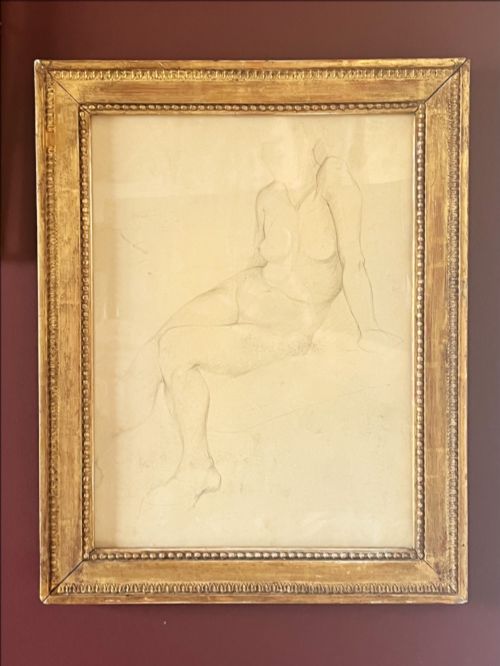
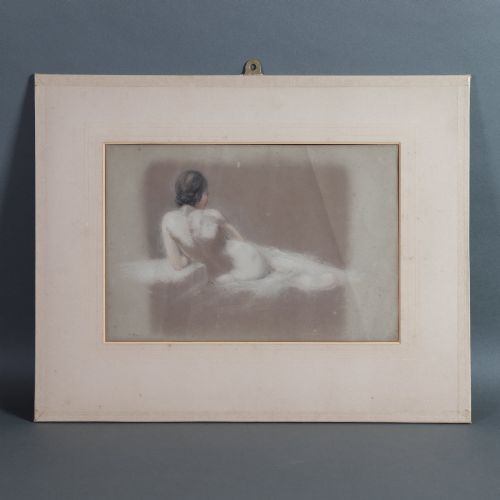
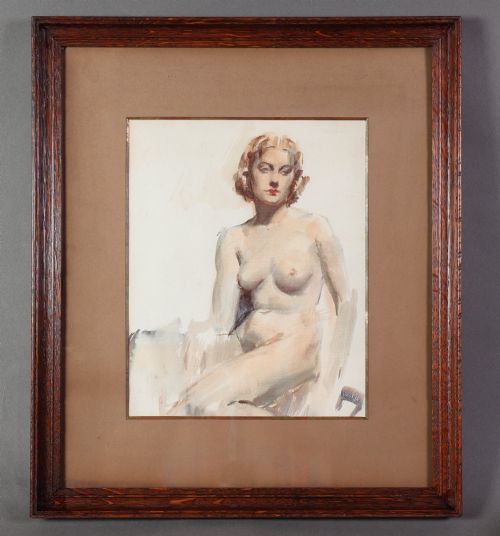
When you examine an antique life drawing, you look at studies of the human figure originating from periods ranging from the Georgian era through to the mid-twentieth century. The selection includes works executed across diverse regional origins, including British and Italian traditions, presented in framed formats.
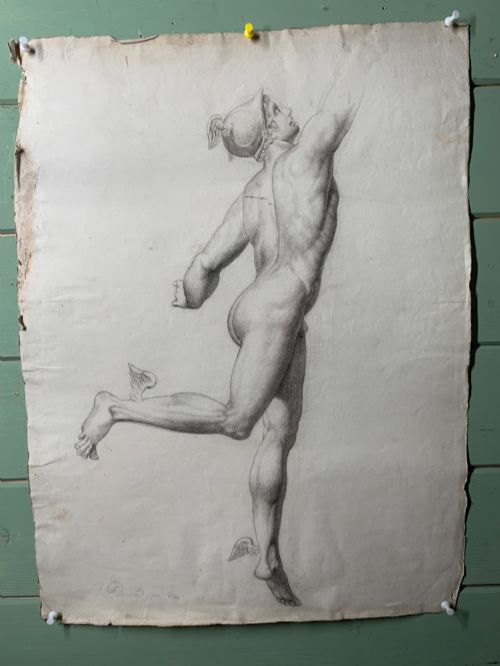
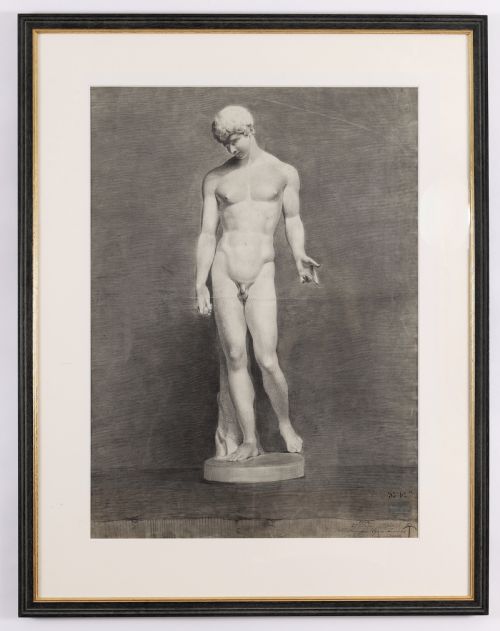
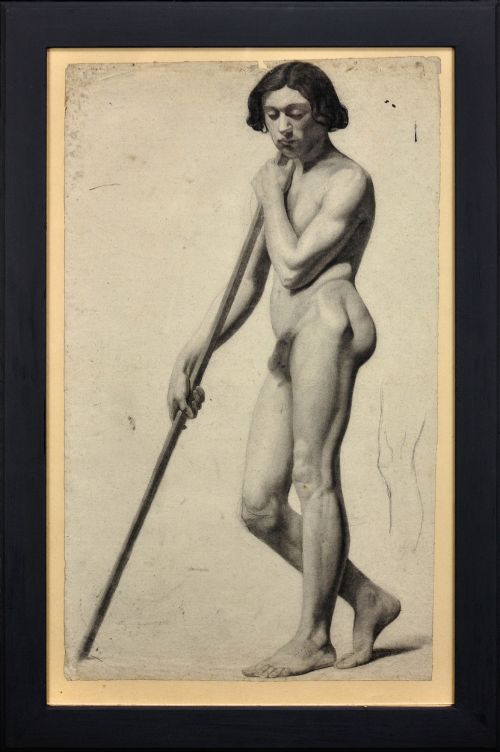
The most common pieces on this page are academic studies rendered in pencil, charcoal, graphite, and chalk. These range from detailed depictions of male and female nudes to classical casts such as the Capitoline Antinous and the god Hermes.
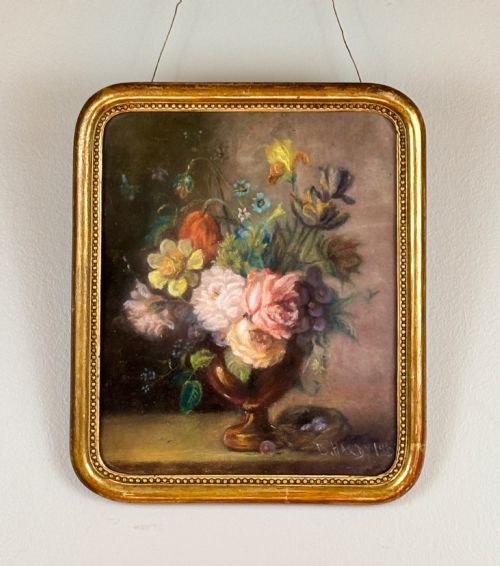
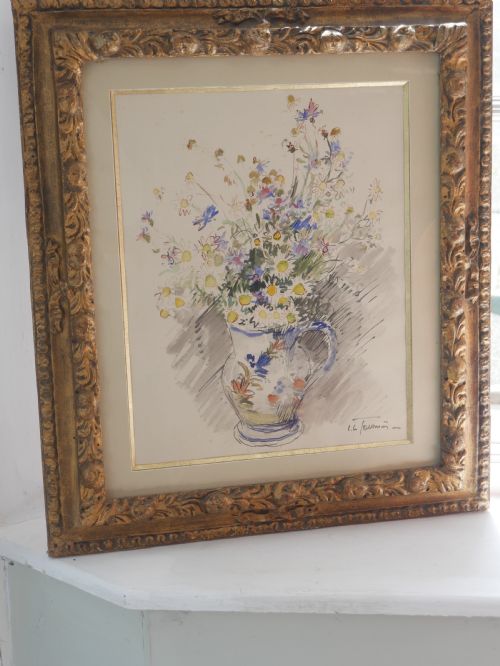
Beyond pure figure studies, the broader category encompasses related studio works, including still life compositions and portraits. These demonstrate the rigorous tonal practice required of artists working within neoclassical, romantic, and academic realisms.
Distinguishing quality
Quality rests in the precision of anatomical structure and the sureness of the line. Stronger examples display a confident understanding of light, shadow, and proportion, whereas lesser works may exhibit stiffness or hesitation in rendering the limbs and torso.
The depth of finish also separates a routine student exercise from a masterly studio piece. Works that capture subtle musculature and psychological presence through minimal strokes stand clearly apart from generic academy sketches.
Even a nursery poodle managed to sit still long enough in 1865 to be immortalised in a pastel life drawing.
William Etty·Henry Arthur Roberts·Winifred Eugene Ballard·Willem E. Roelofs jr.·John Parry·Dame Ethel Walker
The Antique Life Drawing Glossary
- Academic Realism
- A style of painting and drawing produced under the influence of European academies of art. It emphasises conventional standards, precise anatomy, and classical subjects.
- Grisaille
- A painting or drawing executed entirely in shades of grey or neutral greyish-brown. This technique is often used to imitate sculpture or as an underpainting.
- Recumbent
- Lying down or resting in a horizontal position. This posture appears frequently in studies of reclining figures.
- Grand Prix de Rome
- A prestigious French scholarship for arts students. Submissions typically demanded rigorous mastery of figure drawing and history painting.
Antique Life Drawing: Frequently Asked Questions
What is an academic life study?
An academic life study is a drawing or painting executed from a live human model as part of formal artistic training. These exercises focused on mastering human anatomy, proportion, and shading.
Such pieces were foundational to European art education, where students progressed from drawing classical plaster casts to observing living subjects in the studio.
How do I date an antique drawing?
Dating relies on visible inscriptions, artist signatures, framing materials, and stylistic markers inherent to specific periods. Georgian and Victorian works often feature distinct paper types and handwriting.
Contextual clues such as dress, subject matter, and academy stamps further help narrow down the decade of execution.
Why are some drawings framed in giltwood?
Giltwood frames provide a traditional, ornate presentation that elevates works on paper for domestic display. Many pieces retain period or antique frames that complement the academic tone of the artwork.
Original framing helps protect fragile paper and charcoal mediums from environmental damage over the centuries.
How should I care for antique paper art?
Antique works on paper require protection from direct sunlight to prevent the fading of charcoal, chalk, and pastel pigments. Maintaining stable humidity levels prevents foxing and paper degradation.
Displaying pieces behind glass with acid-free mounts ensures the delicate dry media remains undisturbed within the frame.