



Original Figure Sketch
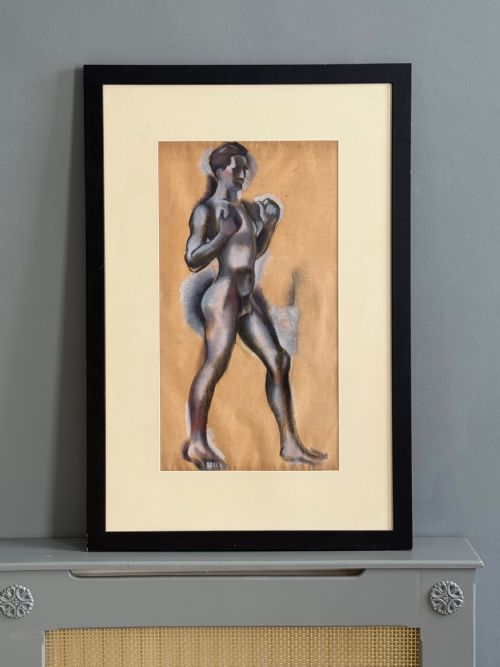
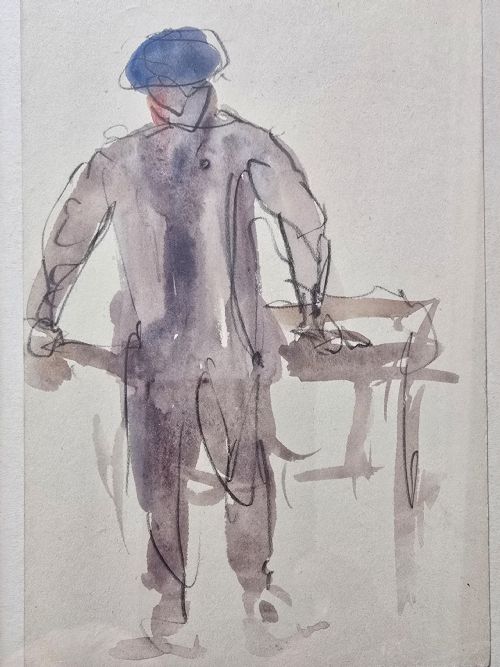
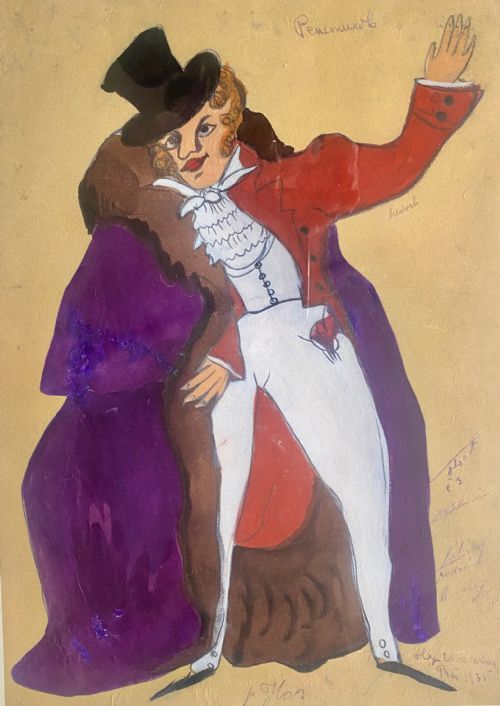
An original figure sketch captures the immediacy of human form and character directly from the hand of the artist.
Original Figure Sketch
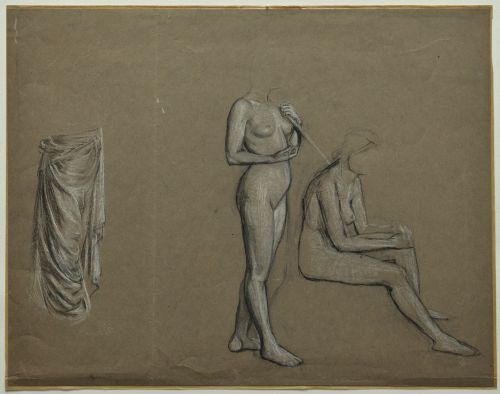
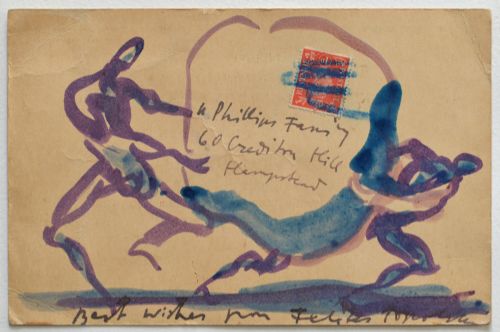
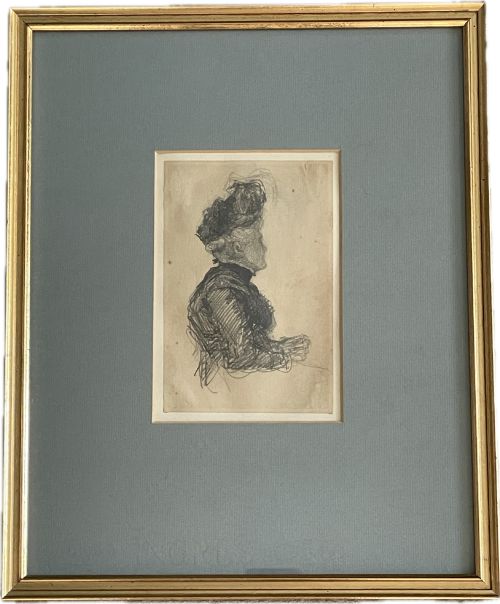
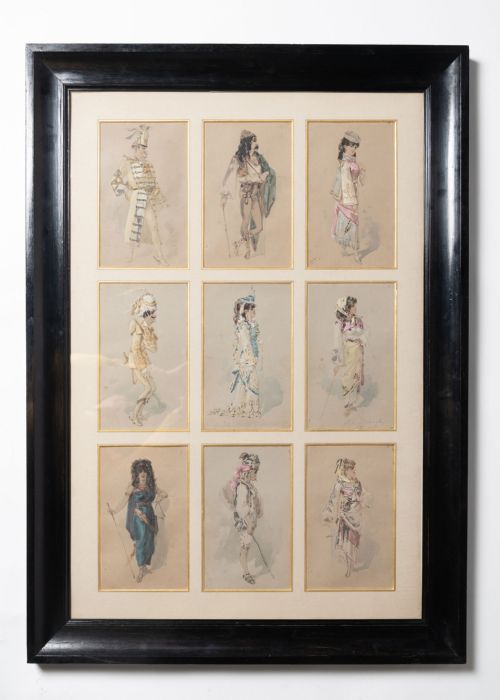
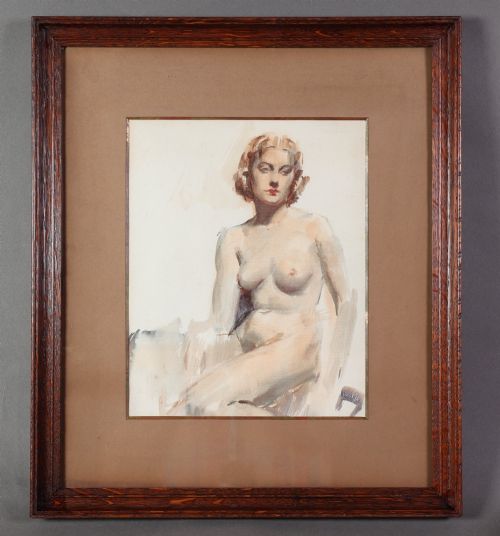
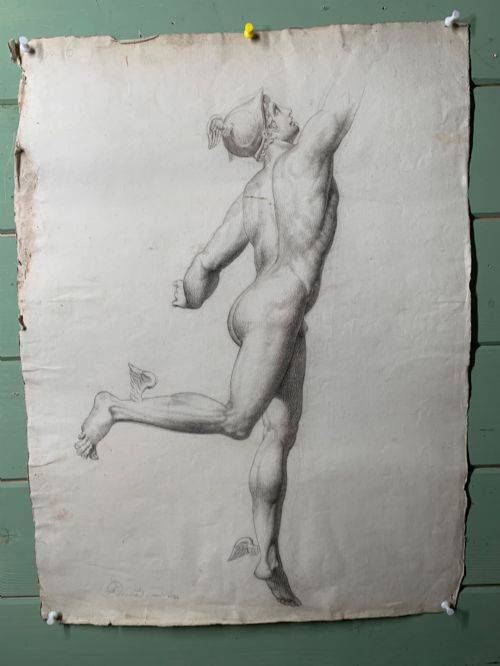
An original figure sketch encompasses works on paper spanning from the eighteenth century through to the mid-twentieth century, capturing human subjects through diverse stylistic lenses. The inventory ranges from academic life studies and preparatory drawings to finished portraiture and narrative watercolours.
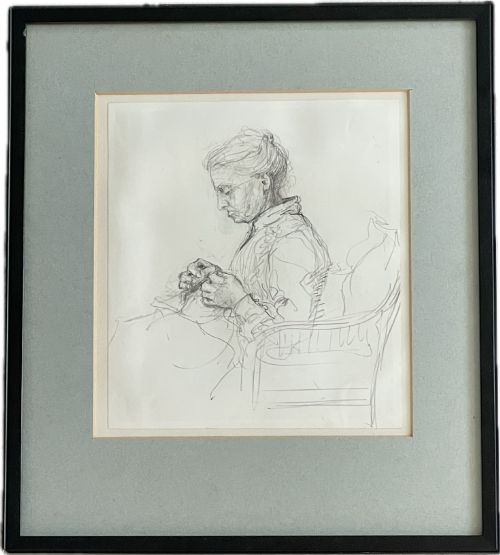
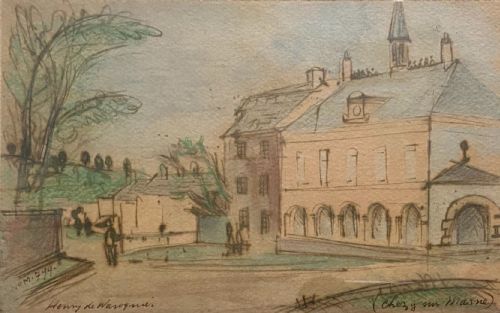
Buyers encountering this selection will frequently meet nineteenth-century academic works and twentieth-century modern pieces. These span various methodologies, from rapid charcoal notations to highly finished ink and wash compositions framed for display.
Materials and execution
Artists relied primarily on paper supports, applying mediums such as graphite, charcoal, chalk, ink, and watercolour. These materials allowed for immediate execution, whether through the fine lines of a pen or the soft gradations of compressed carbon.
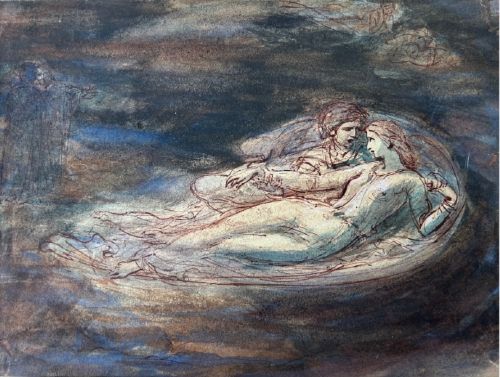
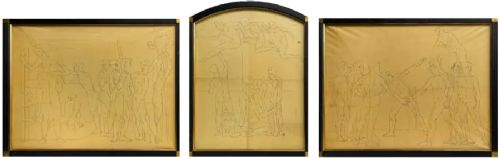
Preparatory works often show visible under-drawing and corrections, exposing the manual process of capturing proportions and gesture before any wash or colour was applied.
Original Figure Sketch Retail Price Guide 2026
Typical asking prices for original figure sketch among the pieces listed under this phrase on Sellingantiques today, from the lower quarter to the upper quarter. They describe what is for sale here now, not the wider market.
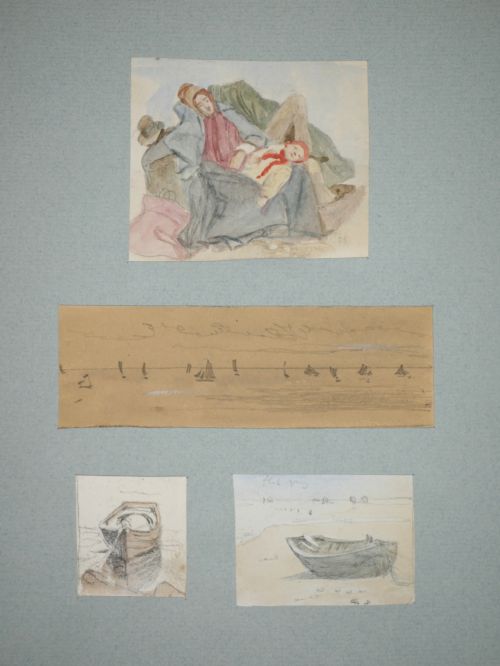
Several sheets preserve the quiet private moments of sleeping subjects, restless children, and figures sheltering together under umbrellas.
Assessing quality and execution
Quality rests upon the sureness of the line and the economy with which the artist conveys volume, weight, and presence. Stronger examples demonstrate a confident command of anatomy and gesture, where every stroke serves to define the subject.
The relationship between the artist's initial observation and the final mark dictates the vitality of the sheet. Finer works maintain a sense of urgency and direct connection to the living model, avoiding stiffness or mechanical precision.
James Smetham·Samuel Rabin·Henry de Waroquier·Michael Healy·Augustus John·Henry Arthur Roberts·Alfred Dehodencq·John Merrifield·Demetrios Galanis·William Edward Frost·Lucien Freud·Winifred Eugene Ballard·John Hoppner·Faeq Hassan·Frank Dobson
The Original Figure Sketch Glossary
- Academic realisms
- A style of painting and drawing produced under the influence of European academies of art, prioritising accurate anatomical drawing and classical finish. This approach underpins many nineteenth-century life studies.
- Wash
- A thin, transparent layer of diluted ink or watercolour applied to paper to create tonal depth or atmospheric shadow. It is frequently combined with pencil or pen outlines.
- Preparatory study
- A preliminary drawing or sketch executed by an artist to plan a larger, more finished painting or sculpture. These sheets often capture rapid observational data.
- Mixed media
- An artwork utilising more than one medium on the support, such as ink combined with watercolour or chalk layered over graphite. This technique expands the tonal range of a drawing.
Original Figure Sketch: Frequently Asked Questions
What is an original figure sketch?
An original figure sketch is a unique drawing or work on paper centring on human subjects, executed directly by an artist rather than reproduced.
These pieces range from quick anatomical studies to detailed portraits and narrative scenes using graphite, charcoal, or ink.
How were these sketches used?
Artists created these works as independent portraits, preparatory studies for larger paintings, or life drawing exercises in studio settings.
Many served to capture fleeting gestures or expressions before being developed into finished oils or watercolours.
How should I frame works on paper?
Drawings and watercolours require framing behind glass with acid-free mounts to protect the paper and medium from environmental damage and light exposure.
Keeping the paper from touching the glass preserves the delicate surface of charcoal, pastel, and graphite.
How are periods and styles identified?
Dating relies on signatures, paper types, framing materials, stylistic movements like Art Deco or Academic Realism, and documented artist dates.
Examining the handling of the medium and the context of the school helps place the work within a specific era.