




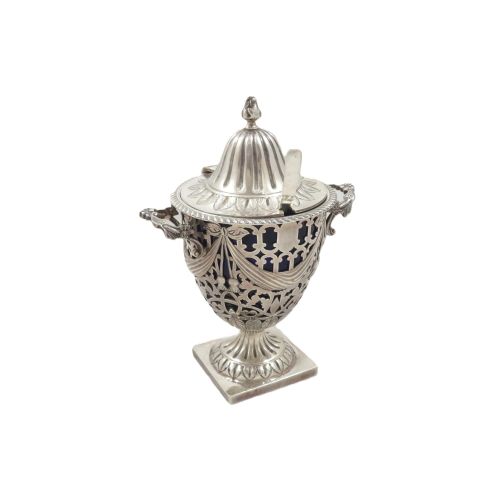
Antique Lidded Glass
Antique lidded glass brings together pressed, cut, and coloured vessels with metal mounts designed to hold everything from perfume to biscuits.
Antique Lidded Glass
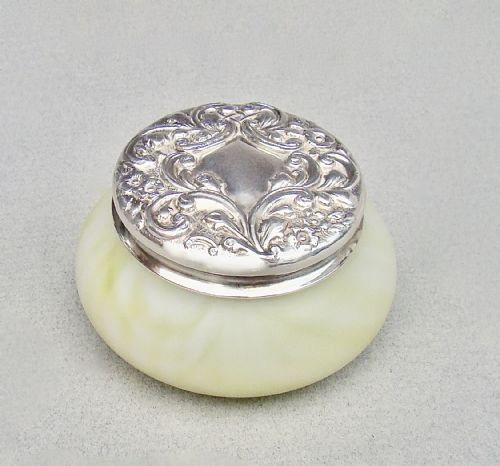
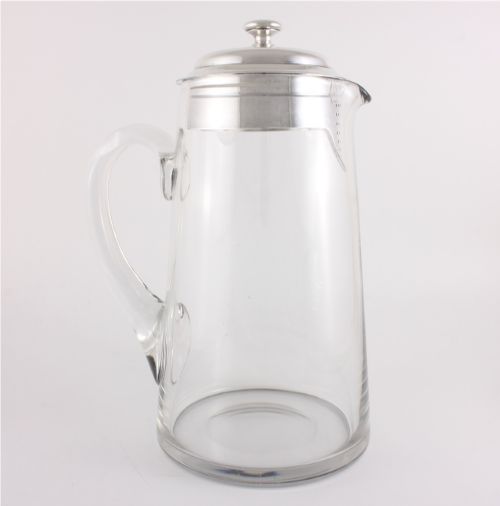
When buyers search for antique lidded glass, they encounter items made to sit on dressing tables, desks, and dining sideboards. These range from small trinket boxes and scent bottles to larger biscuit barrels and butter dishes.
The pieces span periods from the Georgian era through Victorian, Edwardian, and Art Deco years, reflecting domestic habits of each decade. Vanity jars, inkwells, and whisky noggins dominate the selection.
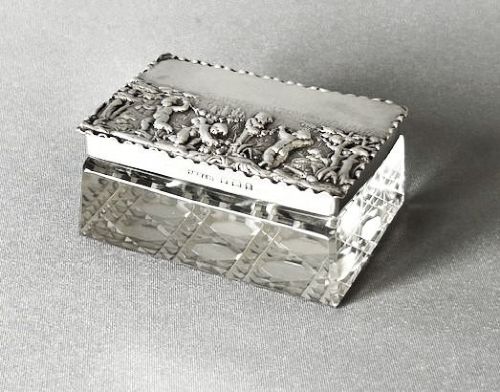
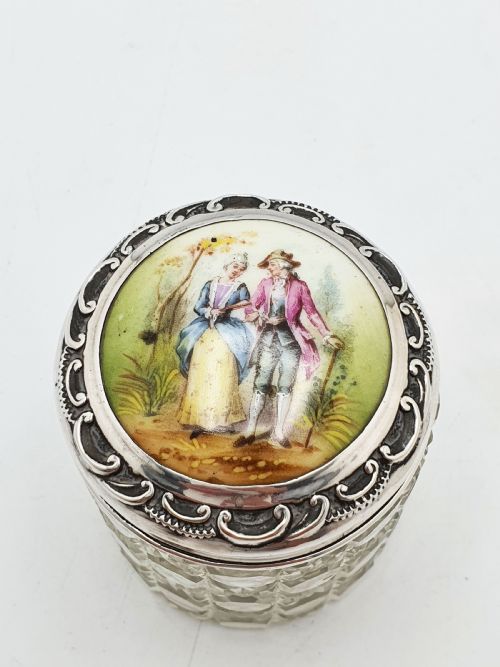
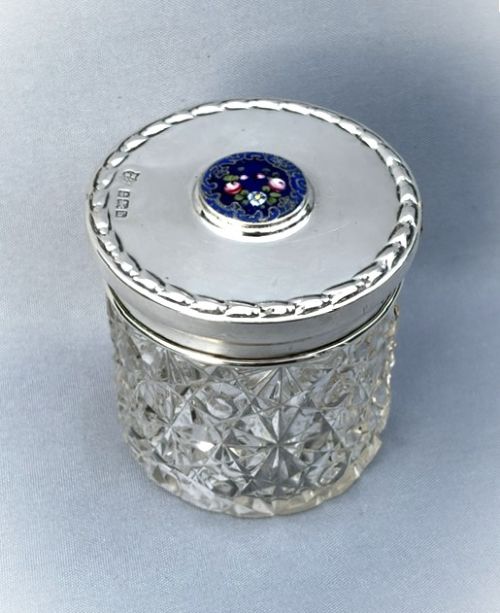
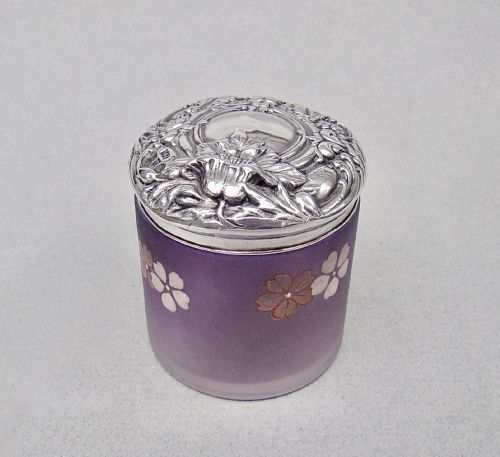
Many examples pair heavy glass bodies with sterling silver, silver plate, or gilt bronze mounts. Makers often incorporated enamel, porcelain plaques, or tortoiseshell into the lids.
Materials and Technique
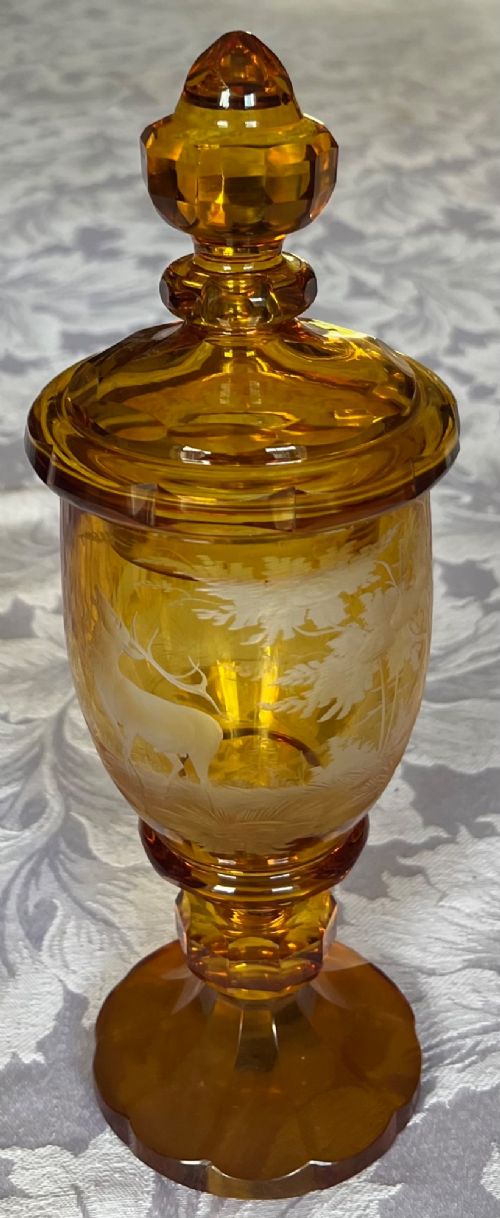
Vessels are formed from lead crystal, cut glass, satin glass, or coloured varieties like Bristol green, cranberry, and amethyst. Silversmiths and metalworkers then fitted these bodies with custom-made lids and collars.
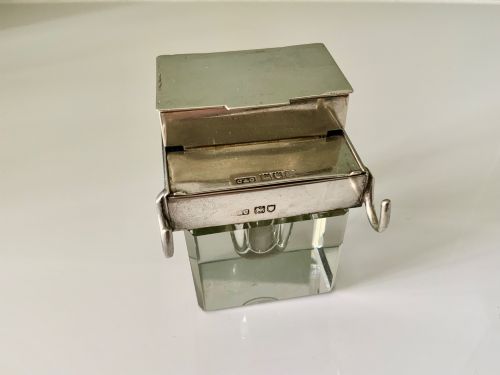
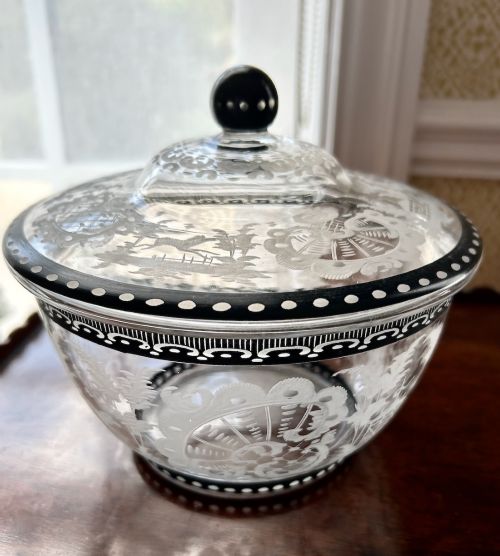
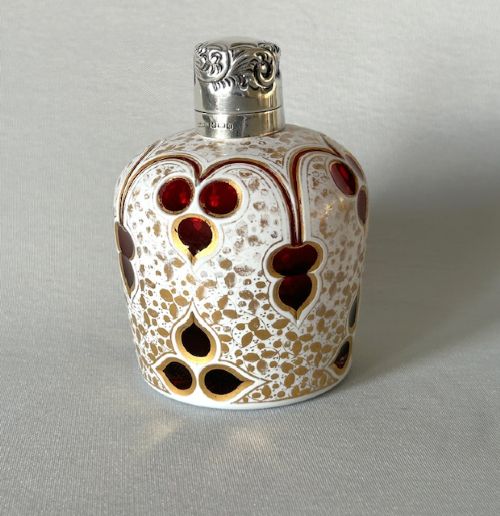
Decoration involves wheel engraving, hand-painting, enamel work, and overlay techniques. Mounts frequently carry hallmarks that record the year of assay and the silversmith's mark.
Antique Lidded Glass Retail Price Guide 2026
Typical asking prices for lidded glass among the pieces listed under this phrase on Sellingantiques today, from the lower quarter to the upper quarter. They describe what is for sale here now, not the wider market.
Listings feature items from the Georgian period through the 1930s, utilising materials such as sterling silver, enamel, and gold leaf.
Judging Quality
Weight and clarity distinguish finer glass vessels from standard production pieces. Deep, sharp cutting and crisp moulding show superior skill in the glasshouse.
The weight and gauge of the silver or metal mounts also indicate grade. Fully hallmarked sterling silver tops securely fitted to thick glass walls represent the better tier of domestic containers.
A. J. Pepper & Co·A. Bromet & Co·Hasset & Harper·Hukin & Heath·Lalique
The Antique Lidded Glass Glossary
- Lead crystal
- Glass containing lead oxide to increase weight, brilliance, and light refraction. This material produces a clear ring when tapped.
- Whisky noggin
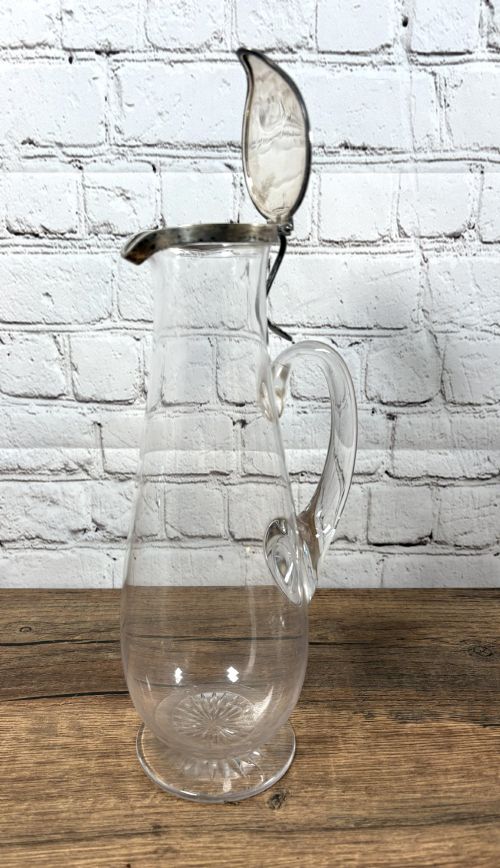
- A small vessel with a lid and handle designed for pouring single measures of spirits. These often include a hinged silver top and a star-cut base.
- Biscuit barrel
- A covered container intended for storing biscuits on the dining table. Victorian and Edwardian examples often combine cut glass bodies with silver-plated or sterling mounts and swing handles.
- Satin glass
- Glass treated with an acid bath to produce a velvety, matte finish. It appears frequently in Edwardian dressing table wares.
- Hallmark
- A stamp impressed into precious metal mounts indicating the assay office, metal purity, and date letter. These marks allow precise dating of the accompanying glass.
Antique Lidded Glass: Frequently Asked Questions
How do I clean antique glass with silver lids?
Use a soft cloth and mild soapy water on the glass body, taking care to keep moisture away from any paper linings or cement inside metal mounts.
Polish silver parts gently with a specialised cloth while avoiding contact between polish and the glass surface.
Were these items meant for daily use?
Victorian and Edwardian households utilised these containers constantly for grooming, writing desks, and dining service. Dressing table jars held creams and pins while noggins served evening drinks.
Today they function well for modern storage or display in living spaces.
How can I date an unmarked silver mount?
Examine the style of the glass cutting, the shape of the container, and the mounting technique. Art Deco geometric cuts differ significantly from Victorian floral engravings.
Matching the overall design to known periods helps narrow down the decade of production.
What is cranberry glass?
Cranberry glass gets its rich pinkish-red colour from the addition of gold chloride to the molten batch. Glassmakers blew and moulded this material into decorative jars and biscuit barrels.
Popularized during the Victorian period, it remains distinctive for its warm tone.