


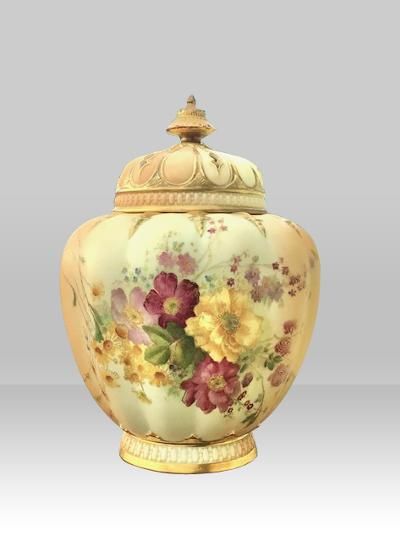


Antique Lidded Cream Pots
Antique lidded cream pots are small, covered vessels designed for the table or dressing room, prized for their delicate ceramic and glass bodies.
Antique Lidded Cream Pots
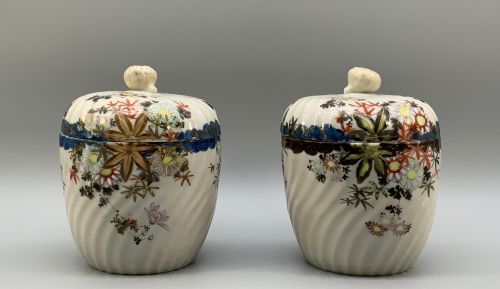
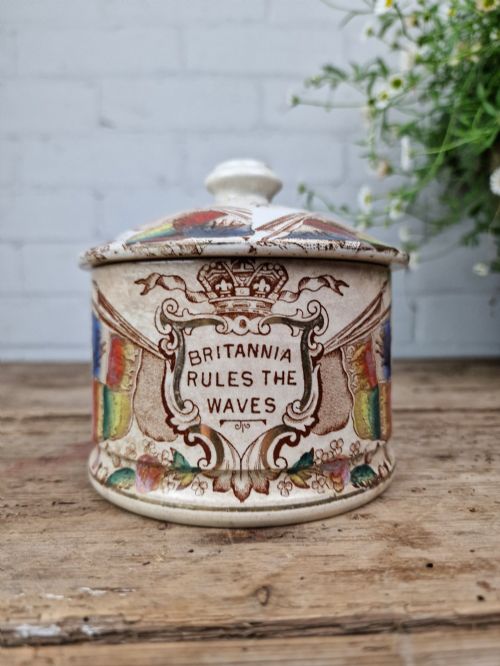
When you search for antique lidded cream pots, you encounter a varied assortment of small lidded containers originating from the nineteenth and early twentieth centuries. The selection spans English pottery, continental porcelain, and Japanese ceramic wares produced for domestic and export markets.
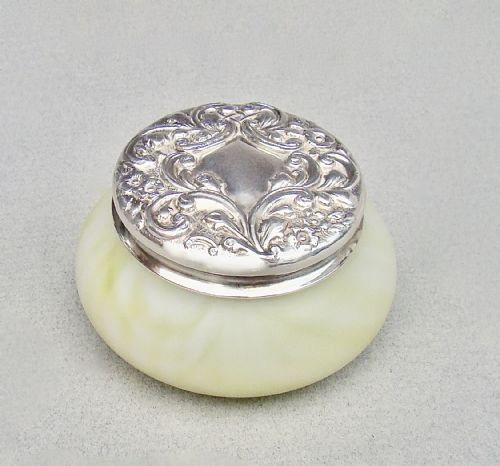
Forms on this page range from utilitarian kitchenware and French cream pots to decorative dressing table jars, trinket boxes, and miniature incense burners. Tableware and butter dishes sit alongside pot pourri vases and sugar bowls, showing the breadth of small covered vessels from the Victorian and Edwardian eras.
Makers and origins include English factories such as Royal Worcester and Pratt Ware, alongside continental houses like Meissen and Japanese Satsuma studios. These pieces reflect diverse cultural aesthetics, from Rococo Revival and Art Nouveau styles to Japanese Meiji period designs.
How They Were Made
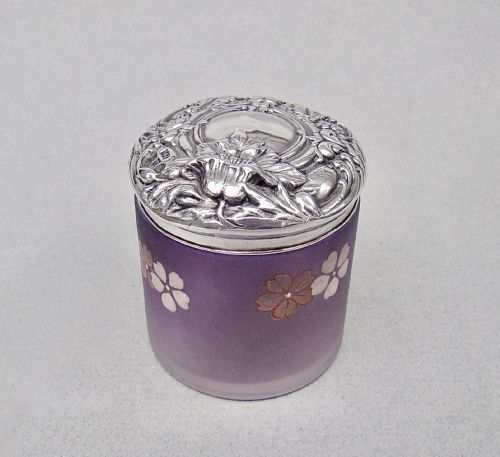
Surface decoration relies on hand-painted floral motifs, gilding, and gold leaf applied directly onto the ceramic or glass substrate. Sterling silver mounts and lids, hallmarked in cities such as Birmingham and Chester, frequently cap glass dressing table jars and trinket boxes.
Listings feature items spanning the nineteenth and early twentieth centuries, incorporating materials from sterling silver and copper to porcelain, earthenware, and frosted glass.
What Varies in Quality
The finesse of the hand-painted decoration and the crispness of moulded details distinguish finer examples from standard production items. Artisanal Japanese Satsuma pieces and painted Royal Worcester wares show a high degree of painterly control in their floral and figural scenes.
The integrity of the materials, from the weight of the sterling silver mounts to the translucency of the porcelain or satin glass, dictates the standing of the piece. Well-preserved gilding and intact, matching covers indicate careful preservation over the decades.
A. Bromet & Co·Royal Worcester·Shozan·Meissen
The Antique Lidded Cream Pots Glossary
- Porcelain
- A hard, white, translucent ceramic fired at high temperatures. It forms the smooth, refined body of many fine lidded jars and decorative pots.
- Satsuma
- A type of Japanese earthenware originating from the Satsuma province, typically characterised by a crackle-glaze ivory body and elaborate polychrome and gilt decoration.
- Pot Pourri
- A mixture of dried fragrant plant materials placed inside a lidded jar or vase to perfume a room. The vessels feature pierced or perforated covers to release the scent.
Antique Lidded Cream Pots: Frequently Asked Questions
What were antique lidded cream pots used for?
These small vessels served various domestic purposes, ranging from the actual storage and pouring of cream at the table to holding cosmetics and trinkets on a dressing table.
Others functioned as decorative pot pourri containers to freshen domestic interiors, or as miniature incense burners in the case of Japanese Satsuma wares.
How do I date an Edwardian piece?
Edwardian items date from the reign of King Edward VII, spanning the years from 1901 to 1910. Silver mounts on glass jars often carry clear hallmarks with date letters that pinpoint the exact year of assay.
Stylistic markers such as Art Nouveau curves and pastel colour palettes also help identify pieces from this specific decade.
How should I clean delicate ceramics?
Delicate porcelain and earthenware require gentle care, avoiding harsh abrasives or prolonged soaking in water. Warm soapy water and a soft cloth suffice for cleaning glazed surfaces.
Painted details and gold leaf on antique pieces can wear away over time, so minimal handling and dusting are recommended.