




French Porcelain Pots
These French porcelain pots combine delicate ceramic bodies with ornate metal mounts, offering practical storage and distinct period charm.
French Porcelain Pots
French porcelain pots encompass a diverse selection of small domestic vessels, ranging from trinket boxes and powder bowls to desk inkwells and decorative cache pots. Buyers searching for french porcelain pots frequently encounter nineteenth-century pieces alongside later twentieth-century examples.
The objects span varied forms such as potpourri jars, coffee sets, dessert services, and figural inkwells. Many incorporate lids, mounted bases, or matched pairings designed for display and practical use.
Origins stretch from nineteenth-century revivalist workshops to Art Deco studios of the 1930s. The selection balances utilitarian containers with purely decorative mantel and desk ornaments.
How they were made
Potters shaped ceramic clay and fired porcelain bodies to create smooth surfaces ready for detailed hand painting and glazed finishes. Enamel pigments added vibrant colour, while gold leaf and gilt detailing highlighted sculptural contours.
Many items incorporate metalwork, fixing porcelain vessels into gilt bronze or brass bases, mounts, and rims. Artisans also combined glass elements with enamelled porcelain to construct multi-media desk accessories and boxes.
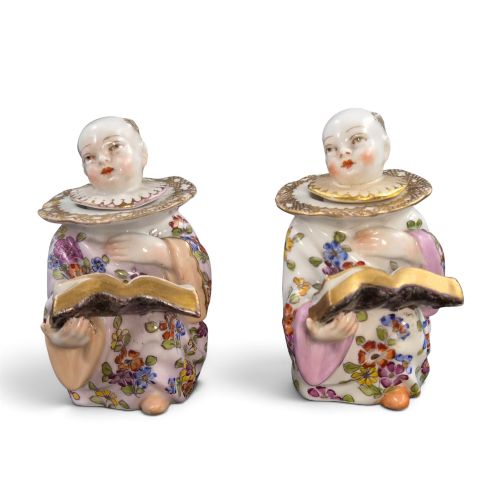
Some nineteenth-century inkwells take the surprising form of singing Chinese boys.
What varies in quality
Refinement in hand-painted detail and the precision of surface decoration distinguish finer examples from standard production pieces. The crispness of figural modelling and the delicacy of floral motifs reveal the hand of skilled decorators.
The integration of metal mounts, particularly chased gilt bronze or brass fittings, demonstrates superior craftsmanship. Heavier, more secure mountings and well-preserved gilding indicate higher workshop standards.
Edmé Samson·Ahrenfeldt and Asalvary·Limoges
The French Porcelain Pots Glossary
- Cache pot
- An ornamental flowerpot container designed to hold a plain inner pot without a drainage hole.
- Bonbonniere
- A small decorative box specifically made for holding sweets or confectionary.
- Gilt bronze
- Bronze metal coated with a thin layer of gold, commonly used for mounts and decorative fittings.
- Chinoiserie
- A decorative style reflecting European interpretations of Chinese and East Asian artistic traditions.
- Jardiniere
- A large ornamental pot or stand designed to hold growing plants or flower arrangements.
French Porcelain Pots: Frequently Asked Questions
What were french porcelain pots used for?
These vessels served various domestic purposes, including holding cosmetics, storing small trinkets, or supplying ink for writing desks.
Larger versions functioned as cache pots for plants or decorative potpourri containers placed in parlours and drawing rooms.
How do I tell nineteenth century pieces from 1930s designs?
Nineteenth-century items often feature elaborate hand-painted floral motifs, gilt bronze mounts, and revivalist styles like Rococo or Chinoiserie.
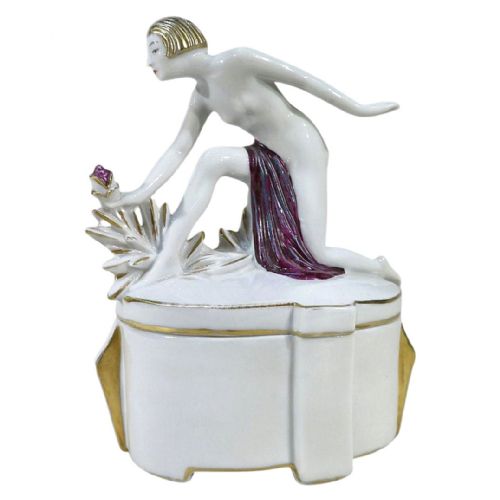
Pieces from the 1930s typically display clean geometric lines, modernist ceramic forms, and stylized motifs associated with Art Deco.
Can I use antique cache pots for live plants?
Many cache pots were originally intended to hold potted plants indoors, acting as decorative outer containers.
Collectors often protect delicate antique interiors by placing a modern plastic liner inside the ceramic vessel before adding soil and plants.
How should I clean enamelled and gilt porcelain?
Dust surfaces gently with a soft, dry cloth to prevent accumulation without harming delicate hand-painted details or gold leaf.
Avoid abrasive cleaners and harsh chemical solvents that can wear away fragile enamel decorations and nineteenth-century gilding.