



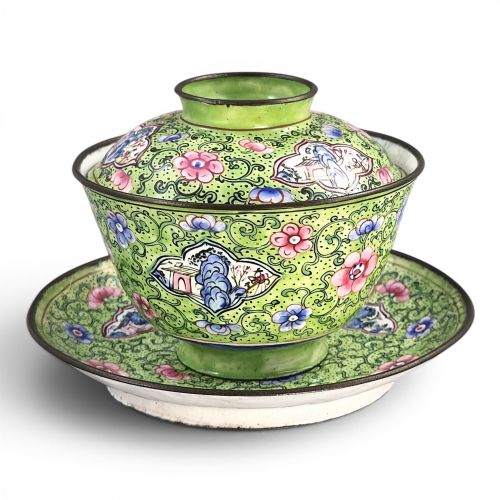

Antique Lidded Bowl
An antique lidded bowl brings utility and ornament together, holding everything from sugar to powder inside porcelain, glass, and precious metals.
Antique Lidded Bowl
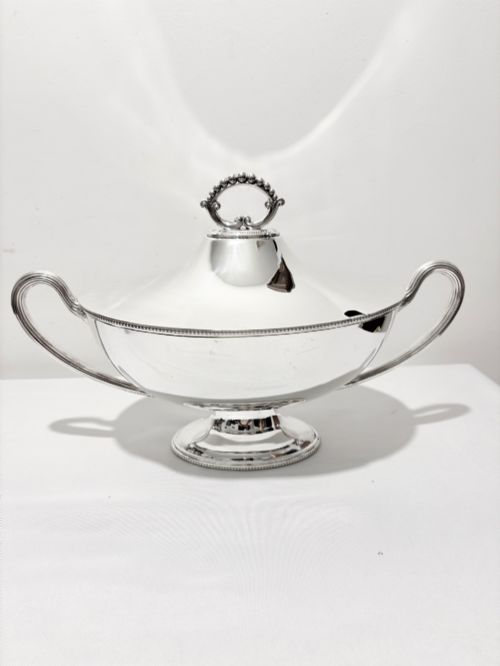
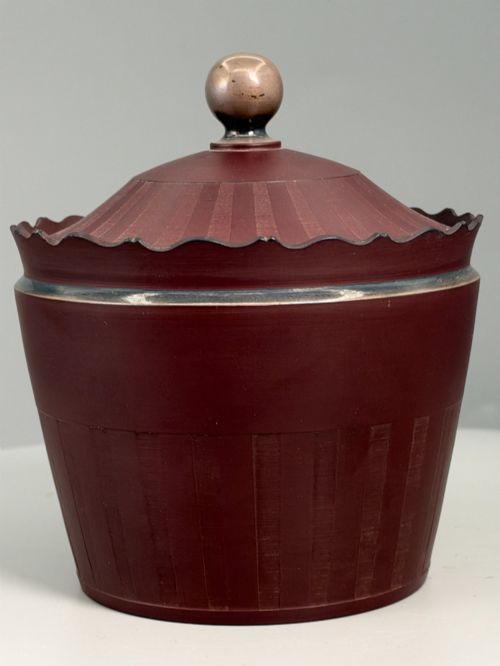
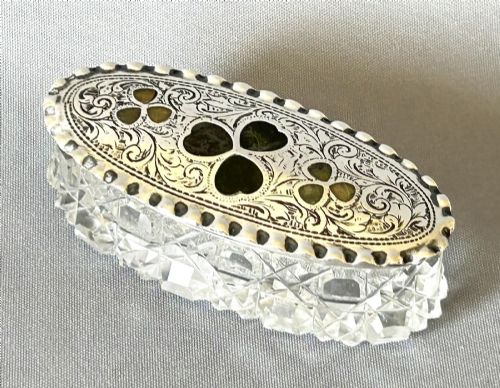
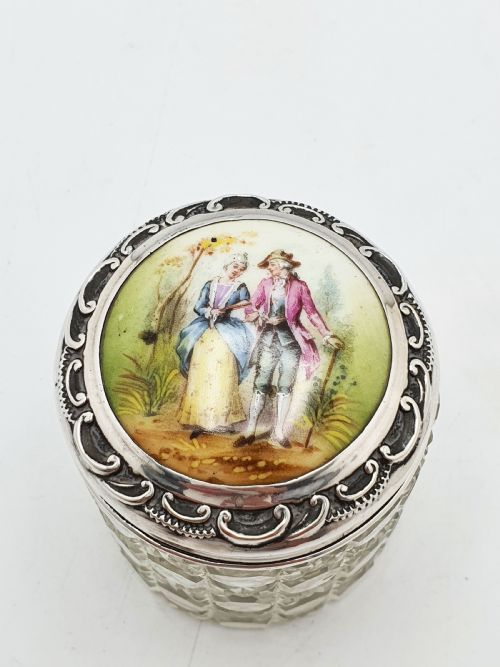
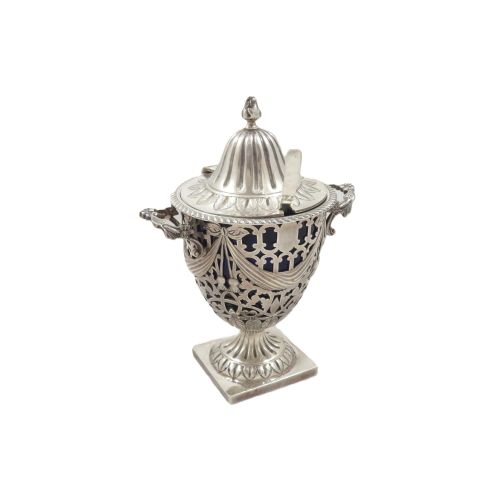
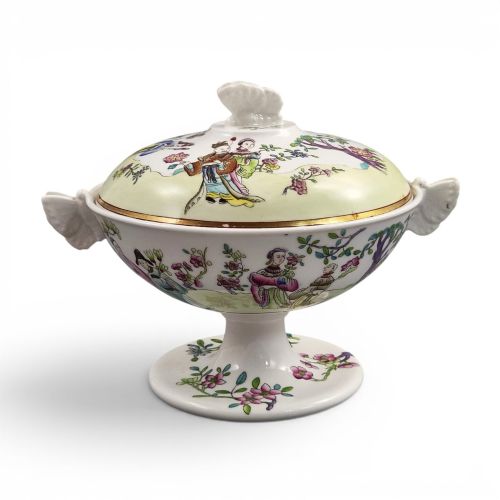
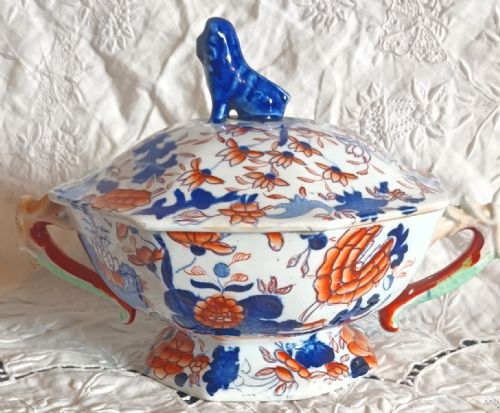
When searching for an antique lidded bowl, buyers encounter a diverse selection of domestic vessels spanning several centuries. These include utilitarian pieces like sugar bowls, butter dishes, and sauce tureens alongside more decorative items such as trinket boxes, vanity jars, and potpourri containers.
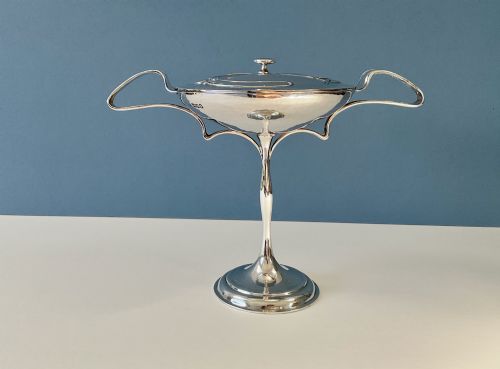
The assortment on this page draws heavily from the Georgian, Victorian, and Edwardian eras, extending into the Art Deco and Art Nouveau periods. Materials range from sterling silver and cut glass to porcelain, earthenware, and enamel, originating from British, European, and Asian workshops.
How They Were Made
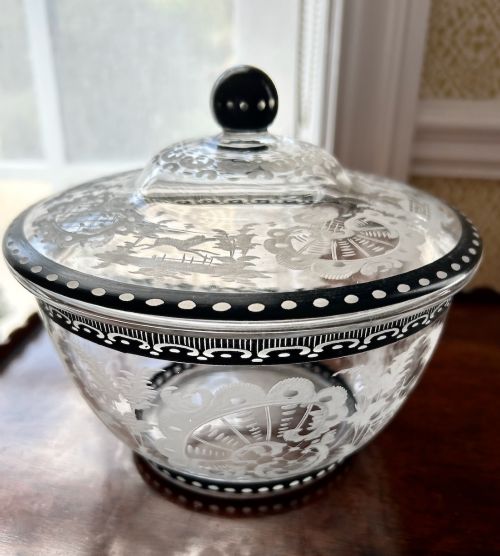
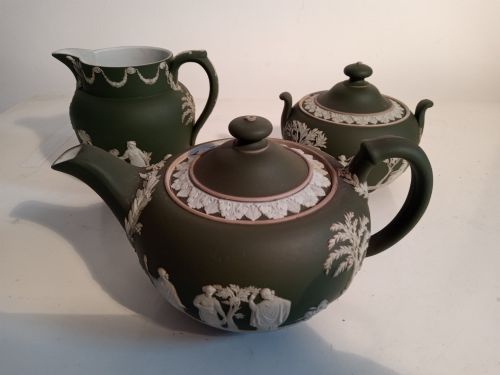
Ceramic pieces rely on traditional potting techniques, utilising porcelain, ironstone, and earthenware bodies shaped on wheels or pressed in moulds before receiving hand-painted or transfer-printed decoration. Glass vessels combine heavy cutting with engraving or coloured enamel overlays to achieve texture and depth.
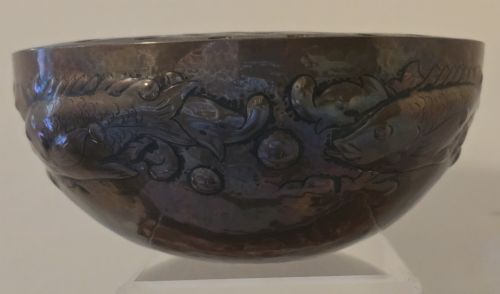
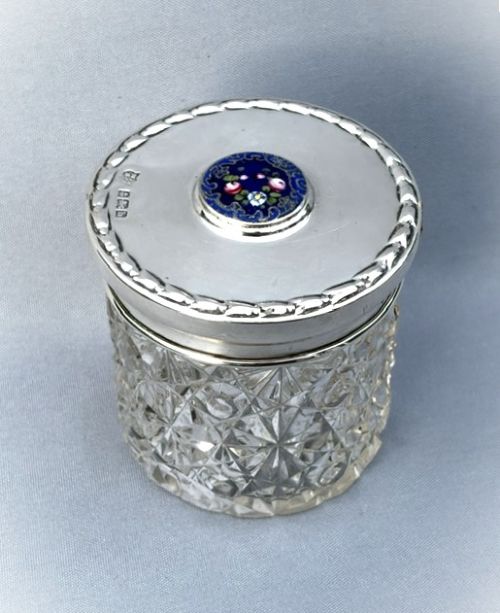
Metal items employ sterling silver, silver plate, copper, and brass, often shaped through silversmithing techniques like spinning, casting, and repoussé. Mounts and lids are engineered to fit snugly, sometimes integrating enamel plaques or crystal bodies.
Antique Lidded Bowl Retail Price Guide 2026
Typical asking prices for lidded bowl among the pieces listed under this phrase on Sellingantiques today, from the lower quarter to the upper quarter. They describe what is for sale here now, not the wider market.
Even butter found itself housed in splendour, requiring revolving silver-plated domes and heavy crystal dishes to keep it presentable for the table.
What Varies in Quality
Metalwork quality shows in the weight of the silver or copper and the structural integrity of hinges and handles. Better pieces maintain original lids that fit their bases precisely, preserving the intended silhouette and proportion of the maker's design.
Newlyn Copper·Spode·Wedgwood·Lalique·Mason·Royal Crown Derby·Worcester·Baccarat·Daniel and Arter
The Antique Lidded Bowl Glossary
- Sucrier
- A small bowl with or without a lid, specifically designed to hold sugar for tea service. They appear in porcelain, silver, and glass across Georgian and Victorian periods.
- Tureen
- A deep covered vessel used for serving soups, sauces, or vegetables at the dining table. These large forms frequently feature matching ladles and twin handles.
- Latticinio
- A type of glasswork featuring fine opaque white or coloured threads embedded within clear glass. This technique creates delicate linear patterns across bowls and jars.
- Imari
- A decorative style originating in Japan, characterised by a distinctive palette of underglaze blue, iron red, and gold. It was widely adopted by European and Asian potteries.
Antique Lidded Bowl: Frequently Asked Questions
What were antique lidded bowls used for?
These covered vessels served varied domestic roles across the dining table, dressing table, and parlour. Many held dry goods like sugar or butter, while others stored tea leaves, preserves, or cosmetics.
Smaller lidded pots functioned as trinket boxes for jewellery or vanity jars for powder and pins. Their covers were essential for keeping contents clean and dry in unheated homes.
How do I date an antique lidded bowl?
Dating relies on a combination of material composition, stylistic markers, and any stamped maker's marks or silver hallmarks present on the piece. Georgian and Regency examples often exhibit neoclassical or transfer-printed motifs, whereas Edwardian and Art Deco items lean towards geometric or floral enamel work.
Examining the foot rim, base wear, and manufacturing seams provides further clues to a piece's age. Comparing the decorative style with known production periods helps narrow down the decade.
How should I display a lidded bowl?
These vessels suit placement on sideboards, mantelpieces, or inside glass-fronted cabinets where their form and surface decoration can be appreciated. Displaying them with the lid in place preserves the complete silhouette intended by the maker.
Bright, direct sunlight can fade painted enamel or transfer-printed porcelain over time, so shaded spots are preferable. Placing metal and glass items where they catch natural light highlights their polished surfaces and colour.