

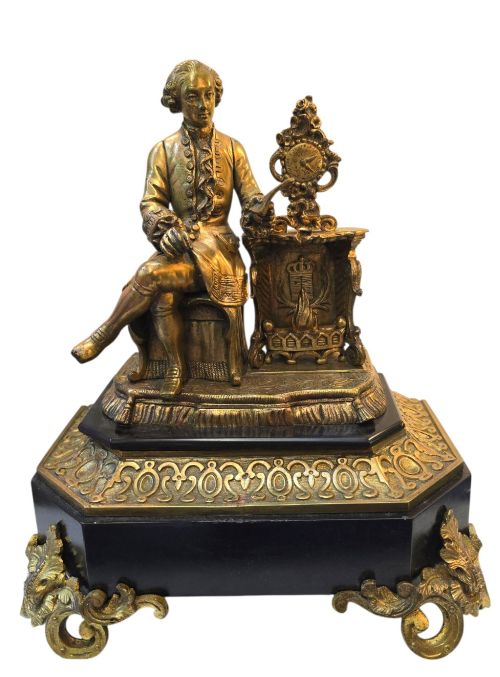
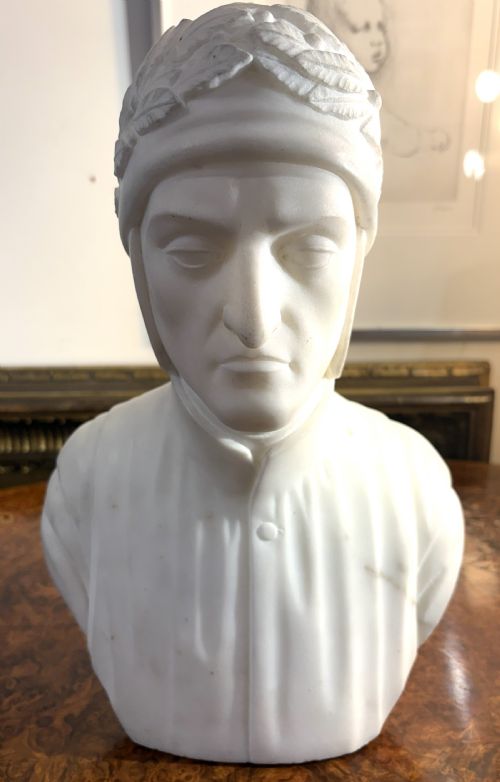
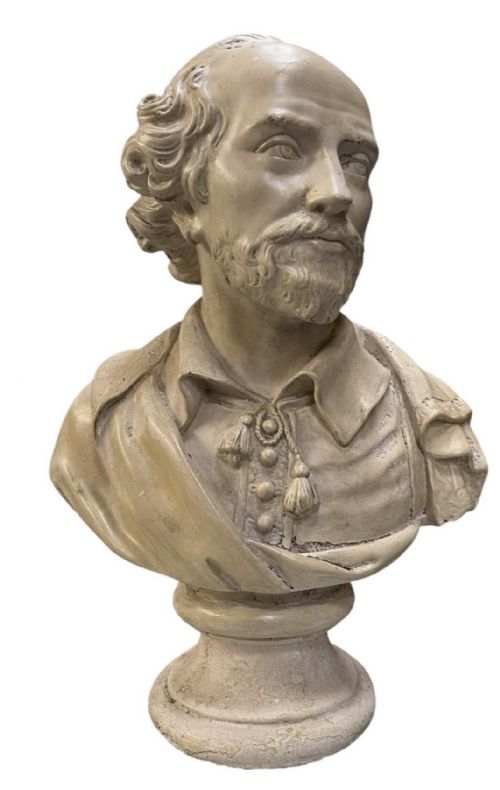
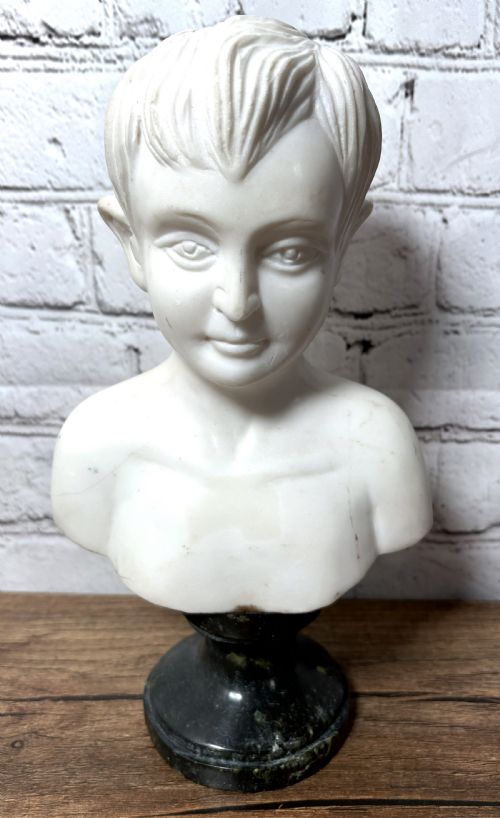


Antique Library Statue
An antique library statue brings classical literature and historical figures directly to the desktop in bronze, marble, and plaster.
Antique Library Statue
Every antique library statue serves as a tangible link to classical scholarship, historical figures, and literary greats. Buyers encounter depictions of poets, philosophers, emperors, and mythological figures designed to sit upon desks, mantelpieces, and bookshelves.
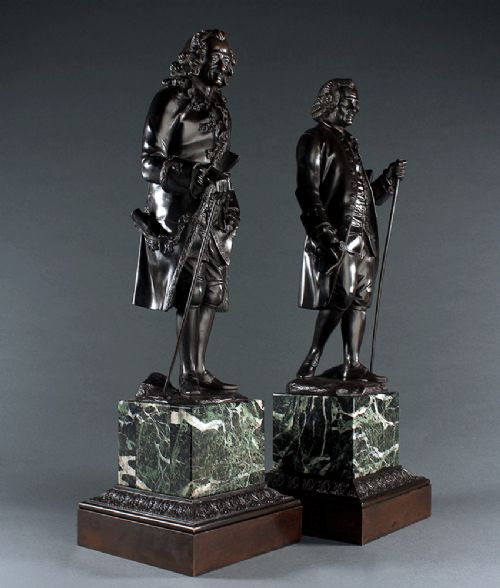
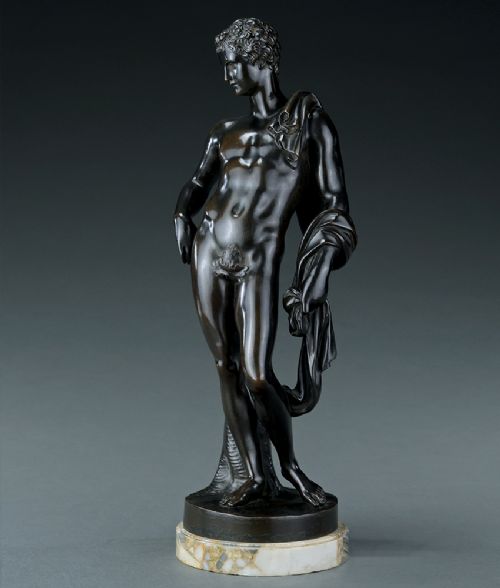
The selections span the nineteenth century through the early twentieth century, incorporating Grand Tour souvenirs alongside Victorian and Regency creations. Forms range from solitary busts on plinths and male nudes to matched pairs of bookends and recumbent sphinxes.
Materials vary widely across the inventory, moving from patinated and gilt bronze to carved marble, moulded plaster, stone, terracotta, and wood. This diversity reflects both private study decoration and scholarly taste over several decades.
Materials and methods of construction
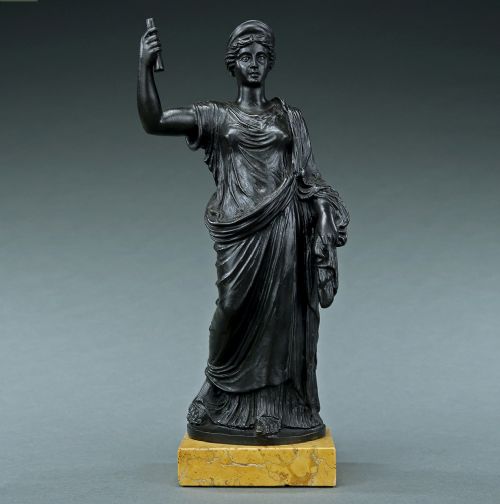
Bronze figures utilise traditional casting methods, often receiving a dark patination or gilt finish to highlight muscle definition and drapery. Many pieces incorporate contrasting marble block plinths or bases to anchor the metalwork.
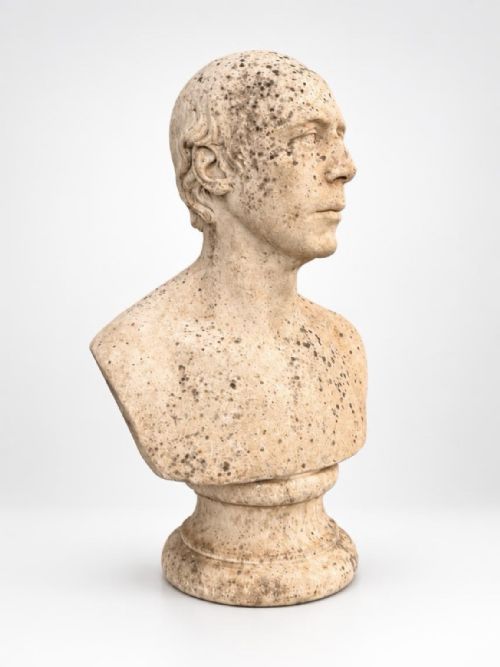
Plaster and marble library busts rely on careful carving or moulding techniques to replicate classical antiquity and historical likenesses. Wood and terracotta provide alternative mediums for animal figures and literary subjects alike.
Antique Library Statue Retail Price Guide 2026
Typical asking prices for library statue among the pieces listed under this phrase on Sellingantiques today, from the lower quarter to the upper quarter. They describe what is for sale here now, not the wider market.
The inventory spans the nineteenth century, Regency, Victorian, and Edwardian periods, featuring bronze, marble, plaster, and wood.
Distinctions in craftsmanship
Quality rests upon the crispness of the casting in bronze or the precision of the carving in marble and stone. Finer examples capture facial expression, hair texture, and the folds of garments with notable clarity.
The integration of the figure with its base separates standard items from superior works. Well-weighted marble plinths and signed pieces demonstrate the higher tiers of nineteenth-century studio output.
Pierre-Augustin Caron de Beaumarchais·Raffaelo Monti·Ernest-Eugène Hiolle
The Antique Library Statue Glossary
- Grand Tour
- A nineteenth-century tradition where travellers collected classical bronzes and sculpture replicas across Europe. These souvenirs formed the core of many home libraries.
- Patinated bronze
- Metal sculpture treated with chemical solutions to produce a specific surface colour and tone. This finish protects the bronze while enhancing sculptural depth.
- Plinth
- A heavy block base supporting a bust or sculpture. Marble and stone versions provide stability and visual weight to library ornaments.
- Neoclassical
- A style reviving classical Greek and Roman aesthetic principles during the eighteenth and nineteenth centuries. It dominates the sculptural subjects found in libraries.
Antique Library Statue: Frequently Asked Questions
What is an antique library statue?
An antique library statue is a small-scale sculpture, bust, or pair of bookends depicting historical figures, literary icons, or classical deities.
Created primarily during the nineteenth and early twentieth centuries, these pieces were intended for display in studies and libraries.
How were these statues used?
These sculptures functioned as decorative desktop ornaments and scholarly inspirations in private libraries and studies.
Many examples, such as bookends and sphinxes, also served the practical purpose of holding volumes upright on shelves.
How do I date these sculptures?
Dating relies on stylistic markers from periods like the Regency, Victorian, and Edwardian eras, alongside Grand Tour souvenirs.
Signatures, foundry marks, and material choices further help place the creation within the nineteenth or early twentieth century.