





Antique Library Sculpture
Antique library sculpture brings historical figures, classical mythology and literary greats into the study in bronze, marble and plaster.
Antique Library Sculpture
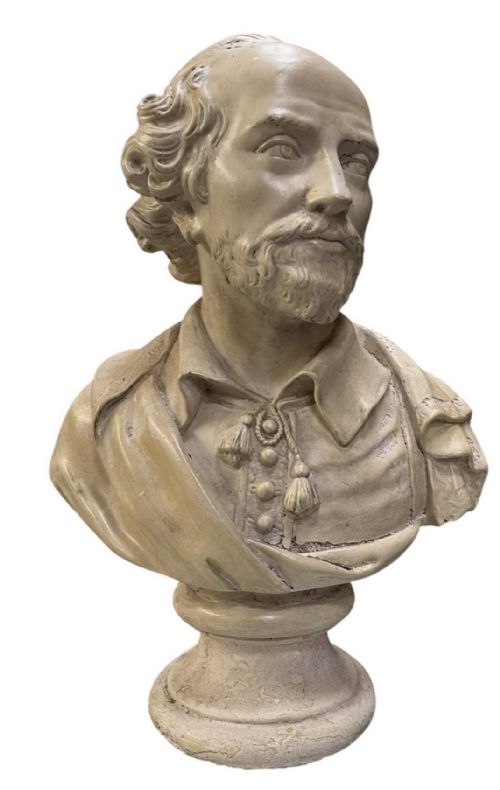
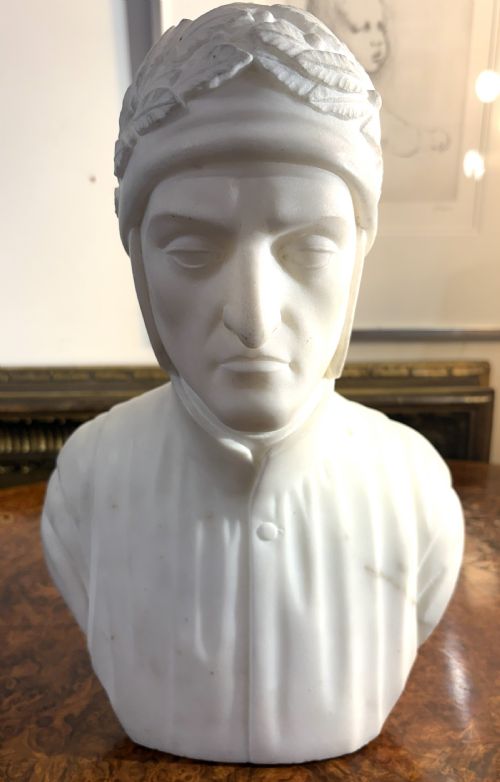
When you search for antique library sculpture, you encounter a focused selection of busts, figures, bookends and lamps that populated studies and libraries from the eighteenth century through the early twentieth century. The pieces recorded here celebrate figures from literature, philosophy and classical antiquity, including Dante Alighieri, William Shakespeare, Homer and various classical philosophers.
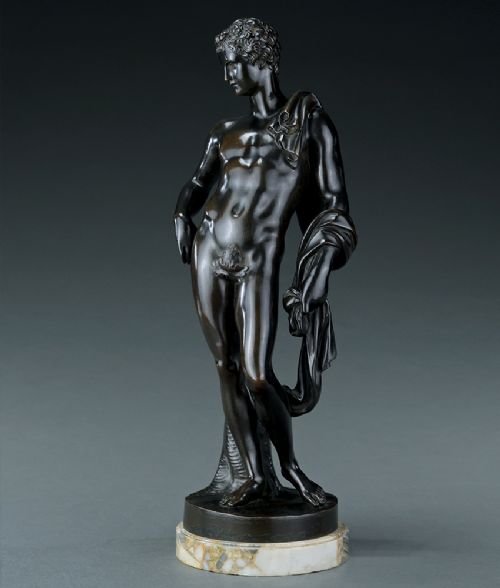
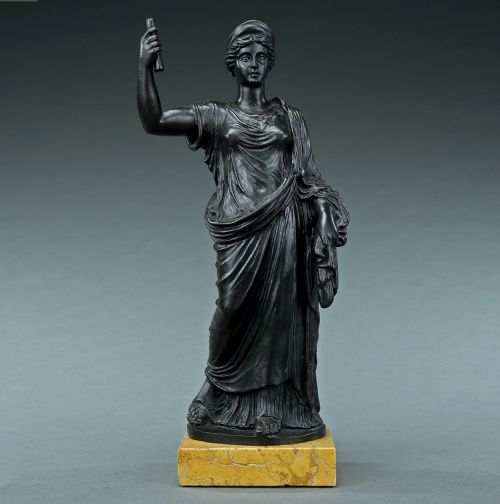
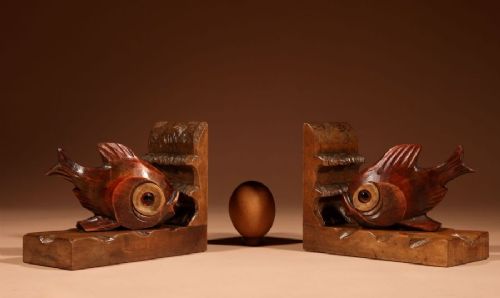
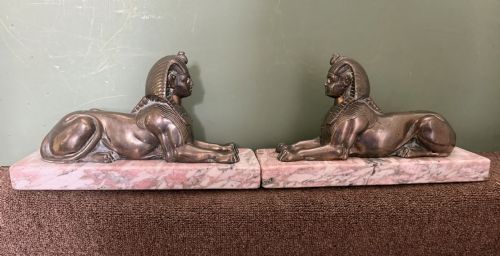
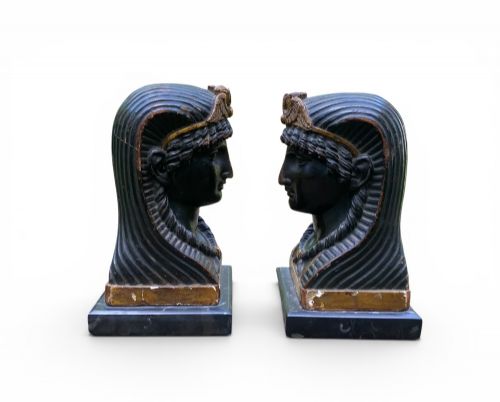
You meet portrait busts cast in bronze or carved from marble, alongside functional items such as carved wood goldfish bookends and bronze atlas lamps. The range spans Grand Tour souvenirs of classical subjects, such as the Spinario and male nudes, as well as Regency pairs of wood sphinxes and Victorian interpretations of poets.
The objects serve primarily as scholarly decoration, intended to reflect the intellectual pursuits and classical education of the room's owner. Plaster casts provide accessible likenesses of historical figures on brackets, while patinated bronze and carved stone pieces offer more substantial weight for desks and bookcases.
Materials and casting methods
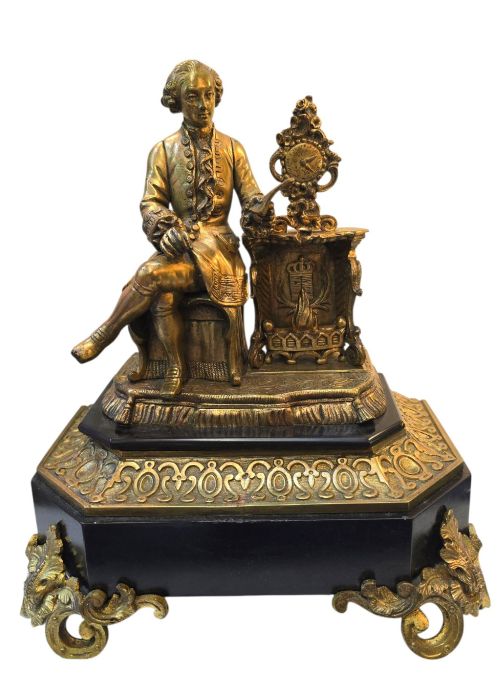
Makers utilised patinated bronze, white marble, plaster and carved wood to construct these library pieces. Bronze items rely on traditional casting techniques to capture fine facial details and drapery, often finished with dark or warm patination.
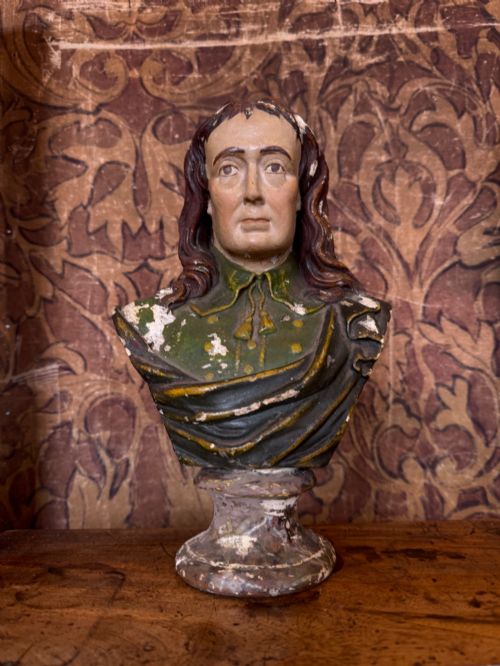
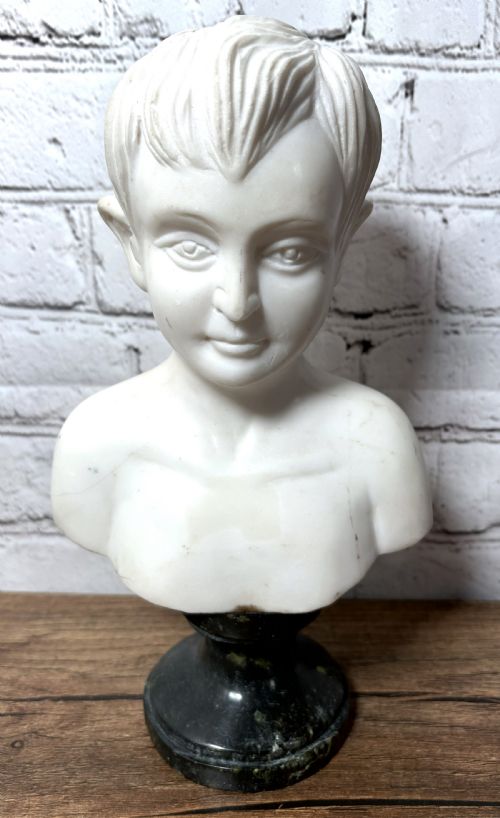
Marble busts are hand-carved from solid blocks, frequently paired with contrasting black marble plinths. Plaster works are cast from moulds and sometimes painted or simulated to resemble stone or metal.
Carved wood pieces, such as the Black Forest animal figures and English sphinxes, demonstrate detailed chisel work and grain finishing. Metal components on lamps and bookends combine cast elements with secure fixings suited to daily desk use.
Antique Library Sculpture Retail Price Guide 2026
Typical asking prices for library sculpture among the pieces listed under this phrase on Sellingantiques today, from the lower quarter to the upper quarter. They describe what is for sale here now, not the wider market.
Materials represented include bronze, white marble, carved wood, stone and plaster, often mounted on contrasting plinths or brackets.
Factors that distinguish the work
Quality rests upon the crispness of the casting or the depth of the carving, which determines whether facial expressions and classical drapery appear lifelike or soft. Finer bronzes show sharp chiselling and careful surface patination after casting, whereas lesser examples lose detail in the mould.
The choice of material and the stability of the mount also separate standard items from superior pieces. Solid marble blocks and heavy cast bronze retain integrity and presence, while simpler plaster casts rely entirely on the accuracy of the original model for their visual impact.
Thomas Hope·Raffaelo Monti·Ernest-Eugène Hiolle
The Antique Library Sculpture Glossary
- Grand Tour
- A traditional trip through Europe undertaken by upper-class young men in the eighteenth and nineteenth centuries to study classical art. Souvenirs from these journeys included small bronzes of ancient sculptures and classical busts.
- Patinated bronze
- Bronze that has been treated with chemical solutions or heat to produce a stable surface colour. This finish protects the metal and enhances the definition of the sculptural form.
- Plaster bust
- A sculptural portrait cast from a composition of gypsum plaster, often mounted on a bracket or plinth. These served as affordable alternatives to carved stone or cast metal.
- Sphinx
- A mythical creature with the body of a lion and the head of a human or animal, appearing in decorative arts. Pairs of wooden sphinxes were used as ornamental supports in Regency interiors.
- Plinth
- A heavy rectangular or square block of marble, wood or stone that serves as a base for a bust or figure. It elevates the sculpture and adds physical stability.
Antique Library Sculpture: Frequently Asked Questions
What subjects do these sculptures depict?
The pieces depict historical rulers, literary authors, philosophers and classical mythological figures. Subjects range from Shakespeare and Dante to Roman emperors and ancient deities.
Collectors find these likenesses drawn from classical sculpture, Renaissance art and nineteenth-century portraiture designed for study decoration.
How were library sculptures used originally?
They were displayed on bookshelves, mantelpieces and desks to signal the owner's learning and taste. Some items served a dual purpose as bookends or lamp bases.
Their presence created an atmosphere of scholarly contemplation in nineteenth-century domestic libraries and private studies.
How do I distinguish bronze from plaster?
Bronze objects feel cold, heavy and metallic to the touch, often displaying a dark chemical patinated surface. They result from metal casting processes.
Plaster pieces are lighter, softer and frequently show a painted or simulated stone finish over a gypsum base.
What periods do these pieces represent?
The listings span the eighteenth, nineteenth and early twentieth centuries. Many works reflect earlier classical revival styles.
Periods include Regency, Victorian, French Restauration and the Grand Tour era of travel.