
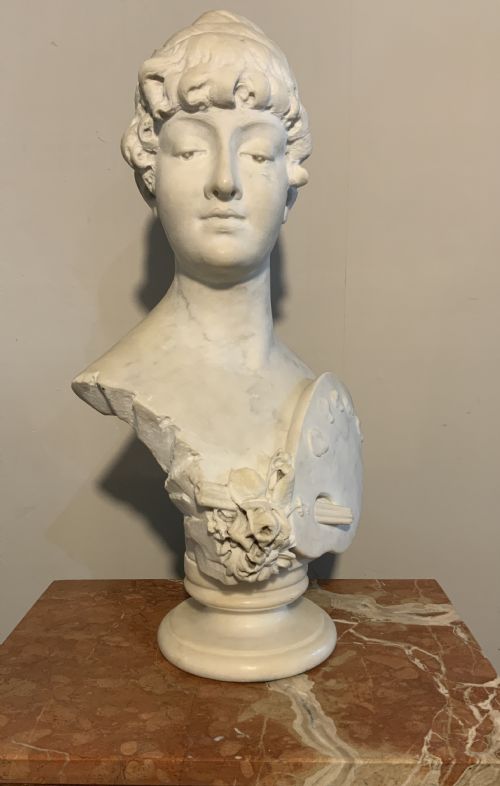
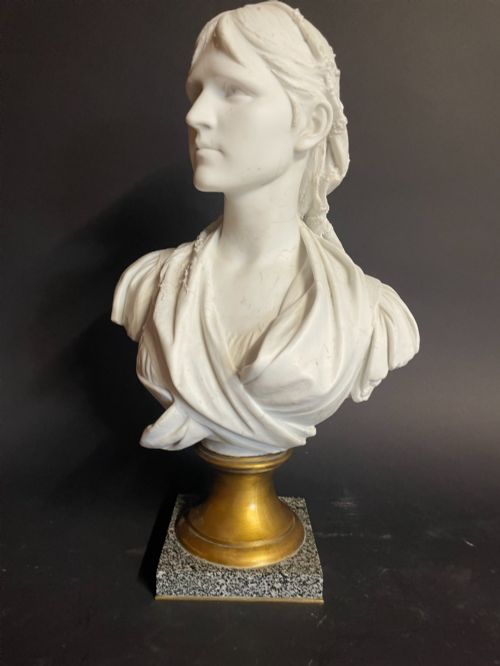
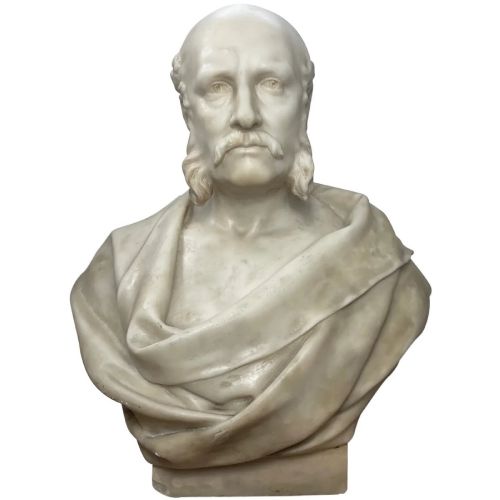
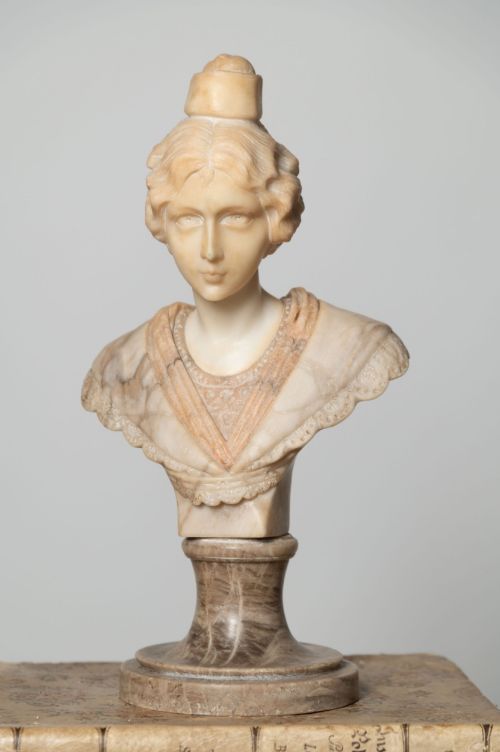
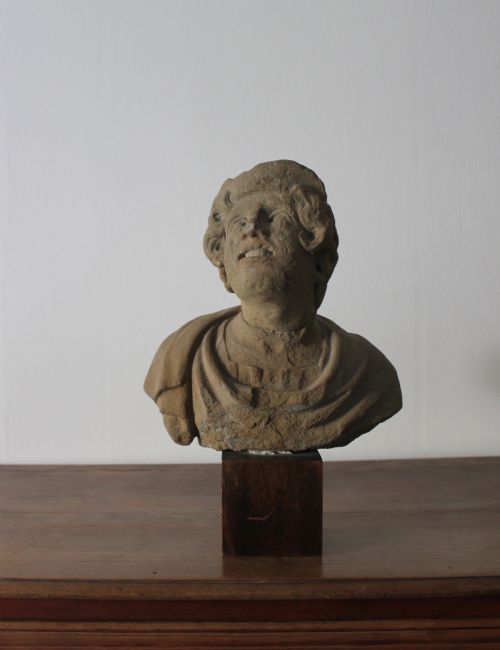
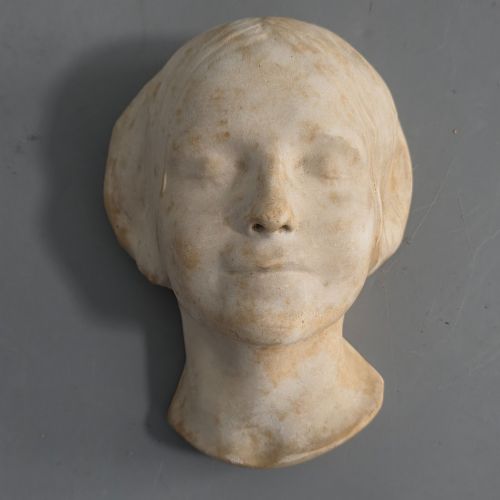
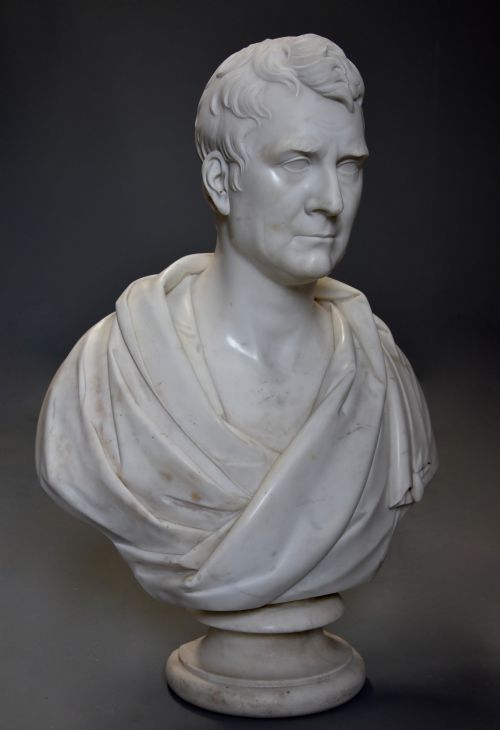
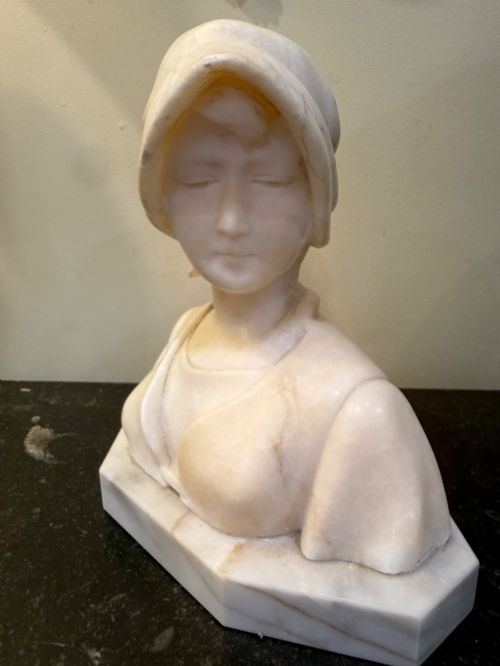

Carved Stone Portrait Bust
These carved stone portrait bust selections bring sculptural presence into a room, capturing historical figures and anonymous subjects in enduring materials.
Carved Stone Portrait Bust
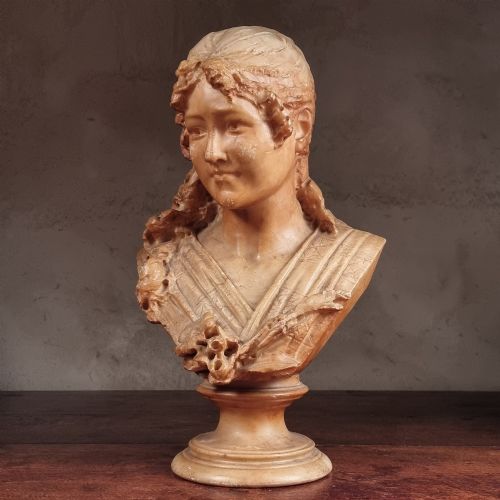
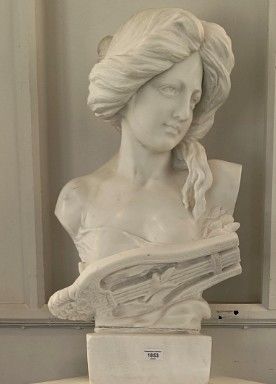
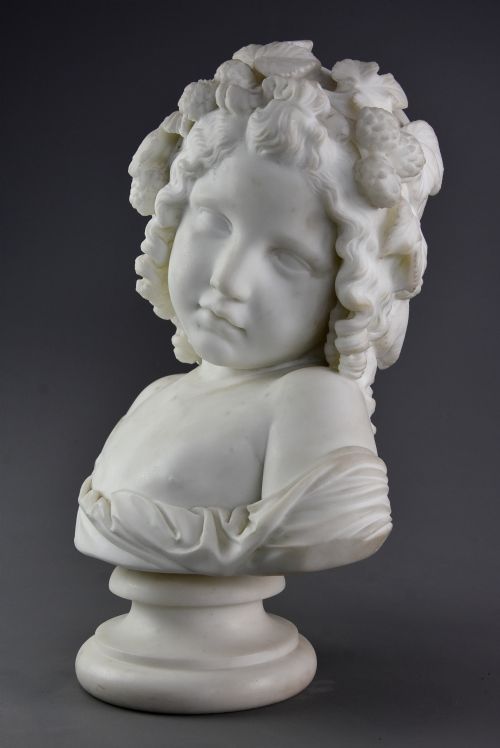
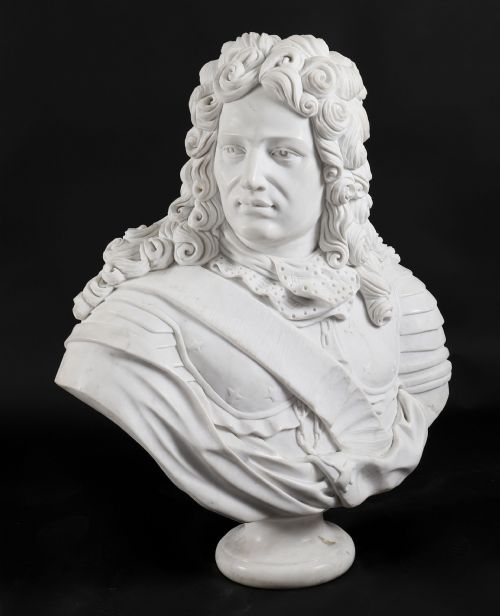
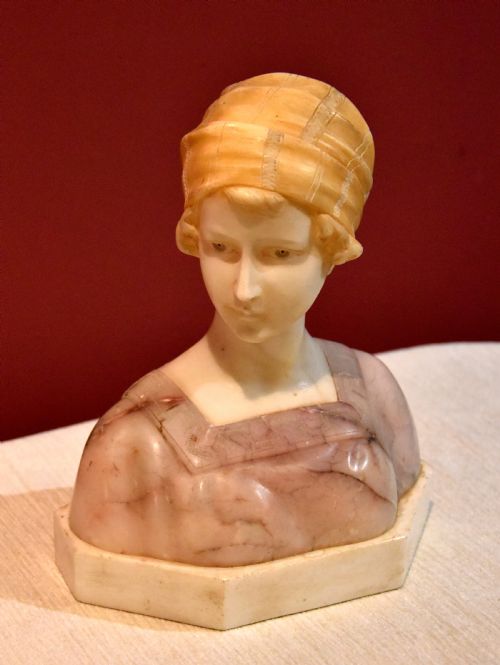
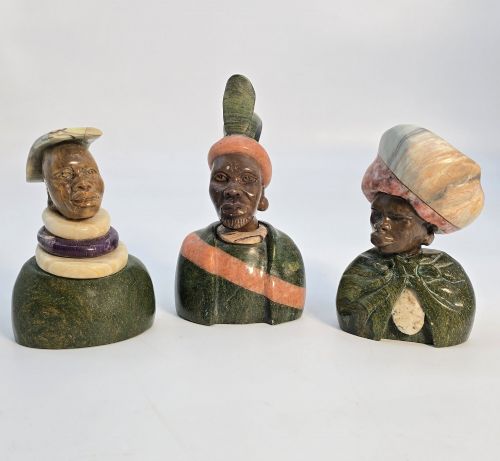
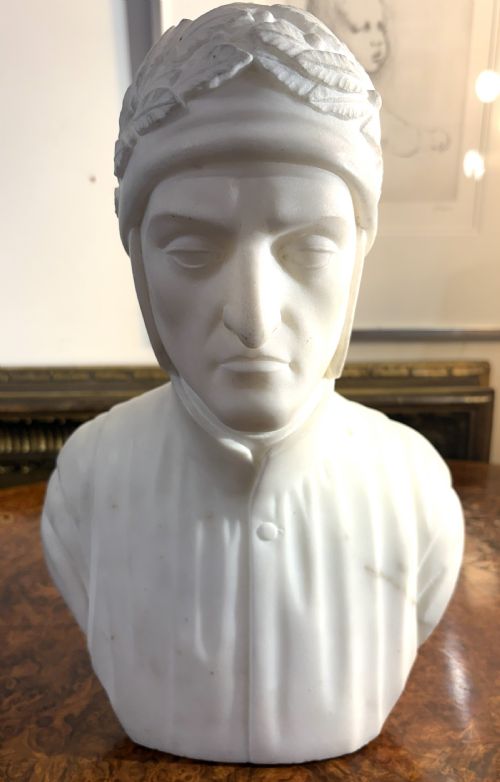
A carved stone portrait bust presents the head, shoulders and upper chest of a subject rendered in marble, alabaster or general stone. When you search for a carved stone portrait bust, you encounter works ranging from diminutive library figures to monumental civic sculptures.
Nineteenth-century examples dominate the selection, spanning Neoclassical depictions of classical muses, Roman emperors and identifiable historical figures alongside anonymous young women and children. French, Italian and English origins appear frequently across the inventory.
The assortment also encompasses specialised interpretations such as death masks and relief plaques, alongside related sculptural forms including pedestals and decorative bracelets incorporating carved stone elements.
Materials and methods
Sculptors utilised fine-grained white Carrara marble, variegated alabaster and denser stones, often working from live models, death masks or classical precedents. The material is laboriously shaped with chisels, rasps and abrasive powders to achieve smooth flesh tones and crisp drapery.
Signatures, dates and inscriptions are occasionally incised directly into the reverse or plinth, while some pieces combine mixed marbles or integrate metal elements such as brass to render specific costume details like armour.
Listings feature materials spanning Carrara marble, alabaster and various stones, alongside works executed in wood and brass.
Distinctions in execution
The distinction between ordinary and exceptional works lies in the subtlety of anatomical rendering and the treatment of surface textures. Superior examples capture the softness of hair, the tension of musculature and the translucent quality of alabaster or fine marble.
Named makers and signed pieces demonstrate higher sculptural ambition, while anonymous workshop productions vary according to the depth of undercut in the carving and the fidelity of the expression.
Houdon·J Francis·Auguste Henri Carli·John Wenlock Rollins·Mieczyslaw Leon Zawiejski
The Carved Stone Portrait Bust Glossary
- Carrara marble
- A type of white or blue-grey marble from the city of Carrara in Tuscany, prized by sculptors for its fine and uniform grain.
- Alabaster
- A soft mineral stone, typically white or translucent, used extensively for Victorian and early twentieth-century portrait sculpture.
- Neoclassical
- A style dating from the eighteenth and nineteenth centuries that draws inspiration from the art and culture of classical antiquity.
- Death mask
- A likeness taken of a deceased person's face by casting plaster or wax, which sometimes serves as the direct basis for a carved portrait bust.
- Library bust
- A smaller-scale sculptural bust designed to sit upon a bookshelf or desk, often depicting a famous literary, historical or philosophical figure.
Carved Stone Portrait Bust: Frequently Asked Questions
How do I clean a marble bust?
Dust the surface regularly with a soft, dry cloth to prevent particulate accumulation in the crevices of the carving.
Avoid using water, soap or chemical solvents on unsealed stone, as porous materials absorb moisture and stain easily.
Where should I display a bust?
Place the sculpture on a sturdy surface such as a mantelpiece, console table or dedicated pedestal where it receives stable indirect light.
Ensure the location protects the heavy stone from accidental knocks and high humidity.
Are all these busts antique?
The selection spans multiple centuries, with a strong concentration of nineteenth-century and early twentieth-century examples.
Individual listings provide specific period attributions ranging from seventeenth-century works to mid-twentieth-century pieces.
How can I identify the subject?
Many sculptures include incised names, signatures or historical titles on the reverse, base or plinth.
Depictions of mythological figures, Roman emperors or literary personalities often rely on recognizable attributes like laurel wreaths or contemporary dress.