



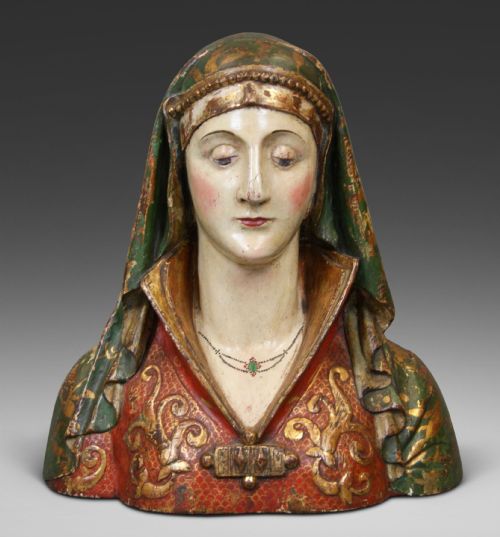


18th Century Busts
These 18th century busts are carved wooden, marble, and painted likenesses that bring immediate historic presence into a room.
18th Century Busts
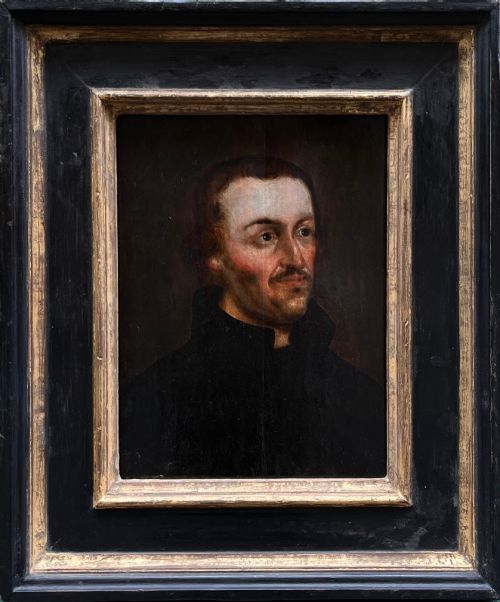
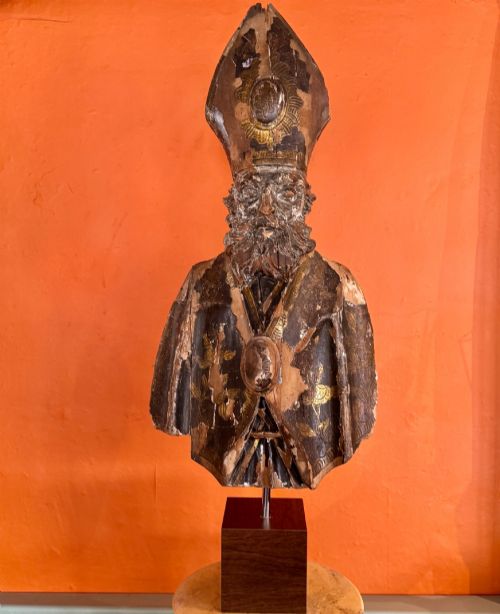
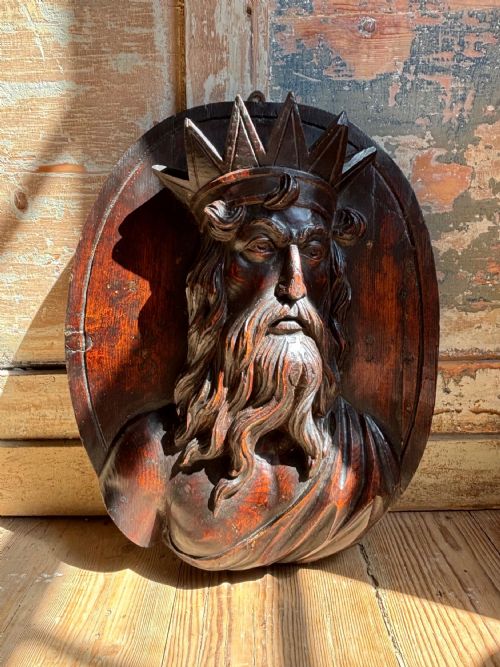
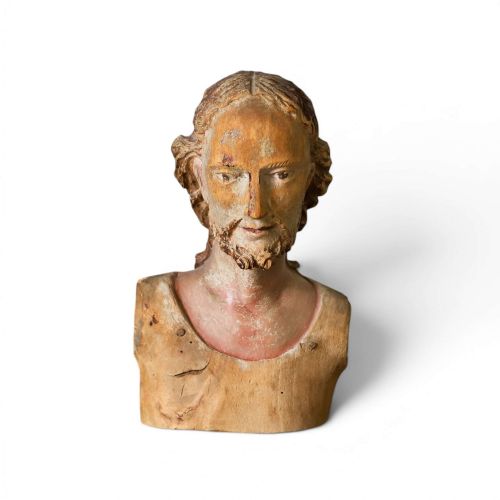
When you search for 18th century busts, you encounter a striking mixture of ecclesiastical wood carvings, classical marble portraits, and oil paintings representing historical and religious figures.
The objects on this page range from Italian baroque bishops and Spanish saints to Grand Tour marble cameos and Georgian portrait miniatures.
Wooden sculptures dominate the selection, frequently finished with polychrome paint, gesso, or gold leaf to heighten their theatricality.
Materials and construction
Carvers shaped these pieces primarily from dense woods such as olive, walnut, and ebonised timber, applying polychrome pigments directly onto the carved surfaces.
Marble examples utilise precise chisel work to capture the smooth musculature and drapery characteristic of Neoclassical and Italian traditions.
Secondary decorative treatments include applied gesso and gold leaf to accent the garments and ecclesiastical vestments of saints and bishops.
18th Century Busts Retail Price Guide 2026
Typical asking prices for 18th century busts among the pieces listed under this phrase on Sellingantiques today, from the lower quarter to the upper quarter. They describe what is for sale here now, not the wider market.
Philosophers share shelf space with bishops and Roman emperors.
Evaluating quality and execution
Quality rests entirely in the anatomical conviction of the carving and the subtlety of the surface polychromy or marble polish.
The preservation of original painted surfaces and gilding significantly elevates the visual power of wooden and gessoed items.
Lemuel Francis Abbott·Sir Joshua Reynolds
The 18th Century Busts Glossary
- Polychrome
- Painted in several colours. This finish appears frequently on wooden religious sculptures and saints.
- Gesso
- A plaster mixture applied to wood as a base for paint or gilding. It provides a smooth ground for intricate detailing.
- Ecclesiastical
- Relating to the Christian Church or clergy. Many wooden busts depict bishops, saints, and religious figures.
- Cameo
- A method of carving an object such as a engraved gem or piece of glass. Roman emperors appear frequently in this format.
- Baroque
- An ornate artistic style prevalent during the seventeenth and eighteenth centuries. It emphasises dramatic movement and tension.
18th Century Busts: Frequently Asked Questions
What materials are used?
The pieces utilise carved wood, marble, oil on canvas, gesso, and gold leaf. Many wooden sculptures feature polychrome paint.
Marble appears in Grand Tour souvenirs and philosophical portraits, while wood dominates the ecclesiastical and religious figures.
Where did these originate?
Origins span across Italy, Spain, Russia, and England. Italian and Spanish workshops contributed many of the polychrome wooden saints and bishops.
English and European schools are represented through oil paintings, portrait miniatures, and Georgian glass paste cameos.
How were they displayed?
Ecclesiastical carvings originally served devotional purposes within churches and private chapels. Marble and wood sculptures functioned as decorative display objects in studies and libraries.
Oil paintings and relief plaques were hung on walls or integrated into architectural wood panelling.
How do I care for wooden busts?
Keep wooden and polychrome items away from direct sunlight and dramatic humidity shifts. Dust gently with a dry, soft cloth.
Avoid applying liquid cleaners to painted or gilded surfaces to protect the original historic finish.