
Antique Library Lounge Chair
An antique library lounge chair brings deep-seated comfort and architectural presence to a room, offering a sturdy yet inviting seat for reading.
Antique Library Lounge Chair
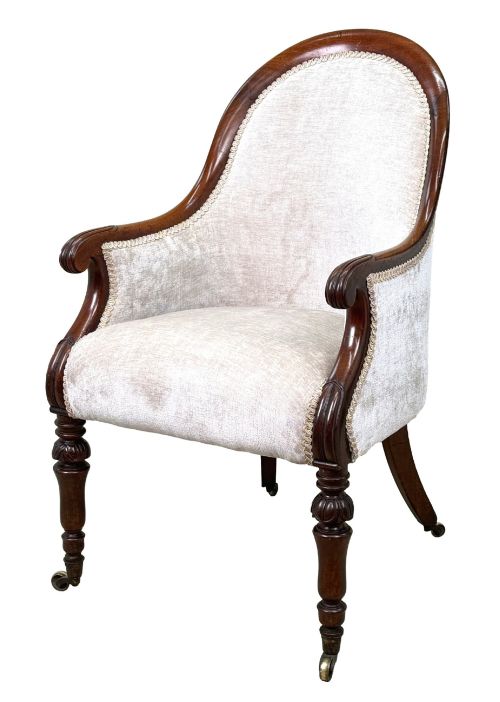
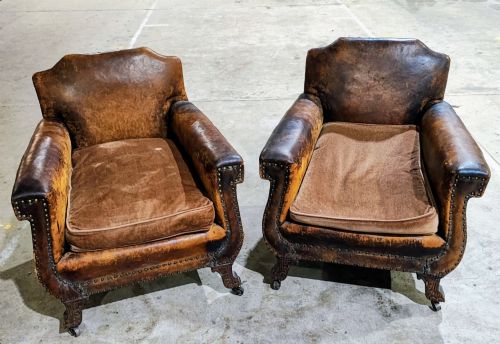
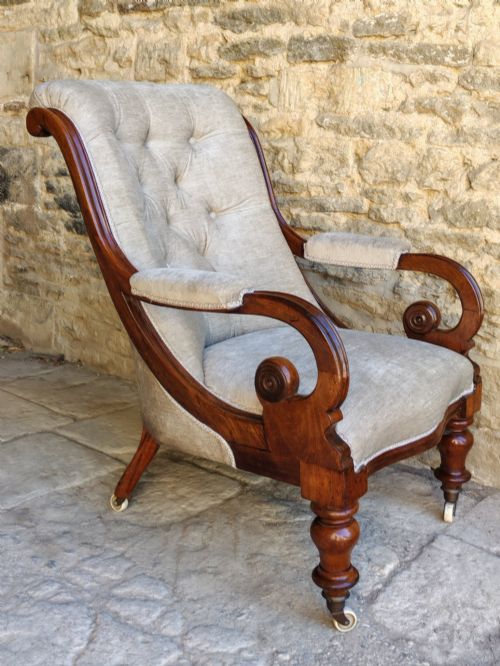
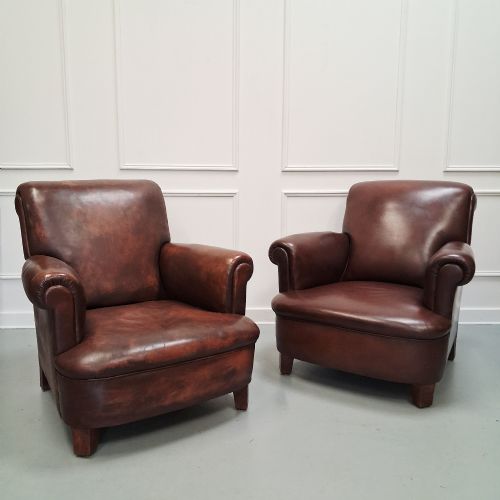
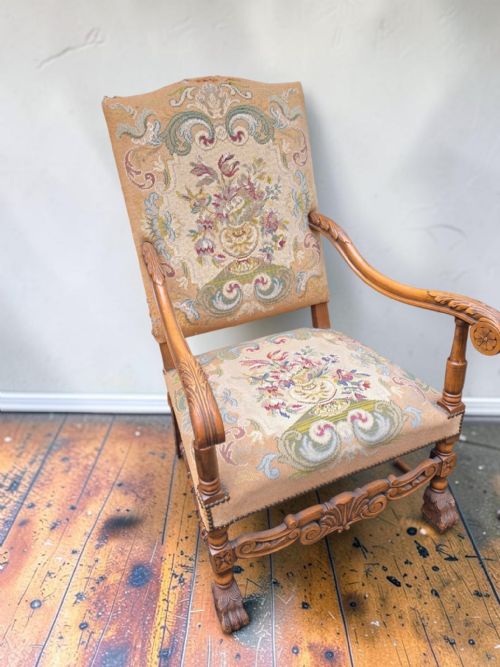
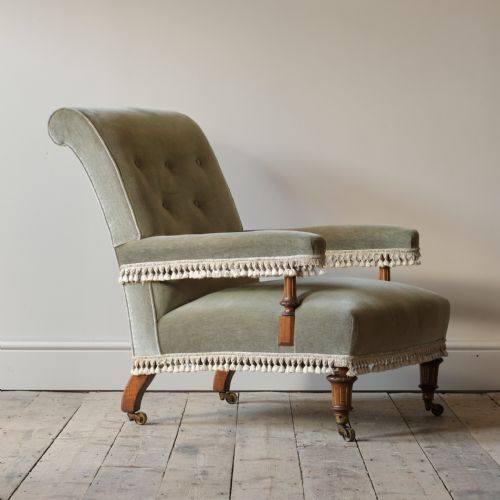
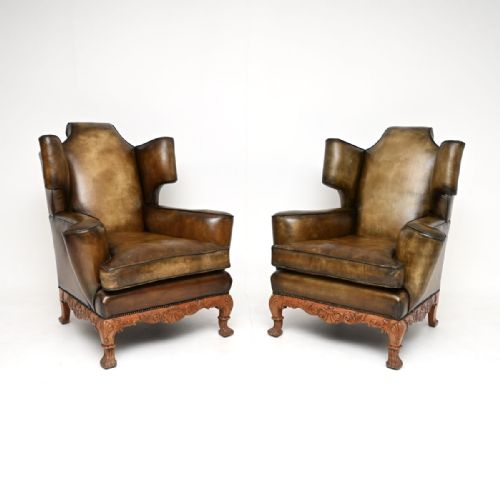
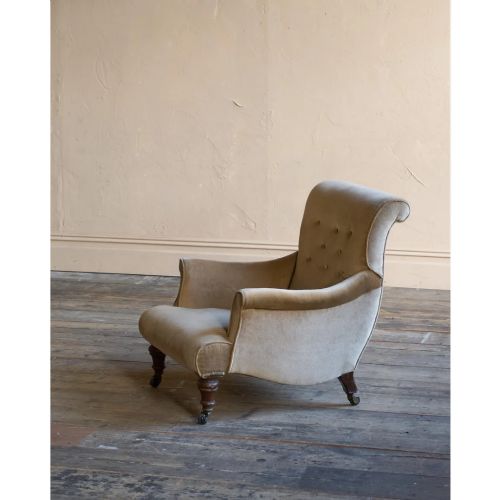
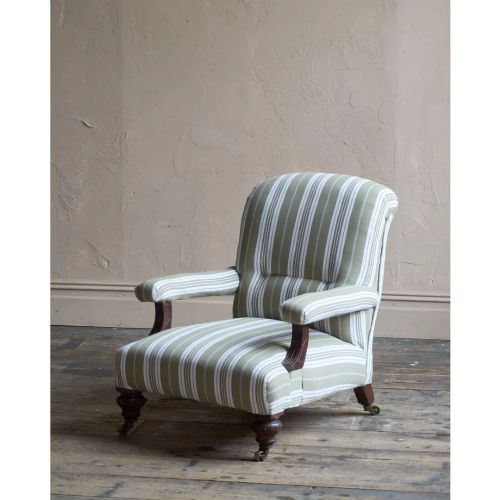
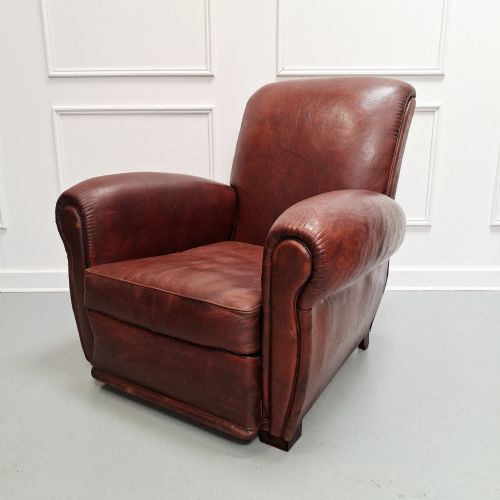
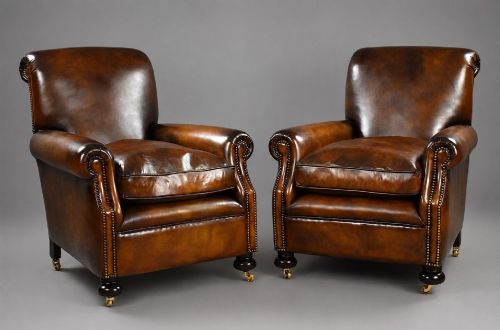
An antique library lounge chair encompasses heavy timber frames, deep upholstery, and supportive armrests designed for long hours of reading or relaxation in domestic studies. The selection spans the nineteenth century through the Edwardian period and into the nineteen-thirties, with Victorian mahogany, walnut, and oak examples appearing frequently alongside leather club chairs.
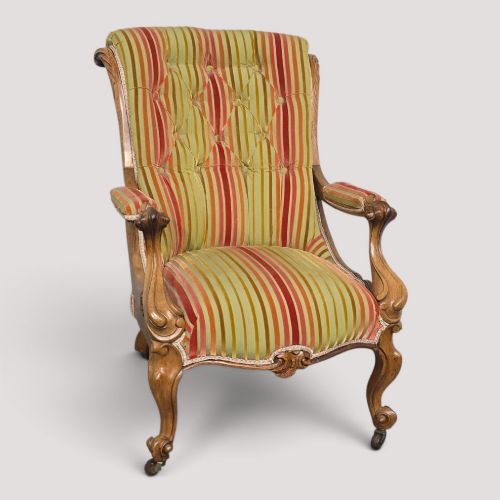
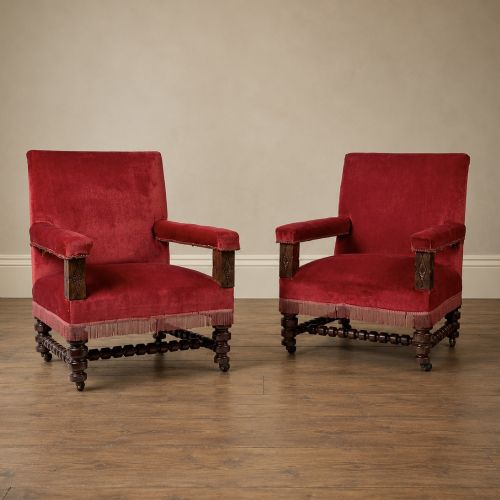
Makers such as Gillows, Howard and Sons, and Hindley and Sons contributed to this tradition, producing both formal open armchairs and substantial gentleman's chairs. Buyers regularly encounter pieces finished in red velvet, tapestry, and buttoned leather, reflecting the varied domestic tastes of the Victorian and Edwardian eras.
How they were made
Carpenters constructed these frames from solid hardwoods like mahogany, walnut, oak, and rosewood, employing traditional joinery to ensure stability under heavy daily use. Brass castors frequently facilitated movement across heavy carpets, while carved details on arms and legs demonstrated the cabinetmaker's skill.
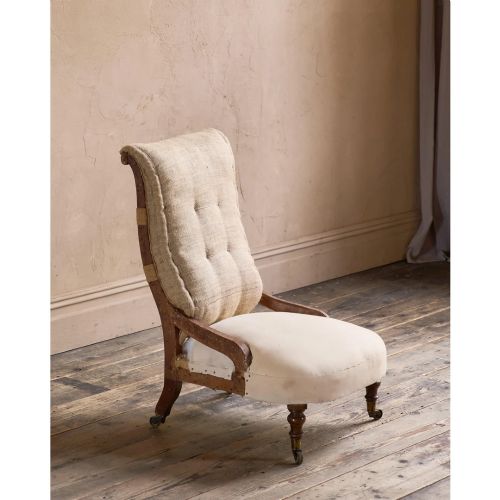
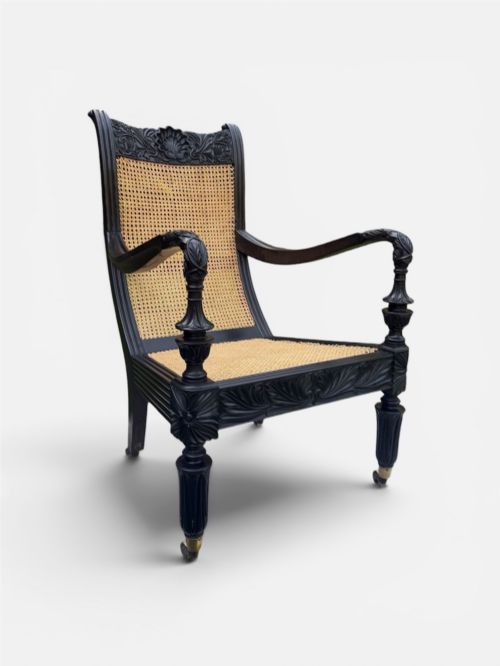
Upholsterers built deep seats using durable internal webbing, horsehair stuffing, and springs before applying top coverings of leather, velvet, fabric, or tapestry. Bergère models incorporated tightly woven cane panels into the frame, balancing structural firmness with breathable seating surfaces.
Period spans represented include the Regency era, the Victorian nineteenth century, the Edwardian period, and the nineteen-thirties.
What varies in quality
The distinction between ordinary and exceptional pieces rests on the weight of the timber and the crispness of any carved ornamentation. Heavier, denser woods and well-proportioned frames provide greater structural integrity that survives centuries of use without loosening.
Upholstery technique and the selection of covering materials also dictate a piece's standing, as finely stitched leather and tight cane work require advanced craftsmanship. Workshop attribution to known makers like Gillows or Howard and Sons elevates a chair through documented provenance and superior framing.
Gillows·Howard and Sons·Hindley and Sons
The Antique Library Lounge Chair Glossary
- Bergere
- An upholstered armchair with enclosed sides, typically featuring cane work panels set within a wooden frame. This French-inspired form became popular in English homes during the nineteenth century.
- Tub armchair
- A comfortable chair featuring a rounded, enclosed back and arms that form a single continuous curved structure. This shape wraps around the sitter for added warmth and support.
- Gentleman's chair
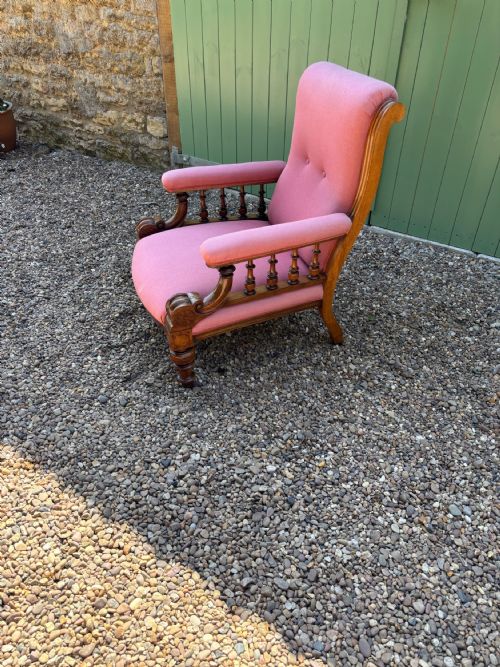
- A padded Victorian armchair with a lower seat and an open padded back designed for comfortable relaxation. These chairs often feature carved wooden frames and rich upholstery.
- Campaign chair
- A portable folding chair constructed for travel and military use during the nineteenth century. These pieces combine clever mechanical joints with sturdy timber and leather.
- Wingback armchair
- A high-backed chair featuring protective side panels designed to shield the occupant from drafts. These substantial seats remain popular library and fireside furnishings.
Antique Library Lounge Chair: Frequently Asked Questions
How do I identify a library chair?
These armchairs are characterised by robust wooden frames, deep seats, and sturdy armrests designed for prolonged reading in a study or library. They often incorporate supportive wingbacks, low profiles, or adjustable elements.
Look for heavy hardwoods such as mahogany, walnut, or oak, combined with durable upholstery like leather, velvet, or heavy tapestry. Their proportions prioritise sustained physical comfort over delicate drawing room elegance.
Are these chairs comfortable for daily use?
Nineteenth and early twentieth-century lounge chairs were built with durable internal webbing, springs, and horsehair stuffing designed for continuous seating. Many feature deep seats and padded arms that offer substantial physical support.
Their ergonomic design makes them well-suited for modern living spaces, provided the internal webbing and padding remain firm and intact.
How do I distinguish Victorian from Edwardian chairs?
Victorian examples generally feature heavier carved timber frames, dark hardwoods like mahogany or walnut, and rich coverings such as red velvet, tapestry, or buttoned leather. Their forms tend to be substantial and ornate.
Edwardian pieces often display lighter woods, simpler silhouettes, and softer fabric upholstery reflecting a shift toward domestic comfort. French-influenced club chairs from the nineteen-thirties offer a streamlined alternative.
What is a bergere armchair?
A bergere is an upholstered armchair distinguished by cane panels woven directly into the wooden frame of the back and sides. This style provides a lighter visual presence while maintaining structural support.
Originating in France, these chairs appeared in English drawing rooms and libraries throughout the nineteenth century, paired with mahogany or walnut frames.