
Antique Library Glass
Antique library glass brings together glazed bookcases and optical aids designed to house and read serious books.
Antique Library Glass
When you search for antique library glass, you encounter large glazed bookcases, breakfront cabinets, and smaller desk accessories like magnifying glasses intended for reading. The Victorian and Edwardian periods supply the majority of these pieces, alongside Regency and 19th-century examples.
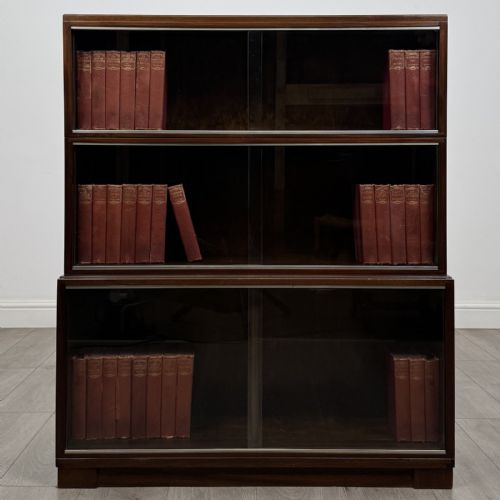
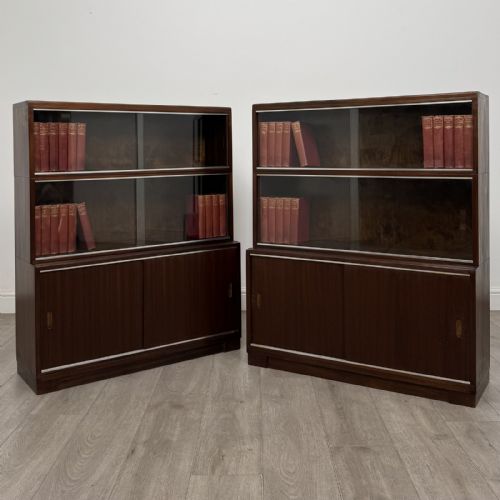
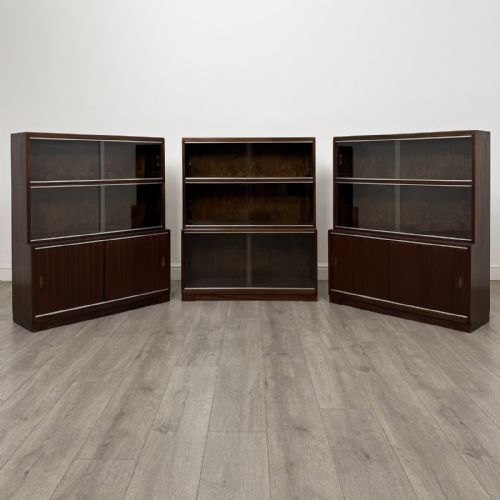
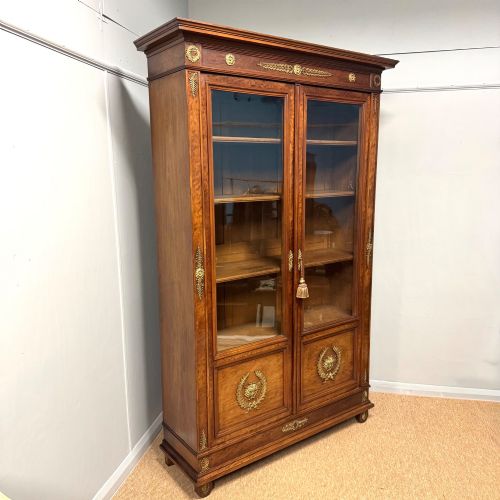
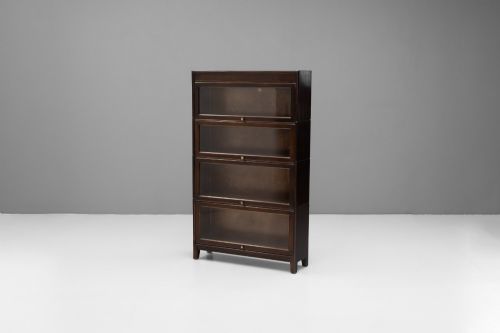
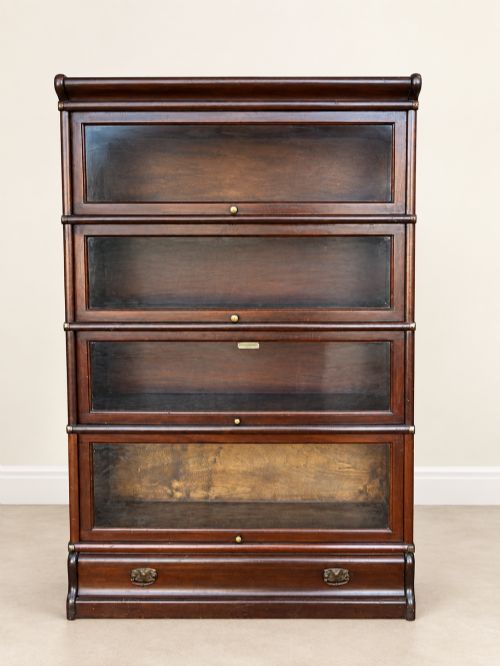
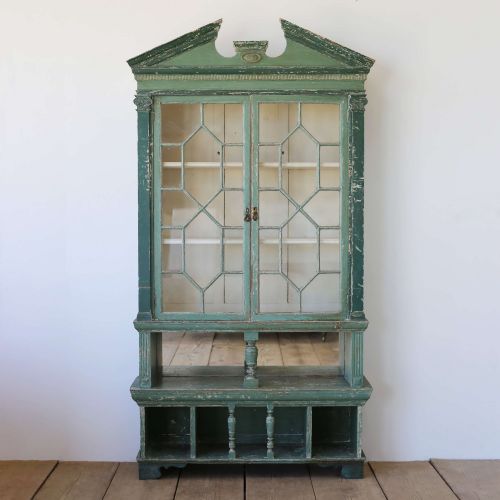
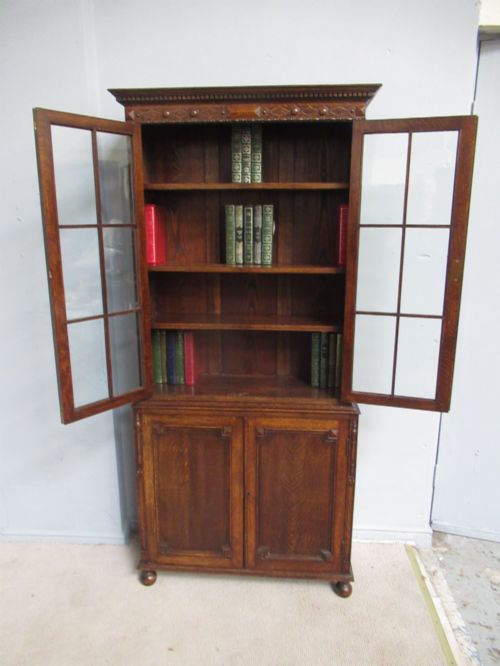
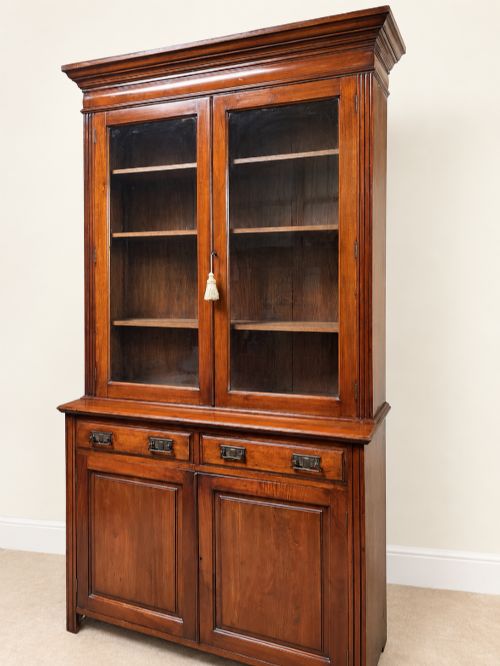
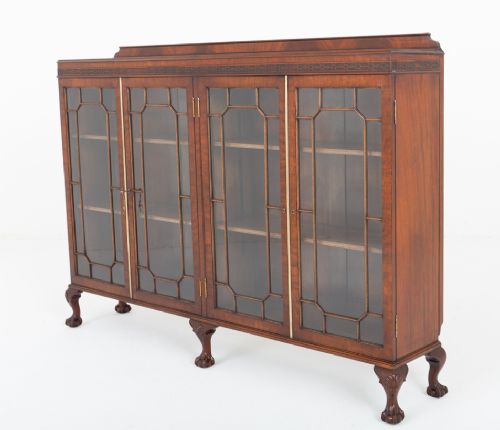
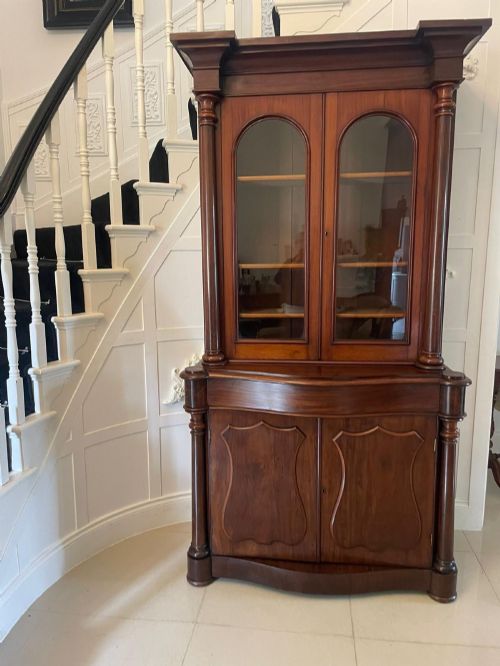
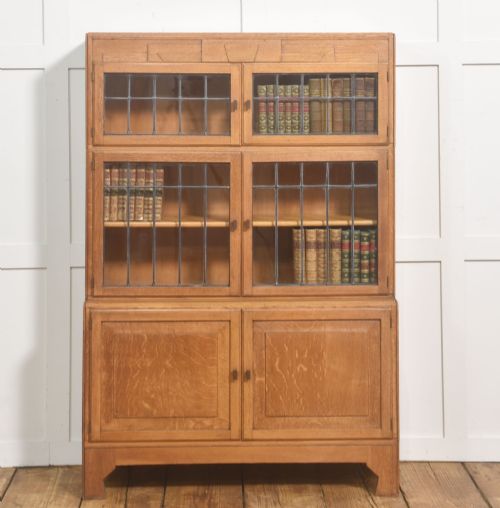
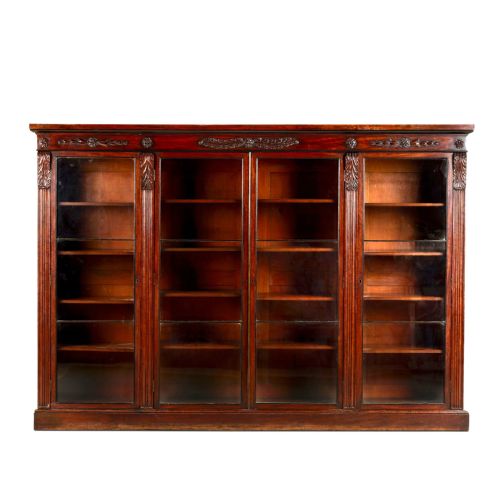
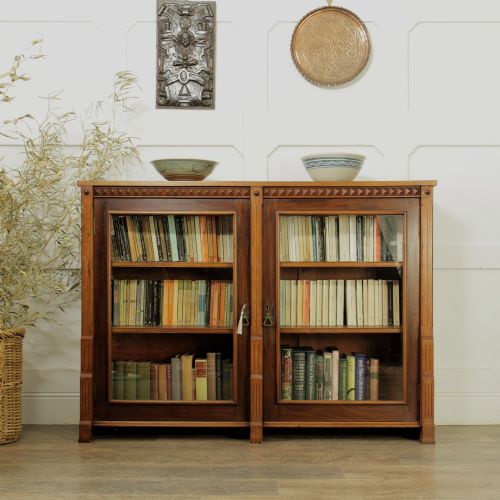
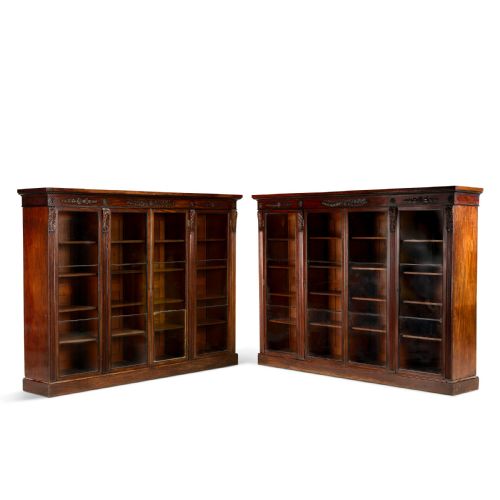
The most common form on this page is the glazed bookcase, often constructed in mahogany, oak, or walnut with multiple adjustable shelves. Sectional stacking bookcases and tall double-door cabinets dominate the selection, keeping volumes visible yet protected from dust.
Beyond cabinetry, the category encompasses specific library aids such as silver-plated magnifiers used for close inspection of text and maps. These items serve the practical needs of a traditional study or home library.
Materials and construction methods
Makers utilised solid timbers like mahogany, oak, walnut, and pine for the carcasses of these cabinets, frequently pairing them with transparent glass panes for the doors. Brass hardware, lead, and ormolu often provide structural accents or decorative mounts on period pieces.
Glazing techniques involve fitted window panes secured within wooden frames or lead cames, allowing clear visibility of book spines inside. Sectional barrister designs employ specialised stacking mechanisms that lift and slide the glass panels upward into the cabinet.
Distinctions in craftsmanship
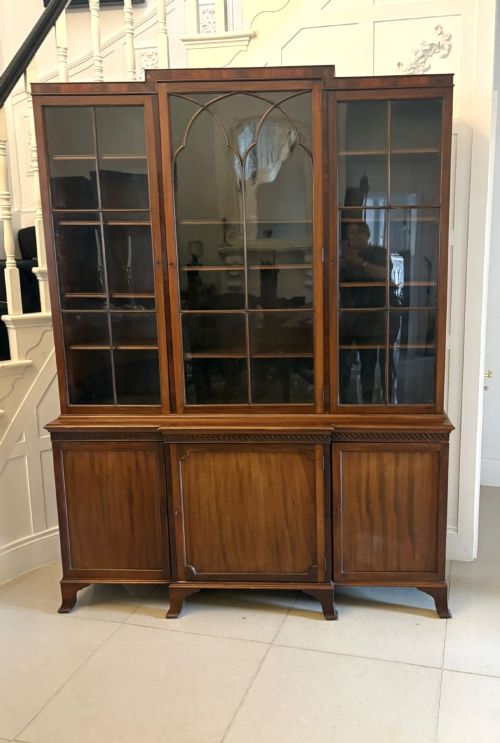
The standard of timber selection largely defines the category, with figured mahogany and finely grained walnut representing finer production than plain pine or standard oak. Cabinetmakers who incorporated detailed inlay work, breakfront cornices, and balanced proportions achieved a superior visual presence.
Mechanisms also separate standard utility items from better workshops, particularly in the smooth operation of stacking sectional doors or the precise fit of adjustable shelving tracks. Original glass panes with historical bubbles or minor surface irregularities add authenticity compared to modern replacements.
Gunn Furniture·Globe Wernicke·Lebus·Wylie and Lochhead
The Antique Library Glass Glossary
- Breakfront
- A large cabinet design where the central section projects forward from the flanking wings. This classical arrangement creates depth and visual weight in a large library room.
- Globe Wernicke
- A patented sectional barrister bookcase system comprising stacking tiers with glass doors that lift and slide inside. This modular format allows units to be stacked incrementally.
- Glazed
- Fitted with transparent glass panels to enclose shelving space. This technique protects books from dust while maintaining full visibility of bindings.
- Ormolu
- Gilded bronze or brass applied as decorative mountings on furniture. It is frequently found on French Empire and revival pieces.
- Sectional
- Built in modular tiers or sections that can be stacked or separated. This format became popular for flexible office and library storage.
Antique Library Glass: Frequently Asked Questions
What is an antique library glass bookcase?
An antique library glass bookcase is a wooden cabinet featuring transparent glass doors designed to store and display books. These pieces typically date from the Victorian, Edwardian, and Regency eras.
They serve to protect valuable volumes from dust and environmental wear while keeping titles visible for everyday study.
What woods were used for library cabinets?
Cabinetmakers primarily used mahogany, oak, walnut, and pine to construct these large library pieces. Richly figured veneers were frequently applied to drawer fronts and door panels.
Secondary woods like pine were often utilised for internal shelving and carcass backs where visibility was limited.
How do I care for antique glass cabinets?
Care involves maintaining stable room humidity to prevent timber warping and glass mounting stress. Regular dusting with a soft cloth keeps the wooden surfaces and lead or wooden glazing bars clean.
Avoid harsh chemical cleaners on old glass and polished wood to preserve the original finish.