



Antique Letter Rack Holder
An antique letter rack holder brings orderly charm to a desk, holding correspondence in brass, silver, mahogany, or oak.
Antique Letter Rack Holder
An antique letter rack holder is a desk accessory designed to keep correspondence, papers, and envelopes neatly separated and accessible. These pieces appear frequently in Victorian, Edwardian, and Regency periods, reflecting the heavy correspondence of past eras.
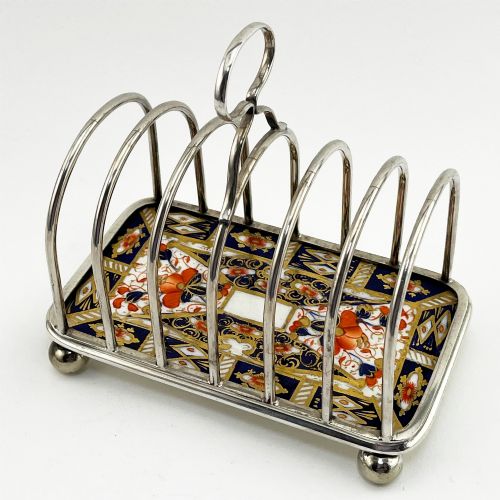
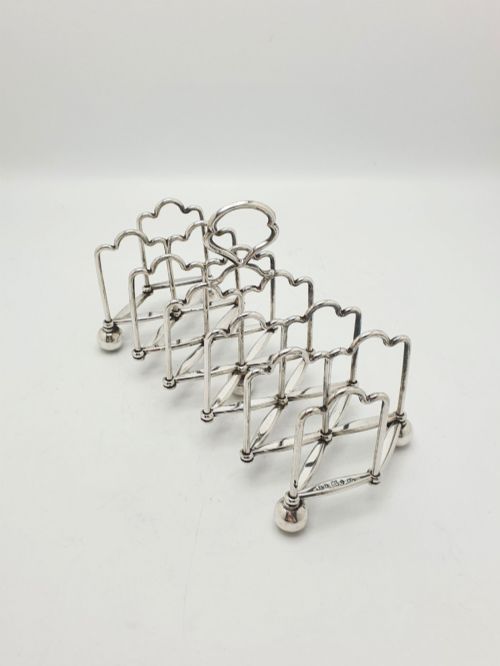
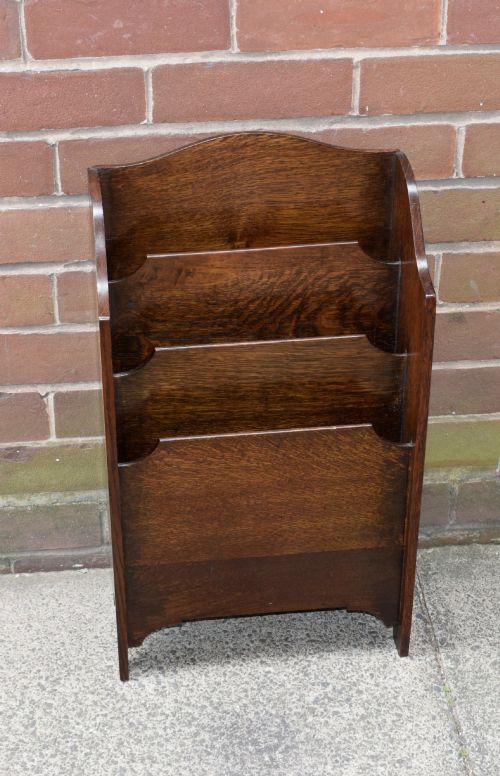
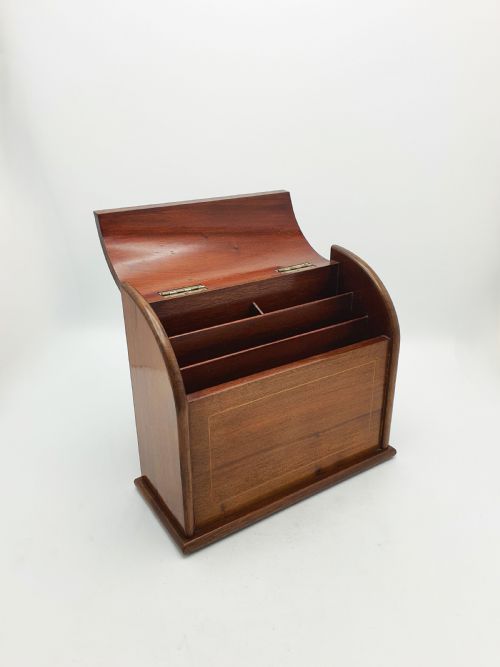
Buyers will encounter various forms on this page, ranging from tabletop mahogany desk tidies and brass wall pockets to expanding silver plated designs. Many pieces combine functions, serving as stationery holders, desk sets, or compartments paired with oak and brass fittings.
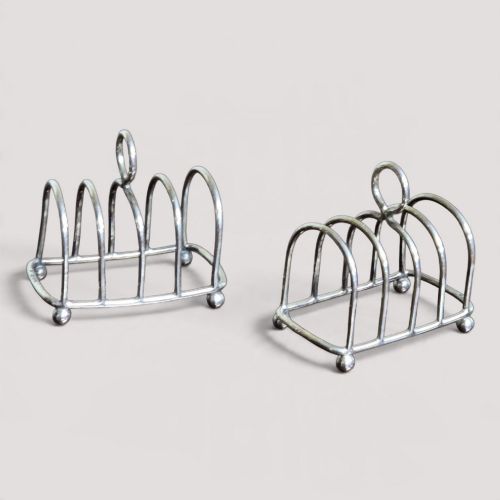
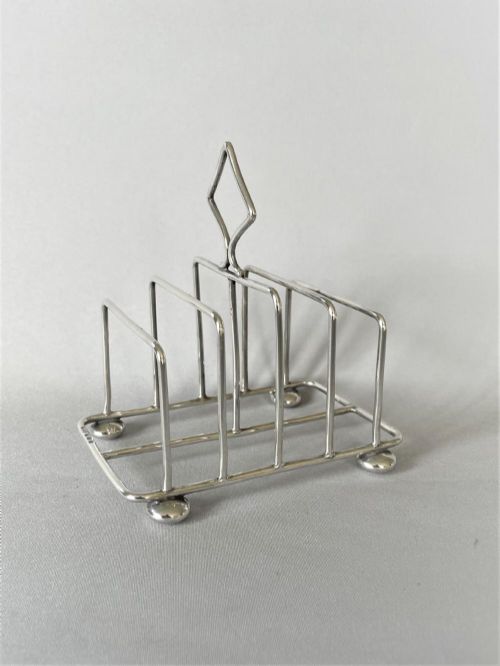
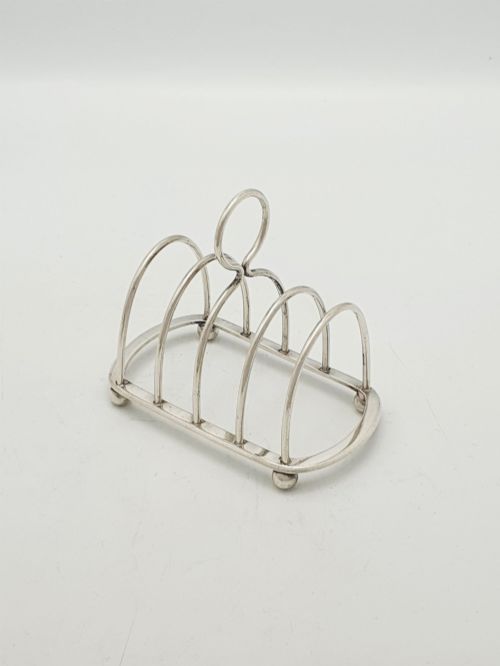
Makers utilised durable metals and rich timbers to construct these desktop organisers, ensuring they survived years of daily office or domestic use. Whether formed as a simple fan-shaped wire frame or an ornate cast brass architectural holder, each item solves the persistent problem of paper management.
How They Were Made
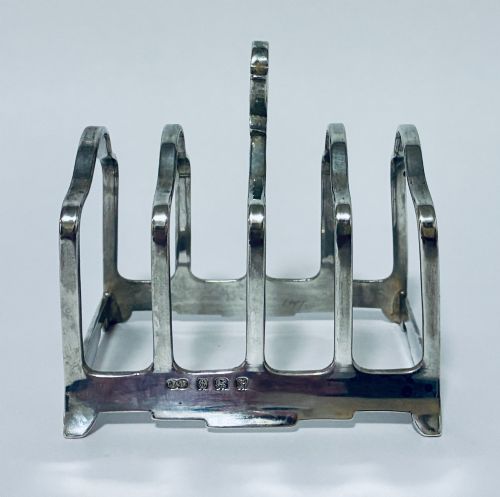
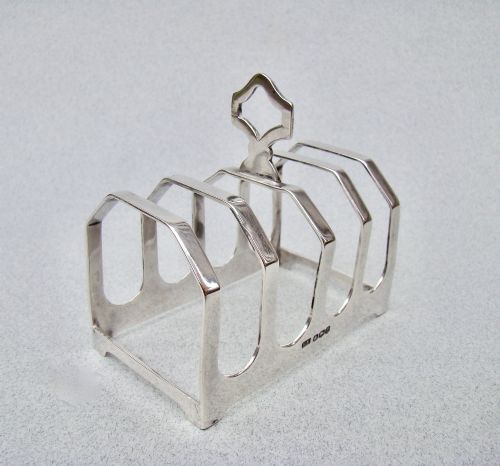
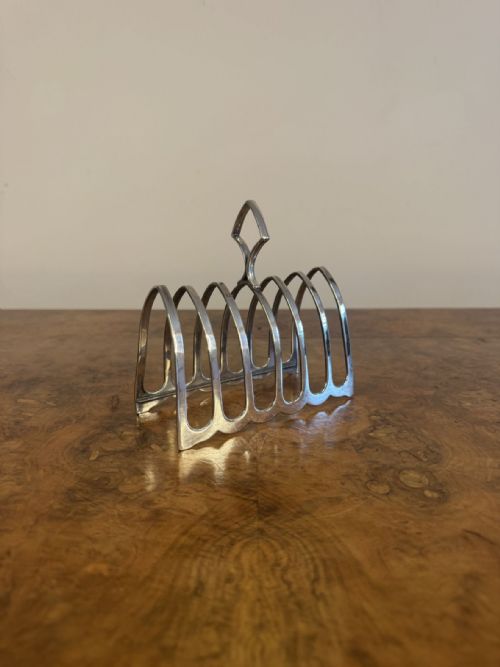
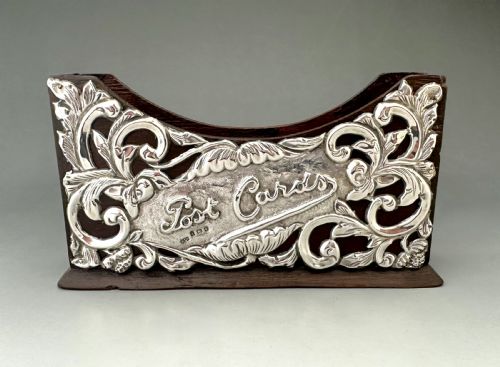
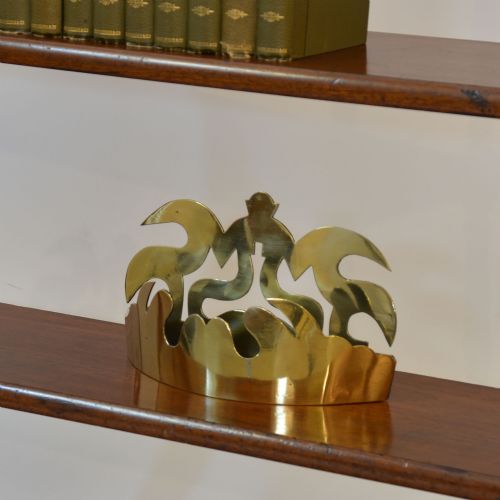
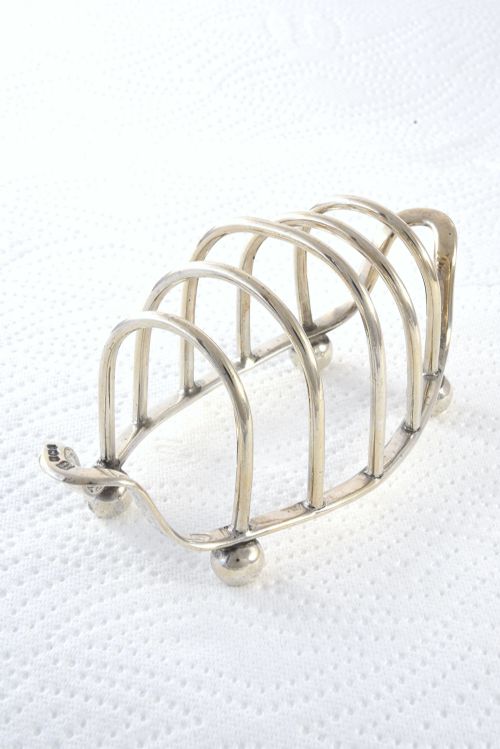
Metals such as brass, silver plate, and sterling silver were cast, stamped, or soldered to create rigid partitions for dividing letters and toast. Craftsmen often polished or gilded these metal surfaces, adding decorative motifs such as cherubs, dolphins, and floral filigree.
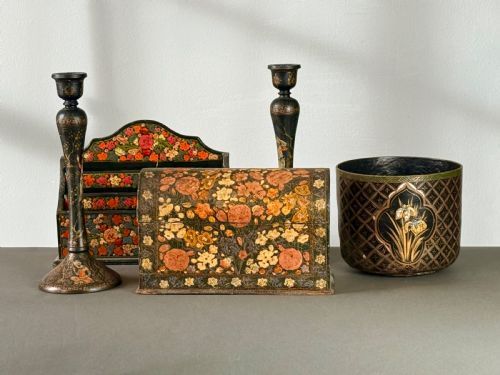
Cabinetmakers worked with timbers like oak, walnut, and mahogany, employing dovetail joints and inlaid details to build sturdy stationery boxes and desk tidies. Papier-mâché and lacquer were also shaped into wall pockets, featuring hand-painted designs or inlaid pearl accents.
Antique Letter Rack Holder Retail Price Guide 2026
Typical asking prices for letter rack holder among the pieces listed under this phrase on Sellingantiques today, from the lower quarter to the upper quarter. They describe what is for sale here now, not the wider market.
Several novelty letter holders take the sporting shape of cricket wickets, golf clubs, and equestrian stirrups.
What Varies in Quality
The standard of craftsmanship shows in the crispness of casting for brass and ormolu pieces, where sharper relief work and defined chasing distinguish better examples from softer, mass-produced items. Joinery in wooden desk tidies reveals the maker's hand through tight, flush fits and carefully matched grain on hinged lids and sloping partitions.
Elkington·Mappin and Webb·Martin Hall·Padley, Parkin and Staniforth
The Antique Letter Rack Holder Glossary
- Desk Tidy
- A compartmented desktop tray or stand used for organising stationery, inkwells, and letters. These accessories keep writing materials sorted within easy reach.
- Wall Pocket
- A hanging receptacle designed to hold letters or newspapers against a wall surface. They often feature a flat back and a curved front opening.
- Standish
- A traditional desk stand incorporating ink pots, pen holders, and letter slots. This heavier desk accessory forms a complete writing station.
- Ormolu
- Gilded bronze or brass applied to decorative desk furnishings during the nineteenth century. This technique provides a rich, bright gold finish.
- Tunbridge Ware
- Small wooden items decorated with microscopic mosaic tesserae forming geometric patterns. This intricate British woodworking technique is highly collectable.
Antique Letter Rack Holder: Frequently Asked Questions
What is an antique letter rack holder used for?
These desktop accessories were traditionally used to sort incoming and outgoing post, business papers, and personal stationery in studies and offices.
Today, they serve the same practical function for modern mail while adding period character to a desk, mantlepiece, or hallway console.
How do I clean brass and silver holders?
Metal letter racks benefit from gentle dusting with a soft cloth to prevent grime build-up in the detailed recesses of cast brass or wirework frames.
Harsh chemical polishes should be avoided on antique silver plate and gilded surfaces to preserve the original patina and thin metal plating.
Are wooden letter racks durable for daily use?
Solid timber frames made from oak, mahogany, or walnut offer robust construction that easily withstands everyday handling of modern envelopes and papers.
Keeping wooden pieces away from direct heat sources prevents the joints from drying out and protects inlaid decorative details.
How can I tell a Victorian rack from an Edwardian one?
Victorian pieces frequently display heavier, more ornate ornamentation such as Rococo Revival scrolls, deep cast brass cherubs, or dark walnut and mahogany.
Edwardian designs tend to favour lighter oak frames, simpler Arts and Crafts copper work, or refined mahogany with subtle inlaid stringing.