



Antique Letter Plate
An antique letter plate brings tactile history to a doorway, combining solid metalwork and period character for daily use.
Antique Letter Plate
The term antique letter plate covers architectural door hardware designed to receive post, alongside related desk items like letter openers and letter racks that share similar period manufacturing. Buyers browsing this selection encounter heavy brass and bronze door fittings, often originating from the Victorian era with distinct pull handles and functional flaps.
Materials and construction methods
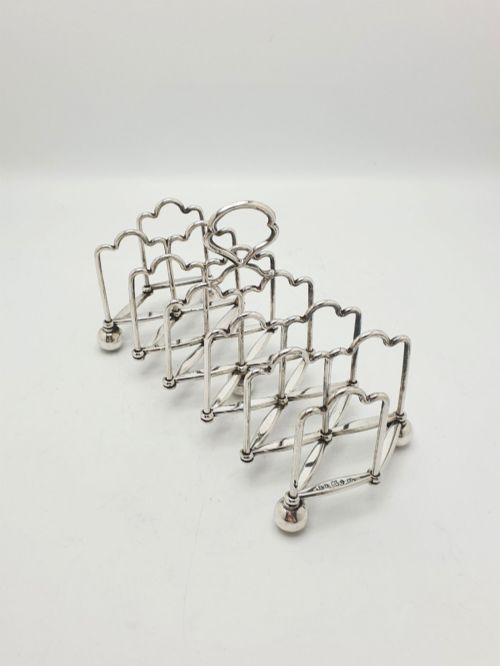
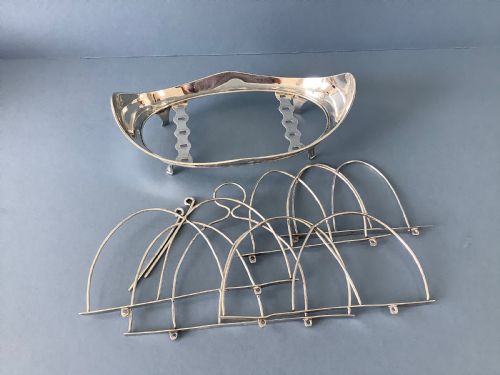
Makers utilised cast brass and bronze for durable architectural fittings, securing heavy door furniture with robust fixings designed to withstand daily handling. Electroplated nickel silver and standard silver plate appear frequently on tabletop pieces, applied over base metal or copper bodies.
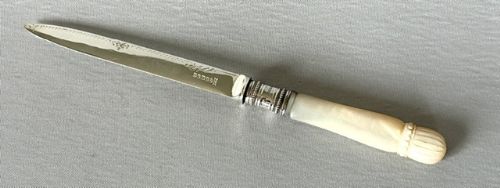
Organic elements such as mother-of-pearl, oak, horn, and ebonised wood complement the metal structures in openers and letter clips. Artisans combined these mixed materials using pins, mounts, and silver-plated heads to create contrasting textures.
Listings feature items from the Georgian, Victorian, and Edwardian periods, utilising brass, bronze, silver plate, oak, and mother-of-pearl.
Assessing quality and execution
Quality rests in the crispness of the casting and the weight of the metal utilised in the body, whether bronze, brass, or silver plate. Finer examples display clean lettering, well-defined hinge action, and robust mounting points that indicate superior workshop standards.
The integration of secondary materials like carved mother-of-pearl or fitted oak further separates standard production from superior pieces. Better items maintain secure joints between organic elements and metal mounts without loose fittings or excessive wear.
Elkington·Hukin & Heath·Padley, Parkin & Staniforth·Roberts & Belk·Atkin Brothers·Walker & Hall·Elkington & Co.
The Antique Letter Plate Glossary
- Electroplated nickel silver
- A base metal alloy coated with a layer of silver through an electrical process. This method provided a durable silver finish for metalware without the cost of solid silver.
- Base metal
- Any metal other than a precious metal, used as the primary structural body for silver-plated items. It forms the unseen core beneath the plated surface.
- Aesthetic Movement
- A late nineteenth-century design style focusing on visual and material beauty rather than narrative meaning. Pieces from this movement often incorporate stylized natural motifs and dark wood.
- Architectural hardware
- Functional metal fittings attached to buildings and doors, including plates, handles, and knockers. These items combined mechanical utility with period decorative design.
Antique Letter Plate: Frequently Asked Questions
How do I clean brass letter hardware?
Cleaning brass hardware requires a soft cloth and mild soapy water to remove surface dirt without disturbing the underlying metal. Avoid harsh chemical dips that strip away the aged patina built up over decades.
Preserving the natural oxidation maintains the historical character of the piece. A gentle dry polish with a non-abrasive cloth brings out the highlights on raised details.
Can I install an antique letter plate on a modern door?
Most antique letter plates fit standard modern exterior doors provided the dimensions and aperture alignments match the existing cutout. Measuring the backplate and fixing centres before purchase ensures a secure fit.
Care should be taken with vintage screw threads and fixings during installation. Consulting a professional joiner helps protect both the door and the hardware.
How do I date a Victorian letter plate?
Dating a Victorian letter plate involves examining the weight of the brass, the method of casting, and any registration marks stamped into the metal. Design motifs also offer clues to the specific decade of manufacture.
Heavier bronze examples often date to the mid-nineteenth century, while later Victorian pieces feature more stylised decorative borders. Maker marks, where present, help narrow the production window further.