



Silver Letter Plate
A silver letter plate brings domestic utility to the desk, uniting correspondence and desk furniture in solid metal.
Silver Letter Plate
When searching for a silver letter plate, collectors encounter desk accessories, stands, and combined toast and letter racks spanning the Victorian, Edwardian, and Georgian periods.
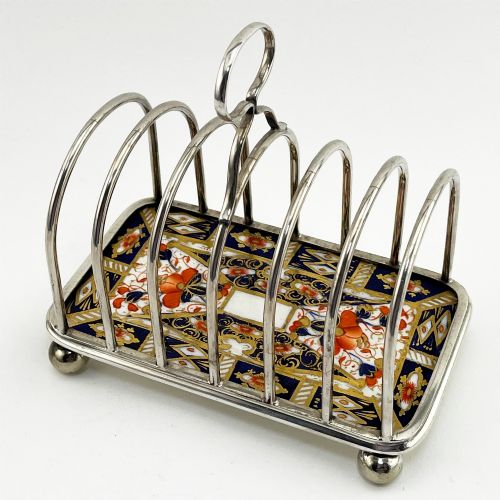
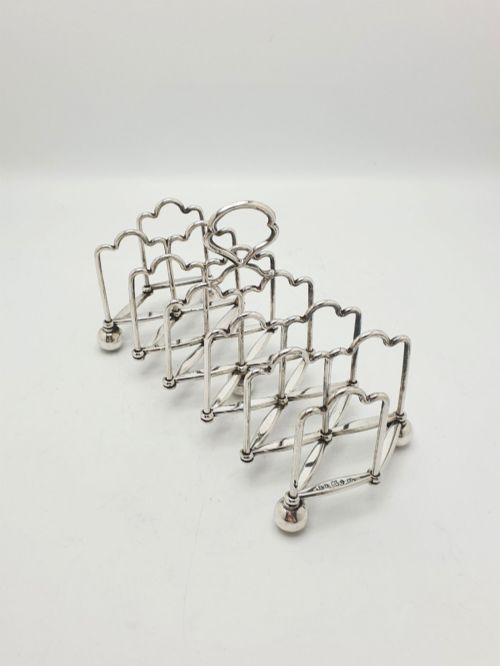
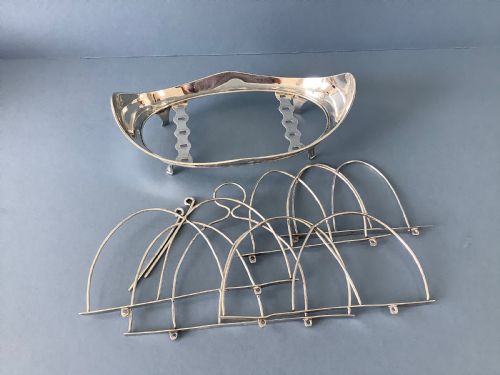
Many surviving pieces function as combined toast racks and letter holders, reflecting late nineteenth-century desk and breakfast table habits.
Formations range from simple trefoil wirework to novelty equestrian designs, lyre shapes, and fitted oak bases with silver plated fittings.
Materials and construction
Makers utilised base metals coated in silver plate, electroplated nickel silver, and solid silver, frequently mounting them on ebonised or solid oak timber bases.
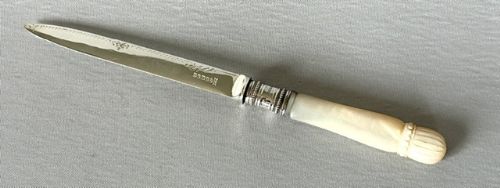
Details incorporate natural elements including mother-of-pearl, agate handles, horn, and ceramics like Royal Worcester porcelain alongside cast metal figures.
Desk accessories shaped as golf bags and riding stirrups ensured correspondence arrived with a sporting gallop.
Distinctions in manufacture
Quality rests upon the crispness of casting in figural elements, the weight and gauge of the metal used for bars or plates, and the intactness of the silver plating over the base metal.
Design complexity distinguishes standard production items from registered novelty pieces by prominent makers involving specialised applied materials.
Elkington and Co·Walker and Hall·Hukin and Heath·Roberts and Belk·Atkin Brothers
The Silver Letter Plate Glossary
- Silver plate
- A layer of silver fused or deposited onto a base metal such as copper or nickel brass. This technique allowed manufacturers to produce affordable domestic items with the appearance of solid silver.
- Electroplated nickel silver
- An alloy of copper, nickel, and zinc coated with silver through an electrolytic process. It gained widespread industrial use during the nineteenth century for durable tableware and desk accessories.
- Toast rack
- A table frame fitted with vertical metal divisions designed to hold slices of toast upright. In many Victorian desk pieces, the arched divisions served the dual purpose of holding letters.
- Ebonised wood
- Timber treated with chemical stains or black finishes to imitate ebony. It provided a dark, contrasting background for silver mounts on nineteenth-century desk objects.
Silver Letter Plate: Frequently Asked Questions
How do you date a silver plated letter rack?
Dating relies on registration numbers stamped into the metal, maker marks, and stylistic shifts between Georgian simplicity and Victorian ornamentation. Aesthetic Movement and Art Deco designs introduce distinct geometric or natural motifs.
Archival records and patent dates stamped on the base provide precise production years for many nineteenth-century items.
Are these pieces solid silver or plated?
The majority of pieces encountered are silver plated over a base metal, electroplated nickel silver, or copper core. Solid silver examples occur less frequently and usually feature distinct hallmarks.
Base metals beneath the plating commonly include brass or white metal alloys developed during the Victorian era.
What are novelty letter racks?
Novelty pieces incorporate sporting themes, such as golf clubs, horseshoes, stirrups, and riding crops, into the metal framework. Manufacturers also produced designs shaped as swans, hearts, or figures.
These whimsical objects reflect Victorian enthusiasm for playful household accessories and specialised desk furnishings.