

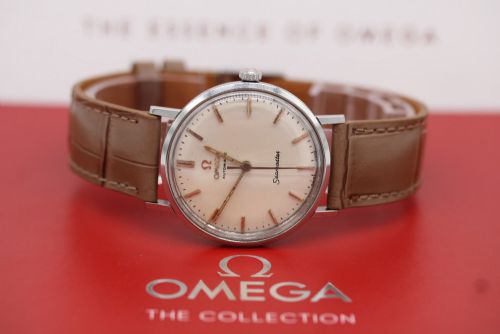
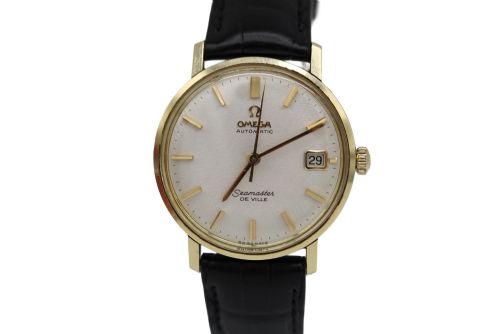
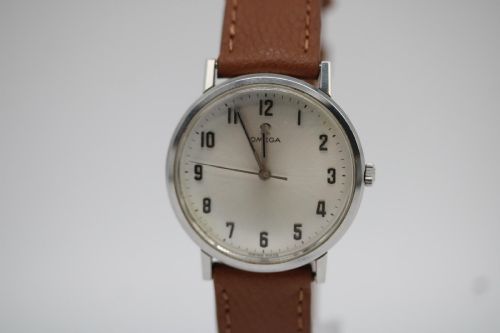

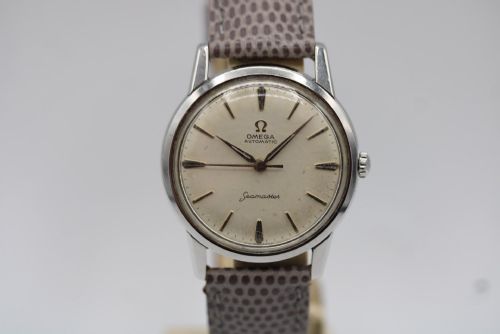


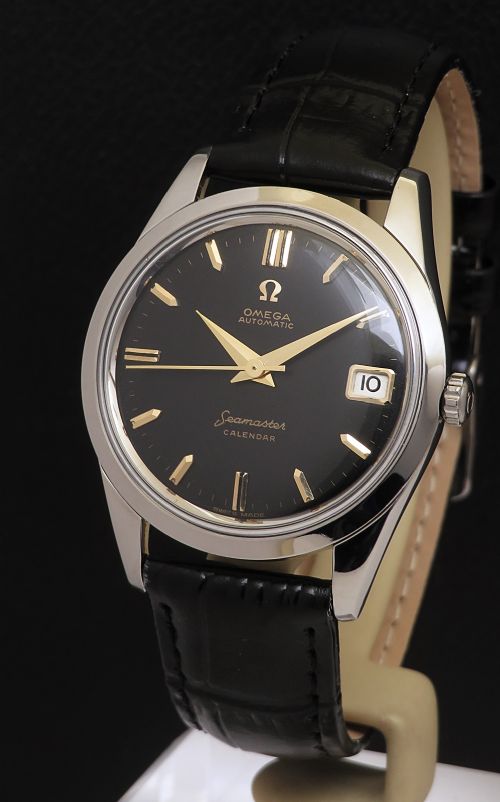
Antique Leather Watch
An antique leather watch typically pairs a historic mechanical timepiece with a supple hide strap, offering tangible horological heritage on the wrist.
Antique Leather Watch
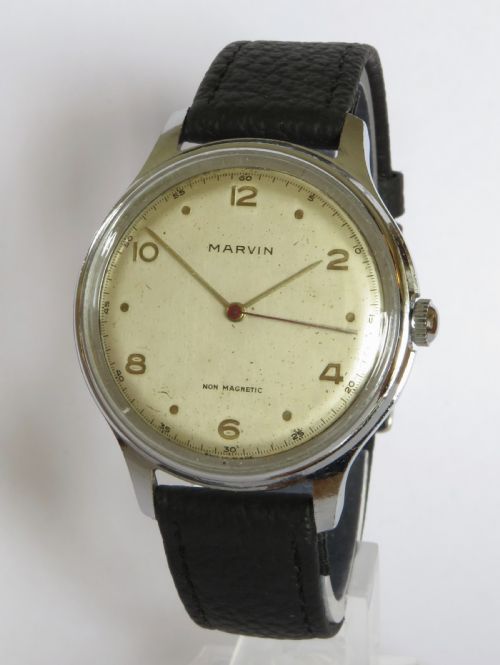
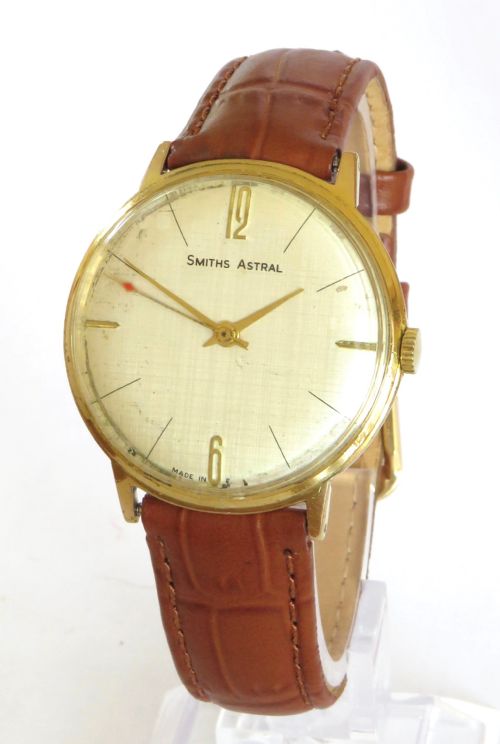
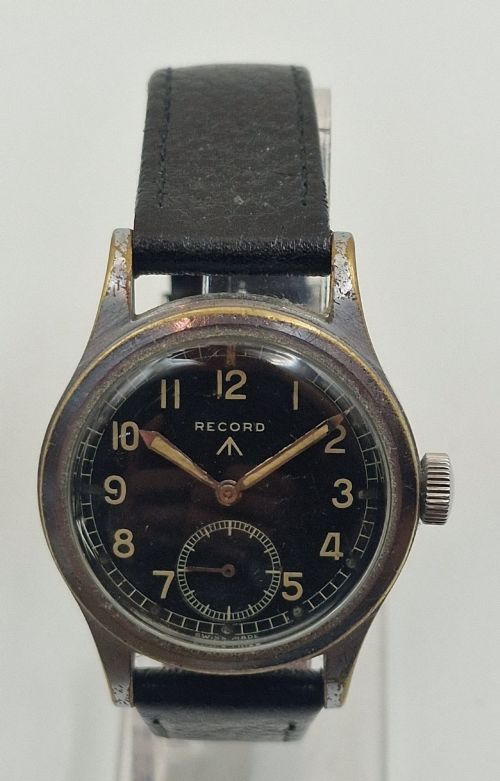
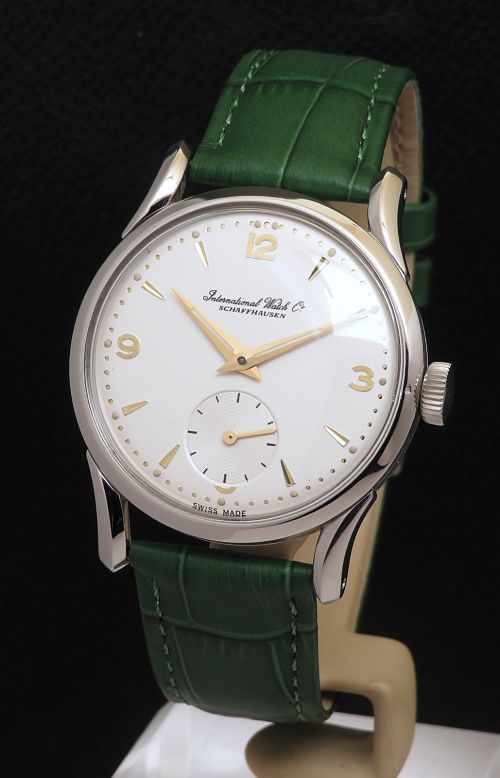
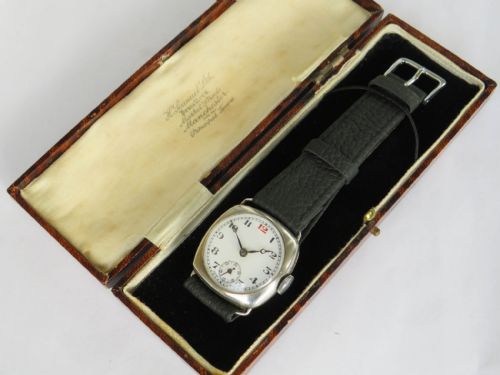
When searching for an antique leather watch, collectors encounter a diverse selection spanning from the Edwardian era through to the mid-twentieth century. The material evidence shows these timepieces include military service watches, aviator chronographs, and elegant dress pieces powered by manual wind or early automatic movements.
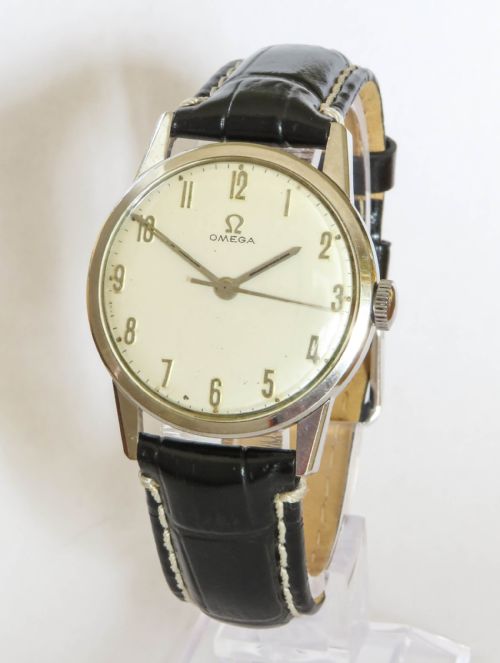
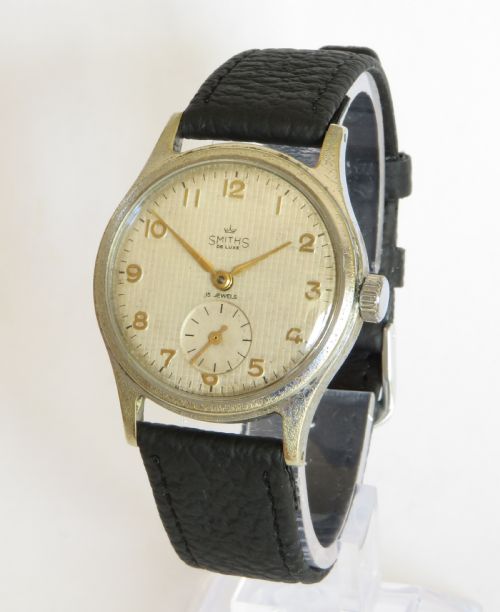
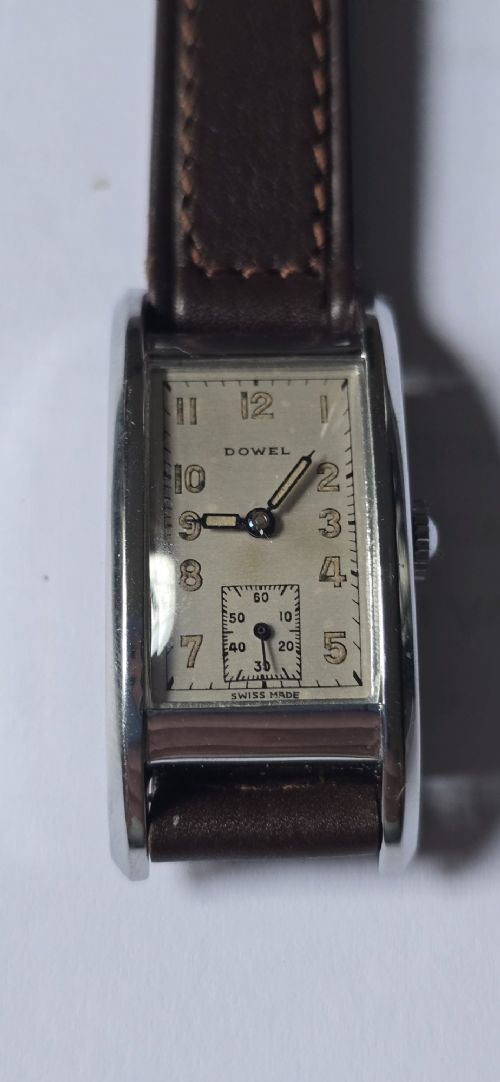
The most common forms on this page are gents wristwatches originating from the 1930s, 1940s, and 1950s, alongside trench watches from the 1910s. Alongside watches, related items such as antique leather jewellery boxes with watch compartments occasionally appear in the selection.
The horological styles range from Art Deco geometries to utilitarian military specifications and Mid-Century Modern designs. Pieces hail from diverse makers and Swiss or British workshops, reflecting the rapid evolution of wrist-worn timekeeping during these decades.
Materials and construction methods
The casings of these timepieces utilise stainless steel, 9ct gold, gold plate, brass, and silver, paired with protective glass or acrylic crystals over dials featuring enamel or metallic finishes. Straps and associated cases employ genuine leather and crocodile skin.
Movements inside these watches rely on intricate brass gear trains, manual wind mechanisms, and early auto-wind systems developed by established watchmakers. Components are housed in durable metal cases, often designed with military robustness or dust-proof hermetic seals.
Antique Leather Watch Retail Price Guide 2026
Typical asking prices for leather watch among the pieces listed under this phrase on Sellingantiques today, from the lower quarter to the upper quarter. They describe what is for sale here now, not the wider market.
Materials utilised across the current selection include leather, stainless steel, acrylic, glass, gold plate, 9ct gold, brass, and enamel.
Factors determining quality
Quality in these timepieces depends upon the precision and reputation of the movement inside, such as signed Swiss or British calibres. The integrity of the dial, the originality of the casing, and the condition of the metal components set finer examples apart.
The materials used for the outer case, ranging from standard stainless steel to solid 9ct gold or gold plating, heavily influence the tier of the piece. Additionally, the presence of original boxes, military provenance, or complex chronograph complications elevates a watch within its period.
Record·Smiths·Montilier·Omega·Cyma·Heloisa·Festina·Gruen·Bulova·Hahn Landeron·Longines·Venus·Rotary·Enicar·Dogma Prima·Rolex·Kered·Roamer·Baume·Marvin·Eterna·Girard Perregaux
The Antique Leather Watch Glossary
- Chronograph
- A watch with a stopwatch function alongside its standard timekeeping displays. These complications often feature subsidiary dials for measuring elapsed seconds or minutes.
- Manual wind
- A mechanical watch movement that requires the wearer to manually turn the crown to tension the mainspring. This traditional method preceded widespread automatic self-winding technology.
- Shrapnel guard
- A protective metal grille fitted over the glass crystal of a trench watch to prevent breakage during combat. These guards are typically hinged for viewing the dial.
- Calibre
- A specific internal movement design created by a watch manufacturer. Collectors reference calibre numbers to identify the exact mechanics powering a timepiece.
Antique Leather Watch: Frequently Asked Questions
How do I wind a manual watch?
Gently rotate the crown clockwise between your thumb and forefinger until you feel gentle resistance. Stop immediately at that point to avoid over-winding and damaging the internal mainspring.
Doing this daily at a consistent time helps maintain steady tension and keeps the movement running accurately throughout the day.
Are these watches waterproof?
Historic timepieces generally lack modern waterproof seals, even when described as dust-proof or hermetic. Exposure to moisture can easily damage the delicate vintage movement and dial.
It is best to keep these pieces entirely away from water, rain, and high humidity environments to preserve their original condition.
How do I date my watch?
Dating typically involves examining the internal movement serial numbers against manufacturer production records. The stylistic cues of the dial, case shape, and hallmarks also point to specific decades.
Edwardian and trench watches feature distinct fixed wire lugs, whereas 1950s models often display cleaner Mid-Century Modern typography.
Can I wear an antique watch daily?
Regular wear is entirely possible provided the movement has been recently serviced by a professional horologist. Gentle handling and mindful avoidance of shocks protect the vintage components.
Rotating the piece with other accessories reduces continuous wear on the mechanical parts and leather straps over time.