



Antique Leather Hardbacks
Antique leather hardbacks bring centuries of literature and binding craft into a room, offering tactile historical depth and rich shelf presence.
Antique Leather Hardbacks
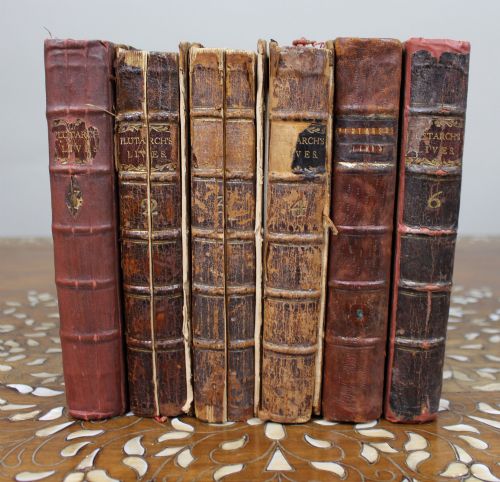
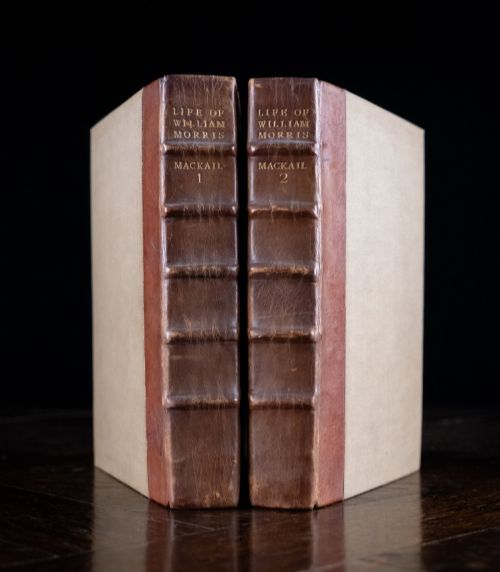
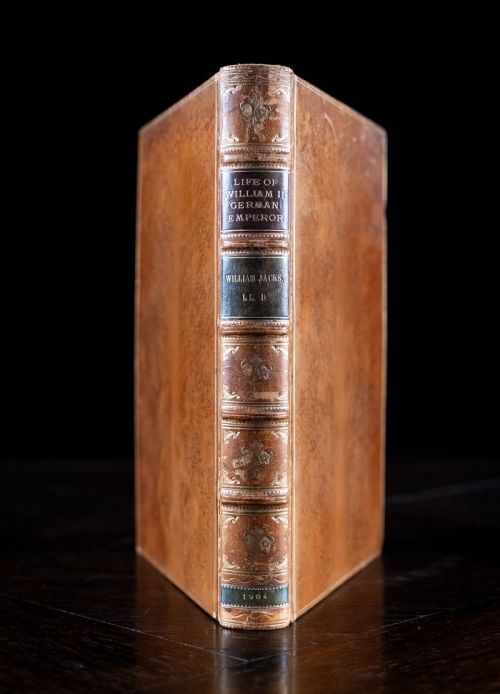
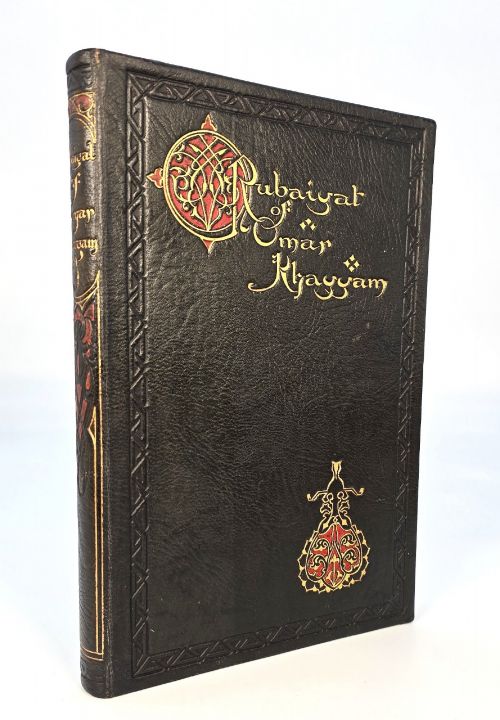
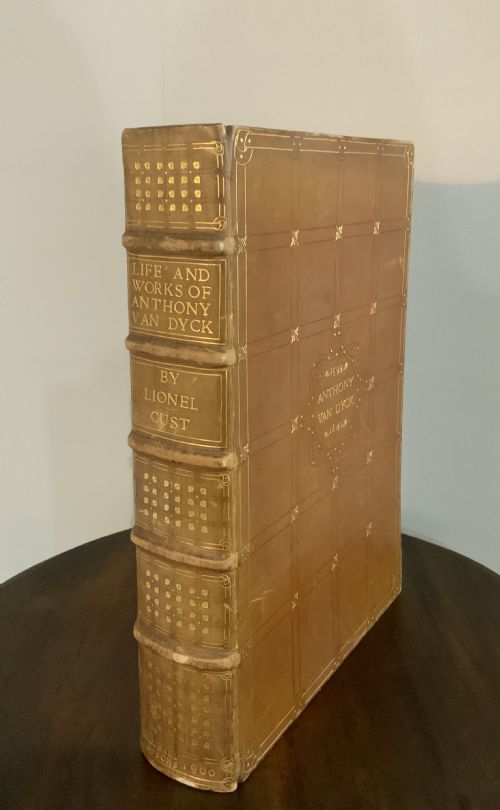
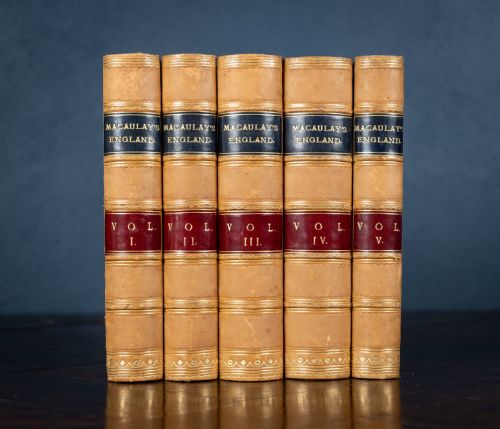
When you search for antique leather hardbacks, you encounter bound volumes ranging from mid eighteenth century multi volume sets to early twentieth century cartography and poetry. These pieces encompass single volumes and extensive sets, featuring historical biographies, classic novels, and illustrated works.
The selections most frequently met on this page span the Victorian and Edwardian eras, alongside Georgian publications. You will find works by notable historical figures and authors, housed in robust bindings that reflect the publishing standards of their respective centuries.
Materials and Bindings
Binders utilised genuine calfskin, vellum, and durable leather over sturdy paper boards. These natural materials were selected for their longevity and ability to withstand frequent handling.
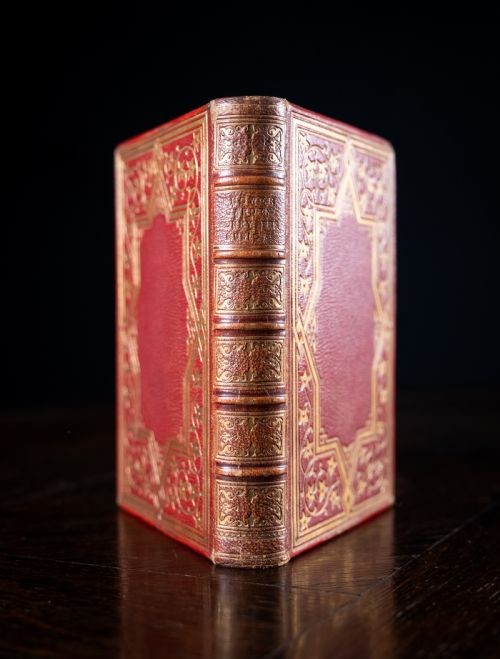
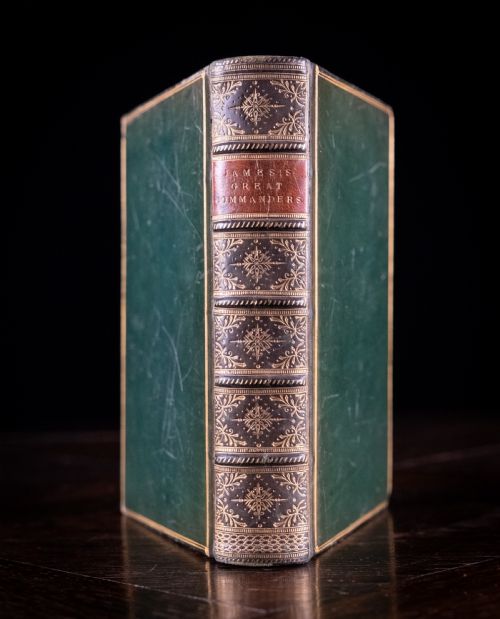
Spines and covers received decorative treatment through gold leaf tooling, imparting distinct lettering and ornate geometric patterns. Marbled paper often lined the interior boards and endpapers, complementing the exterior leather.
The listings span the eighteenth, nineteenth, and early twentieth centuries, featuring materials such as calfskin, vellum, marbled paper, and gold leaf.
Evaluating Craft and Condition
Quality rests upon the integrity of the original binding, the crispness of the gilt tooling upon the spine, and the preservation of the internal paper leaves. Superior examples retain firm hinges and uncompromised leather without excessive dry rot.
The distinction between standard editions and finer publications lies in the depth of the tooling and the quality of the selected animal skins. Complete multi volume sets matching in contemporary binding hold particular interest for collectors.
J. and R. Tonson
The Antique Leather Hardbacks Glossary
- Calfskin
- A fine, smooth leather derived from the hide of a calf, frequently used for high quality book bindings. It accepts tooling and gilding with exceptional clarity.
- Gilt tooled
- A technique where gold leaf is pressed into leather using heated metal tools to create lettering and ornamentation. This method protects the underlying leather while adding visual richness.
- Vellum
- A prepared animal skin, typically calf or kid, used for durable book covers and manuscript leaves. It offers a smooth, pale surface that resists wear over centuries.
- Marbled paper
- Paper decorated with a colourful patterned surface resembling marble, created by floating pigments on sizing. Binders used these papers for endpapers inside the book covers.
Antique Leather Hardbacks: Frequently Asked Questions
How do I care for antique leather books?
Keep volumes away from direct sunlight and extreme humidity fluctuations to prevent the leather from drying and cracking.
Handle the spines with care when removing books from shelves, supporting the text block rather than pulling solely by the headcap.
Can I read antique leather hardbacks?
Many volumes remain entirely suitable for reading, provided the internal paper block is secure within its binding.
For fragile eighteenth century or heavily gilt nineteenth century editions, gentle handling ensures the longevity of the historical structure.
How do I identify the publication date?
Check the title page for printed publication years or Roman numeral dates traditional to older volumes.
Publisher imprints and introductory dedications often provide additional contextual clues regarding the exact printing period.
What is the difference between calfskin and standard leather?
Calfskin offers a thinner, smoother texture that allows for finer detail in gold tooling compared to heavier cattle hide.
Standard leather bindings found on later nineteenth century books often display a more pronounced grain and sturdier overall weight.