




Leather Bound Volumes
Leather bound volumes bring historical texts, literature and reference works to shelves in enduring bindings of calfskin, vellum and gilt tooling.
Leather Bound Volumes
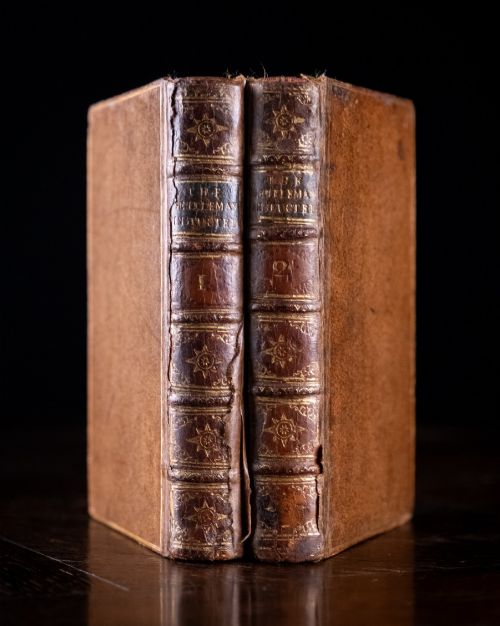
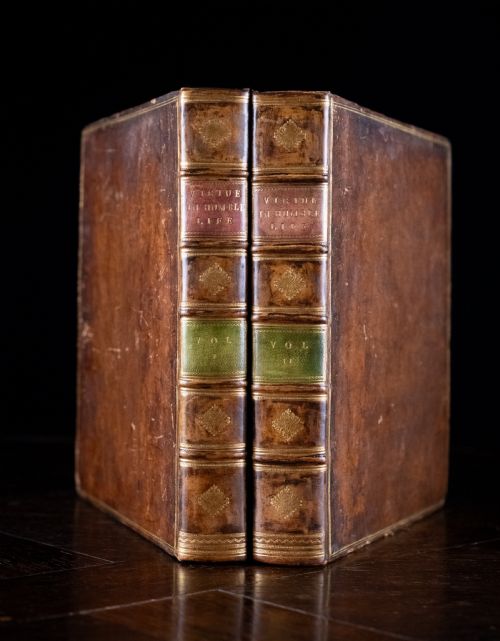
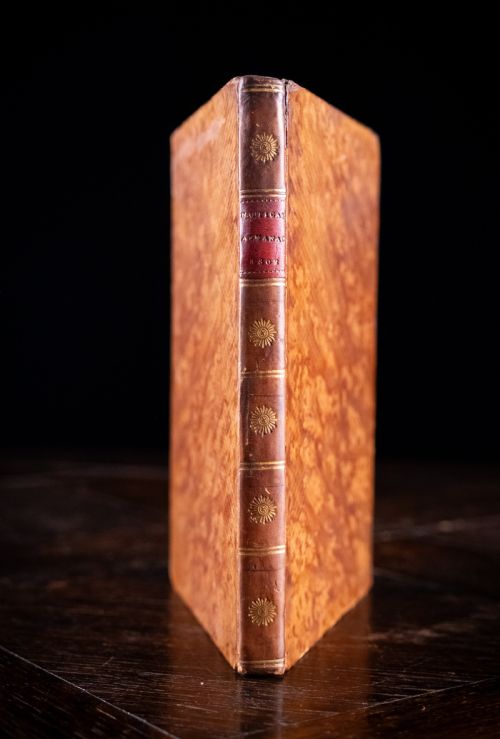
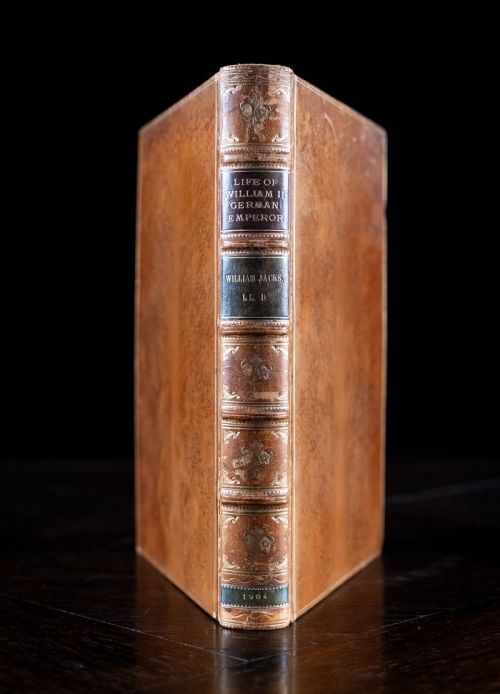
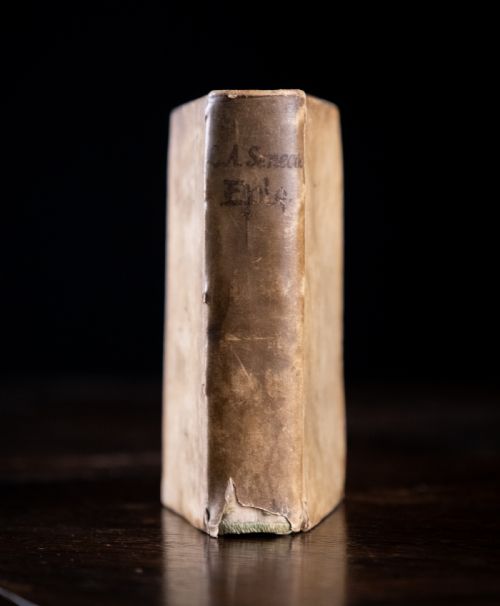
Leather bound volumes encompass individual antique books, multi-volume sets, and miniature editions spanning from the seventeenth century through to the early twentieth century. Buyers encounter works ranging from Shakespeare plays and historical accounts to nineteenth-century novels, sporting magazines, and geographical atlases.
The material forms on this page include single leather-bound books, complete multi-volume sets running to numerous books, pairs, and specialised formats such as thumb bibles or miniature books. Styles stretch across Georgian, Regency, Victorian, and Edwardian periods, reflecting the prevailing bookbinding aesthetics of each era.
How they were made
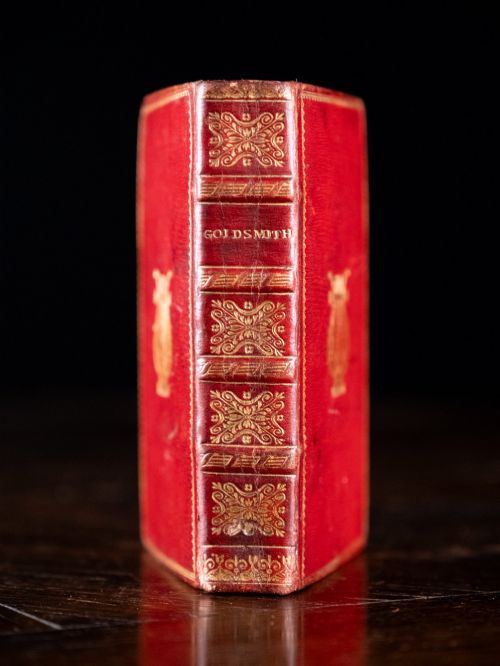
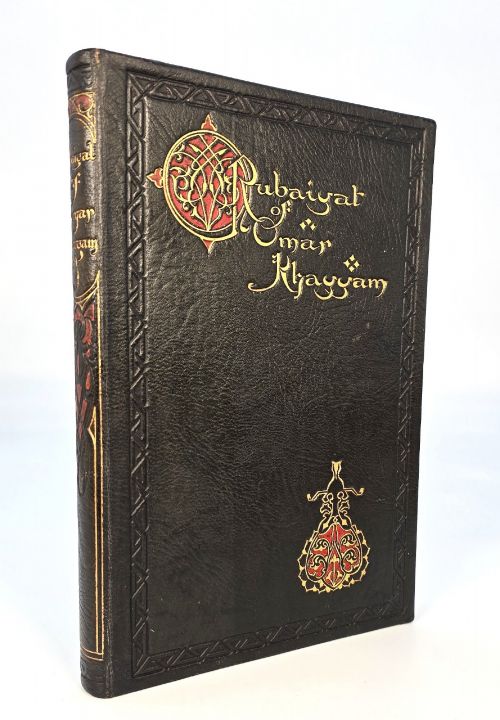
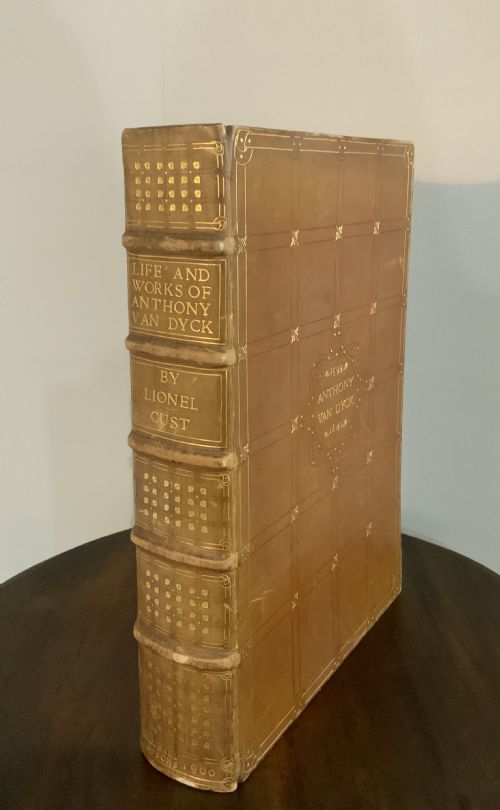
Binders utilised natural animal skins including calfskin and vellum, wrapping paper leaves and periodical pages to protect the text block within sturdy boards. Spines and covers frequently received ornamentation through gold leaf tooling, impressing metallic leaf into the leather with heated brass tools.
Additional visual detail came from marbled paper endpapers and internal plates, while page edges were often burnished or gilded. Texts were printed on paper stocks typical of their period, hand-sewn into signatures before receiving their permanent outer bindings.
Among the historical volumes sits a folding games board cleverly modelled to look exactly like two bound books.
What varies in quality
The execution of the leather binding and the crispness of the gilt tooling establish the visual standard of a volume. Fine blind stamping, well-preserved spine labels, and intact hinges separate master bookbinding work from utilitarian trade bindings.
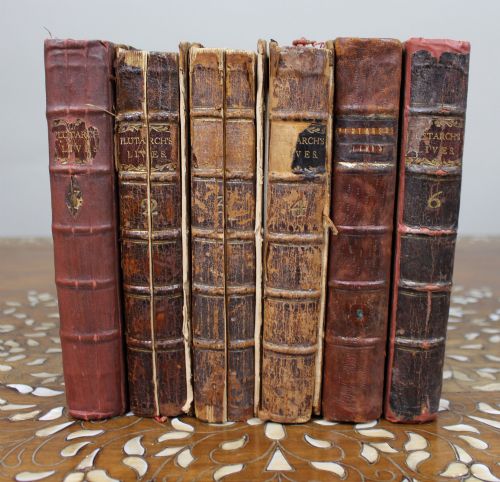
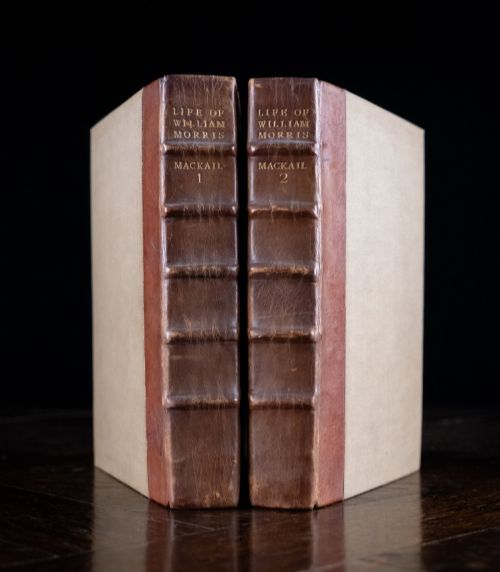
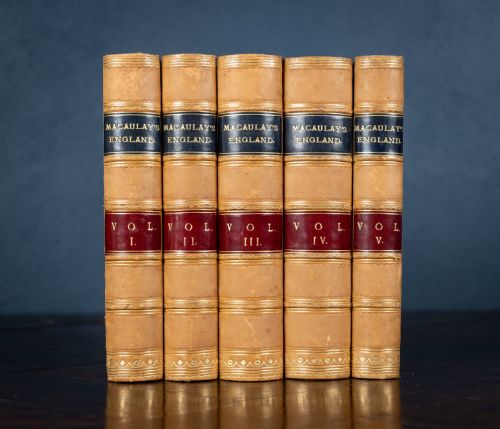
Completeness alters the standing of a multi-volume set, as unbroken runs or full original editions hold greater cohesion than mismatched or partial collections. The quality of the paper stock, clarity of typography, and presence of original plates or illustrations further distinguish individual works.
J. & R. Tonson·Jean Dassier·J. Wheble
The Leather Bound Volumes Glossary
- Calfskin
- A soft, smooth leather derived from the hide of a calf, frequently used for finer bookbindings due to its pliable texture and suitability for tooling.
- Vellum
- A fine parchment prepared from calf skin, sheep skin, or goat skin, known for its durable, smooth, pale surface found on older bindings.
- Gilt tooled
- Decoration applied to book covers and spines using gold leaf pressed into the leather with heated metallic tools to form patterns and lettering.
- Marbled paper
- Paper decorated with a colourful swirled pattern resembling marble, traditionally used for endpapers inside the front and back covers.
- Miniature book
- A tiny book produced in a compact format, often measuring only a few inches, designed for portability or personal devotion.
Leather Bound Volumes: Frequently Asked Questions
How are multi-volume sets identified?
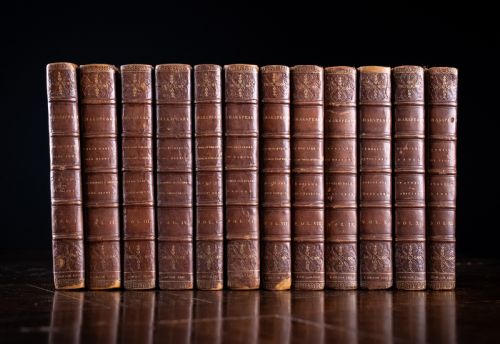
Multi-volume sets are recognised by consistent publishing details, matching bindings, and sequential numbering across the series. They often cover extensive historical, literary, or reference works produced across multiple books.
Complete sets maintain uniform leather colours and matching gilt tooling styles on the spines. Individual volumes within these sets share matching page formats and period typography.
What materials cover these books?
These books are bound primarily in calfskin leather and vellum, complemented by paper pages and cloth elements. Many feature decorative marbled paper endpapers inside the covers.
Covers frequently incorporate gold leaf tooling applied directly to the leather. The underlying structure relies on sturdy boards and hand-sewn paper signatures.
How do I care for leather bindings?
Leather bindings require stable environmental conditions away from direct sunlight and excessive moisture to prevent the hide from drying out. Handling them with clean, dry hands preserves the integrity of the paper and the surface of the leather.
Allowing adequate air circulation around the volumes prevents mould and mildew growth. Avoid using modern chemical cleaners on antique calfskin or vellum surfaces.
Can I date a book from its binding?
Bindings offer strong clues to a book's age based on the tooling styles, leather preparation, and materials typical of periods like the Georgian or Victorian eras. Binderies often reflected the prevailing aesthetic trends of their decade.
Title pages and internal publication dates provide the definitive year of printing. Comparing the binding style with the printed date confirms whether a volume retains its original covers or received a later rebinding.