
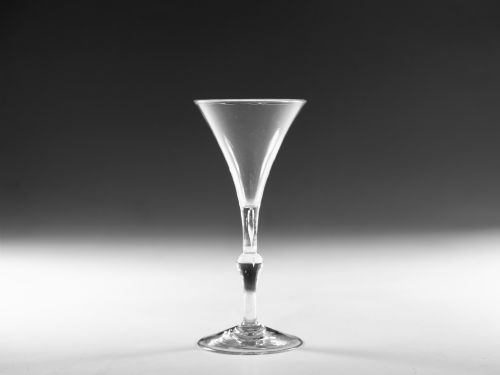
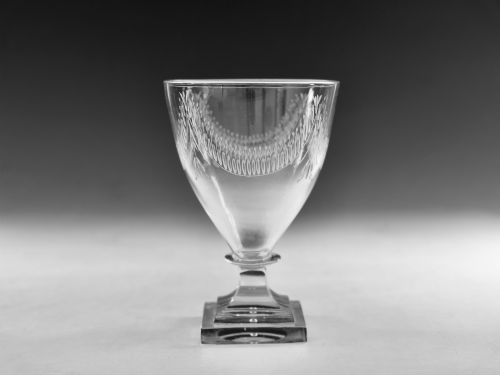
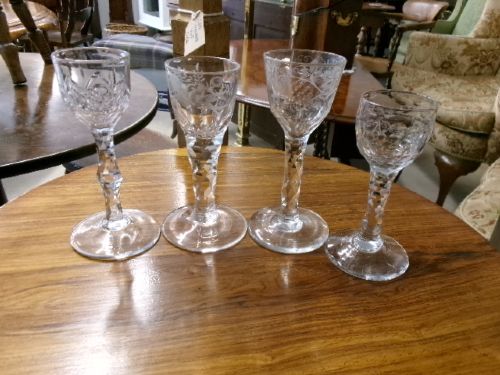

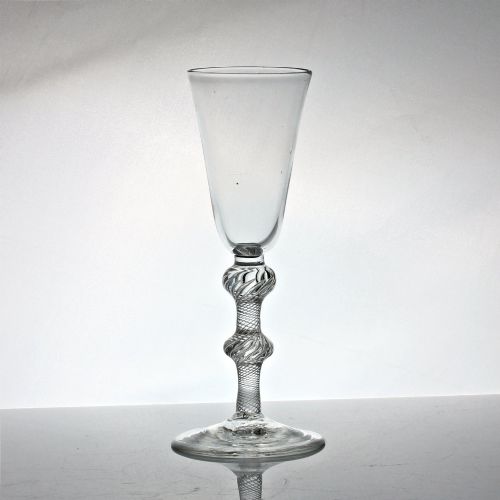



Antique Lead Crystal Goblet
These antique lead crystal goblet selections bring the tactile heft of eighteenth-century drinking vessels straight to your modern table.
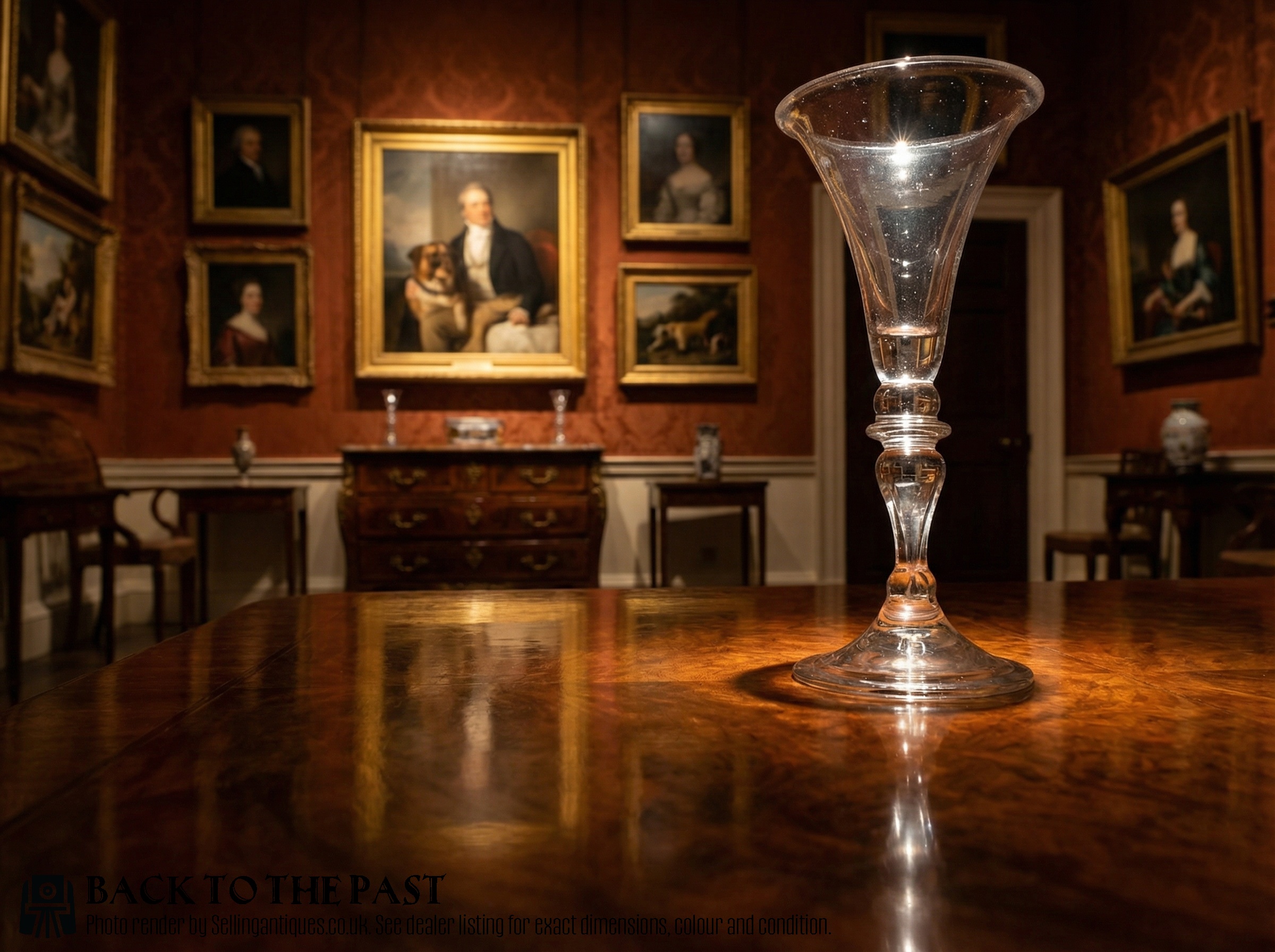
Identifying your antique lead crystal goblet
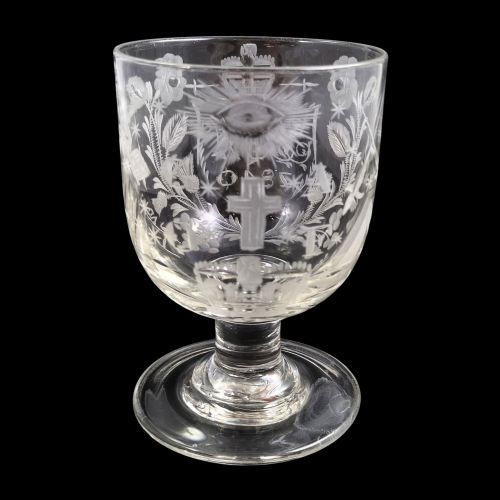
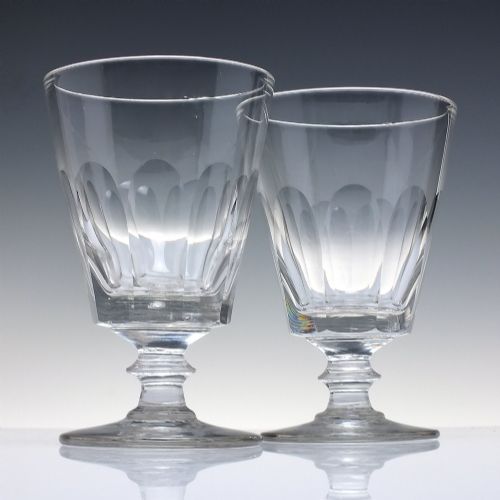
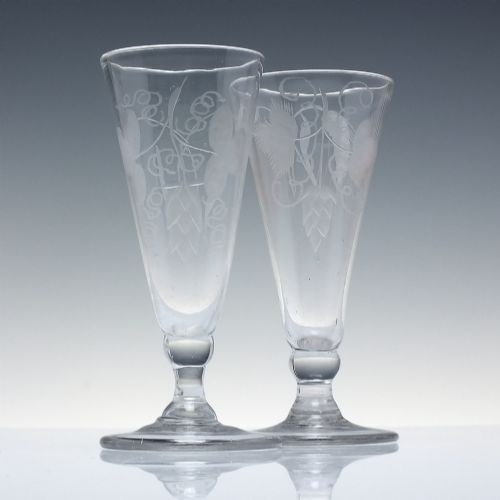
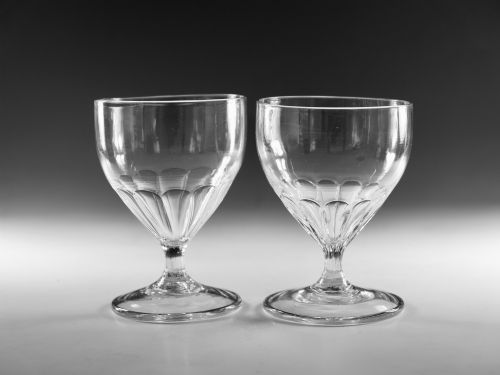
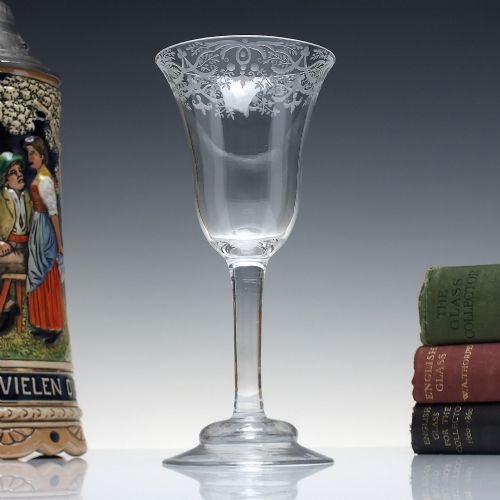
An antique lead crystal goblet represents a drinking vessel formed from high-density glass, appearing across eighteenth-century and Victorian periods. When you search for antique lead crystal goblet, you find forms ranging from heavy balustroid stems to intaglio engraved examples.
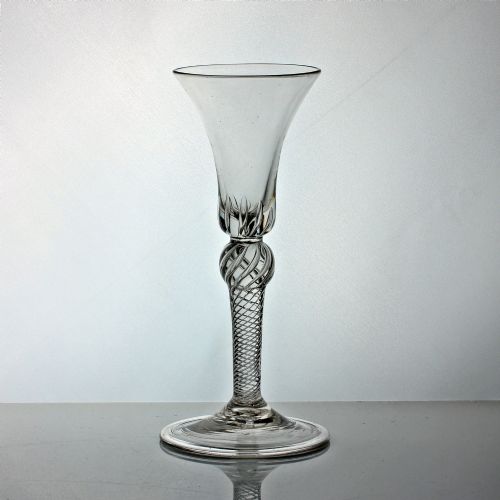
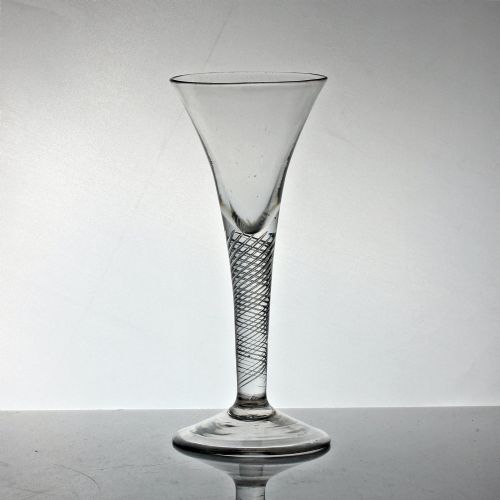
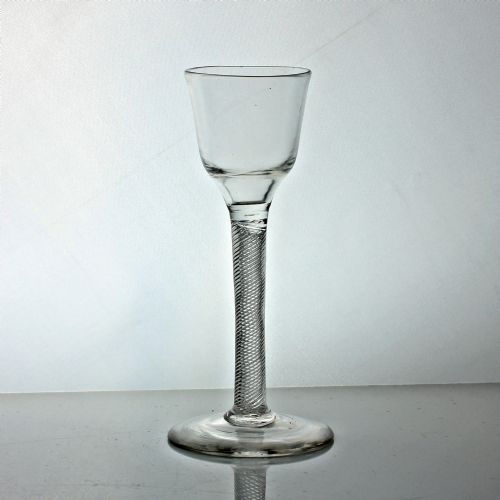
The most common versions met here include eighteenth-century wine glasses featuring air twist stems and baluster formations. These pieces encompass specific historical types, such as Hanoverian liberty anti Jacobite glasses and friendship engraved light balusters.
The material origins trace back through Georgian and Victorian epochs, presenting clear glass and flint glass structures. Each object type functions primarily as glassware or a specialised wine glass rather than a modern drinking vessel.
Manufacturing and materials
The construction relies on lead crystal, lead glass, clear glass, and flint glass. These heavy glass compositions provide the structural density required for intricate stem formations.
Maker techniques involve forming multiple spiral air twists inside the stems alongside intaglio engraving upon the bowl surfaces. The resulting glassware exhibits specific optical clarity characteristic of mid-eighteenth-century production.
Retail Price Guide 2026
Typical UK retail prices for lead crystal goblet, calculated from the Sellingantiques database of over a million retail prices indexed since 2003. This retail price guide relies exclusively on Sellingantiques data; no external sources or auction records are used, so the figures do not describe the wider market.
Some eighteenth-century drinkers hid secret political allegiances inside their wine glasses using subtle anti-Jacobite engravings.
Evaluating quality and execution
Quality separates through the optical clarity of the material and the execution of internal stem twists. Exceptional clarity elevates pieces above standard transparent glassware.
The precision of intaglio engraving and the complexity of multiple spiral air twist formations distinguish finer examples. The refinement of baluster profiles dictates the overall sophistication of the vessel.
The Antique Lead Crystal Goblet Glossary
- Air twist
- A decorative stem formation containing elongated spiral bubbles trapped inside the clear glass. This technique requires exceptional skill during the pulling and twisting of the hot metal.
- Balustroid
- A stem style echoing the architectural baluster, featuring a knop above a tapering lower stem. This form provides a weighty grip and characterises mid-eighteenth-century English drinking vessels.
- Flint glass
- An early term for heavy potash or lead glass possessing high refractive qualities. This material allows for brilliant light reflection and deep intaglio engraving.
- Intaglio engraving
- A technique where designs are abraded into the glass surface to create sunken motifs. This method contrasts with relief carving by leaving the surrounding glass untouched.
- Multiple Spiral Air Twist
- A stem design featuring numerous fine air threads winding through the glass column. Abbreviated as MSAT, this sophisticated variation demands precise thermal control during manufacture.
Frequently Asked Questions
What is an antique lead crystal goblet?
An antique lead crystal goblet is a heavy drinking vessel produced primarily during the eighteenth and nineteenth centuries. These items utilise dense glass formulations to achieve notable clarity and weight.
Such vessels often feature decorative stems such as balusters or air twists. They represent a distinct category of historical table glassware.
How do I date an old goblet?
Dating relies on examining the stylistic markers of the stem, bowl shape, and manufacturing materials. Eighteenth-century examples frequently display balustroid or air twist formations.
Victorian pieces often incorporate intaglio engraving techniques. Comparing these structural characteristics against known period typologies establishes the approximate date.
What does air twist mean?
An air twist refers to a glassmaking technique where elongated bubbles form a spiral pattern within the stem. This effect occurs when trapped air is drawn and twisted while the glass is hot.
Single and multiple spiral variations create shimmering optical effects inside the clear stem. It remains a defining feature of mid-eighteenth-century drinking glasses.
Were these goblets used daily?
Historical drinking glasses served functional roles at dining tables, toasts, and social gatherings. Many carried political or personal sentiments through specialised engravings.
Their heavy lead composition provided durability for frequent handling. Today, collectors primarily preserve them as display or occasional use items.