

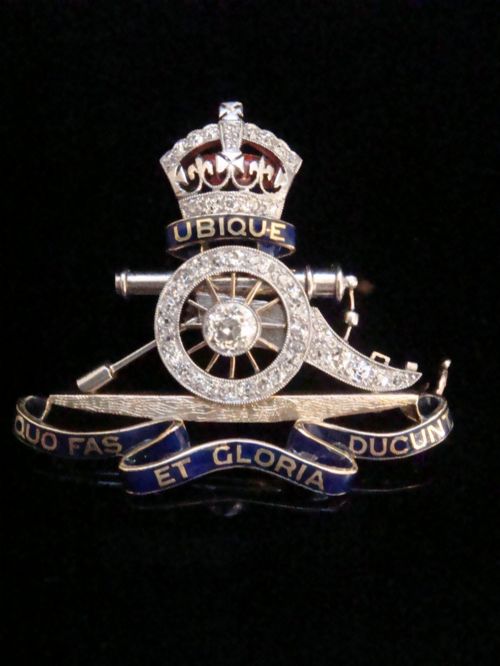
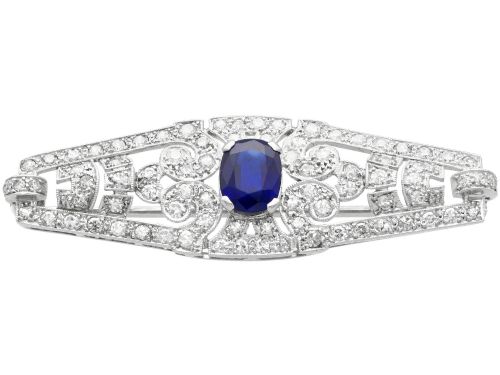
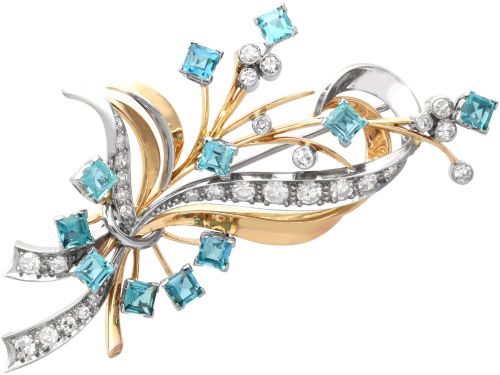
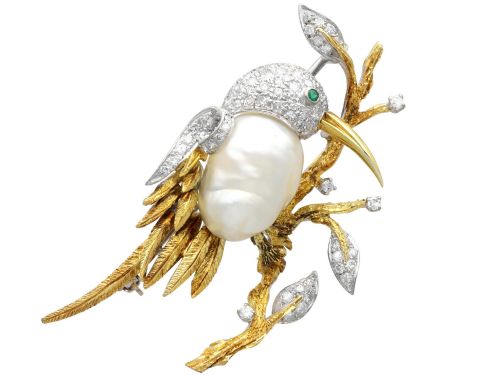
Antique Lapel Jewellery
Antique lapel jewellery brings together brooches, pins and fastened ornaments designed to sit on a jacket, coat or collar.
Antique Lapel Jewellery
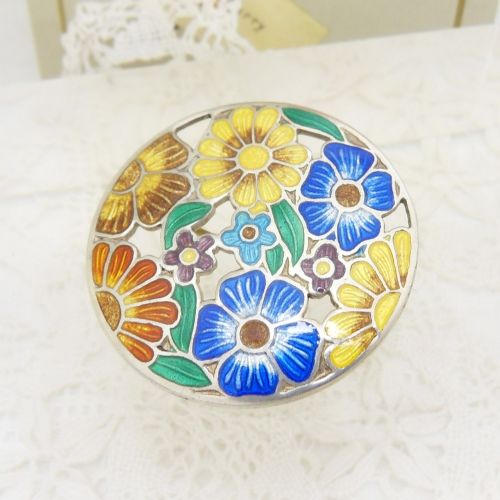
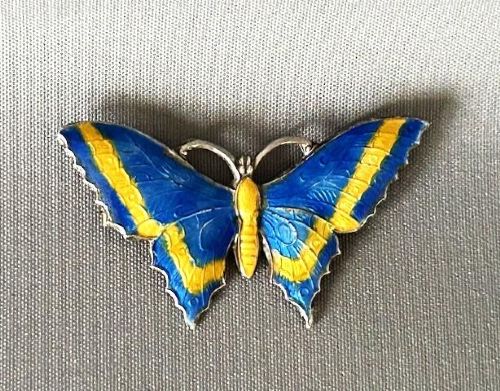
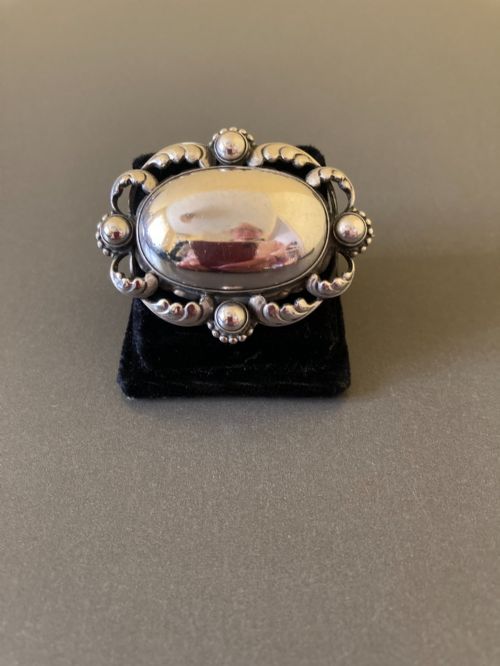
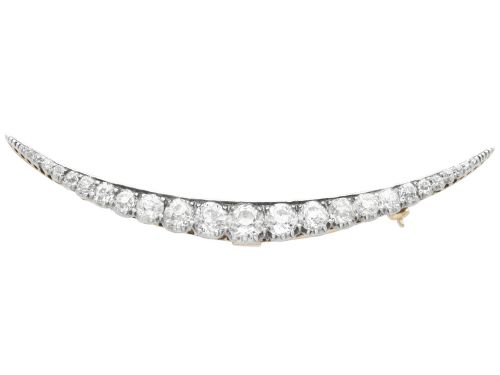
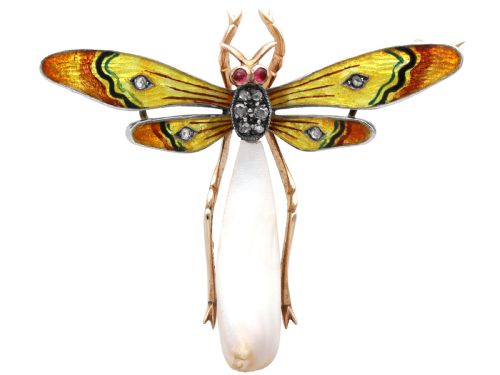
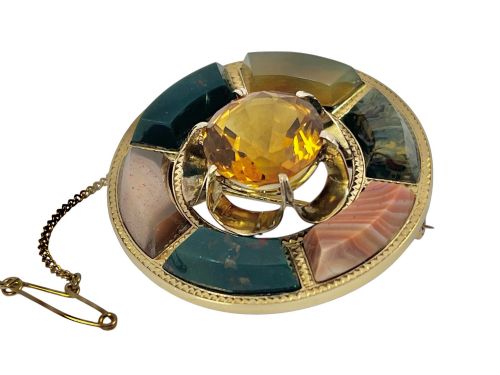
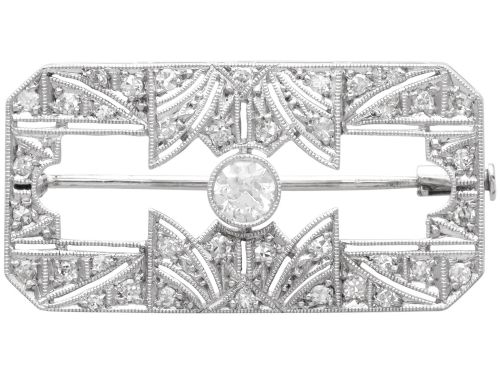
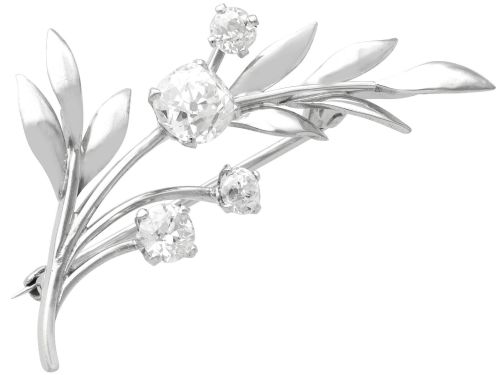
Antique lapel jewellery encompasses wearable ornaments historically pinned to coats, jackets and collars. The selection spans distinct eras from the early Victorian period through Edwardian designs and the Art Deco style to mid-century work. Common forms include floral motifs, insect subjects, bar brooches and pebble work originating from Scotland.
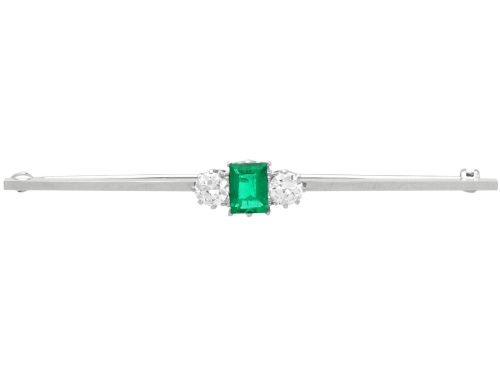
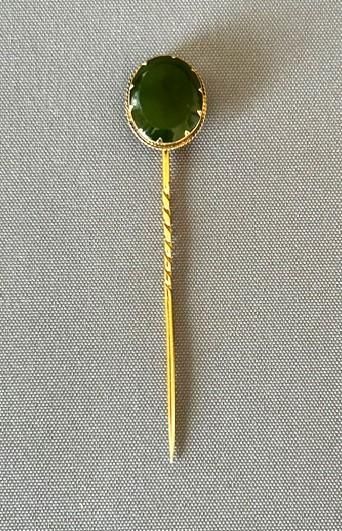
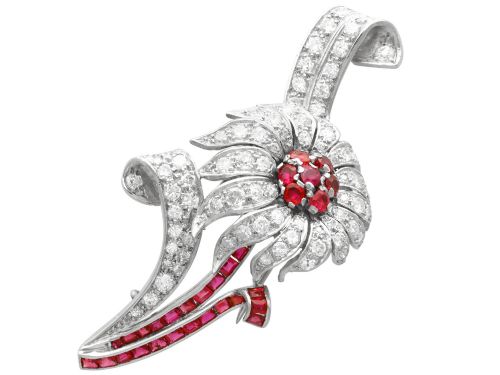
Buyers frequently encounter gold and silver settings combined with gemstones, pearls and enamel. Pieces range from delicate stick pins to substantial diamond and platinum floral clusters and coloured stone bar brooches. Each item reflects the prevalent aesthetic of its manufacturing period, balancing decorative appeal with practical fastening.
Materials and technique
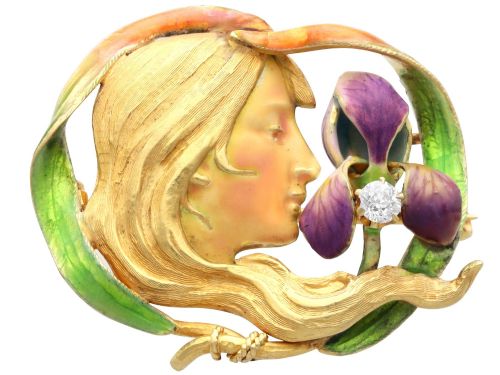
Craftsmen utilised various grades of gold, platinum, and sterling silver as foundational metals for mounting stones and enamel work. Techniques such as guilloche enamelling, silver filigree and delicate stone setting require precision, particularly in smaller configurations like bar brooches and stick pins.
Stones including diamonds, rubies, sapphires, emeralds and pearls are hand-set into metalwork, alongside organic materials like agate, moss agate and carved shell cameos. The integration of foil-backing in early Victorian pieces enhances light reflection within coloured gemstones.
Antique Lapel Jewellery Retail Price Guide 2026
Typical asking prices for lapel jewellery among the pieces listed under this phrase on Sellingantiques today, from the lower quarter to the upper quarter. They describe what is for sale here now, not the wider market.
Current listings feature items from the Victorian, Edwardian, Art Deco and mid-century periods, constructed in gold, silver, platinum, enamel and gemstones.
What varies in quality
Quality in antique lapel jewellery rests on the precision of the metalwork and the grade of the incorporated gemstones. Superior examples display crisp chasing, secure stone settings and intricate enamel work without loss or restoration.
The choice of materials also dictates standing, with platinum and high-carat gold foundations carrying different workmanship compared to silver gilt or base metal alternatives. Original fastenings and pin mechanisms that remain intact contribute to the overall integrity of the piece.
Charles Horner
The Antique Lapel Jewellery Glossary
- Bar brooch
- A narrow horizontal pin featuring central gemstone clusters or decorative metal motifs. This form gained immense popularity during the late Victorian and Edwardian eras.
- Guilloche enamel
- A decorative technique where transparent enamel is layered over engine-turned metal engraving. This method creates geometric patterns visible beneath the coloured glass surface.
- Mourning brooch
- A memorial piece containing hair, jet, onyx or pearls, produced to remember a deceased person. These items carry specific sentimental and historical value from the Victorian period.
- Pebble brooch
- Scottish jewellery fashioned from polished native stones such as agates and jaspers, mounted in silver. These pieces frequently celebrate Celtic revival styles.
Antique Lapel Jewellery: Frequently Asked Questions
How were antique lapel pieces worn?
These items were pinned directly to the lapels of jackets, coats or waistcoats as decorative accessories. They often secured heavy fabrics or held decorative blooms in place.
In earlier periods, specific designs like mourning brooches or stick pins served both decorative and commemorative functions in daily dress.
What metals are most common?
Gold in various carats, including 9ct, 15ct and 18ct yellow and white variations, appears frequently across Victorian and Edwardian examples. Sterling silver and platinum also form the structural base for many later designs.
Silver gilt and continental silver versions offer alternative metallic tones often paired with enamel or paste stones.
How do I identify an Edwardian piece?
Edwardian items typically feature platinum or high-carat gold worked into light, airy floral, ribbon or garland motifs. The style favours diamonds, pearls and delicate openwork structures.
By contrast, earlier Victorian pieces often employ heavier gold mounts, while later Art Deco designs shift towards geometric symmetry.
Can I wear them on modern clothing?
These ornaments suit modern jackets, coats, cardigans and heavy scarves securely. The pin mechanisms are generally robust enough for sturdy contemporary fabrics.
Care should be taken with delicate textiles to avoid pulling threads when fastening the pin stem through the safety clasp.