
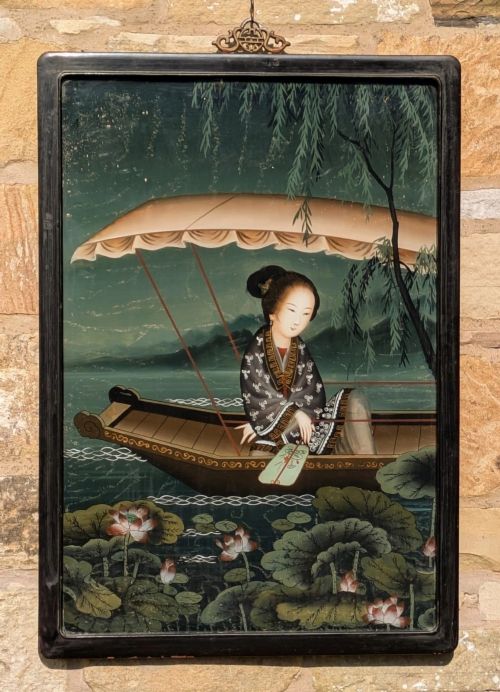
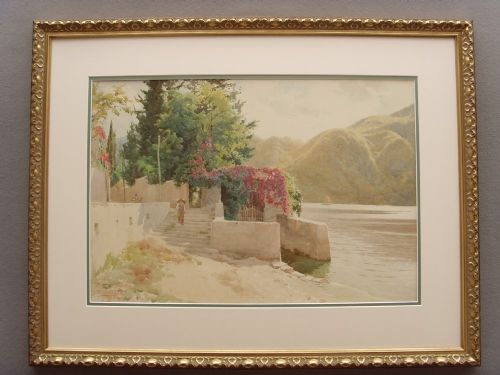


Antique Lake Artwork Framed
These antique lake artwork framed pieces capture serene bodies of water through nineteenth-century oils and watercolours.
Antique Lake Artwork Framed
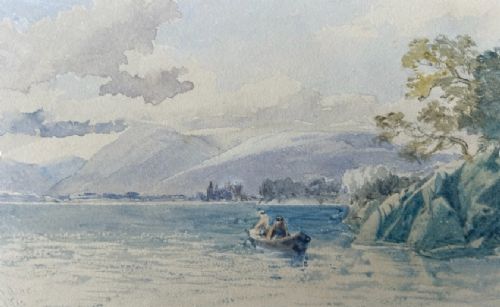
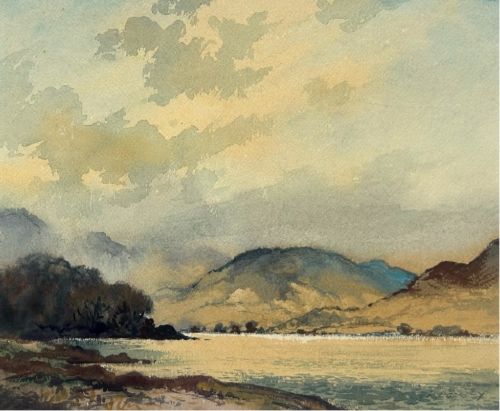
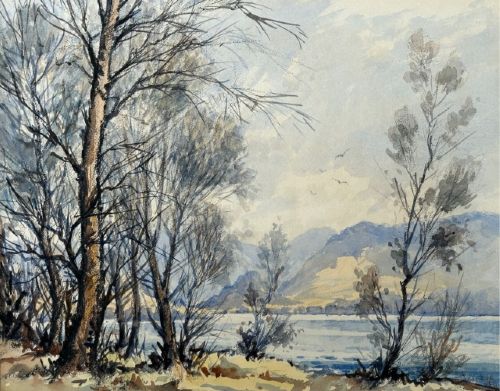
When searching for antique lake artwork framed, collectors find topographically specific watercolours and oil paintings depicting British, Scottish, and continental European waters. These works span the Victorian period through to the mid twentieth century, recording scenes from the English Lake District, Scottish lochs, and Italian lakes.
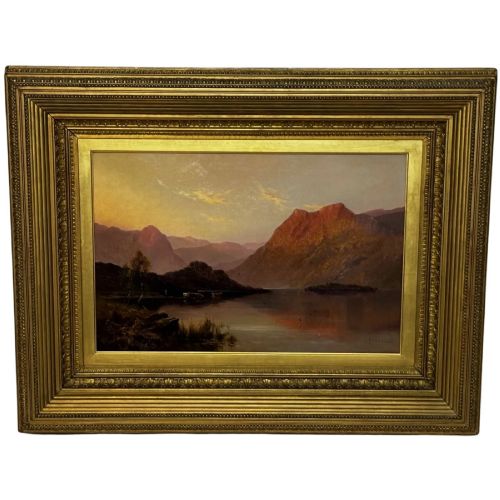
The selections on this page are predominantly original oil paintings on canvas and delicate watercolours on paper, frequently presented in period wooden and gesso frames. Formats range from intimate nineteenth-century sketches to large alpine landscape portraits.
Subjects include Highland sailing scenes, moonlit reflections, and pastoral mountain backdrops by named artists and regional schools.
Materials and technique
Artists relied on oil paint applied to prepared canvas or wood panels, alongside watercolour pigment on paper supported by glass and heavy gesso or wood frames. Oil mediums allowed for deep layering in mountain shadows and luminous light on water, while watercolour achieved translucent washes for skies and mist.
Frames utilised carved wood and moulded gesso, often gilded or painted to complement the tonal palette of the landscape within.
Several lakeside scenes secretly double as portraits of ducks refusing to hurry away from the artist.
Assessing quality
Quality rests upon the artist's handling of light and atmospheric perspective, distinguishing atmospheric depth from flat topographical recording. Brushwork control in difficult elements like moving water and reflections separates accomplished academic painters from competent regional amateurs.
The integrity of the original frame also matters, with period gesso mouldings and matching gold leaf enhancing the historical value of the painting.
Thomas Miles Richardson Jnr·Alfred Fontville de Breanski Jr·Frank Hider·Benjamin Williams Leader·Cornelius Pearson
The Antique Lake Artwork Framed Glossary
- Gesso
- A plaster-like mixture applied to wood frames as a base for gilding or painting. It creates intricate moulded ornamentation characteristic of nineteenth-century framing.
- Canvas
- A heavy woven fabric stretched across a wooden frame to serve as a sturdy support for oil paint. It provides texture that interacts with the layered brushstrokes.
- Watercolour
- A paint consisting of water-soluble pigments that produce translucent washes on paper. This medium was favoured for rapid field sketches and finished topographical views.
- Impressionism
- An art style focused on accurate depiction of light in its changing qualities and ordinary subject matter. Works in this style prioritise visible brushstrokes and open composition.
- Monogram
- A motif made by overlapping or combining letters to form a recognizable signature. Artists often used these initials on smaller works instead of a full name.
Antique Lake Artwork Framed: Frequently Asked Questions
How do I date these paintings?
Dating relies on stylistic clues, artist signatures, framing materials, and inscriptions on the reverse of the canvas or paper. Victorian works often display specific romantic or picturesque traits common to nineteenth-century British art.
Examining the canvas weave and the backing boards can also provide reliable chronological markers for pieces lacking a direct date.
Were these framed originally?
Many nineteenth-century paintings retain their original gesso or carved wood frames, which were selected by the artist or first owner to match the composition. Original frames often show age-appropriate wear that aligns with the era of the artwork.
Re-framing occurred frequently over the decades, so inspecting the rebate for earlier mounting marks helps determine if the frame is contemporaneous.
How should I hang watercolour pieces?
Watercolours under glass require placement away from direct sunlight to prevent fading of the delicate pigments used in nineteenth-century paper works. Stable indoor humidity protects both the paper substrate and the wooden frame joints.
Using archival backing materials during any necessary conservation ensures the paper remains acid-free over time.
What subjects are most common?
Scottish lochs, the English Lake District, and Alpine Italian lakes dominate the surviving inventory from this era. Artists travelled extensively to capture picturesque topography, moody mountain weather, and tranquil shores.
Views featuring figures fishing, sailing boats, or cattle grazing near the water margin appear frequently in Victorian compositions.