




Antique Lacquer Wood Tables
These antique lacquer wood tables bring rich Chinoiserie and Asian craftsmanship into a room, offering both practical surfaces and deep decorative warmth.
Antique Lacquer Wood Tables
When someone searches for antique lacquer wood tables, they look for functional surfaces finished with traditional Asian or European lacquer techniques. The selection spans forms such as occasional tables, coffee tables, nests of tables, and console tables.
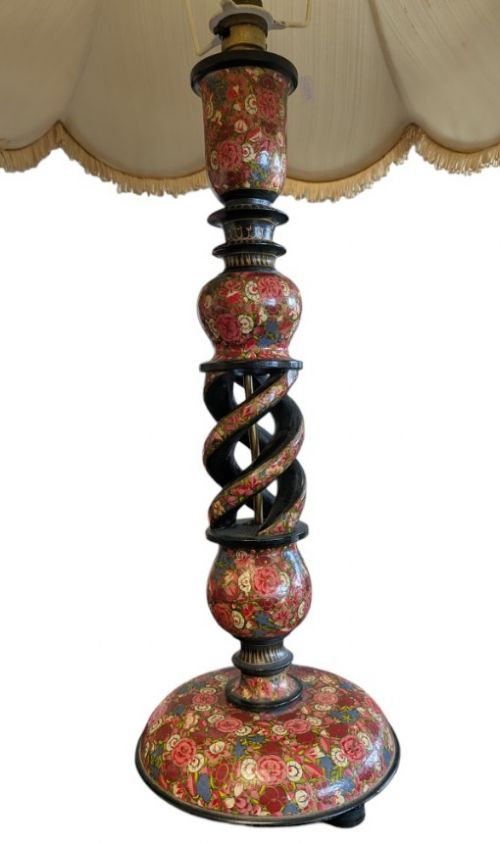
Most examples originate from the 19th century and the early decades of the 20th century. Buyers will frequently encounter Chinese and Kashmiri pieces alongside English interpretations in the Chinoiserie style.
The assortment includes items produced across periods from the 18th century to the 1930s, utilising regional timbers like elm alongside applied lacquer decoration and sometimes gold leaf.
How they were made
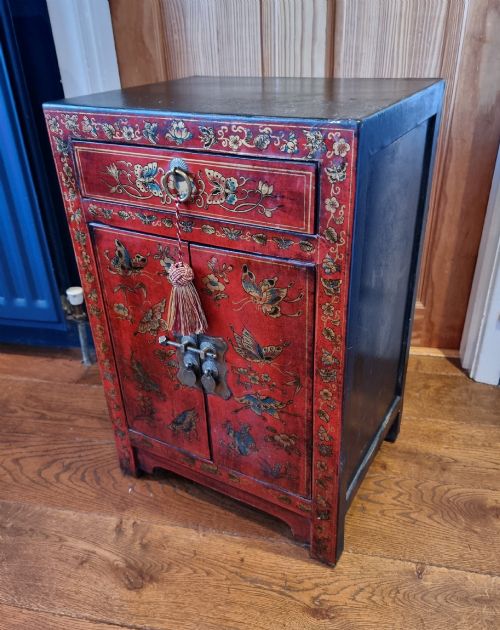
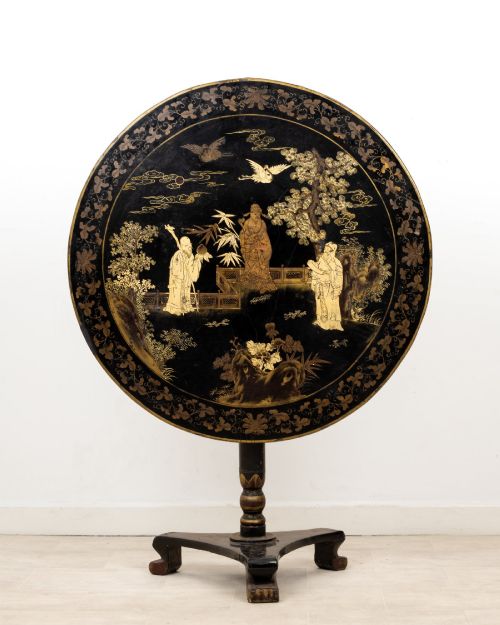
Makers constructed these pieces using foundational timbers such as elm, hardwood, and other woods, upon which multiple layers of lacquer were built. Artisans applied pigments, gold leaf, and handpainted motifs to achieve the characteristic glossy or decorated surfaces seen in Chinoiserie, Japanese, and Kashmiri examples.
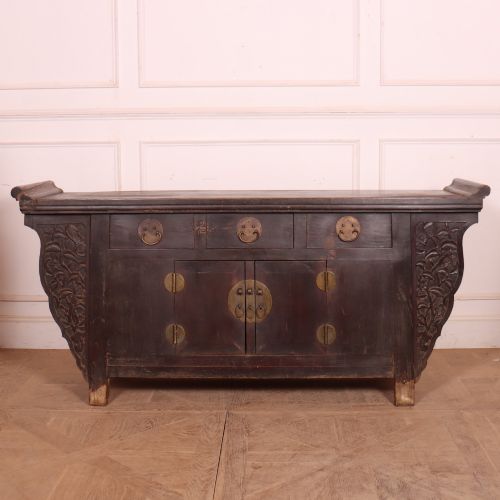
Structural elements relied on traditional joinery suited to the region of origin, whether dealing with Chinese occasional tables or English Sheraton and Queen Anne style variants. Brass fittings and hardware often completed the construction of desks, cabinets, and tables.
Current listings feature materials including lacquer, elm, brass, gold leaf, and ebonised wood across the 19th and early 20th centuries.
What varies in quality
The refinement of the surface decoration largely determines the distinction between standard and superior pieces. Handpainted detailing, the depth of gold leaf application, and the preservation of the lacquer layers separate everyday items from finer examples.
Construction integrity also sets pieces apart, particularly in the stability of nested tables or tilt-top mechanisms. Selection of underlying timbers, such as seasoned elm or dense hardwoods, influences the enduring build of the table.
The Antique Lacquer Wood Tables Glossary
- Lacquer
- A durable finish applied in successive coats to wood surfaces, originating from natural resin or regional varnishes. It provides a smooth, protective, and decorative sheen.
- Nest of tables
- A set of graduated tables designed to fit neatly beneath one another when not in use. They appeared frequently in 19th-century cabinet making.
- Tilt top
- A table mechanism allowing the surface to pivot to a vertical position for storage. This form is common in occasional and tea tables.
- Elm
- A durable timber frequently utilised in regional Chinese furniture construction. It provides a strong, figured grain beneath lacquer finishes.
Antique Lacquer Wood Tables: Frequently Asked Questions
Where were these tables made?
The pieces originate from various regions including China, Kashmir, and Japan, alongside English workshops producing Chinoiserie interpretations. Each source brings distinct regional timbers and decorative traditions.
Craftsmen utilised local woods like elm and applied specialised lacquer techniques characteristic of their specific period and geographic origin.
How do I clean a lacquered surface?
Dust the surface regularly with a soft, dry cloth to prevent accumulation. Avoid chemical cleaners or excessive moisture which can damage the aged lacquer layers.
Maintaining a stable indoor climate away from direct sunlight protects the finish from cracking or fading over time.
What is a nest of tables?
A nest of tables consists of several similarly styled tables of descending sizes that stack neatly together. This design provides flexible surface space in smaller rooms.
Victorian and later makers produced these sets using lacquered wood and handpainted Chinoiserie decoration.
How do I date an antique table?
Dating relies on examining the construction methods, underlying timber, and the style of the lacquer decoration. Characteristics point toward periods like the Victorian era, the 1920s, or the 18th century.
Comparing the hardware, such as brass fittings, and the wear patterns on the wood also helps establish the age of the piece.