



Antique Kutani Pottery
Antique kutani pottery offers vibrant ceramic artistry, bringing intricate enamel decoration and historical Japanese craftsmanship straight into your home.
Antique Kutani Pottery
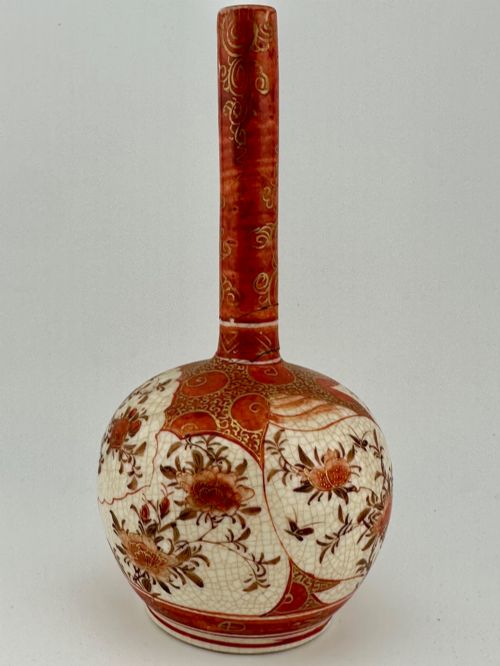
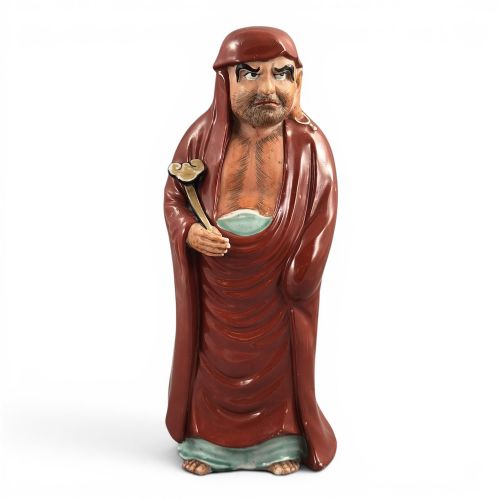
Antique kutani pottery comprises diverse ceramic objects originating from Japan, spanning the nineteenth century through the Taisho period. These pieces encompass decorative vases, shaped vessels, table lamps, plates, and figurative okimono sculptures.
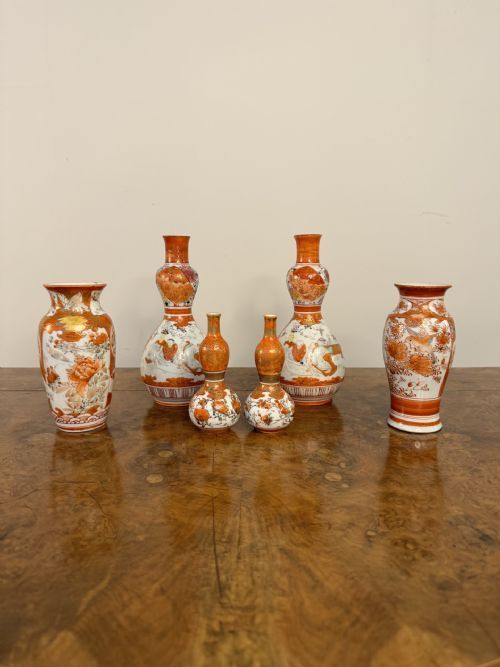
Vases dominate the selection, appearing singly or in matched pairs alongside complete sets of porcelain plates housed in storage boxes. Collectors frequently encounter long neck bottle vases, flare neck vessels, and pieces complete with carved wood stands.
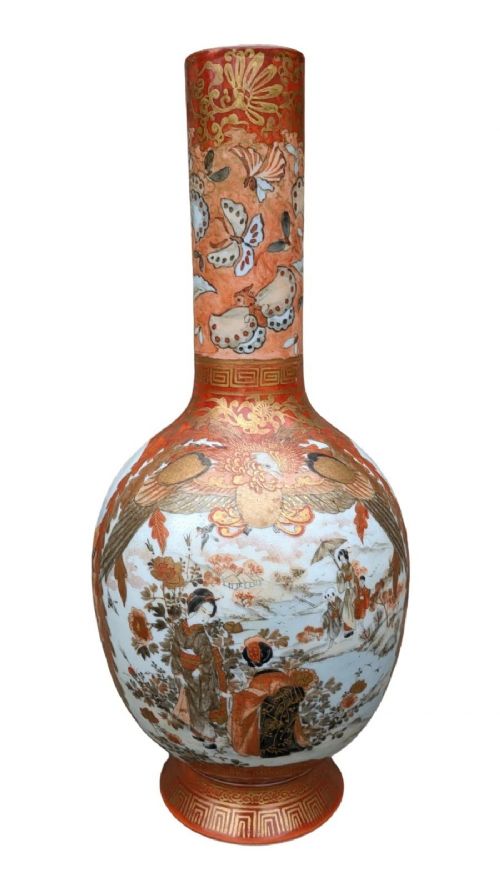
The aesthetic bridges traditional Japanese styles and Meiji period artistry, showcasing rich pictorial scenes alongside detailed ornamentation. Such items range from intimate hand painted small vessels to large, imposing decorative centrepieces.
Materials and construction
Makers shaped these items primarily from fine porcelain, applying intricate glaze and enamel decoration across the ceramic surfaces. Artisans incorporated heavy iron red pigments and meticulous gold leaf detailing to build up layered pictorial scenes.
Techniques such as moriage work created raised, tactile surface designs that stand out prominently from the porcelain body. Certain large vases and figurines incorporate functional elements like lion handles or come accompanied by fitted wooden stands.
Antique Kutani Pottery Retail Price Guide 2026
Typical asking prices for kutani pottery among the pieces listed under this phrase on Sellingantiques today, from the lower quarter to the upper quarter. They describe what is for sale here now, not the wider market.
Materials documented across the pieces include porcelain, enamel, gold leaf, iron, and carved wood.
Distinctions in quality
Superior examples of antique kutani pottery display exceptional precision in their hand painted enamelwork and lavish application of gold leaf. The fineness of the porcelain body and the complexity of decorative techniques like moriage elevate certain pieces above standard production wares.
Scale and form also dictate distinction, with large matched pairs and specialised objects such as detailed Daruma okimono figures commanding attention. Workshop attribution, particularly items linked to specific locations like Kaga, further separates exceptional pieces from unsigned items.
Kinrin Workshop
The Antique Kutani Pottery Glossary
- Moriage
- A Japanese ceramic technique using clay applied in dots or lines to create raised relief decoration. This method adds a tactile, three-dimensional quality to the surface of the pottery.
- Okimono
- A Japanese decorative figurine intended for display in an alcove or on a shelf. These carved or modelled objects depict figures such as Daruma.
- Daruma
- A traditional Japanese representation of Bodhidharma depicted as a seated figure. These porcelain sculptures often feature expressive facial details.
- Meiji Period
- The era in Japanese history spanning from eighteen sixty-eight to nineteen twelve. Pieces from this time often exhibit elaborate enamel and gilt ornamentation.
Antique Kutani Pottery: Frequently Asked Questions
What is antique kutani pottery?
Antique kutani pottery consists of Japanese ceramic items, predominantly porcelain vases, plates, and figurines decorated with vibrant enamels and gilt.
These pieces span the nineteenth and early twentieth centuries, capturing traditional craftsmanship from the Meiji and Taisho periods.
How do I date antique kutani?
Dating relies on stylistic markers associated with the Meiji period, Taisho era, and broader nineteenth century manufacturing techniques.
Examining the application of iron red, gold leaf, and moriage relief work helps determine the approximate period of creation.
How should I display kutani vases?
Larger vases often come with fitted carved wood stands that elevate the ceramic body and protect surfaces.
Pairing matching vases on mantelpieces or cabinets highlights the symmetry and detailed hand painted enamelwork typical of these wares.