



Antique Kitchen Work Table
An antique kitchen work table brings honest utility and time-worn character to a modern interior, serving as the hardworking centre of daily life.
Antique Kitchen Work Table
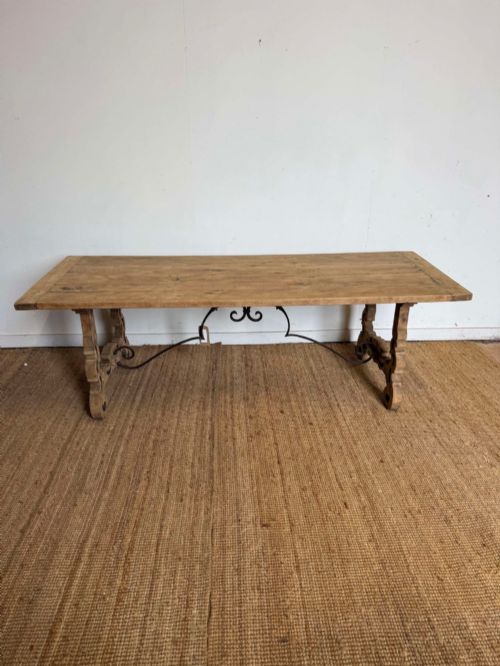
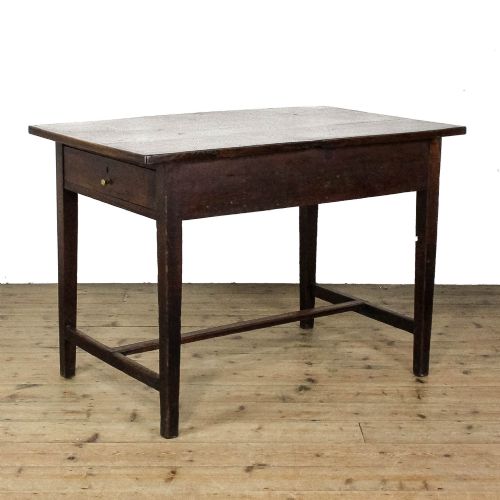
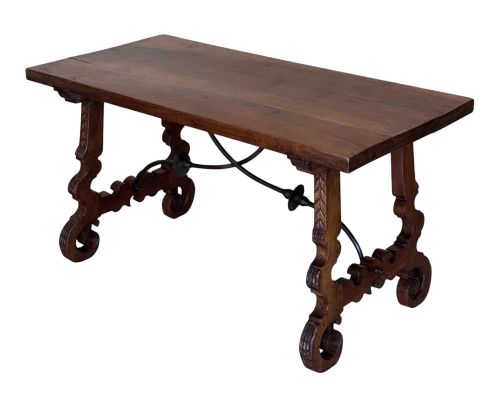
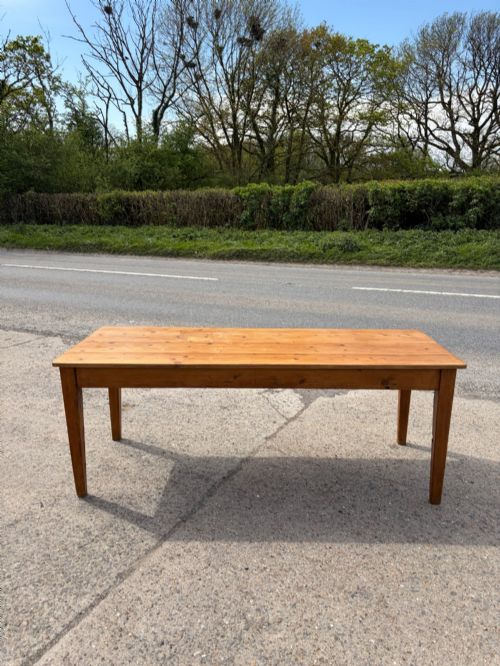
When searching for an antique kitchen work table, buyers encounter sturdy utilitarian surfaces designed for food preparation, baking and daily domestic labour in past centuries. These pieces span the nineteenth and early twentieth centuries, drawing from regional traditions across Britain, France, Sweden and Spain.
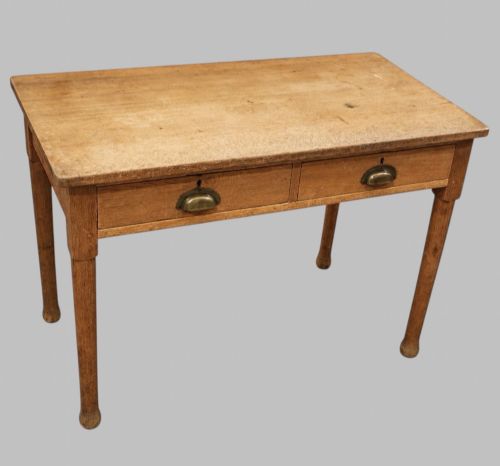
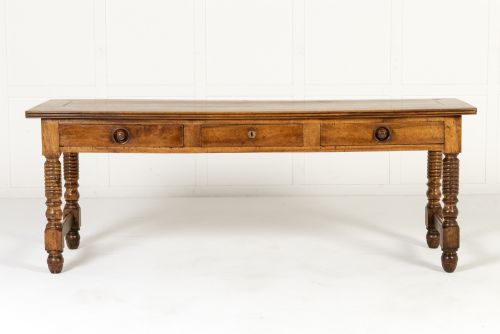
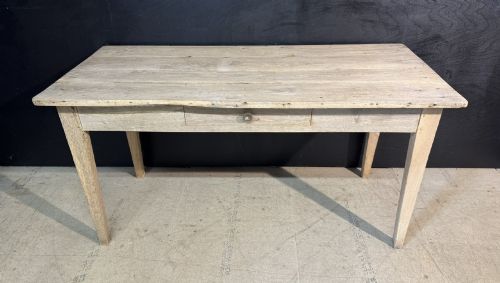
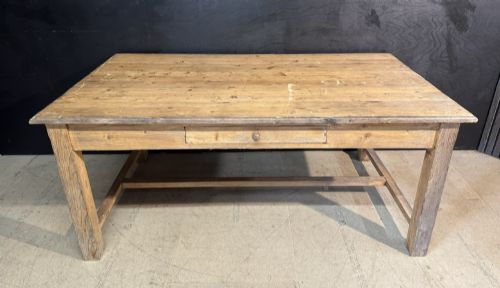
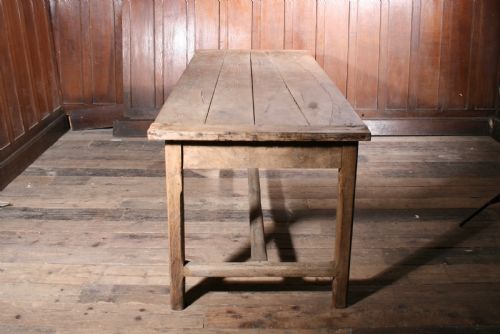
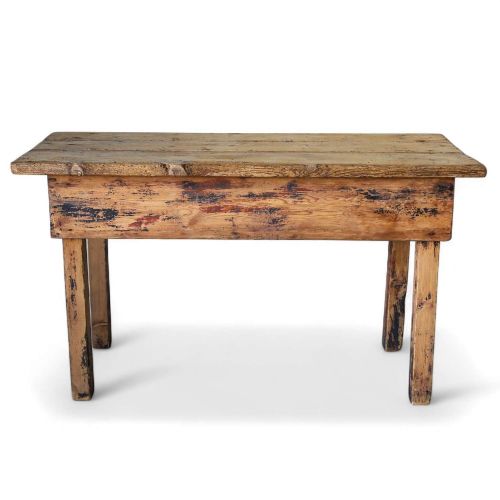
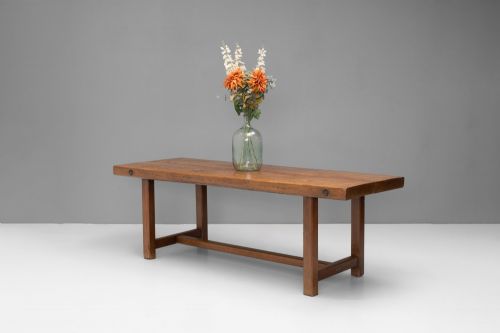
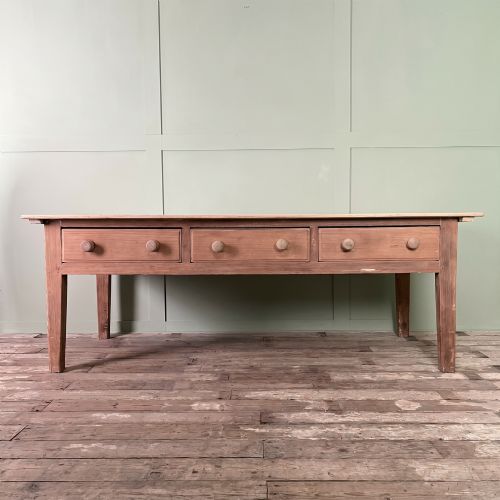
The most common forms on this page are pine dairy and prep tables, alongside robust oak and fruitwood farmhouse designs. Variations range from simple single-drawer pine tables to French drapers tables, patisserie counters and heavy artisans workbenches fitted with vices.
Styles lean towards rustic farmhouse, country house and provincial designs rather than formal parlour furniture. They function equally well today as kitchen islands, dining tables or side consoles in country and contemporary settings alike.
Materials and construction
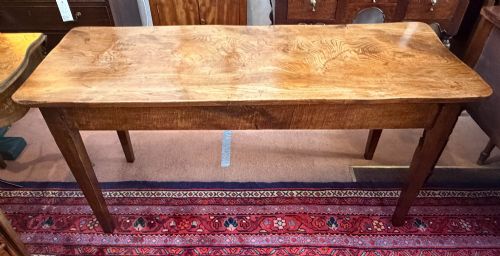
Makers relied primarily on solid pine, oak, fruitwood and sycamore for tops and frames, selecting timbers that could endure heavy daily use. Softwood pine provided an accessible surface for scrubbed scullery and dairy tables, while denser hardwoods like oak and beech suited commercial workbenches and bread prep tables.
Construction techniques prioritise unyielding strength through thick plank tops, mortise and tenon joints, and sturdy trestle or X-frame bracing. Iron, brass and wrought hardware, including drawer pulls and vices, reinforced joints and added functional capacity.
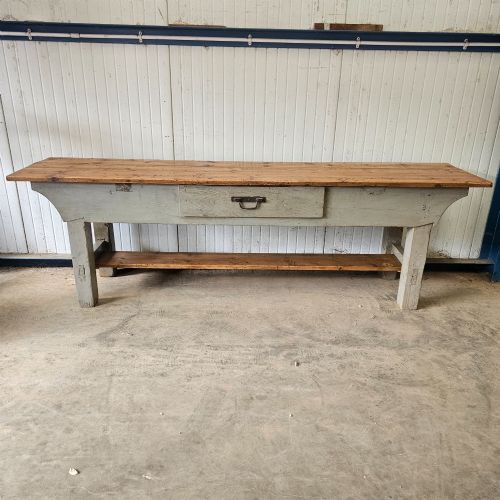
Surfaces frequently show the remnants of original paint finishes, Falu red, or later washes, layered over decades of scrubbing and wear. Tabletops often display deep grain patination, scoring and staining accumulated from active food preparation.
Antique Kitchen Work Table Retail Price Guide 2026
Typical asking prices for kitchen work table among the pieces listed under this phrase on Sellingantiques today, from the lower quarter to the upper quarter. They describe what is for sale here now, not the wider market.
Listings feature pine, oak, walnut, fruitwood, and iron across nineteenth-century farmhouse and workshop forms.
Assessing quality and character
Quality in these utility pieces rests upon the integrity of the original construction and the depth of surface patination. Tables that retain their original painted legs or unblemished board tops command greater interest than heavily altered or stripped examples.
Proportion and scale dictate the visual weight of the piece within a room, with balanced overhangs and well-proportioned drawer friezes marking superior cabinet-making. Finer pieces combine robust utility with refined joinery, such as cleated ends and pegged joints executed with precision.
Trussant And Cie
The Antique Kitchen Work Table Glossary
- Dairy table
- A utilitarian wooden table historically used for milk processing and cheese making, characterised by scrubbed softwood tops. These surfaces were chosen because they could withstand frequent washing with cold water.
- Drapers table
- A long, often narrow table originally utilised in textile shops for measuring and cutting cloth. Their generous length and shallow proportions make them adaptable for modern dining or kitchen island use.
- Scullery table
- A heavy-duty wooden table built for messy kitchen tasks like washing and food preparation. They typically display robust pine construction designed to endure relentless domestic labour.
- Patination
- The surface sheen, colour softening and texture developed through decades of handling, cleaning and exposure to light. It serves as a visual indicator of age and authenticity.
- Frieze
- The horizontal band situated directly beneath the tabletop, frequently housing one or more shallow storage drawers. In quality pieces, the drawer rails are cleanly fitted into the surrounding timber frame.
Antique Kitchen Work Table: Frequently Asked Questions
How do I clean an old pine table?
Scrub the wooden top gently with warm soapy water and a stiff natural bristle brush, following the direction of the grain. Avoid harsh chemical strippers that destroy the accumulated historical patination.
Allow the timber to dry naturally away from direct heat sources. Nourish dry softwood occasionally with a clear beeswax to protect the fibres without sealing them entirely.
Can I use a prep table for dining?
These tables adapt well to daily dining because their original purpose required generous, stable surface areas. The comfortable knee clearance beneath most work tables accommodates standard dining chairs.
Consider the height and depth of any under-frame drawers before seating guests. Many nineteenth-century examples offer ample legroom despite their robust timber framing.
What is a drapers table used for?
Drapers tables were originally designed for measuring and folding textiles in retail shops. Their exceptional length and narrow profile provide a striking architectural footprint in domestic spaces.
Today they function effectively as narrow kitchen islands or hallway console surfaces. Their elongated proportions allow for serving food or displaying decorative objects without blocking walkways.
How do I date a nineteenth-century table?
Examine the timber saw marks, nail types and drawer construction for clues to the manufacturing period. Hand-sawn boards and pegged joinery generally indicate earlier nineteenth-century production.
Look for signs of wear patterns that align with the structural joints. Original paint finishes or traces of regional treatments like Swedish Falu paint also help narrow down the decade.