

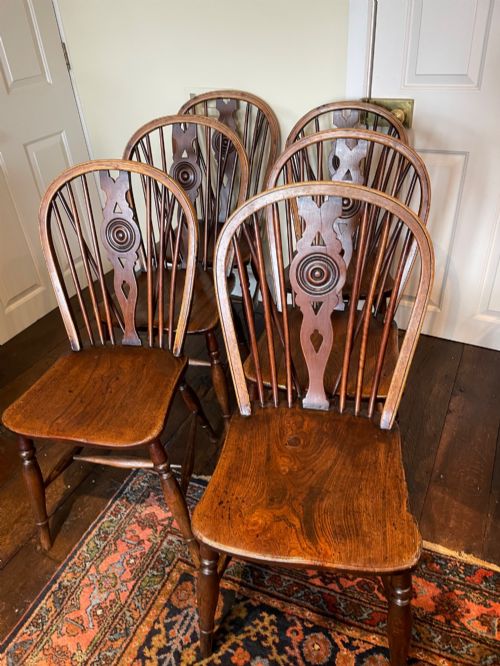
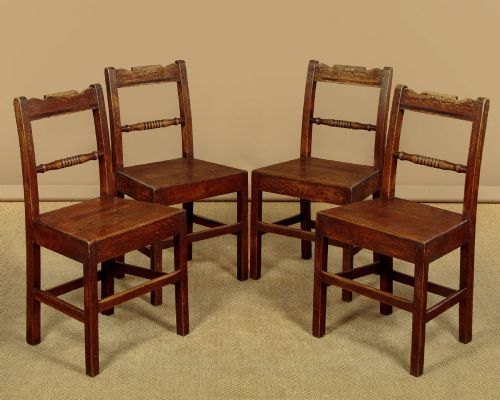
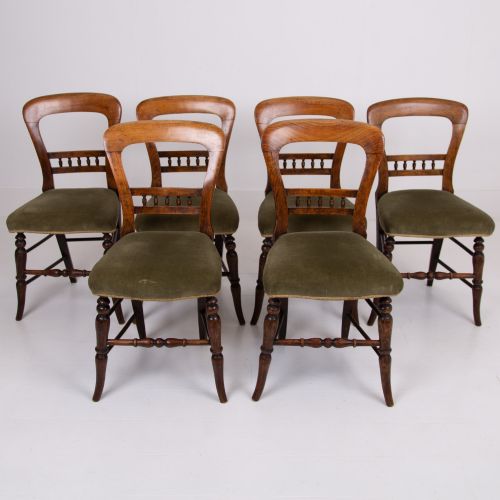
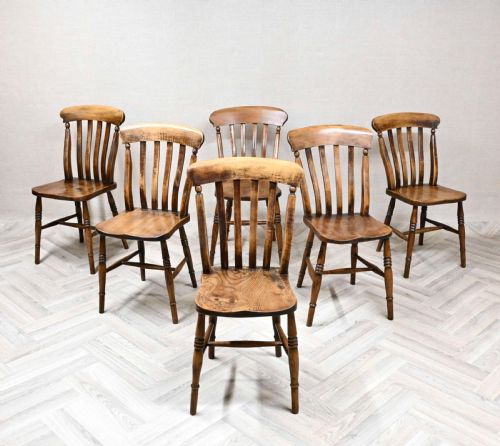
Antique Kitchen Side Chairs
These antique kitchen side chairs bring honest utilitarian charm to a room, offering sturdy seating shaped by generations of domestic use.
Antique Kitchen Side Chairs
When you search for antique kitchen side chairs, you encounter robust seating designed for everyday domestic labour rather than formal dining rooms. These pieces originate from periods ranging from the Georgian era through to the early twentieth century, reflecting the practical needs of country kitchens and farmhouses.
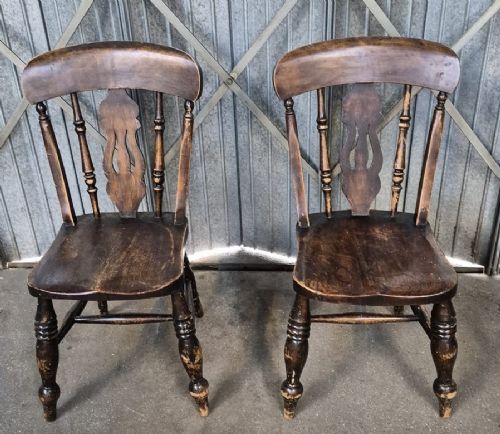
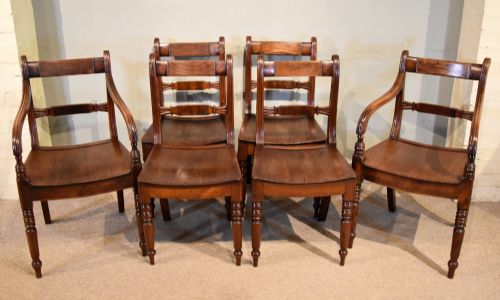
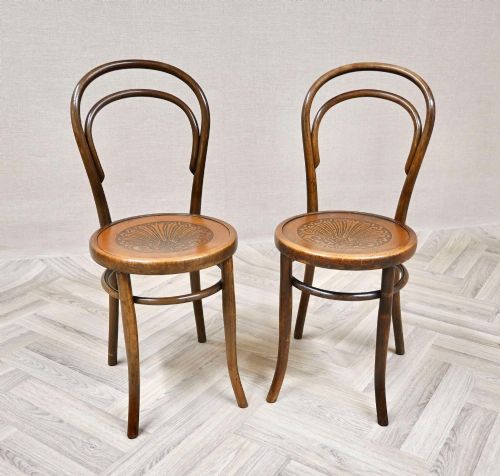
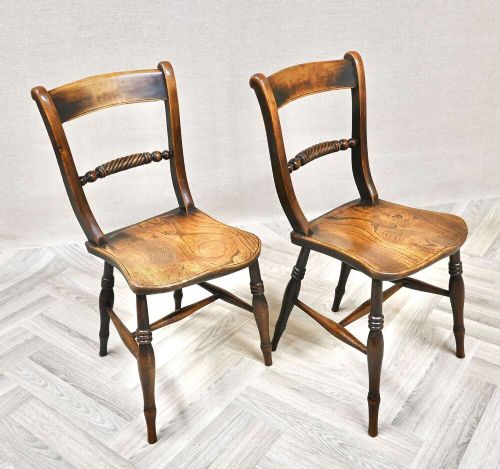
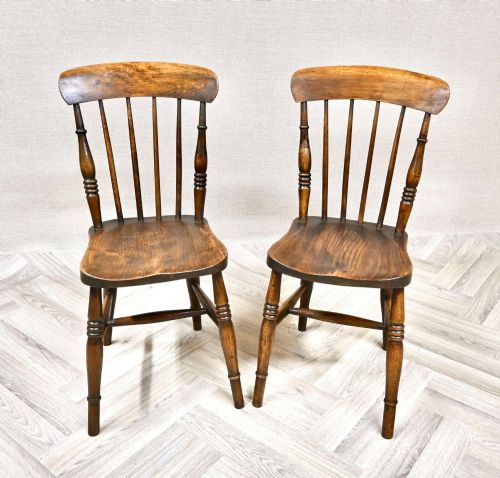
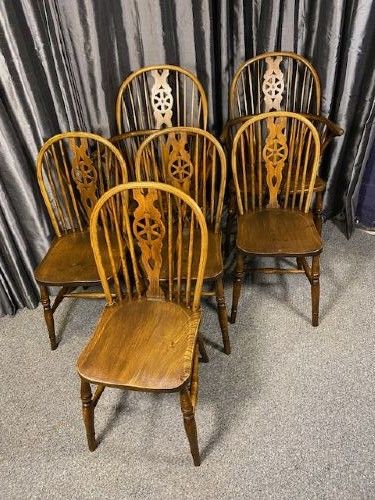
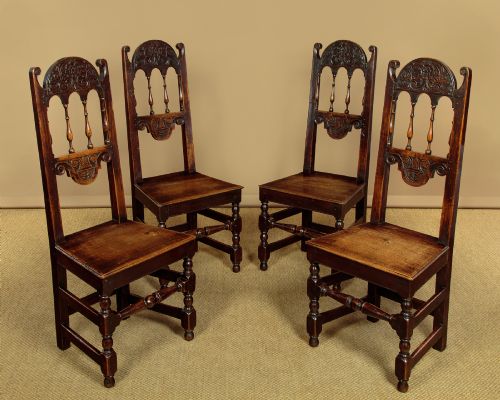
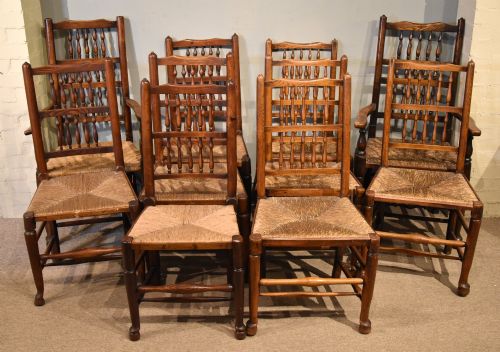
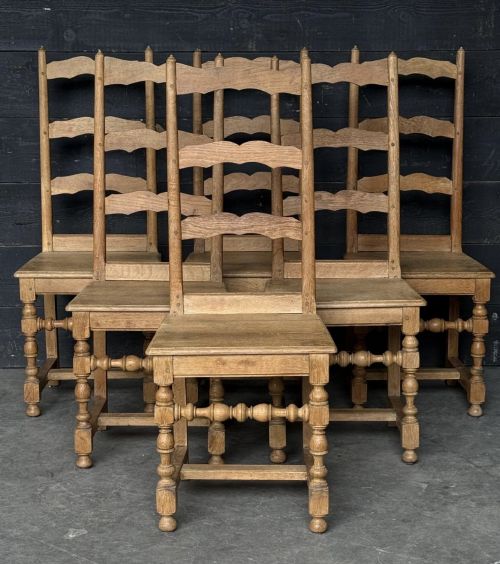
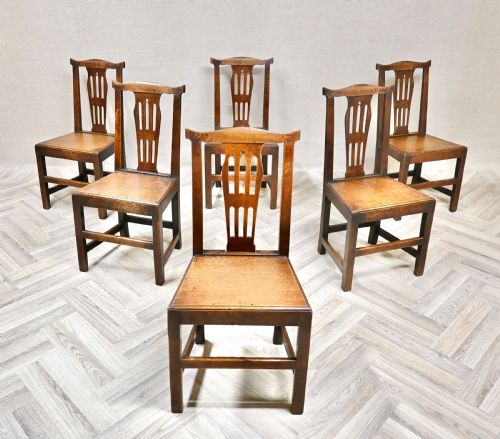
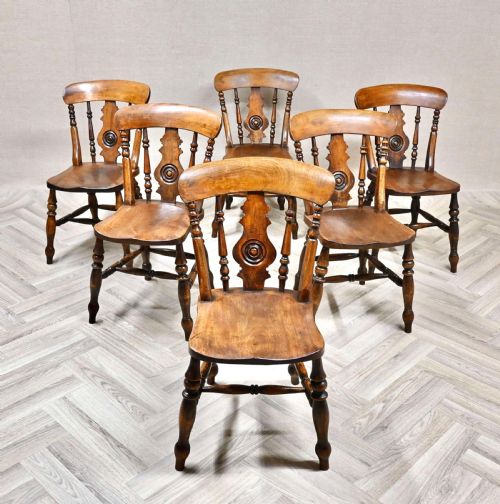
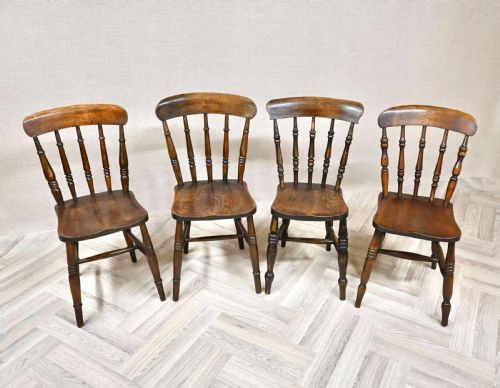
The selections on this page span several distinct regional forms, including Windsor designs, ladderbacks, and spindle backs. You will frequently find them gathered in sets or assembled as harlequin groups, combining various woods and regional characteristics within a single collection.
Most examples hail from the nineteenth and early twentieth centuries, drawing upon English country, rustic farmhouse, and Arts and Crafts traditions. Their primary function was utilitarian, yet their enduring construction makes them well-suited for modern domestic settings.
What varies in quality
The distinction between ordinary utility seating and finer workshop production lies in the selection of timber and the articulation of turned details. Superior examples display carefully chosen grain patterns on solid elm seats and well-balanced spindle turnings that maintain structural integrity.
Harlequin sets demonstrate quality through the harmonious matching of proportion and regional style rather than strict uniformity. The depth of patina developed through decades of polishing also distinguishes pieces that retained their original surface from those heavily altered by later intervention.
Antique Kitchen Side Chairs Retail Price Guide 2026
Typical asking prices for kitchen side chairs among the pieces listed under this phrase on Sellingantiques today, from the lower quarter to the upper quarter. They describe what is for sale here now, not the wider market.
Look closely and you might even spot an advertising chair bearing the stamp of a nineteenth-century match soap manufacturer.
The Antique Kitchen Side Chairs Glossary
- Harlequin set
- A collection of chairs assembled to match in general style, period, or form while individual pieces vary slightly in detail. These groups were often gathered over time rather than purchased as a single factory batch.
- Windsor
- A chair style featuring a solid wood saddle-shaped seat into which the legs and back spindles are wedged directly. Regional variations include wheelbacks, lathbacks, and comb backs.
- Lathe back
- A chair back incorporating flat, horizontally or vertically aligned wooden slats shaped on a lathe. This design provided sturdy back support in nineteenth-century kitchen seating.
- Patina
- The surface sheen and colour developed by wood over many years through handling, waxing, and exposure to light. A desirable finish shows authentic age without heavy modern stripping.
- Stick back
- A minimalist chair construction where turned wooden spindles form the back support without a central splat. Thames Valley makers frequently utilised this format in elm and beech.
Antique Kitchen Side Chairs: Frequently Asked Questions
Are they comfortable for daily dining?
Many nineteenth-century examples feature ergonomically carved wooden seats shaped to fit the body comfortably during long meals. Their sturdy construction makes them practical for regular daily use around a kitchen table.
Adding loose squab cushions can provide extra softness if preferred for extended seating.
How do I care for wooden seats?
Maintenance requires occasional application of traditional beeswax to nourish the timber and preserve the historic surface patina. Avoid placing them near direct heat sources or in damp environments to prevent wood movement.
Cleaning should be done with a soft, dry cloth rather than harsh modern detergents.
Why buy a harlequin set?
Harlequin sets offer a gathered appearance where individual chairs share common periods, heights, or materials while displaying subtle regional variations. This approach reflects how country households naturally acquired and mixed furniture over generations.
Such collections provide flexible seating arrangements without requiring a strict factory-matched suite.
How can I tell the period?
Dating relies upon examining construction methods, tool marks, timber selection, and established stylistic details associated with specific decades. Georgian and Victorian examples often display hand-turned spindles and pegged joinery distinct from later twentieth-century production.
Comparing the wear patterns and hardware to known regional benchmarks helps confirm the era of manufacture.