


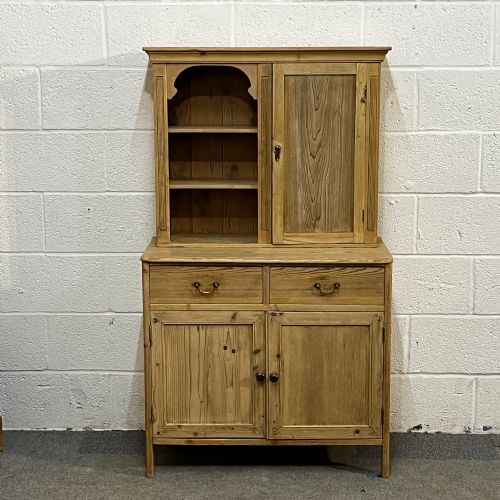
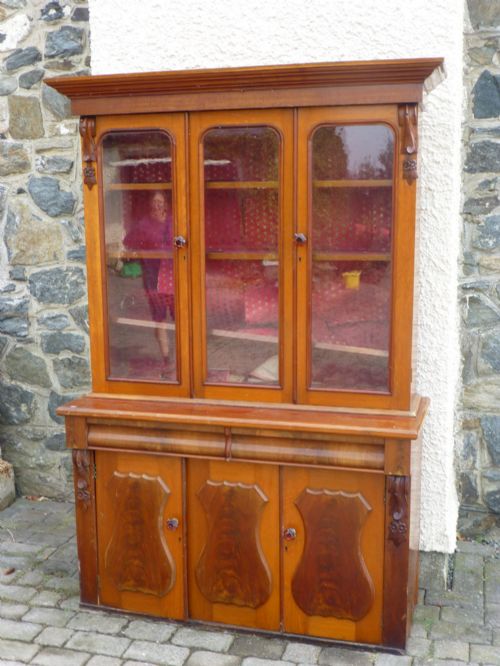
Antique Kitchen Cupboard
An antique kitchen cupboard brings utilitarian domestic storage from the nineteenth century into modern utility with solid wood construction.
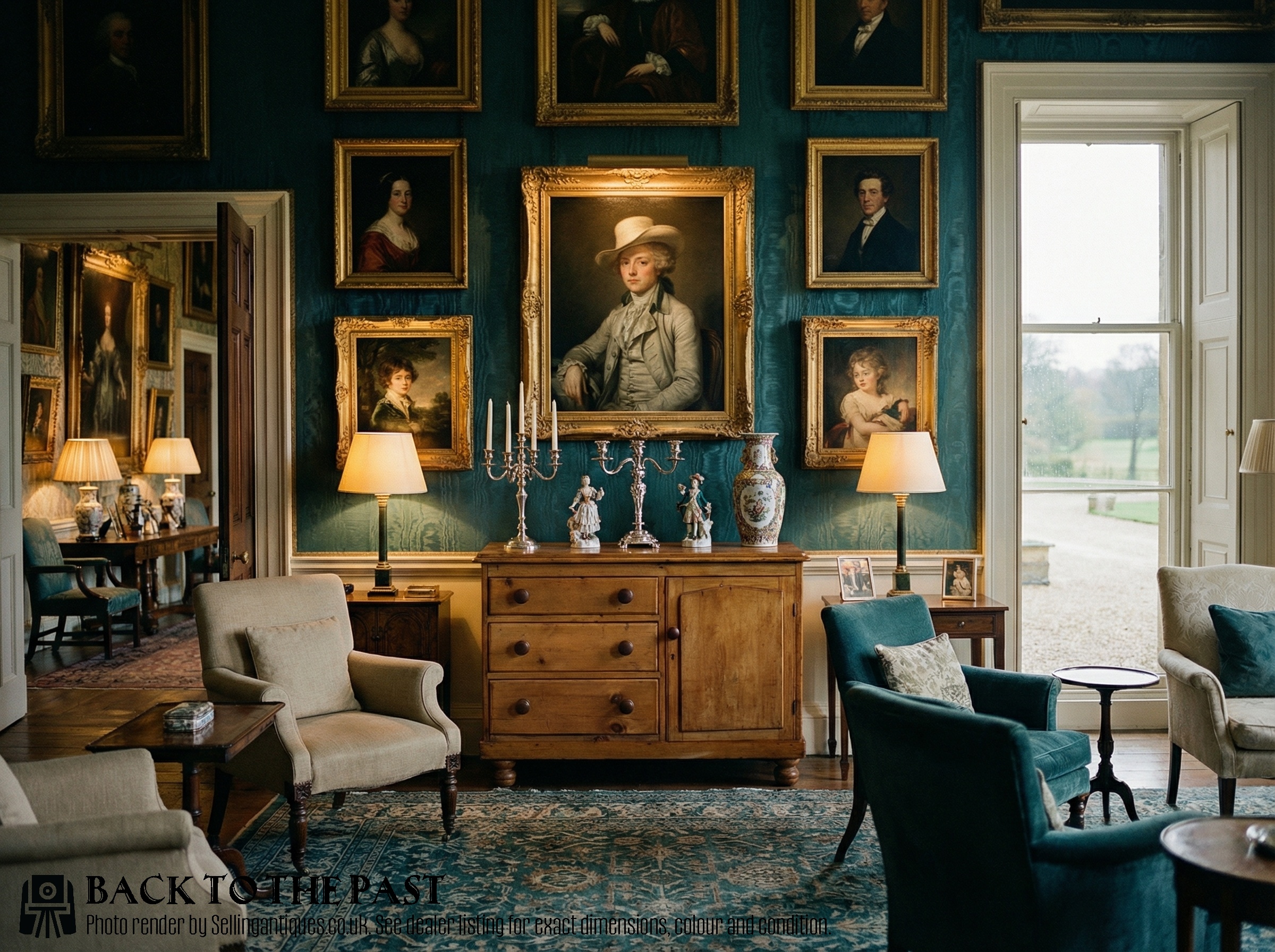
Form and Period
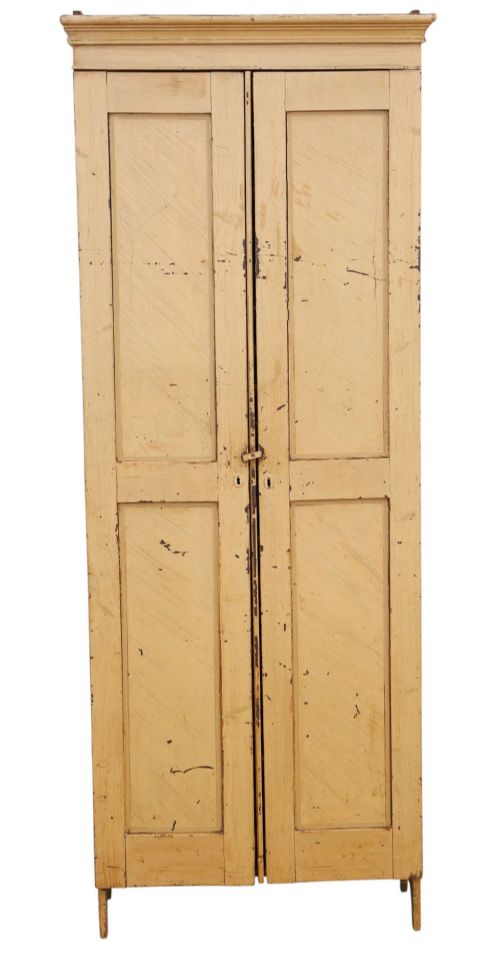
An antique kitchen cupboard comprises robust storage furniture built primarily during the nineteenth century, encompassing vernacular pieces like food cupboards, dresser bases, and larder cabinets. These items originate predominantly from English and Welsh country houses and farmhouses, reflecting rural domestic life.
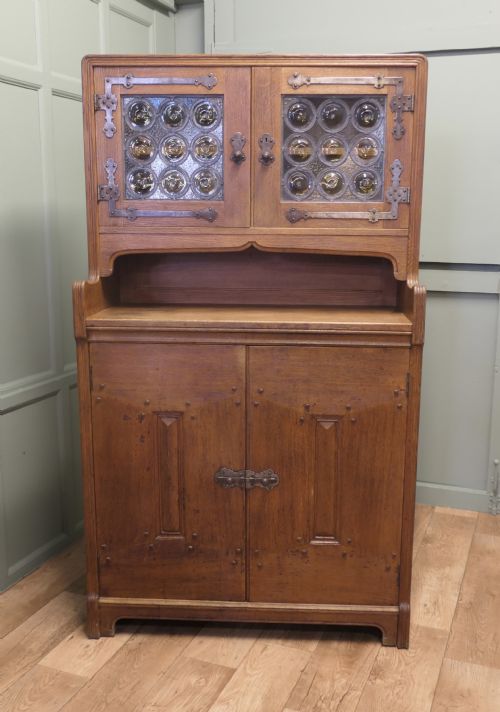
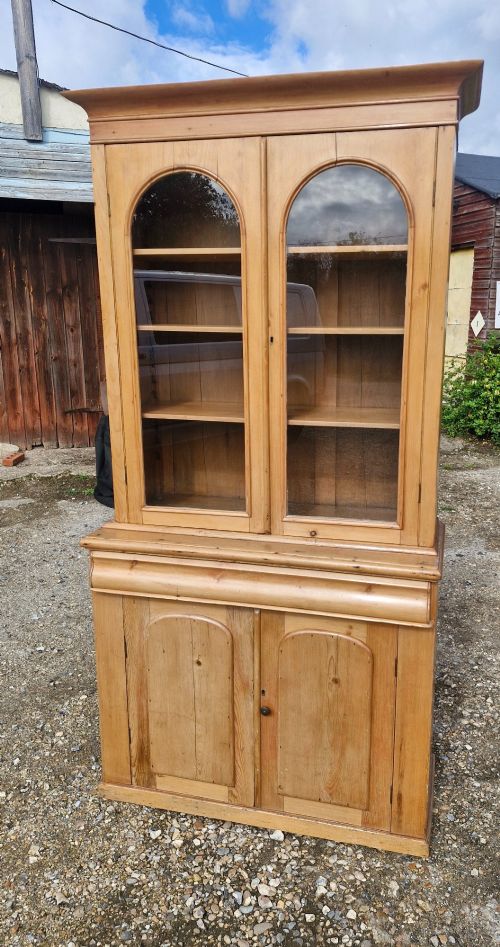
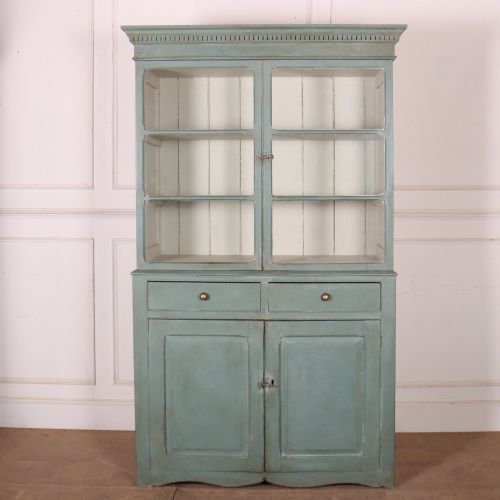
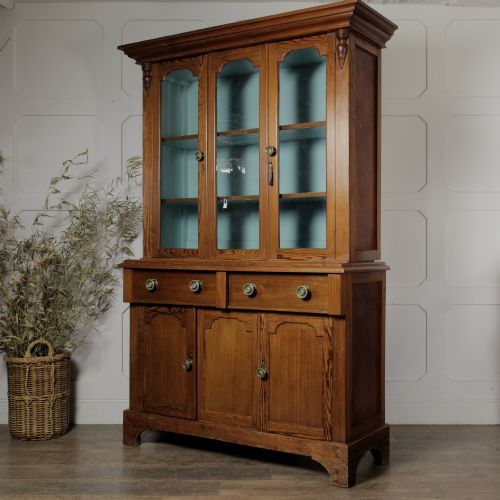
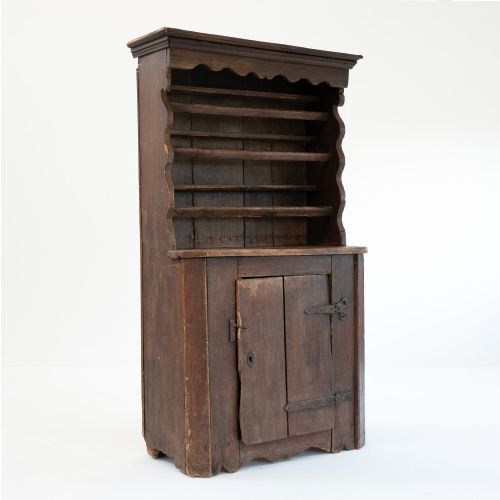
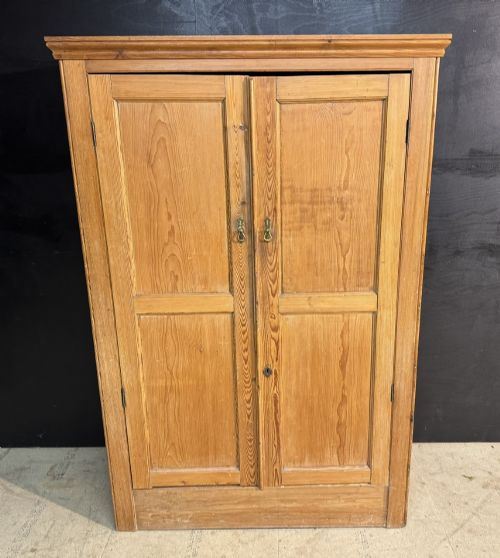
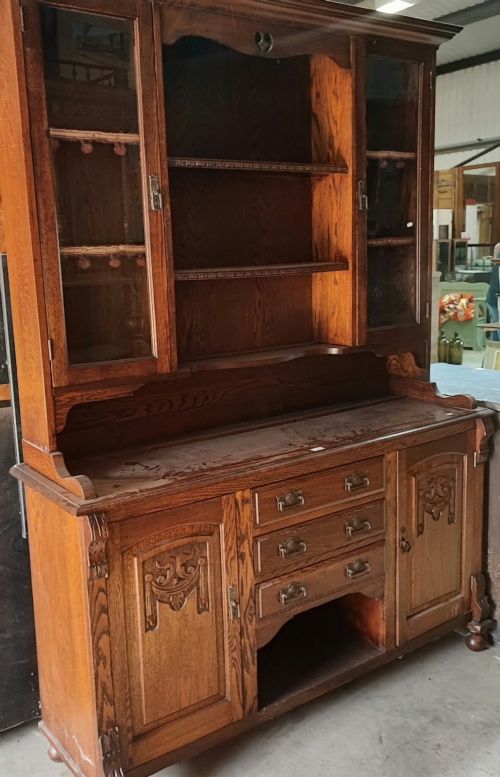
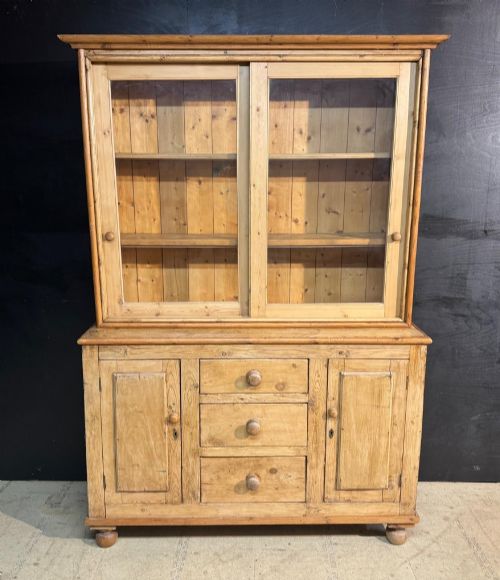
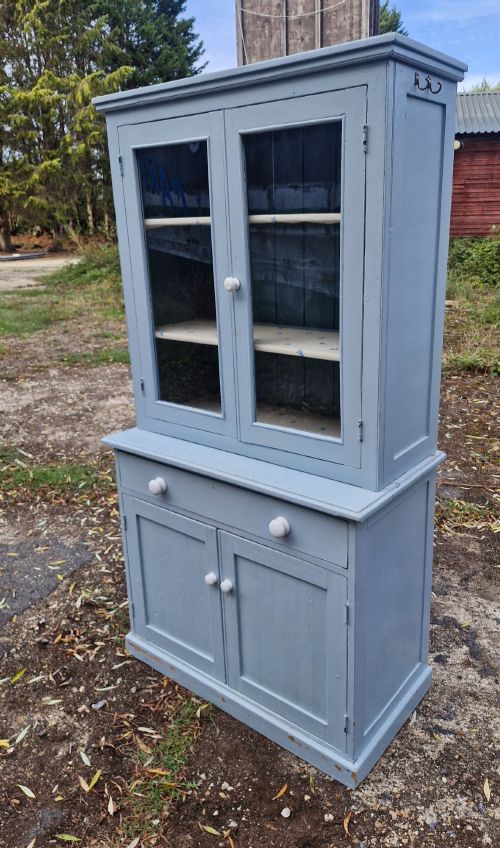
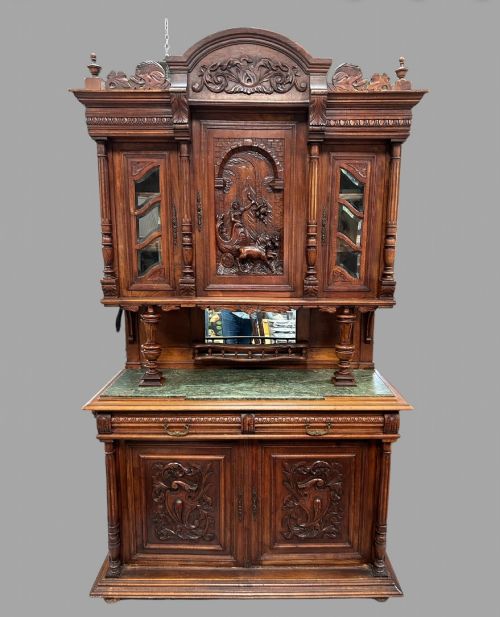
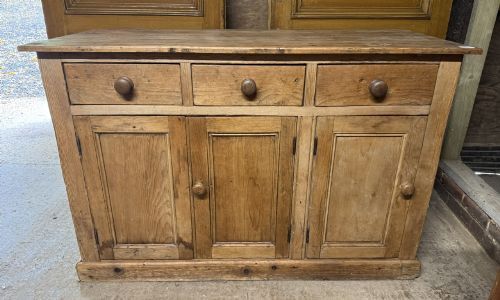
The most common examples encountered on this page are pine kitchen cupboards and dresser bases dating from the Victorian period around eighteen fifty, frequently showing traces of original paint or wax finishes. Larger variants incorporate open plate racks, glazed display sections, or multiple drawers for comprehensive kitchen organisation.
Materials and Construction
Joiners constructed these pieces using solid timbers such as pine, oak, and cedar, supplemented by brass hardware, ceramic details, and occasionally glass for display doors. Many surfaces received early coats of paint, while others were waxed to protect the underlying grain.
Functional adaptations appear frequently, including pull-out breadboards, enamel worktops, and ventilation panels in food storage sections. Construction relies on traditional joinery techniques suited to heavy daily use in domestic kitchens and larders.
Retail Price Guide 2026
Typical UK retail prices for kitchen cupboard, calculated from the Sellingantiques database of over a million retail prices indexed since 2003. This retail price guide relies exclusively on Sellingantiques data; no external sources or auction records are used, so the figures do not describe the wider market.
Some nineteenth-century cupboards secretly doubled as domestic hiding spots for the household cheese supply.
Gradations in Quality
The distinction between standard utility furniture and superior examples lies in the selection of timber and the preservation of original finishes, such as untouched historical paintwork. Pieces retaining their original hardware, functioning drawers, and structural integrity command greater appreciation among collectors.
The Antique Kitchen Cupboard Glossary
- Dresser base
- A low sideboard or cabinet featuring cupboards and drawers, historically used for food preparation and storage in the kitchen.
- Food cupboard
- A ventilated cabinet designed to store perishables before mechanical refrigeration became common in households.
- Larder cupboard
- A tall storage unit equipped with shelves and compartments specifically for keeping provisions organised in domestic settings.
- Plate rack
- An open wooden shelving structure mounted above a dresser base to display ceramic tableware.
- Cwpwrdd bara caws
- A traditional Welsh food cupboard, also known as a bread and cheese cupboard, featuring perforated panels for air circulation.
Frequently Asked Questions
What is an antique kitchen cupboard used for?
These pieces function as versatile storage furniture in modern homes, accommodating tableware, dry goods, or linens.
Their substantial construction makes them suitable for daily domestic utility while adding historical character to a room.
How do I identify a Victorian pine cupboard?
Victorian examples typically exhibit dense pine construction, often with traditional dovetail joinery in the drawer construction.
Look for surface traits such as original accumulated layers of paint or a deep waxed patina developed over decades of kitchen use.
Are these cupboards made of solid wood?
The listings consist entirely of solid timbers, predominantly pine and oak, alongside occasional use of cedar.
This robust material choice ensures the structural longevity observed in nineteenth-century country furniture.
What is the difference between a dresser base and a larder cupboard?
A dresser base is a lower sideboard unit with a combination of cupboards and drawers, sometimes paired with an open plate rack above.
A larder cupboard stands much taller, providing enclosed vertical shelving designed specifically for food provisions and household stores.