

Antique Kitchen Cupboard Dresser
An antique kitchen cupboard dresser brings heavy timber storage and display shelving directly from old sculleries into modern dining spaces.
Antique Kitchen Cupboard Dresser
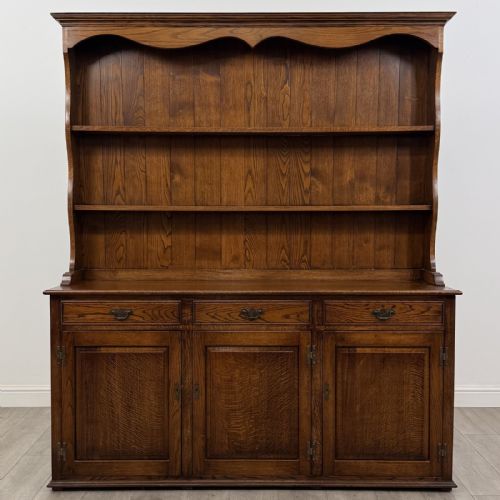
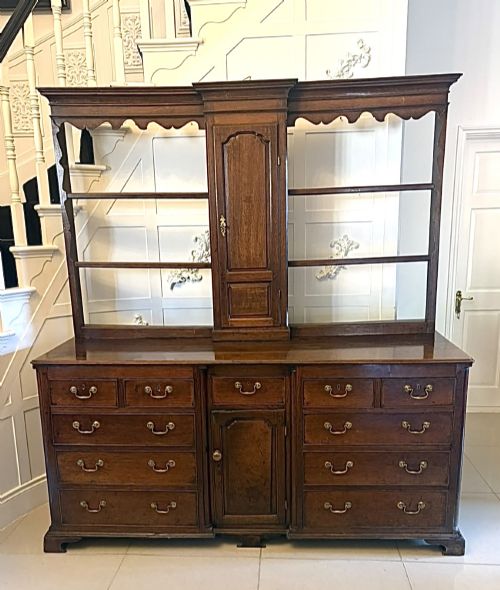
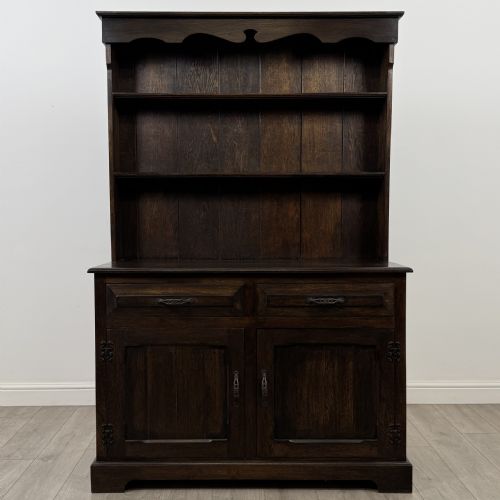
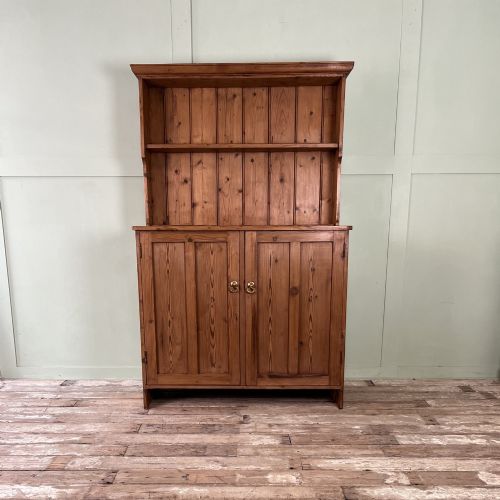
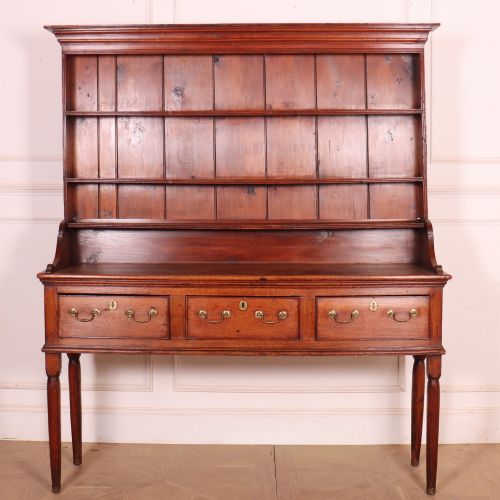
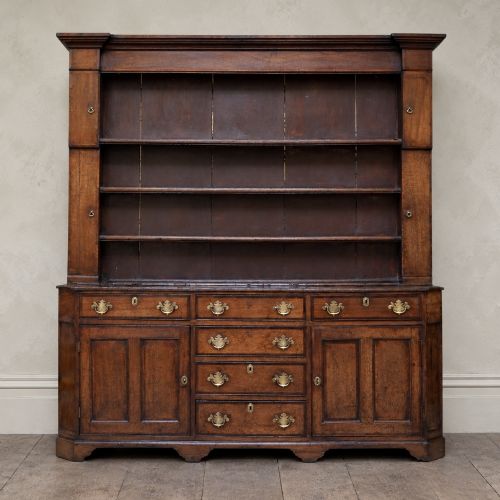
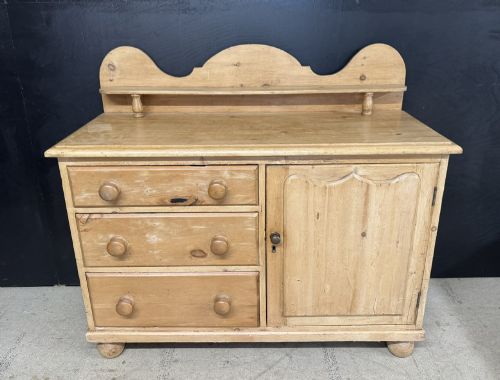
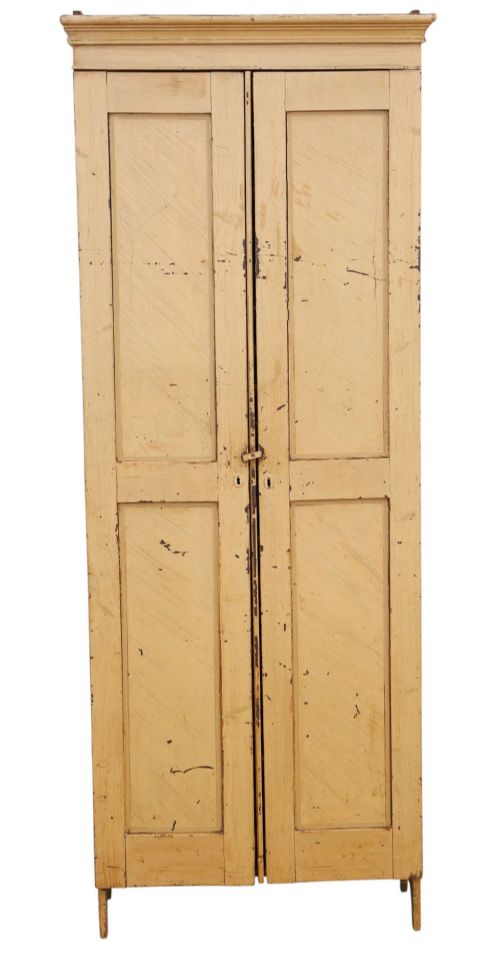
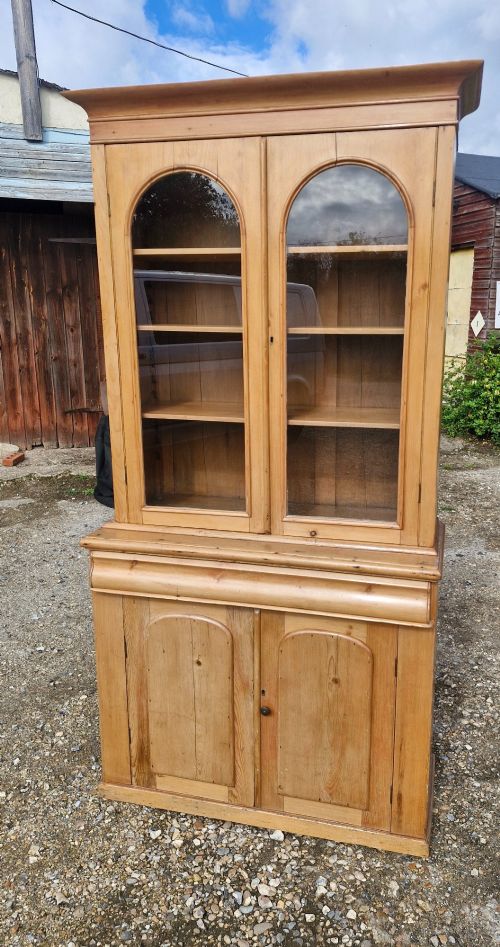
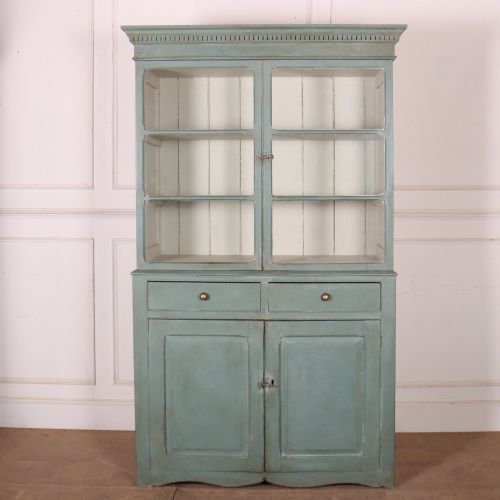
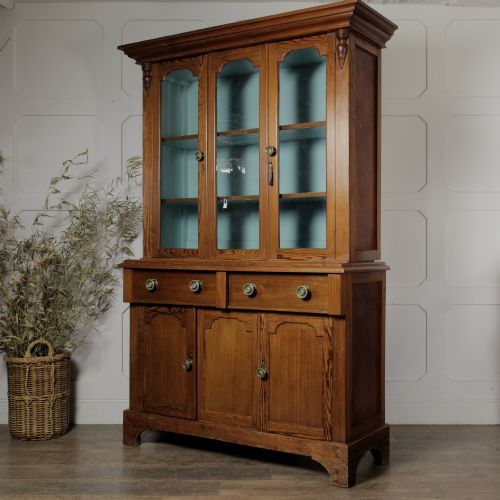
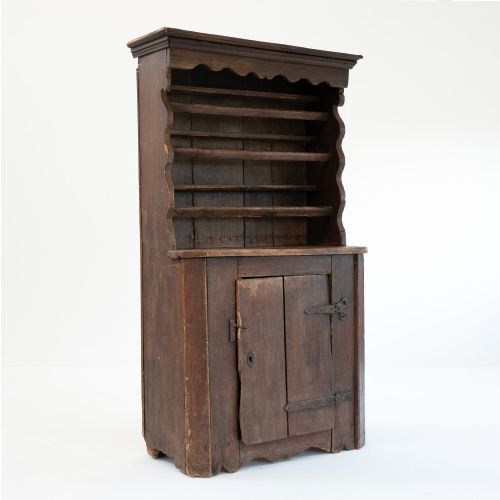
An antique kitchen cupboard dresser combines lower storage drawers and cupboards with upper plate racks or glazed display cabinets, designed originally for household provisions and crockery. Buyers seeking this phrase encounter sturdy timber furniture ranging from tall nineteenth-century housekeeper cupboards to low Victorian and Georgian Welsh dresser bases.
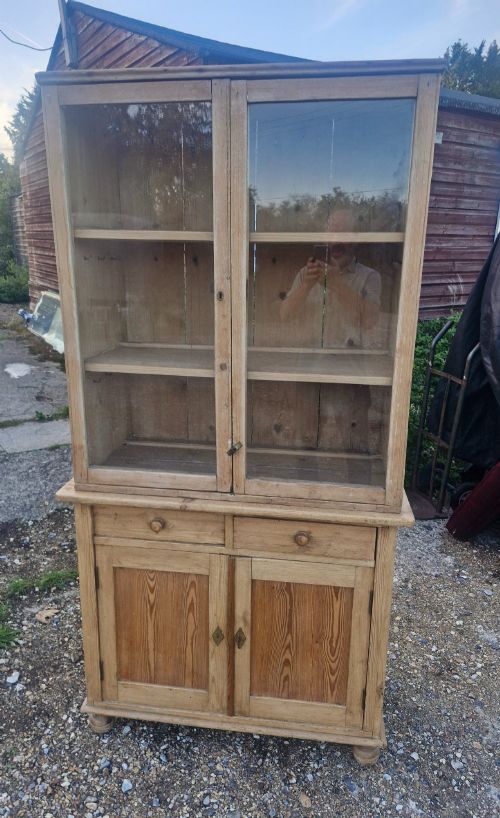
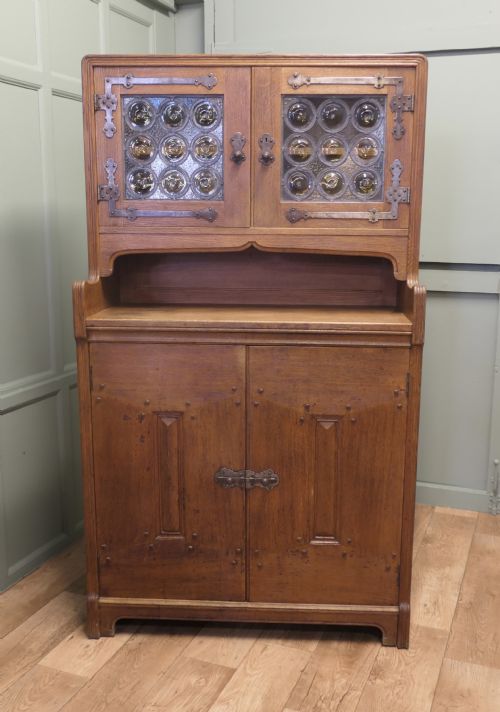
Regional variations appear frequently across the selection, including Welsh oak cottage dressers, French provincial walnut buffets, and stripped pine pieces from English country workshops. Forms span simple two-door cupboard bases to complex multi-tier glazed bookcase cabinets fitted with brass hardware and iron hinges.
What varies in quality
Quality separates through the integrity of the original timber, the crispness of hand-carved details, and the survival of early or untouched painted finishes. Superior examples retain their original brass handles, matching timber backs, and structurally sound joinery without extensive board replacement.
Proportion and scale distinguish standard utility furniture from finer architectural commissions, such as large eighteenth-century Welsh or French pieces with integrated clock cases or complex cornices. The balance between the upper rack and lower cupboard base determines the overall visual weight and harmony of the piece.
Several Welsh dressers incorporate bread and cheese cupboards designed with perforated zinc panels to keep dairy cool from mice.
Hudson Bros·Liberty
The Antique Kitchen Cupboard Dresser Glossary
- Welsh dresser
- A traditional kitchen furniture form featuring an open plate rack mounted above a base of drawers and cupboards. These pieces originated for domestic storage and display.
- Housekeeper cupboard
- A large tall storage cabinet traditionally used for linens, dry goods, and provisions in large country houses. They typically feature multiple doors enclosing deep shelving.
- Buffet deux corps
- A traditional French two-body cabinet consisting of a lower cupboard section surmounted by a slightly narrower upper glazed or panelled cupboard. This architectural form provides substantial vertical storage.
- Glazed cupboard
- A display cabinet fitted with glass panes in the doors to protect china and books while keeping contents visible. These are frequently integrated into the upper sections of kitchen dressers.
- Dresser base
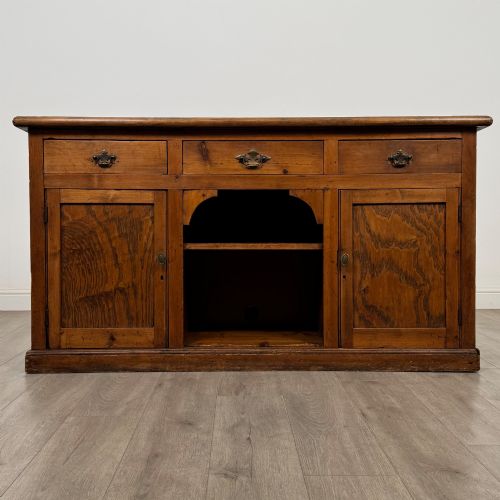
- The lower section of a kitchen dresser comprising a solid wooden top above rows of drawers and enclosed cupboards. Many survive independently without their original upper plate racks.
Antique Kitchen Cupboard Dresser: Frequently Asked Questions
What is an antique kitchen cupboard dresser?
An antique kitchen cupboard dresser is a substantial dual-purpose item of furniture featuring lower storage cupboards combined with upper display shelving or glazed cabinets. They served historically as the central storage hub for domestic dishware, linens, and provisions.
Today these pieces anchor farmhouse kitchens and dining rooms, providing functional storage alongside traditional period character.
How were these dressers used historically?
Households utilised the open plate racks and glazed upper sections to display everyday ceramic tableware and pewter collections. The lower drawers and enclosed cupboards held linens, dry foodstuffs, and heavy kitchen utensils.
In larger country houses, specialised cupboards managed provisions under the direct supervision of the housekeeper.
How do I live with a large wooden dresser?
Living with these large timber cabinets requires considering ceiling height and floor space, as many examples stand tall and possess considerable depth. They anchor a room effectively when utilised for everyday tableware or library storage.
Maintenance involves regular waxing for unpainted timber surfaces and gentle dusting of glazed panels and open shelves.
How can I tell pine dressers apart from oak?
Oak furniture displays a dense, hard grain pattern with prominent medullary rays, frequently taking a deep golden or dark brown hue over centuries. Pine exhibits a softer, lighter grain with knots and accepts painted finishes or clear wax readily.
Pine pieces lean toward country utility and painted vernacular styles, whereas oak often indicates more formal construction or regional Welsh and English cabinet making.