




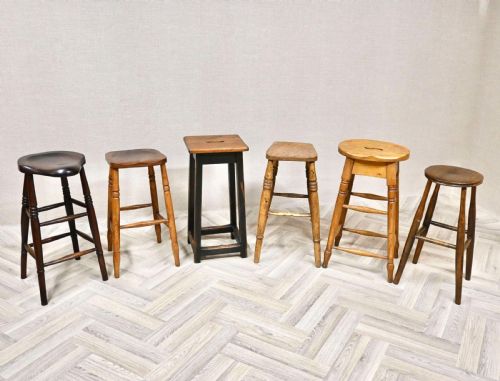
Antique Kitchen Counter
An antique kitchen counter brings functional heft and deep historical character into domestic spaces, drawing on robust commercial and utilitarian forms.
Antique Kitchen Counter
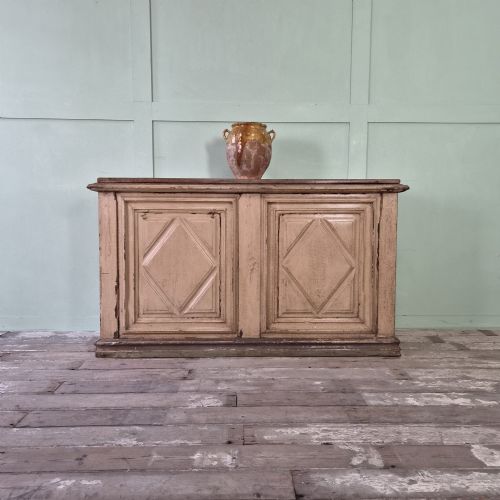
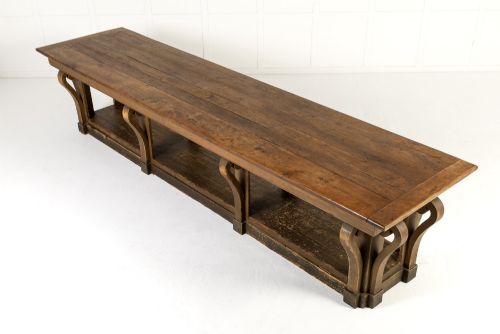
When you search for an antique kitchen counter, you encounter substantial working pieces originally built for shops, bakeries, drapers, and large country houses. These items span the nineteenth century through the early twentieth century, taking the form of commercial counters, drapers tables, and heavy prep surfaces.
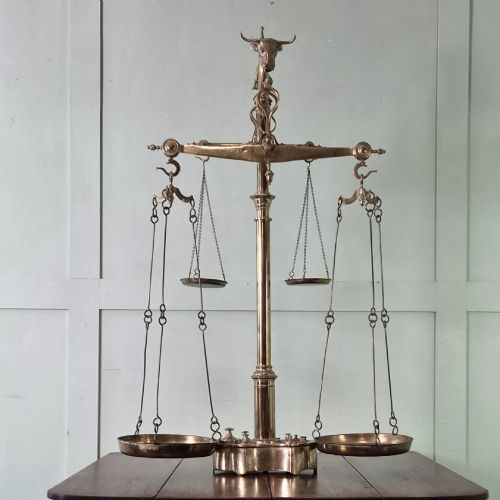
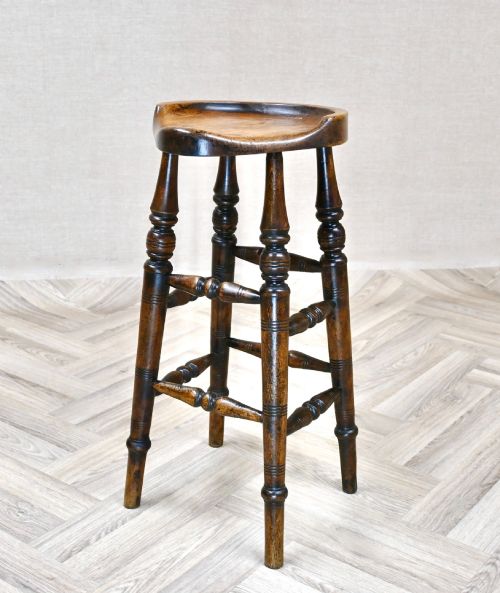
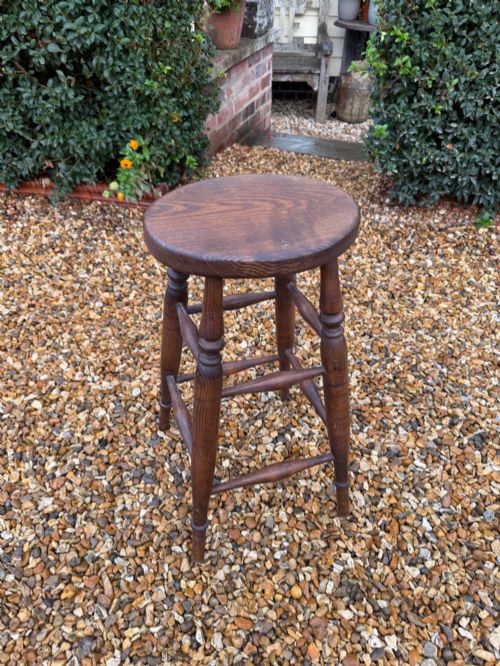
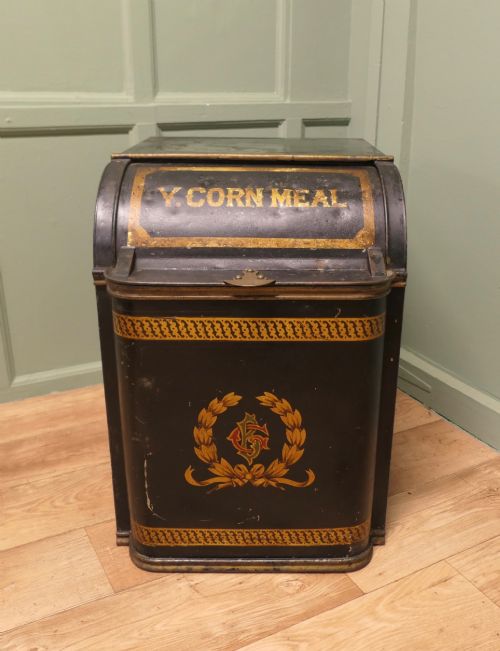
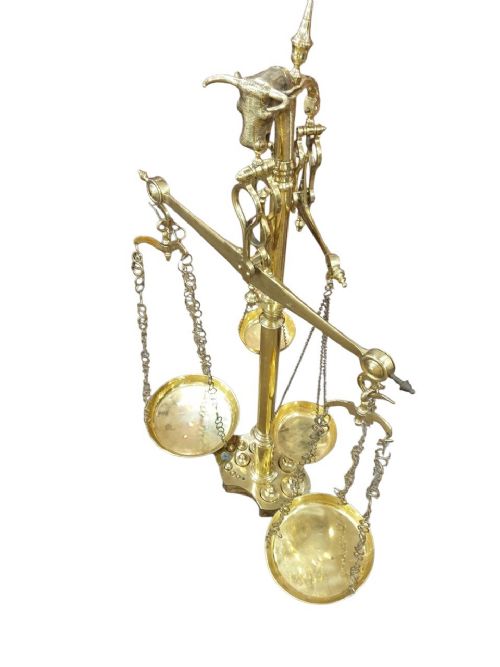
The version you are most likely to meet on this page is constructed from pine or oak, often displaying the original painted finishes or bleached surfaces characteristic of French and British utilitarian furniture. Alongside these main counters, you will discover related commercial items such as tall bar stools, shop fittings, and large balance scales.
Makers and workshops utilised durable native timbers like elm, beech, and sycamore to withstand heavy daily use in trade environments. This heavy-duty lineage ensures that pieces transition naturally into modern domestic kitchens as islands, sideboards, or preparation tables.
Materials and construction methods
Makers constructed these working surfaces primarily using solid timbers like pine, oak, and wild elm, selected for structural resilience rather than decorative display. Joinery relied on sturdy methods designed to bear weight and heavy handling over decades of commercial service.
Many surfaces retain layers of original paint, faux finishes, or natural wax patination built up through years of daily trade use. Iron, brass, and cast-iron components appear on hardware, counter brackets, and associated industrial seating.
Secondary timbers such as sycamore and beech appear in tabletops and structural framing, providing stable working areas that resist warping under constant kitchen tasks.
Antique Kitchen Counter Retail Price Guide 2026
Typical asking prices for kitchen counter among the pieces listed under this phrase on Sellingantiques today, from the lower quarter to the upper quarter. They describe what is for sale here now, not the wider market.
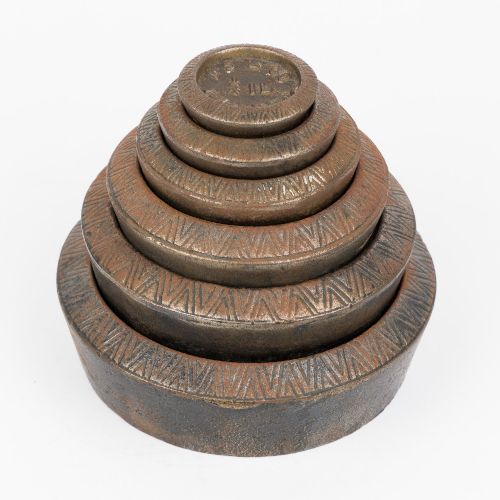
Some heavy iron balance scales still carry the specific scent of nineteenth-century butcher shops and co-operative grocery stores.
Judging build quality and character
The distinction between ordinary utility items and superior pieces rests on the integrity of the original timber and the survival of authentic surface finishes. Counters with unstripped original paint or deep, undisturbed patination command greater interest than those stripped down to raw wood in modern times.
Structural heft and proportion dictate the calibre of a piece, with monumental proportions and heavy framing marking the best examples from commercial workshops. The presence of maker details, original ironwork, or specialised storage compartments elevates a counter beyond standard utilitarian builds.
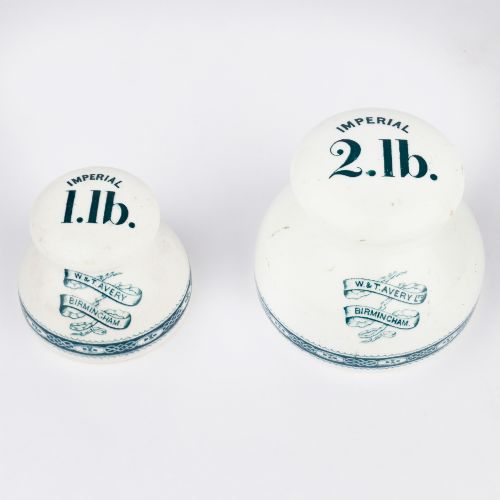
Blackstone and Co·W and T Avery·Palethorpes
The Antique Kitchen Counter Glossary
- Drapers table
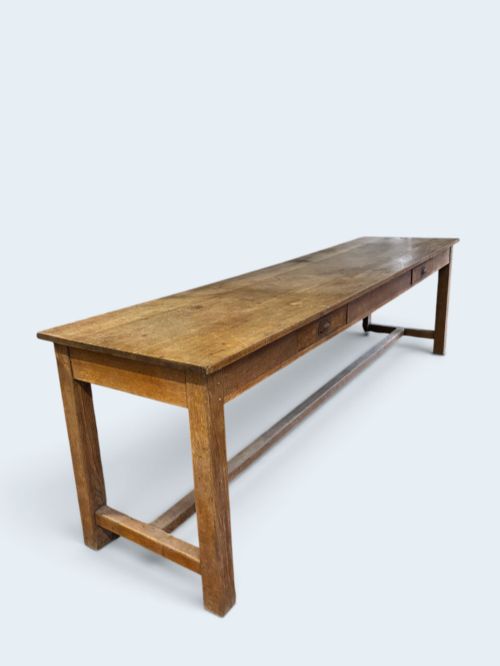
- A long, narrow commercial table traditionally used for displaying textiles and dry goods. These pieces feature deep timber boards and multiple legs to support heavy loads.
- Shop counter
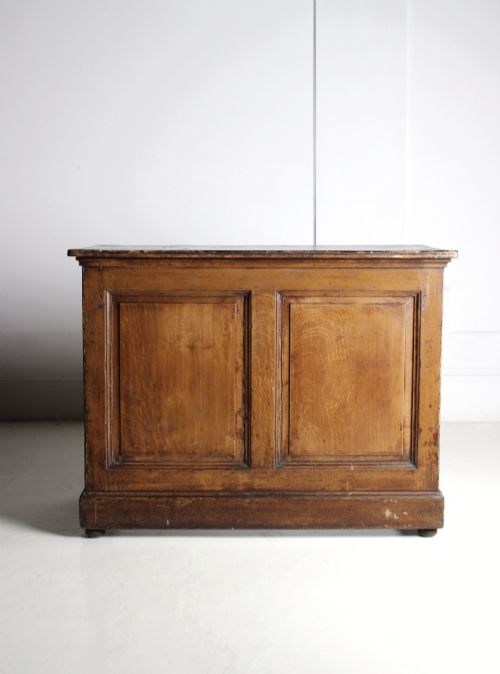
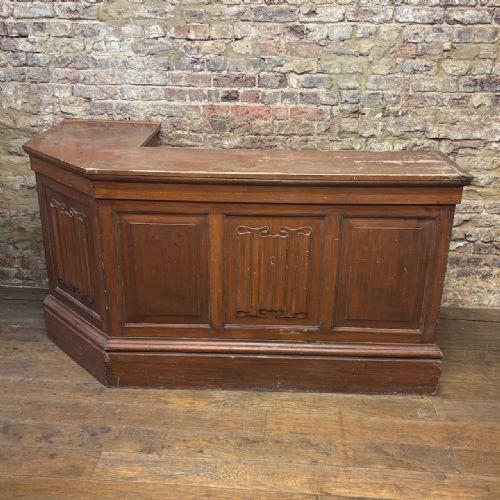
- A heavy commercial furnishing designed with a panelled front and a flat top for serving customers. They often include internal shelving or drawers.
- Faux oak
- A painted decorative finish applied to cheaper underlying softwoods to imitate expensive hardwood grain. Artisans used this technique in commercial shop fittings.
- Bentwood
- Wood heated with steam until pliable and then bent into curved forms. This technique produced lightweight yet strong frames for twentieth-century stools.
- Patina
- The surface sheen and colour change developed by wood, metal, and paint through age and frequent handling. Collectors value untouched patination as a marker of genuine history.
Antique Kitchen Counter: Frequently Asked Questions
What is an antique kitchen counter?
An antique kitchen counter is a heavy-duty commercial or domestic work surface originating from nineteenth or early twentieth-century shops, drapers, and large country houses. These pieces were built from robust timbers like pine, oak, and elm to withstand demanding daily trade use.
Today, buyers repurpose these substantial furnishings as kitchen islands, sideboards, and food preparation tables. Their solid construction and practical storage options make them functional centrepieces in modern homes.
How do I clean an antique counter?
Cleaning an antique wooden counter requires gentle care to preserve the historical surface finish and accumulated patination. Wipe down timber surfaces using a damp cloth with mild soap, avoiding harsh chemical cleaners that strip old wax or paint.
Nourish dry wood periodically with traditional beeswax to maintain the moisture and sheen of the grain. Protect the surface from excessive moisture and heat by using boards and trivets during food preparation.
Are shop counters suitable for kitchens?
Shop counters and drapers tables make exceptional kitchen islands due to their generous working heights and sturdy timber construction. Their original proportions provide ample space for food preparation, storage, and casual seating when paired with appropriate stools.
When placing a commercial counter in a domestic kitchen, consider the depth and length to ensure comfortable movement around the room. Many buyers incorporate these pieces to add industrial character and historic contrast to contemporary kitchen designs.
How do I date a counter?
Dating an antique counter involves examining the construction methods, tool marks, timber selection, and hardware used in the frame. Hand-cut joinery, iron fixings, and original layers of commercial paint often point to nineteenth-century or Edwardian origins.
Comparing the form against documented commercial furniture styles helps narrow the manufacturing period. Surviving maker marks, stamps, or labels on associated hardware provide definitive chronological markers.