




Antique Kitchen Accent Chair
An antique kitchen accent chair brings genuine rustic character and robust vernacular seating to a modern interior.
Antique Kitchen Accent Chair
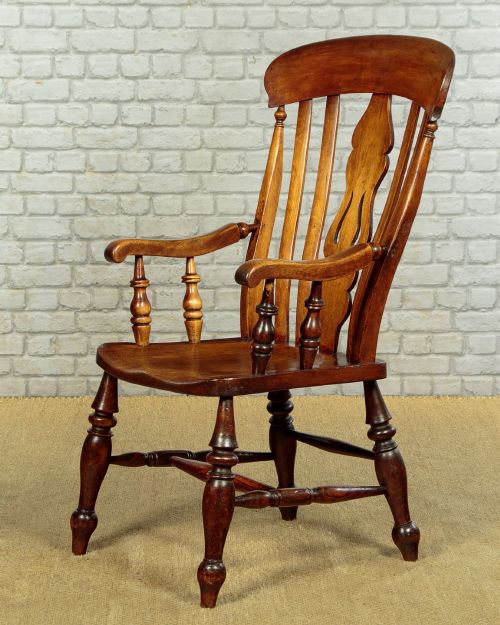
An antique kitchen accent chair is a sturdy vernacular seat designed for everyday domestic labour or cottage life, ranging from highback armchairs to Windsor carvers. When searching for an antique kitchen accent chair, buyers encounter traditional forms shaped by local carpenters using native timber.
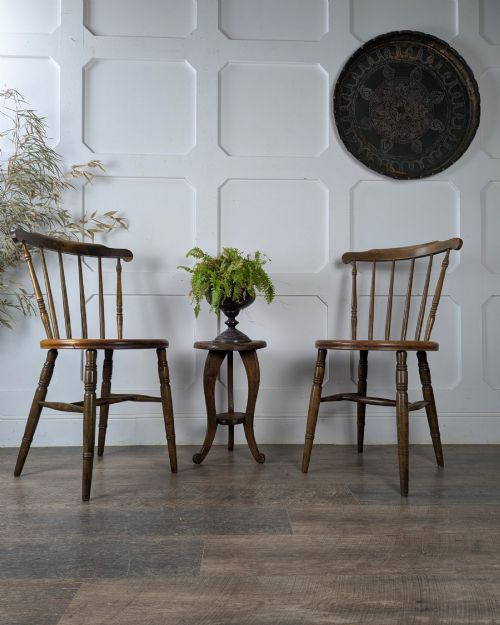
The pieces on this page span the nineteenth century through the early twentieth century, showing English country, Victorian, and Edwardian influences. Side chairs, shop advertising pieces, and sturdy armchairs dominate the selection.
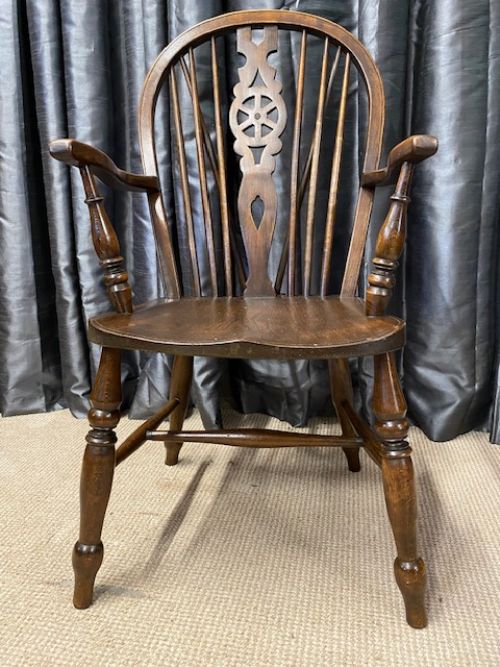
Most examples rely on traditional Windsor framing or regional country construction rather than formal cabinetmaker designs. These chairs bring unpretentious utility and aged warmth into contemporary rooms.
How they were made
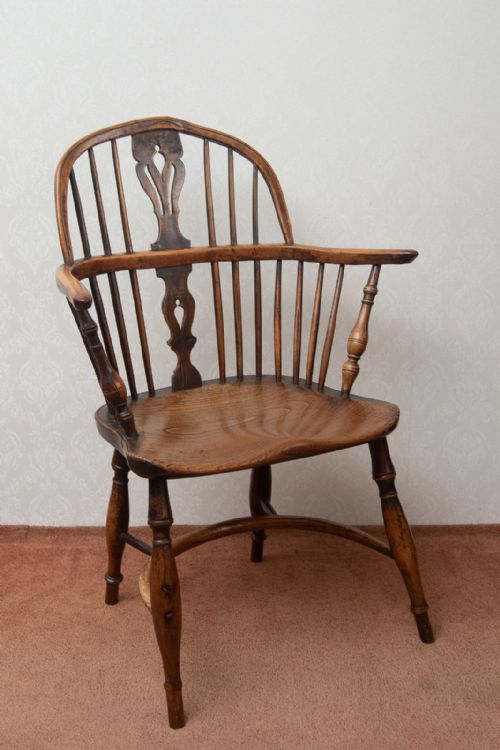
Constructed primarily from native hardwoods such as elm, ash, beech, and yew, these chairs combine steam-bent components with solid saddle seats. Carpenters utilised contrasting timbers, pairing ash spindles with elm seats and beech or oak underframes to balance strength and flexibility.
Joinery methods rely on traditional pegged mortise and tenon joints alongside wedged through-tenons for the legs and spindles. Metal elements appear occasionally in braces or enamel advertising plates fixed to commercial or shop seating.
What varies in quality
Quality rests in the sculptural integrity of the carved seat and the purity of the timber figuring, particularly in deeply dished elm. Finer examples display balanced proportions in the steam-bent bow and well-turned spindles rather than heavy, utilitarian repairs.
The distinction between standard domestic seating and superior carvers or matched pairs lies in the selection of timbers like yew and the retention of original surface patination. Commercial advertising variants derive their interest from legible lettering and surviving enamel details.
The Antique Kitchen Accent Chair Glossary
- Windsor chair
- A chair built with a solid wooden seat into which the legs and back spindles are separately bored and wedged. This method creates a resilient, unified frame characteristic of country craftsmanship.
- Carver
- An armchair, typically designed for the head of a table or as a fireside seat, featuring supportive arm rests integrated into the back bow.
- Saddle seat
- A thick wooden seat base shaped with hollows and contours for comfort. Carpenters sculpted these from solid timber blanks.
- Spindle
- A slender, turned wooden rod forming part of the chair back or underframe. Artisans shaped these on a lathe to provide structural support.
- Bow
- The curved upper rail of a Windsor chair back, usually steam-bent from a single piece of ash or yew.
Antique Kitchen Accent Chair: Frequently Asked Questions
What is an antique kitchen accent chair?
An antique kitchen accent chair is a traditional vernacular seat originating from nineteenth or early twentieth-century domestic and commercial spaces. These pieces combine utilitarian strength with regional woodworking traditions.
Buyers select them to introduce historical texture and robust seating into modern living spaces. Their varied forms include Windsor carvers, side chairs, and highback armchairs.
How do I identify periods for these chairs?
Dating relies on examining construction techniques, material choices, and stylistic cues such as Victorian turnings or Edwardian commercial lettering. Earlier nineteenth-century examples often feature deep elm saddle seats and simpler vernacular framing.
Later pieces from the early twentieth century may include advertising elements or colonial revival influences. Comparing spindle profiles helps narrow down the production era.
Were these chairs used only in kitchens?
While originally built for demanding domestic environments like farmhouses and cottages, their robust build suited them for shops, parlours, and general utility use. Some specific examples served commercial purposes, such as shop advertising seating.
Over time, their sturdy construction and appealing forms transitioned them into decorative accent pieces throughout the home.
How do I live with antique kitchen chairs?
Living with these chairs involves appreciating their historic patination and solid wooden construction in everyday settings. They mix easily with contemporary or traditional dining and accent furniture.
Basic care requires maintaining stable indoor humidity to protect native timbers like elm, ash, and beech from excessive drying.