


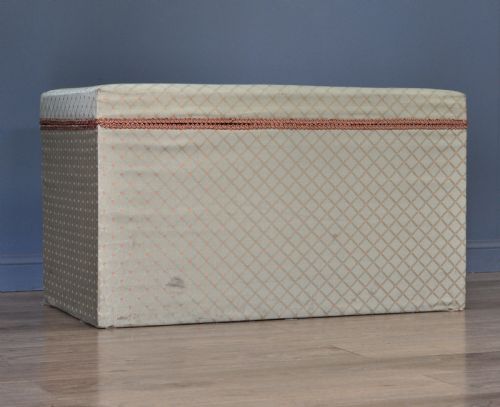
Antique Kist Box
An antique kist box offers sturdy storage and centuries of craft, ranging from robust seventeenth century oak to nineteenth century pine.
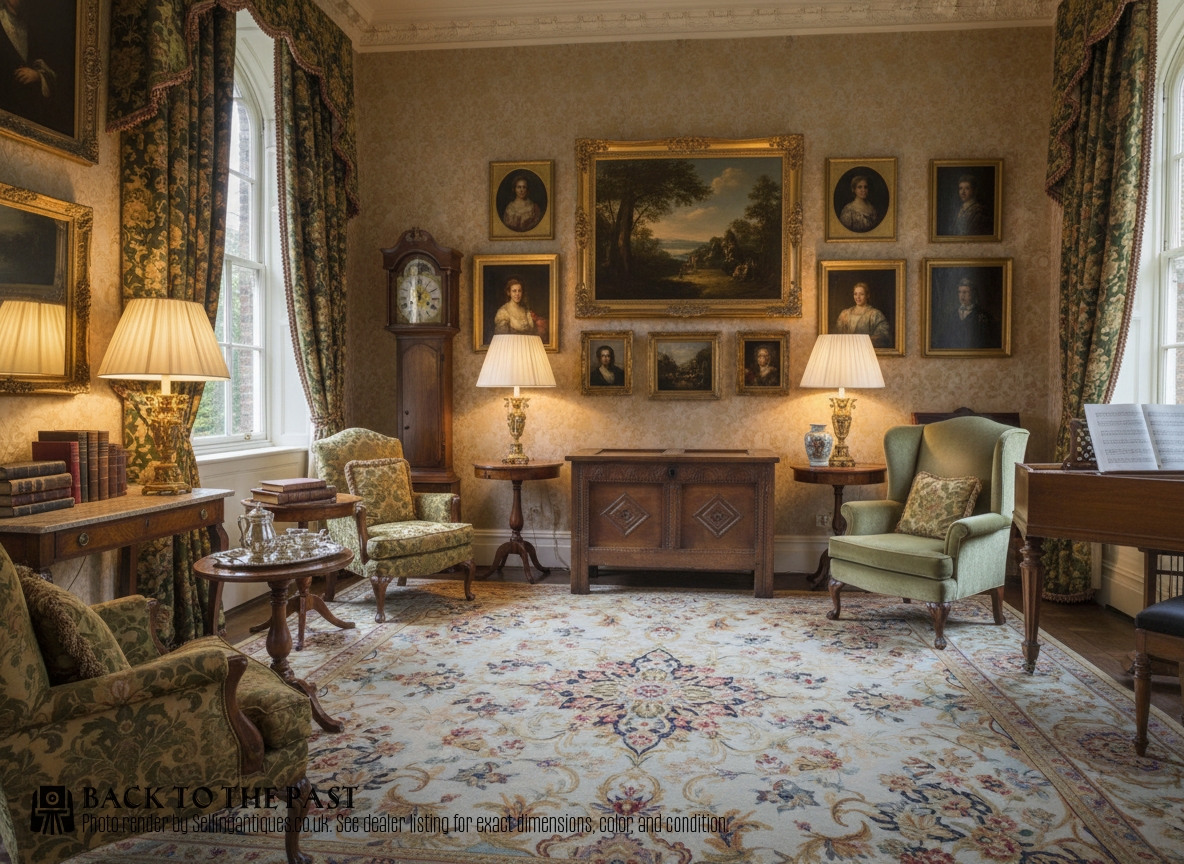
Antique Kist Box
When someone searches for an antique kist box, they encounter a heavy utility chest built for storage and transport. The pieces seen on this page span the seventeenth, eighteenth, and nineteenth centuries, alongside Georgian and Victorian eras.
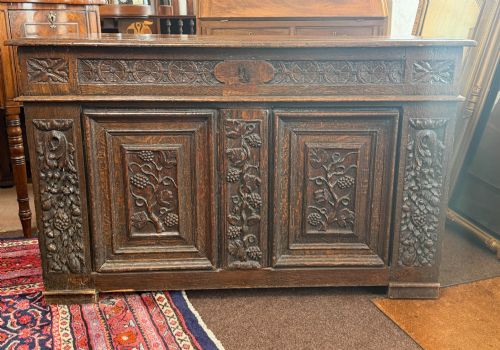
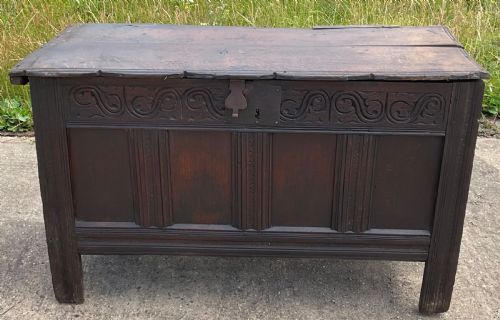
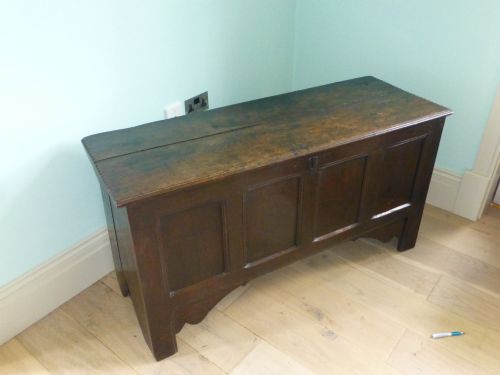
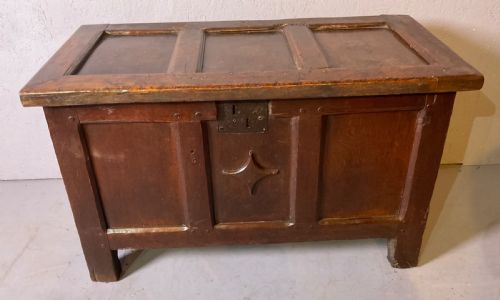
The most common form is the oak coffer or blanket box, often featuring carved panels or simple board construction. Regional variations such as Welsh, Scottish, and Lakeland examples appear frequently in the listings.
Many items combine the form of a chest with practical internal fittings like candle boxes. Buyers also find mule chests, which integrate a drawer beneath the main storage compartment.
How they were made
Makers relied on solid timber, predominantly oak and pine, joined to withstand heavy daily use. Wood inlay adds decorative contrast on selected panels, while iron and brass provide structural reinforcement and hinges.
Surface treatment ranges from carved woodwork to plain painted finishes. Later nineteenth century pieces sometimes incorporate upholstery fabric, braid trim, and leatherette for added decoration or lining.
Several Victorian pine kist boxes double as blanket chests and toy boxes.
What varies in quality
Quality rests on the integrity of the timber and the depth of the carving. Earlier seventeenth century pieces with original carved detail and intact internal candle boxes stand apart from simpler utilitarian trunks.
The survival of original surfaces and regional characteristics dictates the distinction between standard storage boxes and finer cabinet work. Proportion and scale also influence desirability, particularly in smaller dimensions.
The Antique Kist Box Glossary
- Kist
- A traditional regional term for a chest or box used for storage. It is commonly applied to Scottish and northern British blanket boxes.
- Coffer
- A heavy wooden chest traditionally used for storing valuables or documents. These objects frequently display period carving on the front panels.
- Mule chest
- A storage chest fitted with one or more drawers beneath the main lift-top compartment. This form bridges the gap between the traditional kist and the chest of drawers.
- Candle box
- A small internal compartment built inside a chest to hold candles or small items. Its presence adds utility and confirms original internal layout.
Antique Kist Box: Frequently Asked Questions
What is an antique kist box?
An antique kist box is a traditional wooden storage chest or coffer used primarily for household goods, blankets, and valuables. These pieces range from early seventeenth century joined oak examples to later nineteenth century pine trunks.
They serve as both practical storage furniture and historical artefacts, reflecting the regional joinery methods of their period of origin.
How were kist boxes used?
Historically, these chests held textiles, blankets, clothing, and domestic valuables. Some versions included internal candle boxes to secure smaller items away from the main compartment.
Over time, their roles shifted from secure transport and storage to decorative household furniture used in hallways, living areas, and bedrooms.
How do I tell periods apart?
Earlier periods, such as the seventeenth century, typically feature heavy oak construction, hand-carved panels, and pegged joints. Eighteenth and nineteenth century pieces often introduce pine, painted finishes, or simpler board construction.
Stylistic cues like Jacobean carving or Georgian proportions help assign pieces to specific decades and design movements.
Where were kist boxes made?
Production occurred across Britain, with distinct regional styles emerging from Wales, Scotland, and Lakeland workshops. Local timbers and traditional woodworking techniques dictated the specific appearance of each piece.
Makers utilised available local resources, resulting in sturdy oak constructions in earlier centuries and widespread pine usage by the Victorian era.