






Antique Kilim Bag
An antique kilim bag brings the practical artistry of nomadic weavers into a room through flatwoven utility pieces crafted for transport and storage.
Antique Kilim Bag
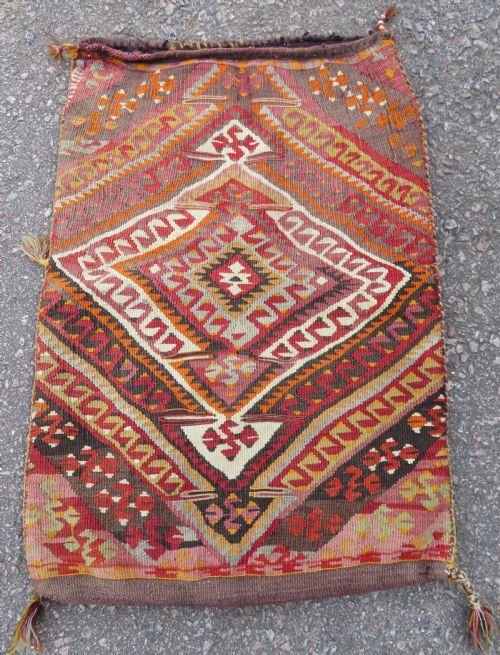
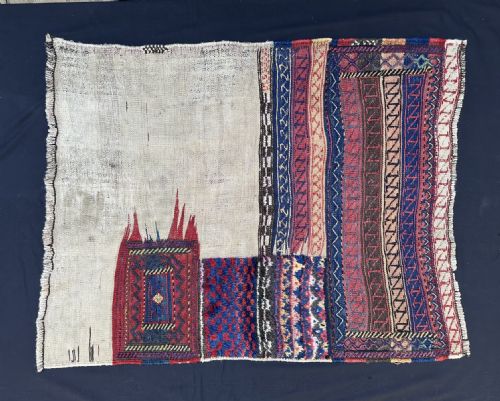
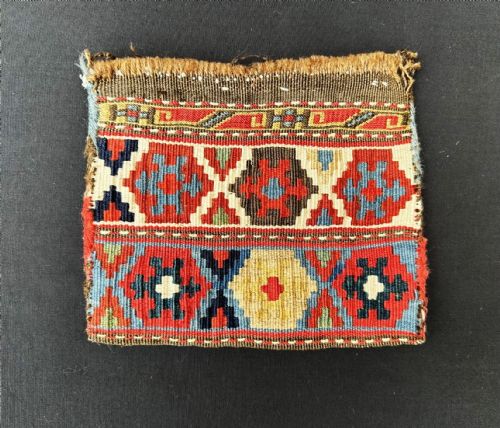
When you search for an antique kilim bag, you encounter utilitarian items woven by tribal groups across Persia, Anatolia, the Caucasus, and Central Asia during the nineteenth and early twentieth centuries. These pieces encompass various functional forms, including grain sacks, salt bags, vanity bags, saddle bags, and storage receptacles.
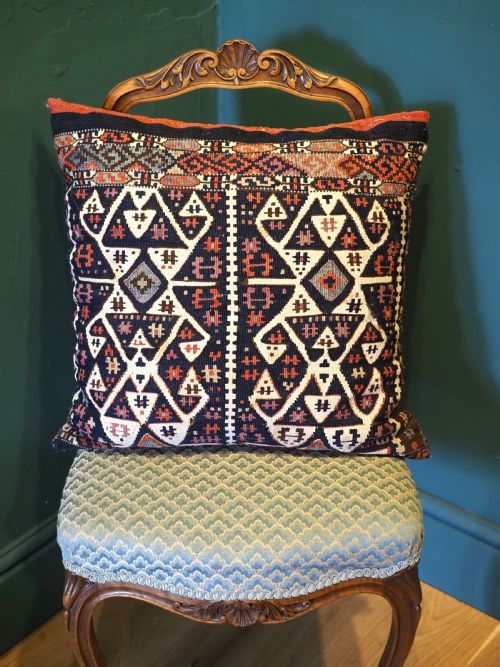
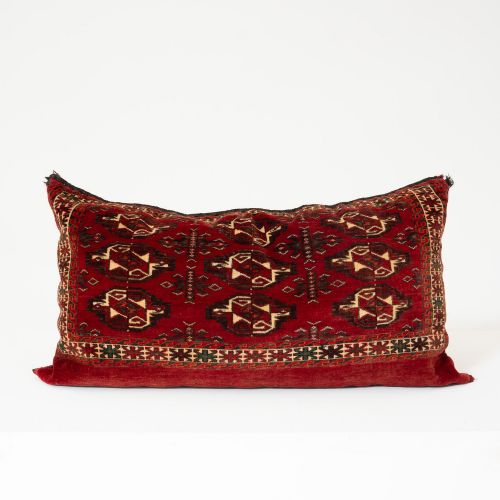
The most common versions met on this page are bag faces and complete storage sacks converted into cushions or preserved in their original flatweave formats. They display distinct regional patterns created by nomadic weavers from confederacies such as the Shahsavan, Qashqa'i, Yomut Turkmen, and Luri-Bakhtiari tribes.
Materials and Construction
Weavers constructed these pieces primarily using hand-spun wool for the pile and flatweave surfaces, supplemented by cotton, goat hair, and leather for structural reinforcement and hanging loops. Artisans utilised natural dyes to colour the fibres, yielding rich tones that soften gradually over decades of exposure to light and use.
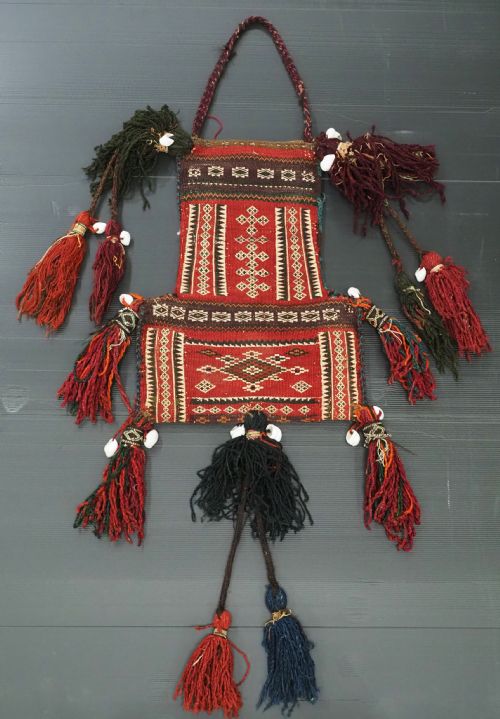
Structural integrity relied on slit-weave and banded flatweave techniques, often reinforced with supplementary weft work and cowrie shells for decoration on specific storage containers and saddle bags.
Antique Kilim Bag Retail Price Guide 2026
Typical asking prices for kilim bag among the pieces listed under this phrase on Sellingantiques today, from the lower quarter to the upper quarter. They describe what is for sale here now, not the wider market.
Listings feature wool, hand-spun wool, cotton, goat hair, leather, and cowrie shells across nineteenth and early twentieth-century tribal flatweaves.
Judging Quality
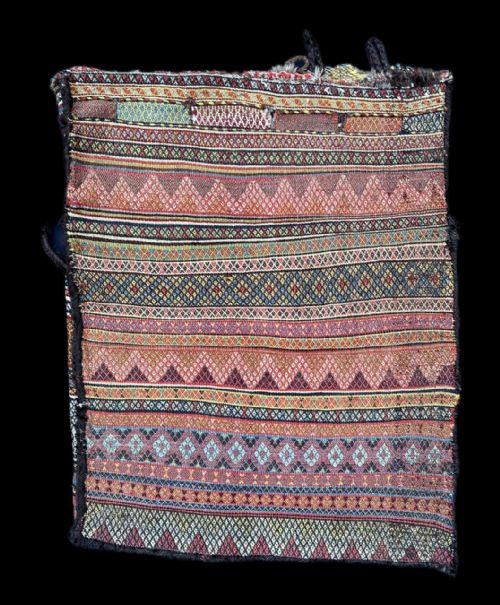
Quality rests upon the tightness of the weave, the clarity of the tribal motifs, and the complexity of the flatweave structure. Pieces displaying crisp geometric precision and well-preserved original backs command greater attention from collectors.
The vibrancy and depth of the natural dyes significantly influence the visual impact of the textile. Chemical imbalances or muddy tones detract from the piece, whereas well-balanced palettes that have aged gracefully elevate the standard of the work.
The Antique Kilim Bag Glossary
- Kilim
- A flatwoven textile produced without a pile by tightly interweaving warp and weft strands. This technique results in a lightweight, durable fabric with geometric patterns visible on both sides.
- Mafrash
- A large rectangular storage bag or chest panel used by nomadic tribes for bedding and household goods. These containers often feature banded flatweave designs across multiple sides.
- Chuval
- A large Turkmen tent-storage bag traditionally used for storing personal belongings and blankets. They are typically wider than they are tall and display characteristic gul motifs.
- Tacheh
- A traditional Luri-Bakhtiari or Kurdish wheat or grain sack utilised for agricultural transport and domestic storage. These items frequently double as durable floor cushions in modern settings.
- Namakdan
- A specialised salt bag featuring a narrow neck and a flared base designed to protect contents from moisture. Nomads hung these small containers inside tents away from the ground.
Antique Kilim Bag: Frequently Asked Questions
What were antique kilim bags used for?
Nomadic tribes utilised these woven containers for transporting grain, salt, clothing, and bedding across harsh landscapes. Their durable flatweave construction protected essential supplies during seasonal migrations.
Families also used them inside tents as permanent storage chests, decorative wall hangings, and personal carrying receptacles before repurposing them as household textiles.
How do I clean an antique kilim bag?
Gentle surface dusting and careful vacuuming without a rotating brush represent the safest methods for regular maintenance. Avoid harsh chemical detergents and mechanical washing machines.
For deeper cleaning, consult a specialist textile conservator experienced in historic flatweaves to prevent dye migration and shrinkage in the wool fibres.
Can I use these bags as cushions?
Many surviving pieces function effectively as cushions, particularly bag faces and trimmed storage sacks that retain sturdy structural integrity. Inserting a custom pad preserves the textile while providing comfortable support.
Fragile or complete storage bags with original backs deserve careful placement where heavy daily wear is minimised to protect the historic flatweave.