



Antique Key and Lock
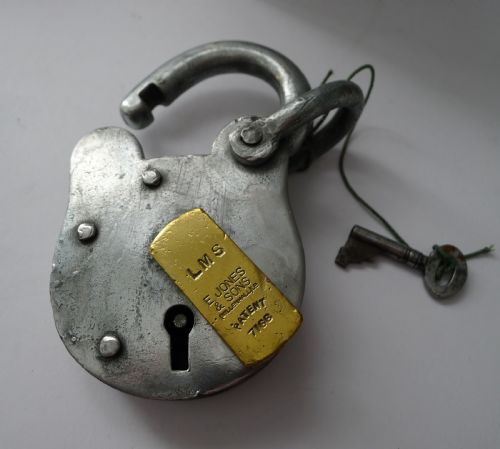
An antique key and lock brings tangible mechanical history into a room, offering both functional security and period craftsmanship for the discerning collector.
Antique Key and Lock
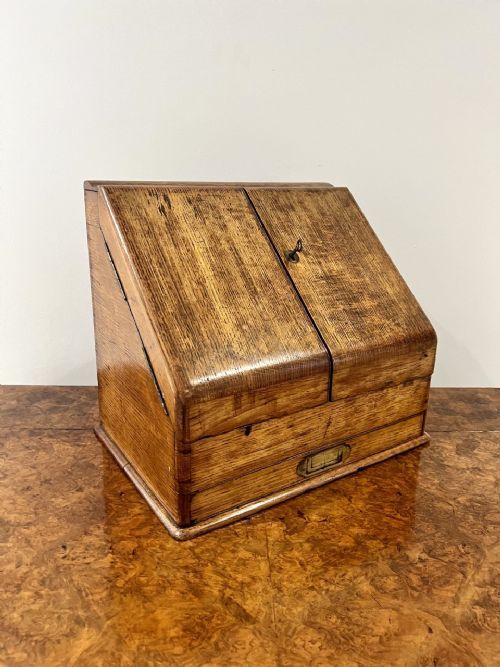
When you search for an antique key and lock, you encounter a diverse array of hardware and small functional boxes spanning multiple centuries. The selection ranges from robust architectural door locks and padlocks to refined domestic items like tea caddies, writing slopes, and tantalus sets.
You are most likely to meet Victorian and Georgian examples on this page, reflecting the heavier concentration of 19th-century survival rates. These vary from utilitarian iron stock locks to finely fitted walnut writing slopes equipped with proprietary mechanisms.
Early specimens also appear, including heavy oak-cased door locks and Spanish walnut boxes from earlier periods. Each category demonstrates the specific mechanical demands of its era, whether for securing a chest, a door, or a portable desk.
How they were made
Makers utilised a combination of ferrous and non-ferrous metals, pairing wrought iron, cast iron, and polished steel with brass components. These durable materials formed the internal levers, bolts, and external escutcheons that sustained daily physical use.
Woodworking forms a major part of the construction, employing oak, mahogany, walnut, and golden oak for boxes, cabinets, and stock lock cases. Cabinetmakers combined these dense timbers with brass mounting and inlay to secure valuable contents.
Locksmiths and metalworkers shaped steel and brass by hand or early machine methods, producing proprietary mechanisms such as the Bramah lock. The integration of metal hardware into wooden structures required precise joinery and metalfitting skills.
Periods represented span from the 16th century through the Georgian and Victorian eras up to the early 20th century.
What varies in quality
The sophistication of the internal mechanism dictates much of the distinction between standard hardware and top-tier pieces. Complex lever arrangements and patented designs represent superior engineering compared to simple ward locks.
The quality of the enclosing vessel or mountings significantly influences the overall standard of the object. Fine timber selection, such as figured walnut or flame mahogany, combined with heavy cast brass embellishments, separates high-end decorative pieces from plain utilitarian items.
The presence of the original matching key adds substantial integrity to any lock or locking box. Pieces retaining their functional factory keys demonstrate greater preservation and historical completeness.
J Dixon·Milners of Liverpool·GEORGE PRICE·Hukin and Heath
The Antique Key and Lock Glossary
- Stock lock
- A heavy door or chest lock housed within a wooden block or case. These were commonly mounted to large internal doors and heavy furniture.
- Bramah lock
- A high-security patented lock invented by Joseph Bramah, known for its cylindrical key and complex internal slider mechanism. It represented the pinnacle of British lockmaking innovation in the period.
- Tantalus
- A locking drink cabinet holding decanters securely within a frame to prevent unauthorized access to the contents. They typically feature a metal locking bar across the stoppers.
- Escutcheon
- A protective metal plate surrounding a keyhole. They range from plain brass shields to ornate decorative brass or steel embellishments.
- Keep
- The metal bracket or plate attached to a door frame or box edge into which the lock bolt projects when engaged. It completes the secure fastening assembly.
Antique Key and Lock: Frequently Asked Questions
How do I date an old lock?
Dating relies heavily on the construction materials, screw types, and the complexity of the internal mechanism. Earlier examples often feature hand-forged iron and simple ward structures, whereas later 19th-century pieces incorporate machine-cut brass and patented lever systems.
Associated wooden cases or mounting plates also provide stylistic clues, matching known periods like the Georgian or Victorian eras.
Are original keys common?
Original keys survive on many pieces, but many antique locks have lost their partners over centuries of use. Finding a lock with its matching working key significantly increases its completeness.
Specialist locksmiths can sometimes cut replacement keys for simpler mechanisms, though proprietary systems remain harder to duplicate.
What is a stock lock?
A stock lock is an antique locking mechanism enclosed within a solid block of wood, usually oak. These were fitted to heavy interior doors and large chests before metal box locks became standard.
The wooden case protected the iron internal workings from dust and physical damage.
How were tantalus sets used?
A tantalus held expensive spirits under lock and key in dining rooms and drawing rooms. The locking mechanism secured the decanter stoppers so servants or guests could not pour drinks without permission.
The name derives from the mythological figure Tantalus, as the bottles remain visible yet out of reach.