



Antique Kerman Floor Carpet
An antique kerman floor carpet brings enduring Persian artistry and dense wool pile into a large room.
Antique Kerman Floor Carpet
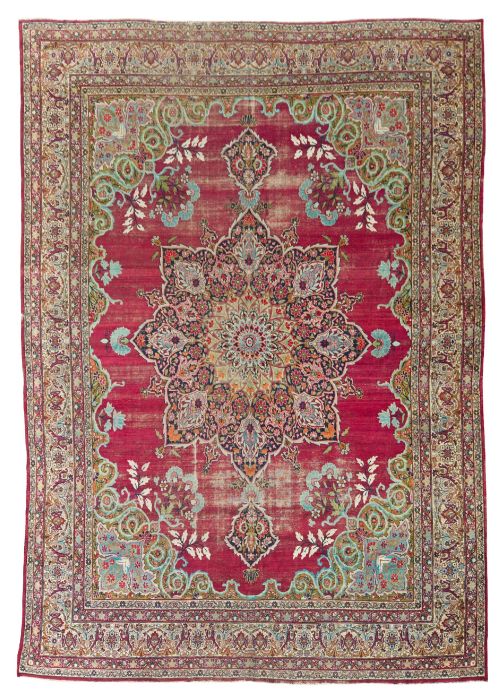
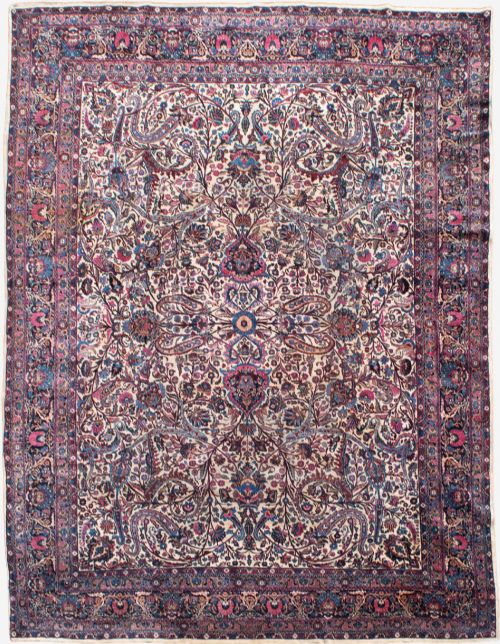
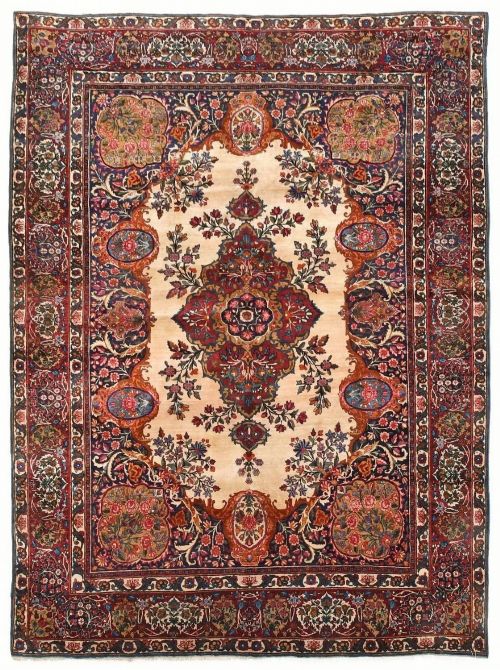
An antique kerman floor carpet represents large-format Persian weaving created in workshops and regional communities during the late nineteenth and early twentieth centuries. These sizeable floor coverings span room sizes and oversized dimensions, designed to anchor formal reception spaces with substantial coverage.
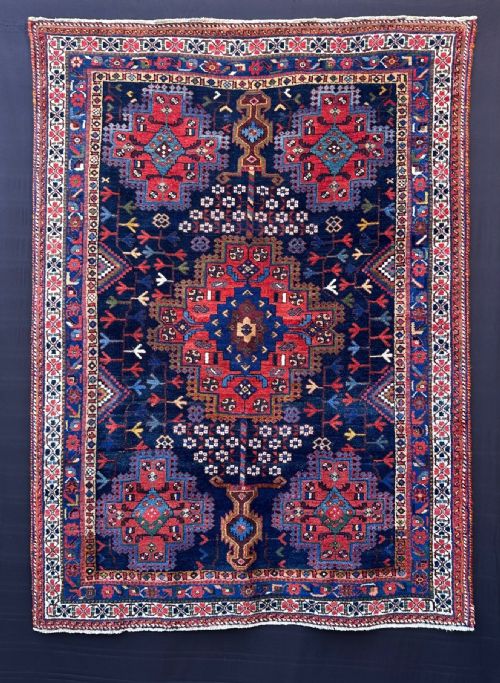
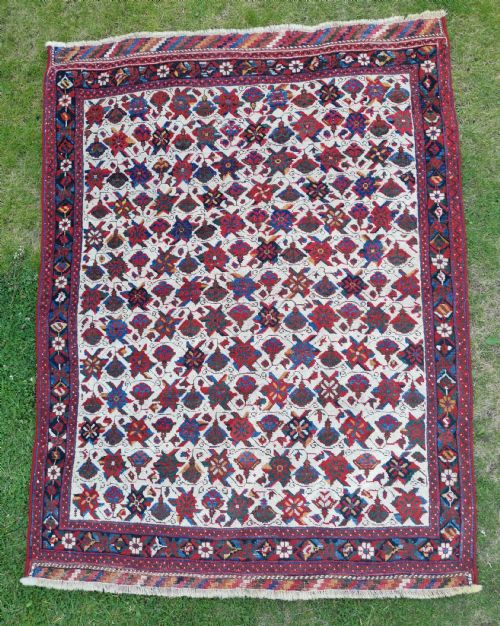
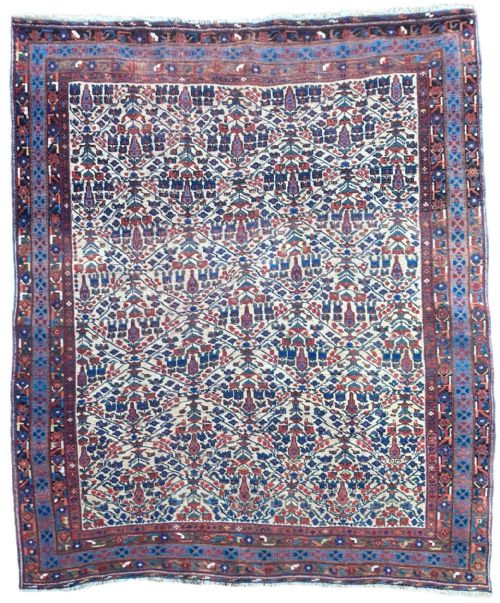
The selections on this page unite traditional Persian aesthetics with regional Kerman and Afshar identities, including pieces from the Neiriz region of South Persia. Buyers encounter room-size formats alongside smaller tribal rugs bearing closely related motifs and origins.
Production dates across the evidence range from the eighteen-seventies through to the nineteen-forties, offering both nineteenth-century weaving traditions and early twentieth-century interpretations. Room-scale Kirman and Laver carpets sit alongside tribal Afshar pieces to provide varied scales for domestic interiors.
What varies in quality
Knot density and structural fineness separate standard room-size rugs from exceptionally fine oversized carpets. Greater precision in the hand-knotted pile allows intricate floral and medallion designs to hold sharp definition across large surfaces.
The preservation of the original wool pile and the integrity of the cotton foundation determine the overall condition grade. Carpets retaining their full pile depth display richer colour saturation and stronger resistance to wear than heavily thinned examples.
Antique Kerman Floor Carpet Retail Price Guide 2026
Typical asking prices for kerman floor carpet among the pieces listed under this phrase on Sellingantiques today, from the lower quarter to the upper quarter. They describe what is for sale here now, not the wider market.
Listings for this phrase exclusively feature wool pile surfaces supported by cotton foundations, spanning production dates from eighteen-seventy to nineteen-forty.
The Antique Kerman Floor Carpet Glossary
- Kirman
- A major centre of carpet production in south-central Persia known for sophisticated floral designs and fine weaving. Kirman carpets frequently appear in room sizes and oversized formats.
- Lavar
- A specific style or sub-origin associated with fine Kerman weaving, often denoting exceptional detail and refined colour palettes. Lavar carpets represent a high tier of nineteenth and early twentieth-century Persian production.
- Afshar
- A tribal group hailing from the southern provinces of Persia, producing rugs with geometric patterns and rich regional character. Afshar pieces often feature medallion or repeating boteh motifs.
- Warp
- The stationary vertical threads stretched upon a loom that form the structural skeleton of the carpet. Cotton warps provide the tension necessary for hand-knotting wool pile.
- Weft
- The horizontal threads passed alternately over and under the warp threads to secure the rows of knots. Wefts lock the pile firmly into the cotton foundation.
Antique Kerman Floor Carpet: Frequently Asked Questions
Where should I place an antique kerman floor carpet?
These room-size and oversized carpets suit principal reception rooms, dining spaces or large studies where their substantial dimensions can be fully appreciated. Their durable wool pile and cotton foundations provide adequate resilience for moderately high-traffic areas.
Ensure the placement allows the central medallion or overall design to remain visible rather than hidden beneath heavy furniture. Pairing the carpet with a suitable underlay protects the historical cotton foundation from direct friction against hard flooring.
How do I clean and maintain an old Persian carpet?
Regular gentle vacuuming without a rotating brush roll prevents dust and grit from settling deep into the wool pile. Professional specialist cleaning remains essential every few years to preserve the natural lanolin in the wool.
Avoid exposing the carpet to direct, harsh sunlight for extended periods to prevent the natural dyes from fading unevenly. Rotating the floor covering periodically ensures even exposure to light and balances foot traffic across the surface.
What is the difference between a Kirman and an Afshar rug?
Kirman carpets typically originate from urban workshop traditions featuring elaborate floral sprays, vase motifs and intricate central medallions. They are frequently woven in generous room sizes and oversized dimensions.
Afshar rugs stem from tribal weaving traditions in the surrounding southern regions, displaying bolder geometric patterns, hooked polygons and distinct stylized motifs. These pieces tend to present in smaller, more intimate formats than their urban counterparts.
How can I tell the age of a Persian carpet?
Dating relies on stylistic indicators, structural materials, dye characteristics and the overall wear patterns observed across the piece. Nineteenth-century examples often exhibit softer, vegetable-dyed wool palettes and finer structural variations compared to mid-twentieth-century production.
Examining the selvedges, fringe construction and knotting irregularities provides further clues regarding the era of manufacture. Comparing the specific dimensions and design vocabulary against documented regional typologies helps narrow down the production period.