

Antique Keepsake
An antique keepsake brings together small personal treasures, ranging from silver lockets to wooden document boxes spanning multiple centuries.
Antique Keepsake
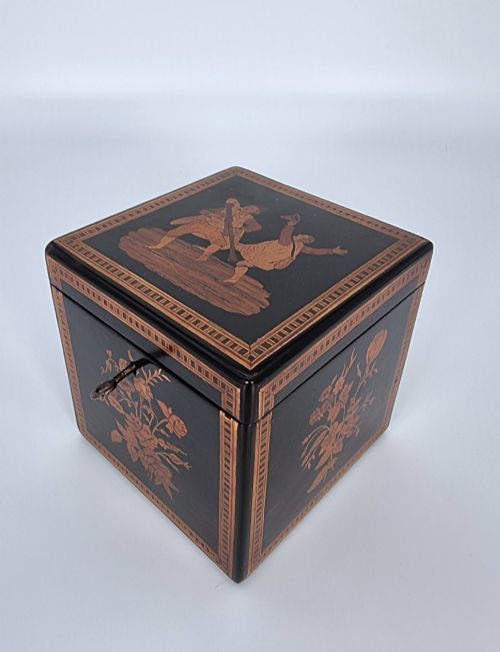
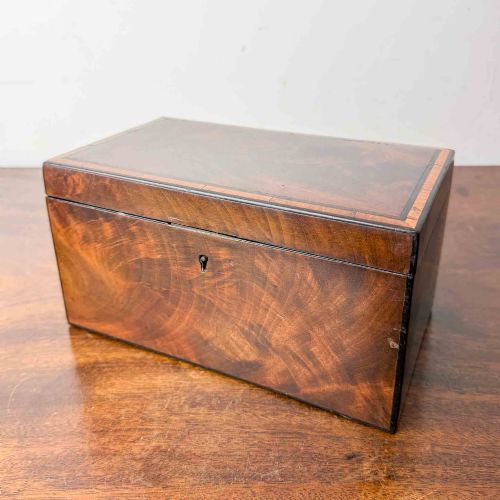
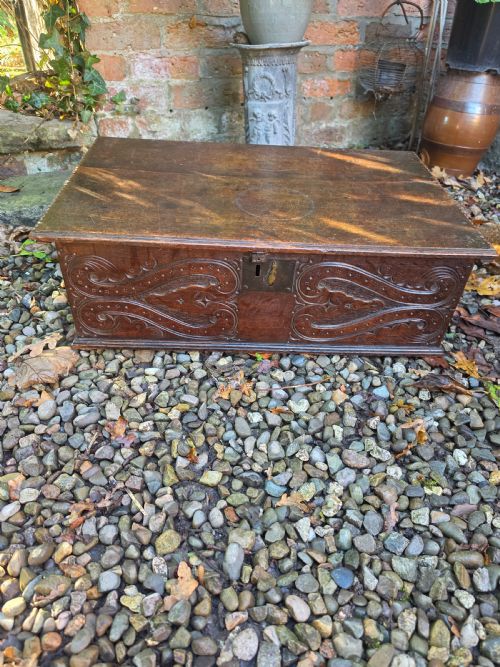
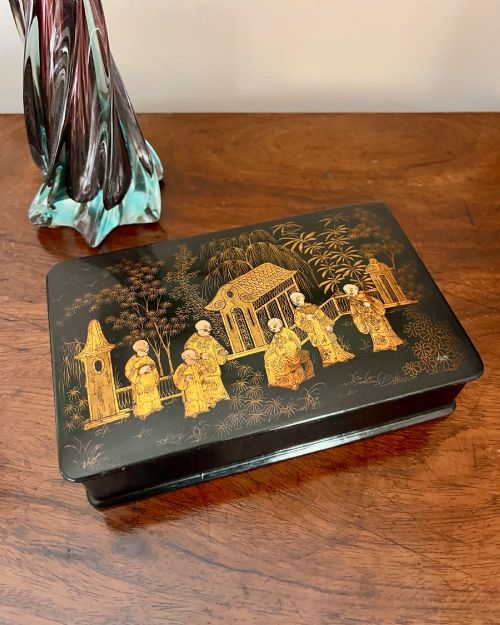
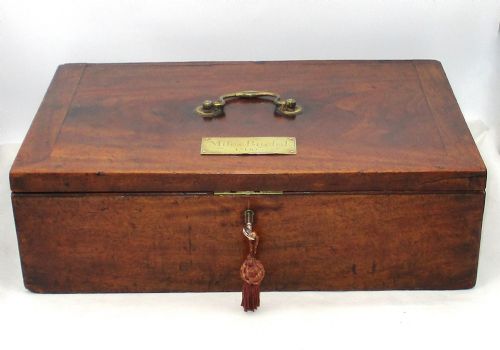
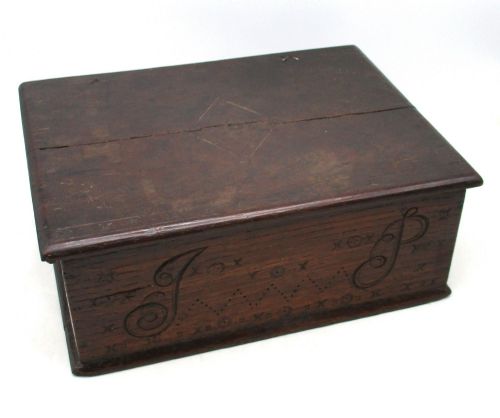
When searching for an antique keepsake, buyers encounter a diverse selection of receptacles and personal items designed to secure small valuables. The items on this page span from sturdy seventeenth-century oak document boxes to ornate Victorian sterling silver pill and trinket boxes. These pieces served practical purposes in historical households, holding everything from legal deeds to sentimental jewellery.
Materials and construction methods
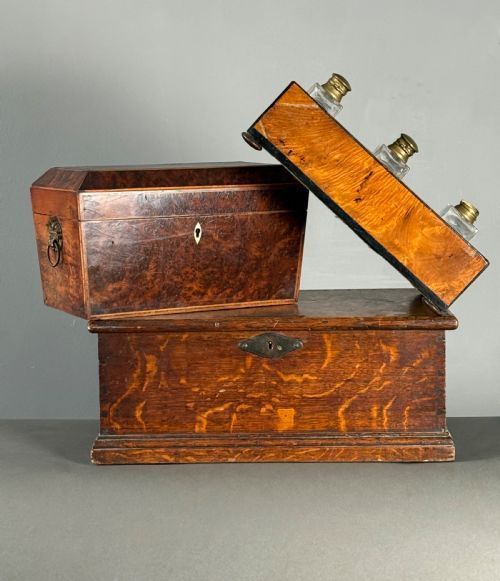
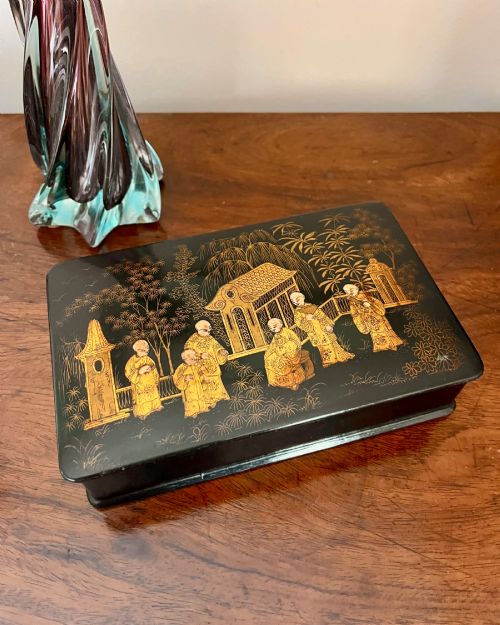
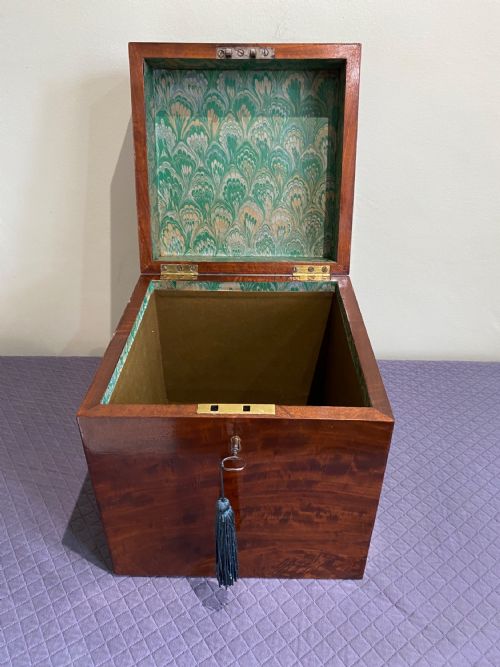
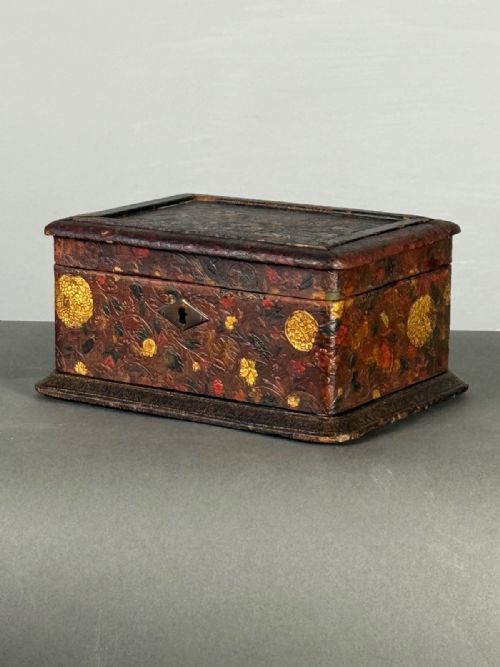
Makers utilised a combination of dense hardwoods like mahogany, oak, and walnut, frequently enhancing surfaces with mother-of-pearl, bone, or contrasting wood inlays. Metal boxes rely on sterling silver, brass, copper, and gold, often shaped through casting, piercing, or detailed hand engraving. Leather and lacquered finishes appear on specialised travelling and chinoiserie pieces.
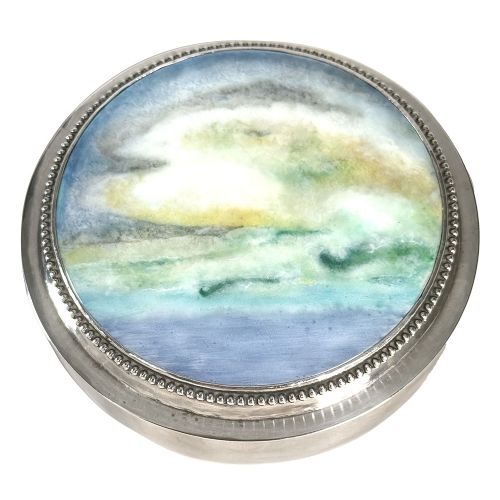
Decorative elements demonstrate distinct period techniques, from the enamel plaques of the Arts and Crafts movement to the intricate brass Boullework on nineteenth-century French boxes. Joinery on wooden chests ranges from early hand-carved panels to precise dovetailing on Georgian document boxes. Silver mounts and hinges are typically integrated directly into the structural design of the box.
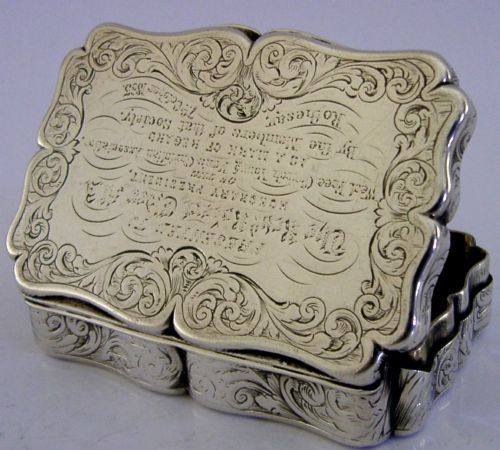
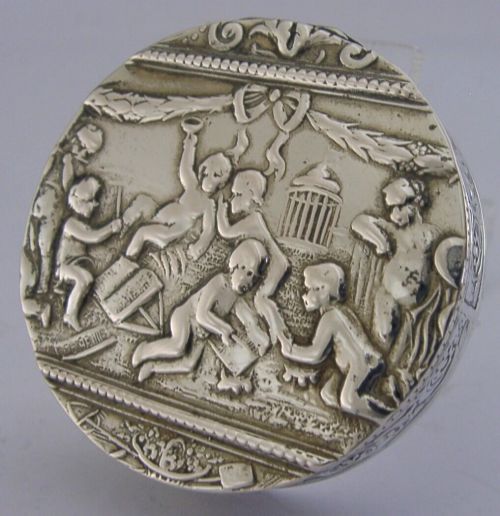
Even the smallest pill box managed to carry detailed ivy engravings or cherub scenes.
Factors determining quality
Quality in these pieces rests upon the precision of the construction and the integrity of the materials. Superior wooden boxes display tight joinery, matched veneer grains, and original interior fittings, whereas lesser examples show clumsy repairs or replacement hardware. Metal pieces derive their distinction from crispness in the chasing, engraving, and stamping.
The artistic ambition of the decoration marks the upper tiers of the selection. Pieces featuring hand-painted enamel plaques by named workshops or intricate figural repoussé work stand apart from mass-produced items. Original patination and intact interior linings further elevate an object's standing within its category.
Guild of Handicrafts·Susse Freres Paris·Mappin & Webb
The Antique Keepsake Glossary
- Boulle
- A form of marquetry using brass and tortoiseshell inlaid into furniture and box surfaces. It gained popularity in French decorative arts during the seventeenth century and saw revivals in the nineteenth century.
- Locket
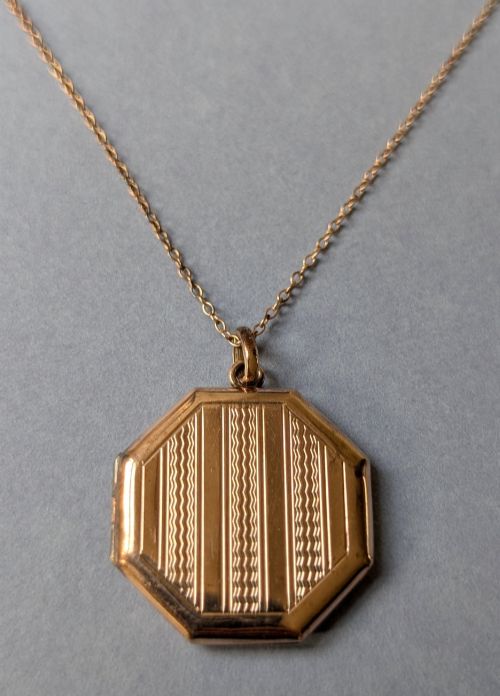
- A small hinged pendant designed to open and enclose a portrait, lock of hair, or miniature memento. These items are typically cast in gold or silver and suspended from a chain.
- Repoussé
- A metalworking technique where the artisan hammers the metal from the reverse side to form a raised design in relief. Detail is then refined on the front using chasing tools.
- Caddy
- A small box or chest originally constructed to hold loose tea leaves. Georgian and Regency examples often featured internal compartments and secure locks.
- Veneer
- A thin layer of figured wood applied over a secondary timber base to create decorative exterior surfaces. This technique allowed cabinetmakers to display striking grain patterns without using solid costly timber.
Antique Keepsake: Frequently Asked Questions
What did people store in these boxes?
Historical boxes served specific domestic functions based on their size and material. Wooden document boxes held legal papers, deeds, and letters, while smaller silver and tortoiseshell boxes contained snuff, pills, or cufflinks.
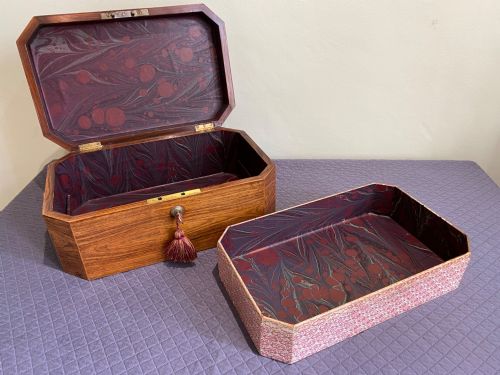
Jewellery boxes and caskets featured velvet or satin linings designed to protect rings, necklaces, and delicate personal keepsakes from damage.
How do I date an antique wooden box?
Dating relies on examining the construction techniques, timber species, and hardware. Earlier seventeenth and eighteenth-century boxes often feature visible hand-tool marks, pegged joints, and simple iron hinges.
Victorian and later pieces frequently utilise machine-sawn timber, standardised brass hinges, and more complex veneering methods like bird's-eye maple or walnut.
Are silver boxes marked for their purity?
Many British silver items feature standard hallmarks indicating the assay office, the year of manufacture, and the fineness of the metal. These stamps help pinpoint the exact age and origin of the piece.
Continental and unmarked silver boxes rely stylistically on decorative motifs and regional manufacturing traits to establish their approximate period.
How should I clean a lacquered surface?
Lacquered and painted boxes require gentle maintenance to preserve the delicate finish. Dusting with a soft, dry cloth is usually sufficient for regular care.
Moisture and modern chemical cleaners should be avoided, as they can lift or dissolve historic lacquers and varnishes.