
Antique Keepsake Chest
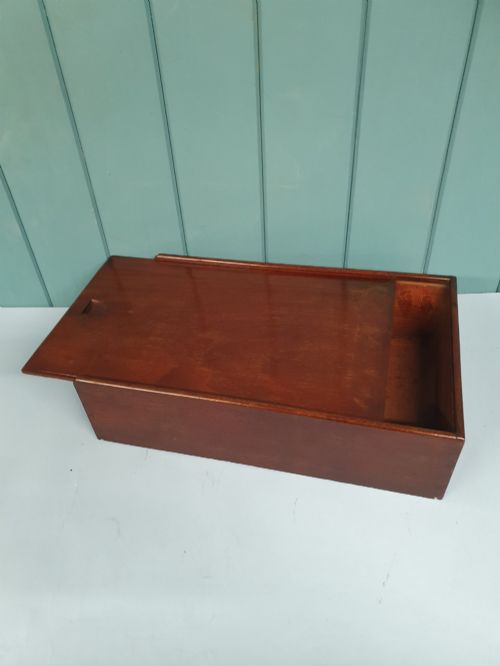
An antique keepsake chest holds letters, jewellery, and small valuables, offering solid timber construction and period craftsmanship for daily use.
Antique Keepsake Chest
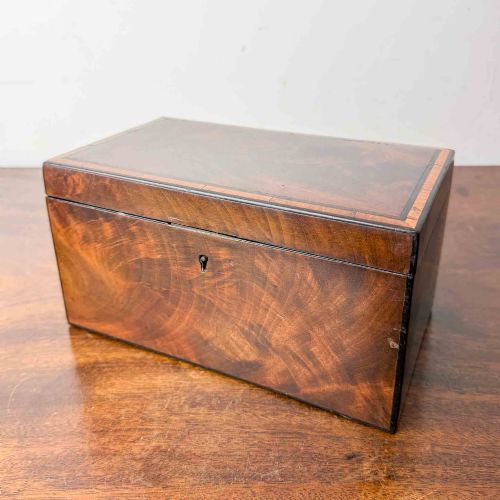
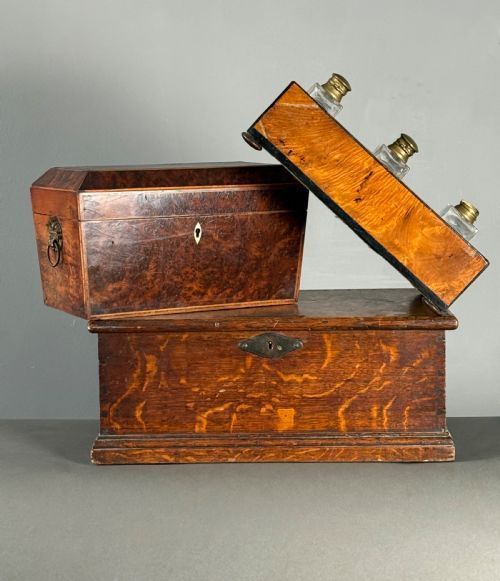
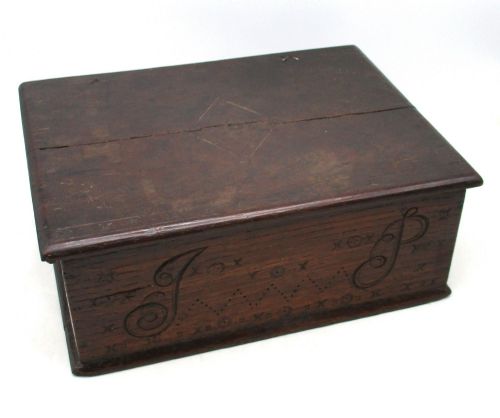
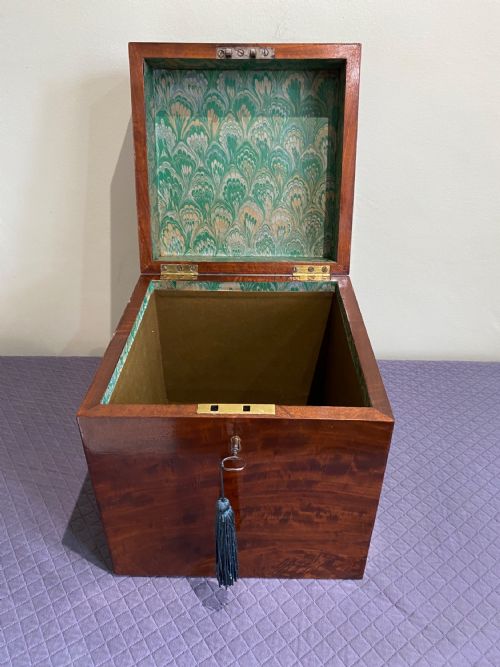
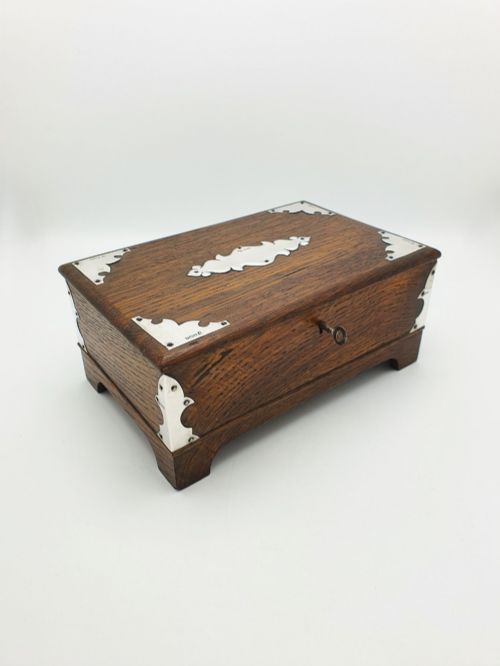
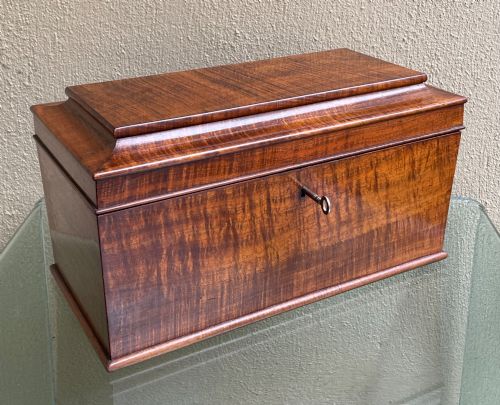
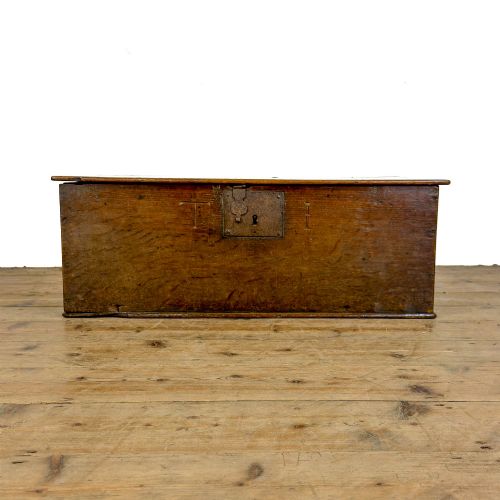
An antique keepsake chest encompasses a wide variety of small storage containers, including document boxes, tea caddies, jewellery caskets, and bible boxes. When searching for an antique keepsake chest, buyers encounter pieces spanning from the 17th century through the Georgian, Victorian, and Regency periods to the early 20th century.
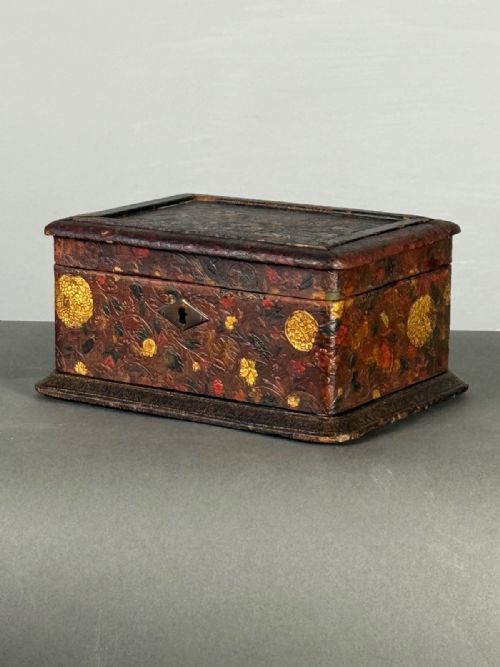
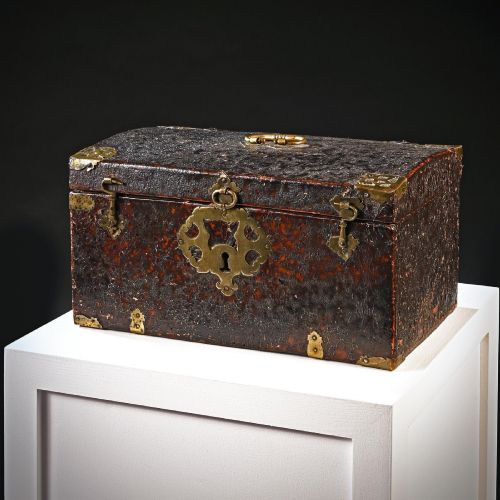
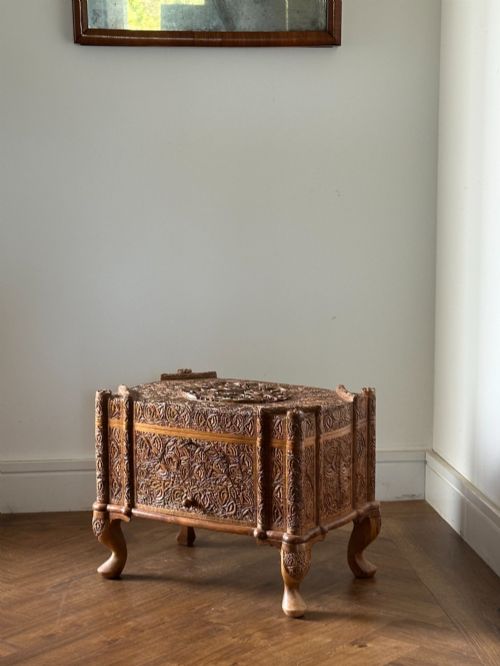
The materials utilised range from domestic timbers such as oak, mahogany, pine, and walnut to exotic woods like rosewood, sandalwood, and camphor wood. Exterior surfaces frequently feature brass mounts, leather coverings, paintwork, mother of pearl details, or tortoiseshell.
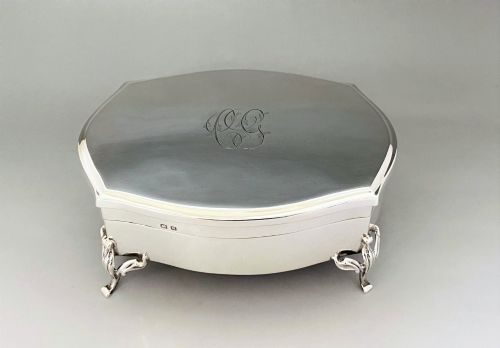
Forms vary from simple pine storage boxes and Scandinavian folk art painted boxes to elaborate fitted rosewood jewellery cabinets and silver-mounted caskets. These pieces served diverse historic functions, from storing household documents and Bibles to holding tea, cigars, and personal trinkets.
How they were made
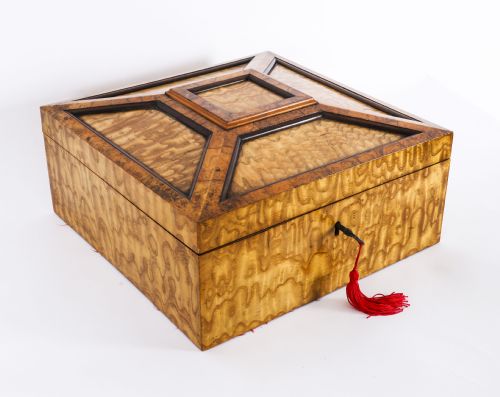
Cabinet makers constructed these boxes using solid hardwoods and softwoods, frequently applying decorative veneers like burr maple, burr walnut, and rosewood over a primary wood base. Joinery techniques varied from early hand-carved oak construction to precise dovetailing on Georgian and Regency mahogany boxes.
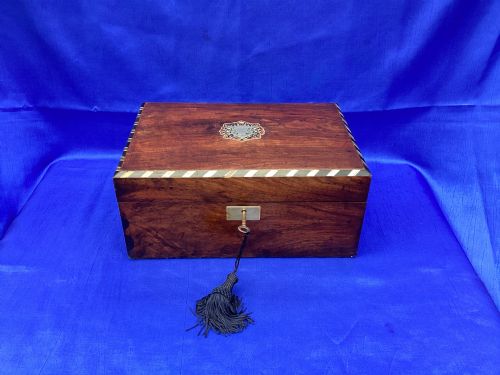
Surface decoration required specialised craftsmanship, incorporating hand-painted Scandinavian folk art, polychrome leather work, brass and iron hardware, and intricate mother of pearl or bone inlay. Many Victorian and Edwardian examples received internal silk or velvet linings and fitted trays to organise jewellery and documents.
Sweetheart tramp art boxes reflect patient evenings spent carving discarded cigar packaging into intricate geometric keepsakes.
What varies in quality
Quality depends heavily on the choice of materials, distinguishing utilitarian pine and iron pieces from refined examples fashioned in solid mahogany, rosewood, sandalwood, or tortoiseshell. The sophistication of the construction and decorative elements, such as hand-carved details, sterling silver mounts, and precise veneer work, separates standard storage containers from exceptional presentation pieces.
The integrity of internal fittings and original hardware also defines the standard of a piece, with fully fitted velvet interiors, working locks with original keys, and intact mother of pearl or bone details commanding greater appreciation.
Susse Freres·Holtzapffel and Co·Henry Hollamby
The Antique Keepsake Chest Glossary
- Tea caddy
- A small box designed specifically for storing loose tea leaves, often featuring internal compartments or mixing bowls. These containers date frequently from the Georgian and Regency periods.
- Bible box
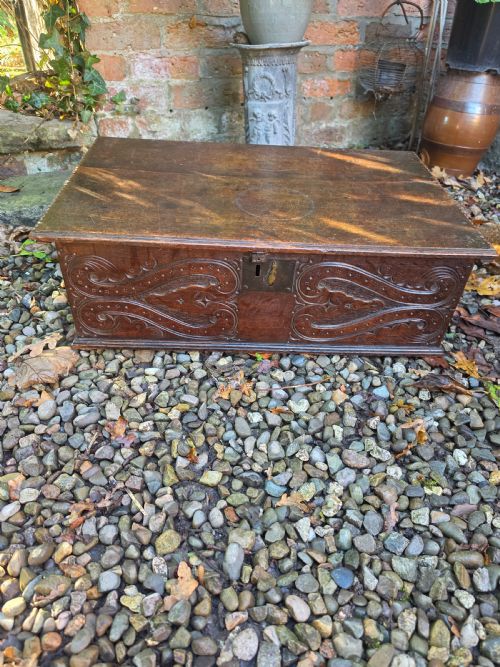
- A small, sloped or flat-topped desk box originating in the 17th and 18th centuries, used originally to house family Bibles and writing materials. They are typically constructed from solid carved oak.
- Campaign box
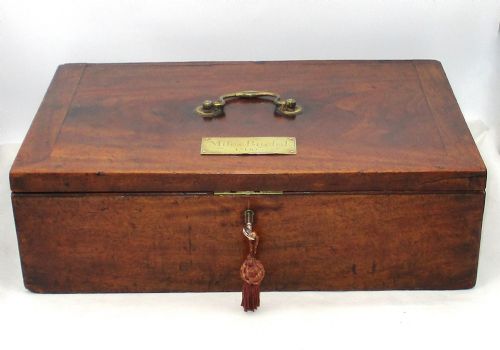
- A portable storage chest or box built for travel during military campaigns, characterised by robust construction, recessed brass handles, and durable timber such as camphor wood or mahogany.
- Tramp art
- A style of woodwork popular in the late 19th and early 20th centuries where makers, often working with pocket knives, created objects from notched and layered scrap wood and cigar box panels.
- Tunbridge ware
- Small wooden decorative boxes and tea caddies ornamented with intricate mosaic patterns made from tiny strips of naturally coloured woods arranged to form pictorial designs.
Antique Keepsake Chest: Frequently Asked Questions
What were antique keepsake chests used for?
These boxes served multiple domestic and travel purposes depending on their internal layout and size. Document boxes and deed storage chests kept legal papers and correspondence secure, while tea caddies preserved expensive dry tea leaves.
Other variants functioned as jewellery caskets, bible boxes, and general trinket storage. Their portable nature allowed owners to keep valuable personal possessions organised and protected at home or during travel.
How do I date an antique keepsake chest?
Dating relies on observing the timber species, construction methods, and decorative styles characteristic of different historical periods. Oak and heavy iron-mounted pieces point toward the 17th and early 18th centuries, while mahogany and satinwood suggest Georgian or Regency origins.
Victorian and Edwardian examples often introduce rosewood veneers, mother of pearl inlay, plush internal silk linings, or silver mounts. Examining the joinery and hardware provides further clues to the manufacturing era.
How should I care for wooden keepsake boxes?
Maintain wooden boxes by keeping them away from direct sunlight and sudden temperature changes that can cause timber to split or veneers to lift. Dust the exterior gently with a dry or slightly damp cloth.
Avoid harsh chemical polishes and feed dry hardwoods occasionally with appropriate furniture wax if recommended for the specific finish. Protect delicate inlay work, leather, and fabric linings from excessive moisture.
What is the difference between a tea caddy and a jewellery box?
Tea caddies were built to hold loose tea and commonly feature foil or wooden inner lids, divided compartments, or central mixing bowls. Their interiors were designed to protect dry goods from light and air.
Jewellery boxes focus instead on personal ornamentation, providing shallow trays, padded ring slots, velvet linings, and smaller partitioned spaces. Exterior locks on jewellery boxes were generally sturdier to secure precious metals and gems.