

Antique Jointed Stool
An antique jointed stool is a sturdy wooden seat built with mortise and tenon joints, offering solid historic character to a room.
Antique Jointed Stool
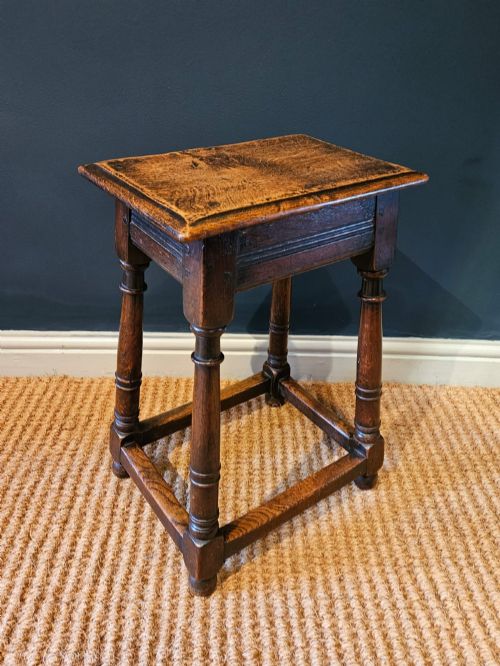
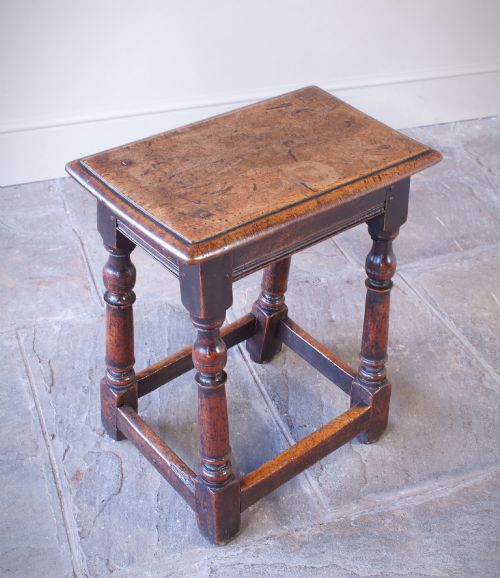
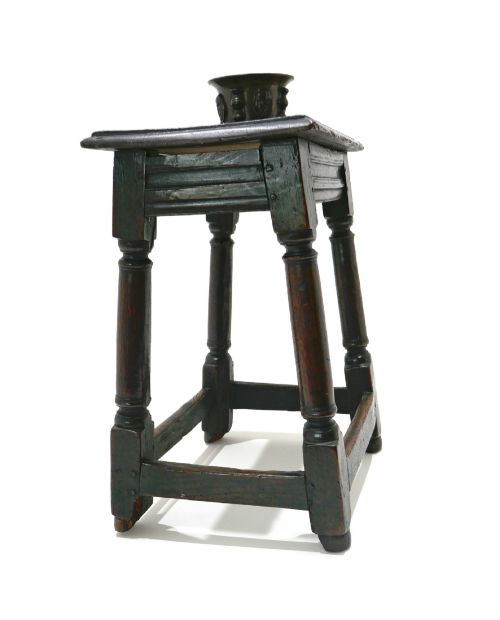
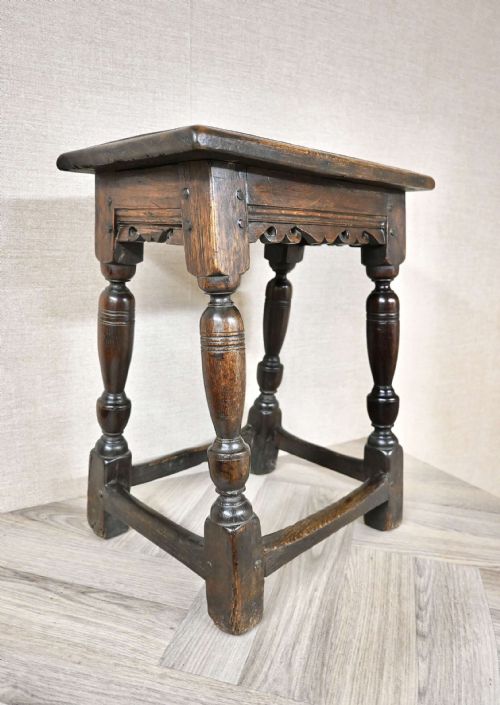
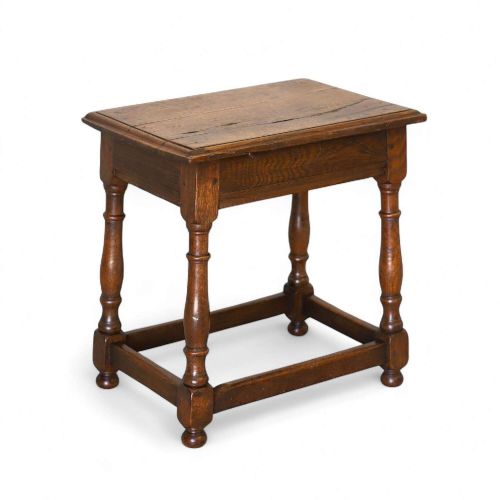
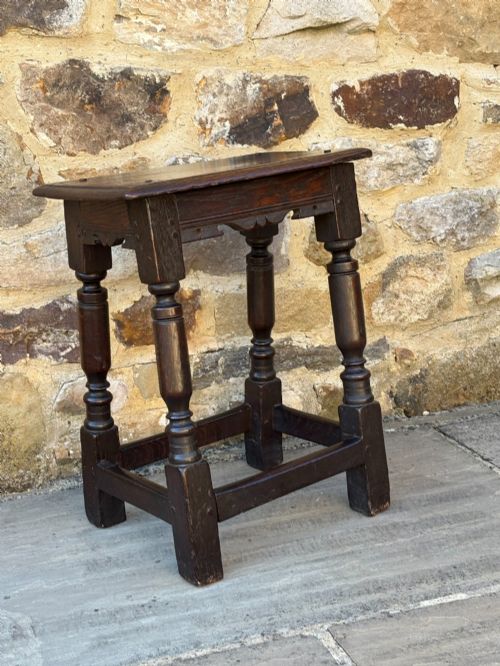
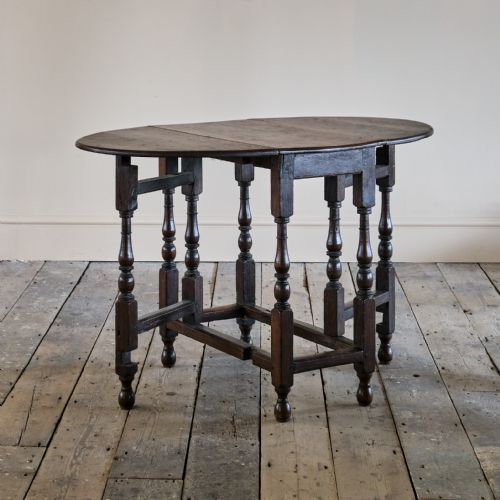
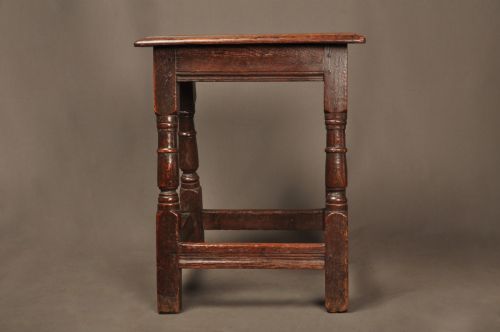
When you search for an antique jointed stool, you encounter low wooden seating primarily constructed in solid oak during the seventeenth century. These sturdy pieces served various domestic purposes before evolving into occasional tables or display stands in later centuries.
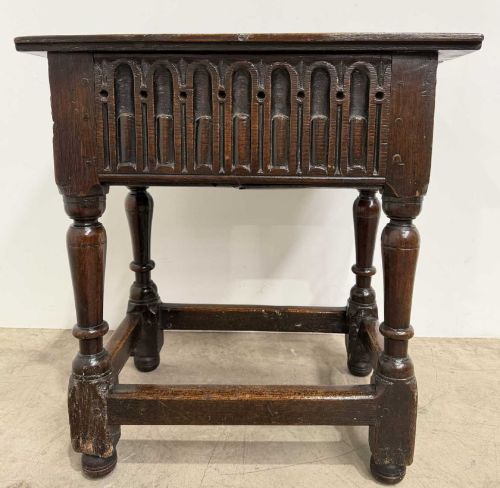
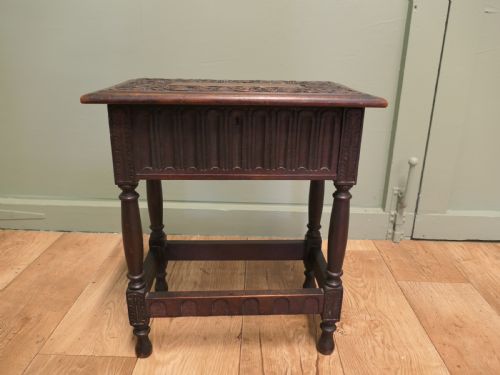
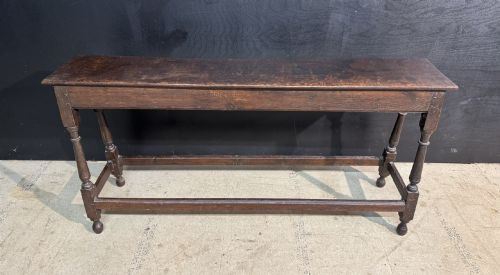
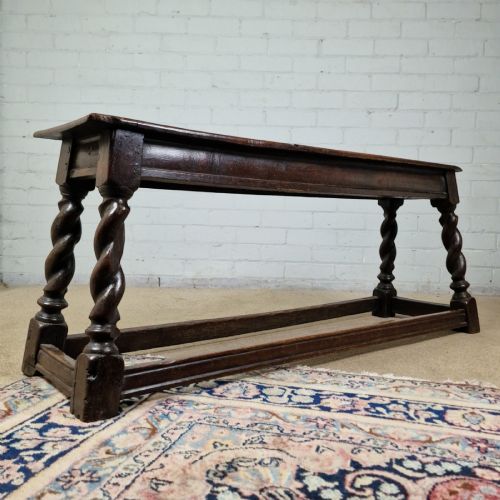
The selection ranges from sixteenth and seventeenth-century examples down to nineteenth-century revivals in the Jacobean and Gothic styles. Alongside standard four-legged stools, variations include box stools with internal storage and long forms designed to seat more than one person.
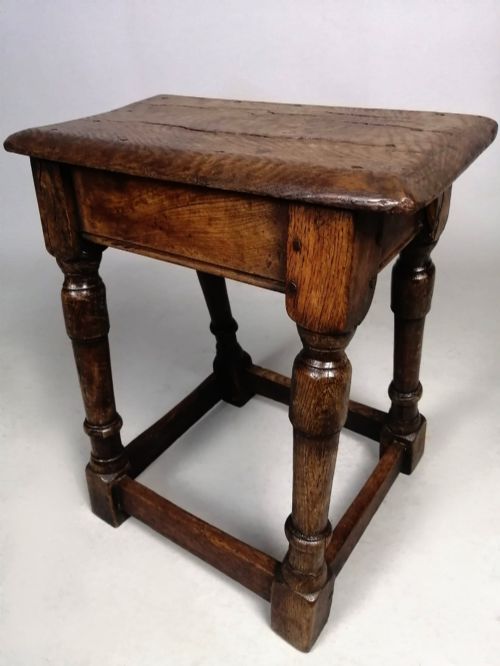
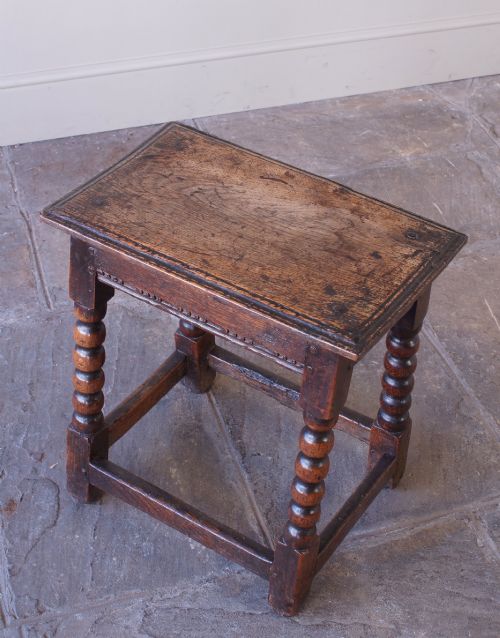
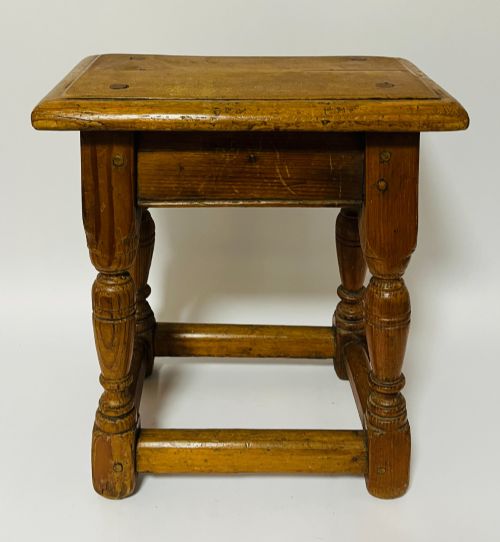
Makers utilised native timbers such as oak, elm, yew wood and walnut to build these robust domestic items. Many survive from the provincial English countryside, showing simple plank tops and pegged construction.
How they were made
Makers constructed these pieces using heavy timbers of oak, elm and walnut joined by pegged wooden joints rather than metal nails. Carpenters shaped the legs and rails by hand, securing the frame with wooden pegs that locked the mortise and tenon connections firmly in place.
Surfaces often display the marks of early hand tools, including adzes and drawknives used to level plank tops and smooth the rails. Some variants incorporate secondary woods like pine or brass fittings for hinges on box stool lids.
Antique Jointed Stool Retail Price Guide 2026
Typical asking prices for jointed stool among the pieces listed under this phrase on Sellingantiques today, from the lower quarter to the upper quarter. They describe what is for sale here now, not the wider market.
Several box stools double as close stools, reminding us that seventeenth-century furniture often multitasked in ways modern buyers rarely expect.
What varies in quality
The degree of original material remaining in the frame distinguishes early period examples from later revivals. Alterations to the feet or replacement top planks change the integrity of a seventeenth-century piece compared to an untouched survivor.
The crispness of hand-carved details on the rails and the depth of the timber's natural patina separate standard provincial work from finer examples. Construction thickness and the tightness of the pegged joints also determine the structural endurance of the stool.
The Antique Jointed Stool Glossary
- Joint stool
- A wooden stool constructed with joints and pegged construction rather than turned legs glued into holes. This term derives from the joined work of early carpenters.
- Box stool
- A stool fitted with a compartment beneath the seat for storage or domestic use. These are sometimes called close stools in historic records.
- Pegged construction
- A method of securing mortise and tenon joints using shaped wooden pins instead of metal fasteners. It allows the timber to expand and contract naturally with seasonal humidity.
- Jacobean style
- A heavy, formal design idiom associated with the early seventeenth century, featuring turned legs and geometric carving. Revival pieces from the nineteenth and twentieth centuries often copied these motifs.
- Plank top
- A seat or surface made from one or more solid boards joined edge to edge. These often show shrinkage splits and wear appropriate to their age.
Antique Jointed Stool: Frequently Asked Questions
What is an antique jointed stool?
An antique jointed stool is a rigid wooden seat made with pegged mortise and tenon joints, originating primarily in the seventeenth century or later revival periods.
Carpenters built these items from sturdy timbers like oak and elm to provide durable seating around the historic household.
How were jointed stools used?
These stools served primarily as heavy-duty seating at the dining table or around the hearth in early homes.
Over the centuries, many found secondary uses as side tables, display stands, or small storage chests in the case of box variants.
How do I identify a seventeenth century stool?
Seventeenth-century examples typically display native English oak timber with hand-pegged joints, deep patination, and minor historical wear to the feet.
Later nineteenth-century revival pieces often copy these Jacobean forms but lack the specific tool marks and dry surface texture of early work.
Can I use a joint stool as a side table?
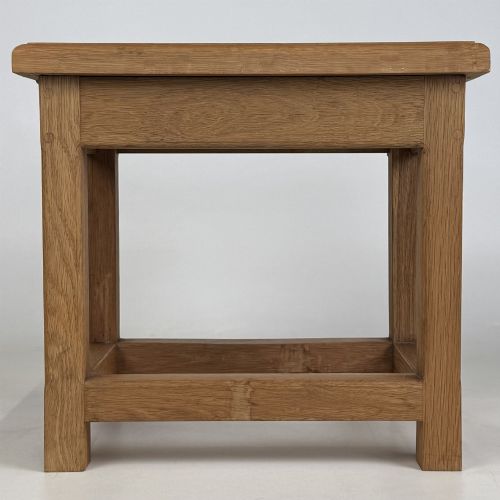
Yes, their flat plank tops and sturdy frames make them suitable for use as occasional tables or bedside stands.
Placing them in modern rooms adds historic texture without requiring much floor space.