
Antique Jewelry Box
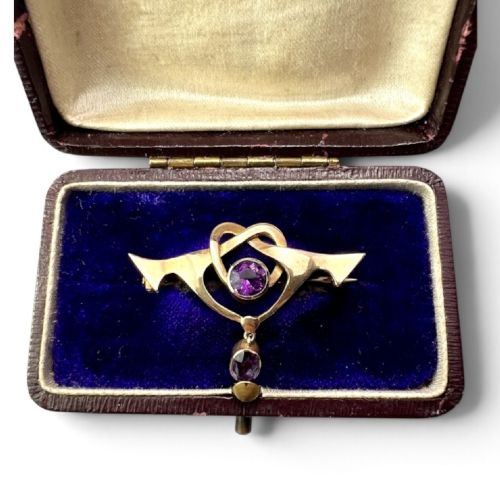
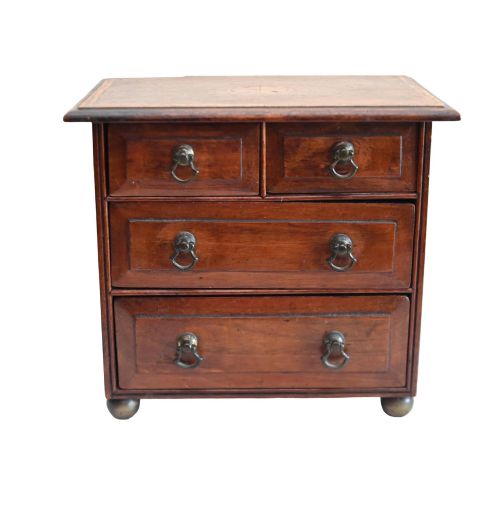
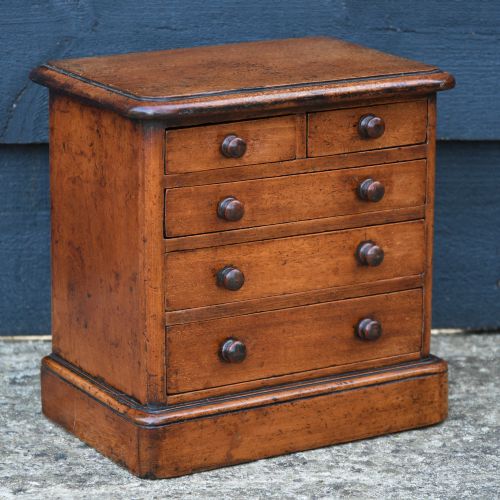
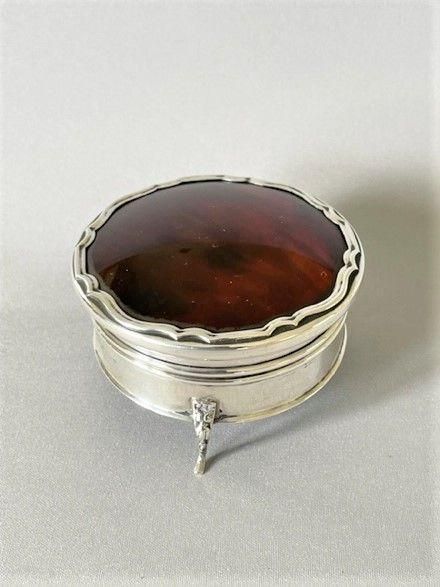
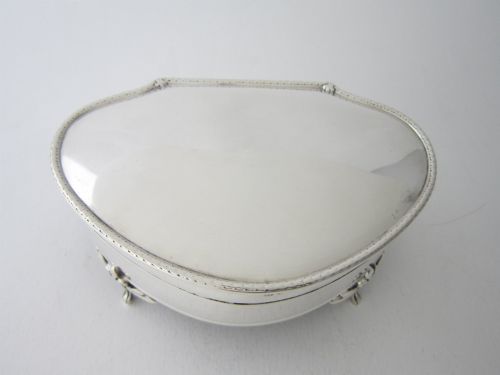
An antique jewellery box holds small treasures and personal keepsakes, ranging from modest Victorian mahogany chests to elaborate Edwardian silver trinket containers.
Antique Jewelry Box
An antique jewellery box serves to safely store rings, brooches, and personal valuables while doubling as a decorative tabletop object. When searching this phrase, buyers encounter diverse forms shaped by changing domestic habits across the nineteenth and early twentieth centuries.
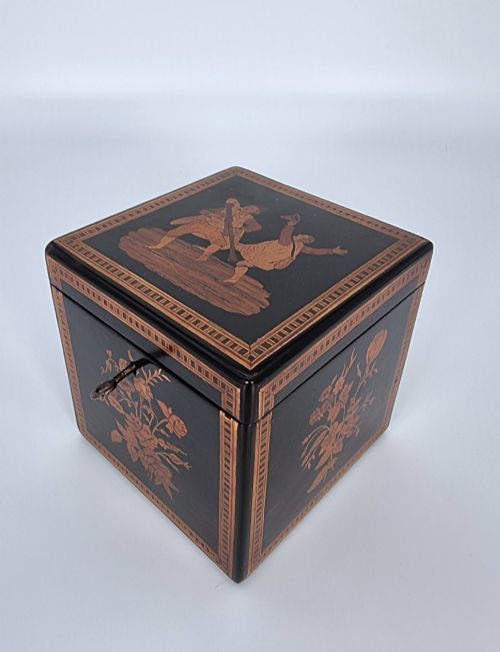
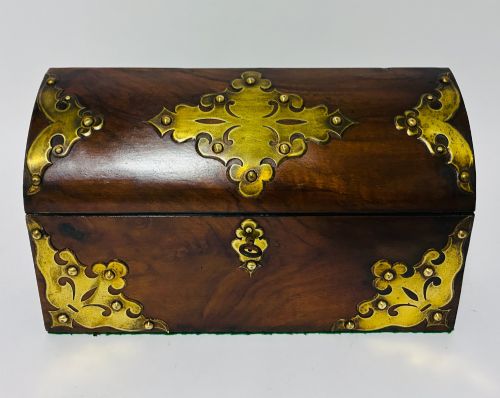
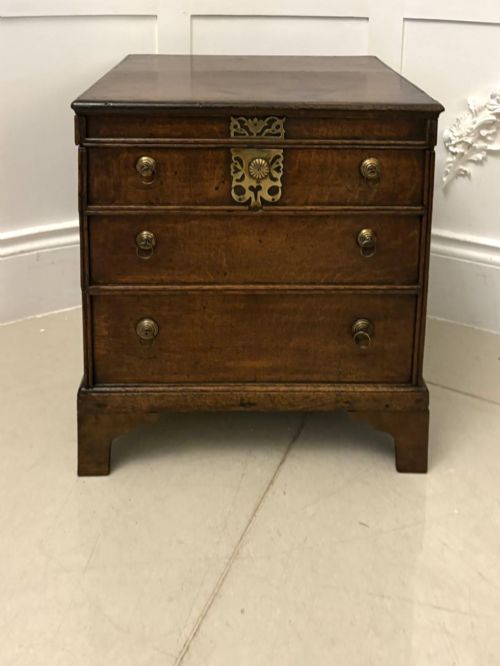
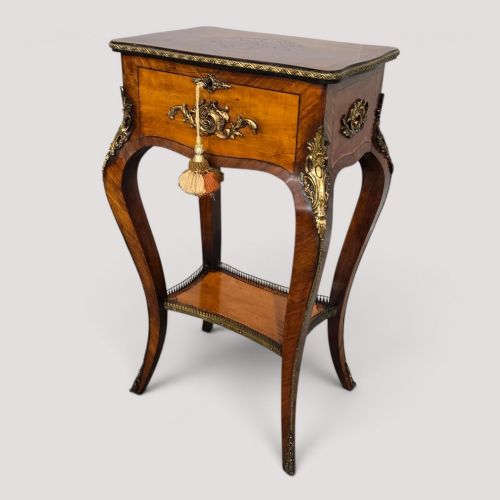
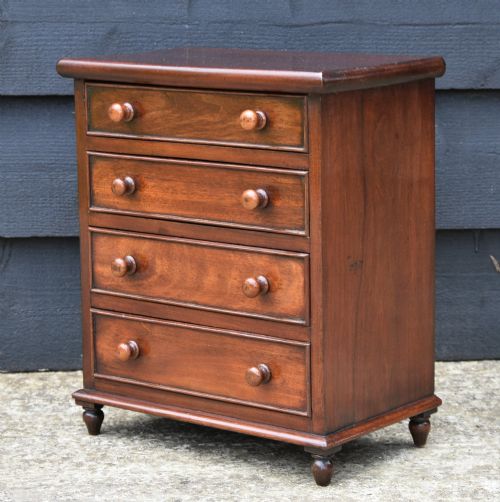
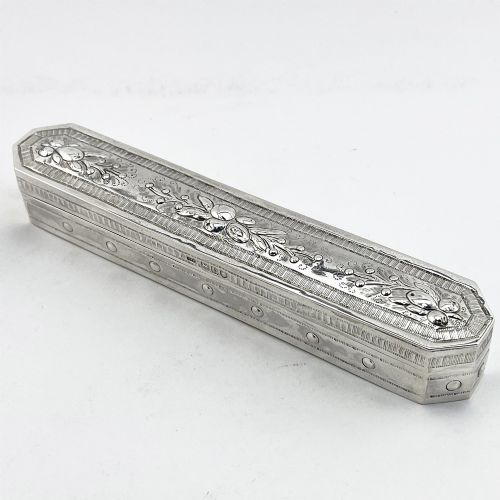
The most common examples on this page include Victorian and Edwardian timber caskets, miniature chests of drawers, and sterling silver trinket boxes. These pieces reflect the material preferences of past decades, utilising woods like mahogany and walnut alongside precious metals and glass.
How They Were Made
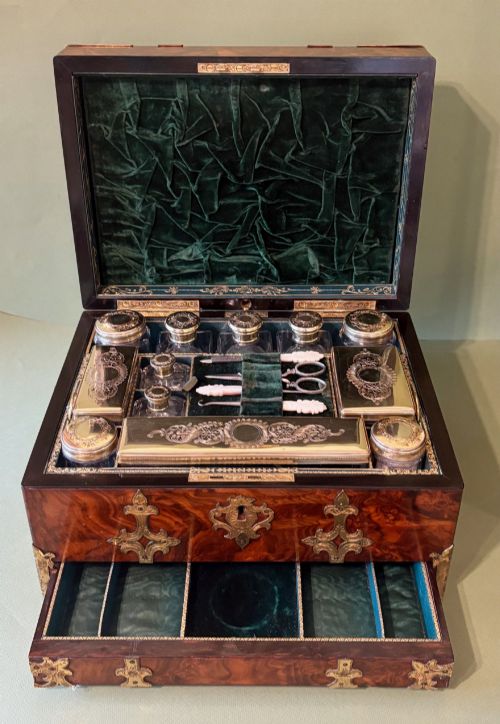
Cabinet makers constructed wooden boxes using durable hardwoods such as mahogany, walnut, rosewood, and oak, often applying veneers and intricate inlay work. Interiors typically featured fitted compartments lined in plush velvet or silk to protect delicate items.
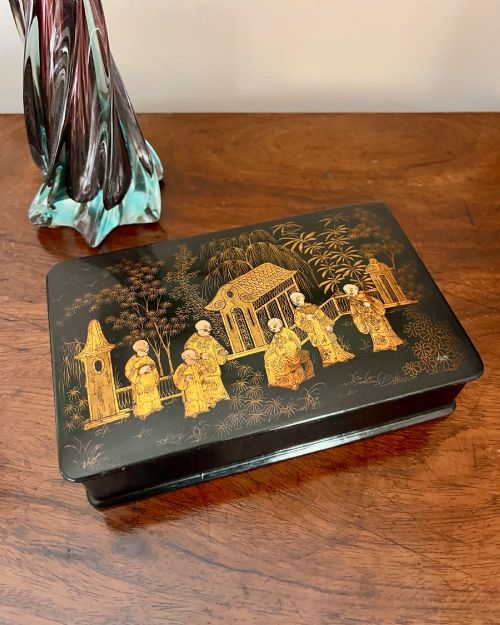
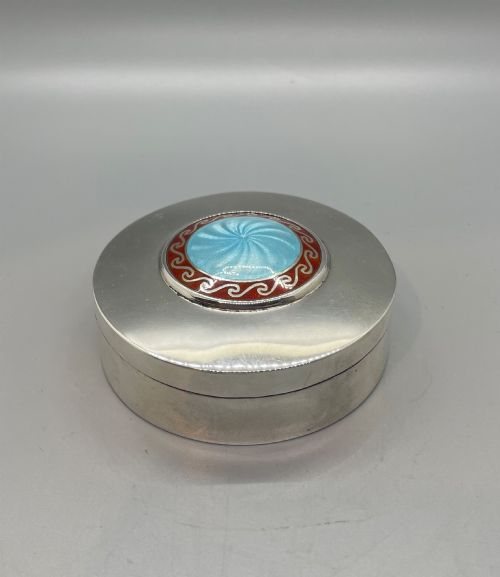
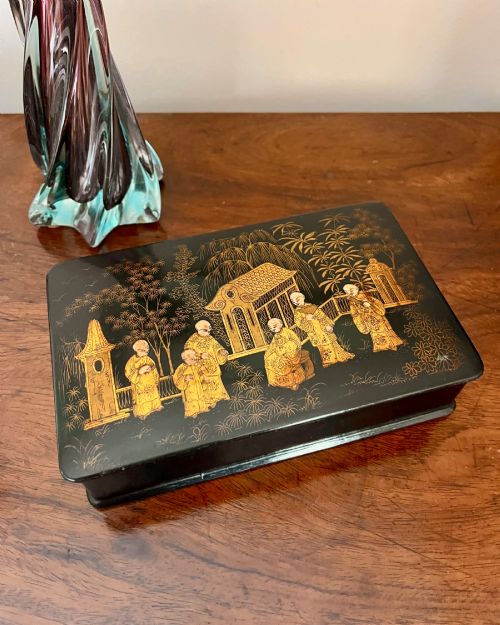
Metal containers relied on solid sterling silver, brass, or bronze, sometimes enhanced with guilloche enamel, tortoiseshell panels, or micro mosaic detailing. Artisans also employed specialised techniques like lacquered chinoiserie and gilt decoration on Japanese and European surfaces.
Listings span the nineteenth and twentieth centuries, recording periods from the Georgian era through to the 1940s.
What Varies in Quality
The distinction between standard containers and superior examples lies in the precision of the construction and the refinement of the materials. Fine items display seamless veneer matching, substantial metal gauges, and intact original linings.
Artisanal execution dictates the overall merit, seen in hand-carved details, secure hinges, and well-fitted internal trays. Pieces bearing recognised maker marks or specialised decorative techniques command greater appreciation.
Deakin and Francis·Tahan·Susse Freres·J C Vickery·Ollivant and Botsford·Mappin and Webb
The Antique Jewelry Box Glossary
- Apprentice piece
- A small-scale item created by a trainee craftsman to demonstrate mastery of joinery and woodworking skills.
- Guilloche enamel
- A decorative technique where intricate geometric patterns are machine-engraved beneath a translucent layer of coloured enamel.
- Trinket box
- A small container specifically designed for holding rings, pins, and small personal ornaments on a dressing table.
- Micro mosaic
- An intricate decorative art form made by assembling tiny coloured glass tesserae to form detailed pictorial scenes.
- Bijouterie table
- A glass-topped display table intended for presenting small valuable objects and jewellery.
Antique Jewelry Box: Frequently Asked Questions
How were antique jewellery boxes used?
These boxes sat on dressing tables and desks to keep everyday rings, brooches, and watches organised and protected from dust.
Larger models served travelling purposes, featuring fitted compartments and lockable lids for valuable personal possessions.
What materials are common in these boxes?
Wood is the primary material, featuring solid and veneered mahogany, walnut, rosewood, and oak.
Silver, brass, bronze, and glass also appear frequently, often combined with velvet linings, enamel, or tortoiseshell.
How do I identify a Victorian box?
Victorian pieces often feature rich dark hardwoods, elaborate brass escutcheons, and traditional joinery methods associated with the nineteenth century.
Many incorporate fitted internal trays lined in velvet to accommodate period jewellery items.
How should I care for an antique box?
Keep wooden surfaces clean with a dry cloth and avoid placing them in direct sunlight or damp environments.
Protect interior silk and velvet linings by avoiding liquid cleaners and handling delicate hardware with care.