

Antique Jewellery Birmingham
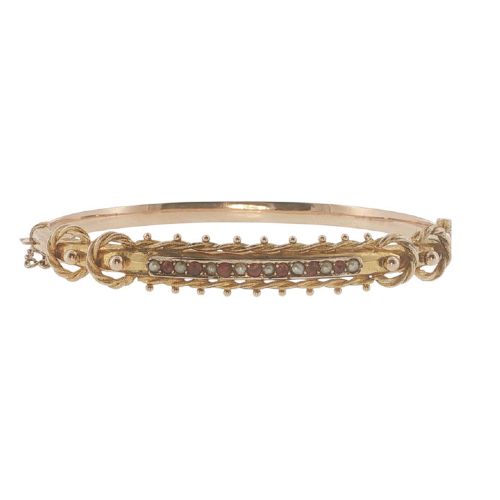
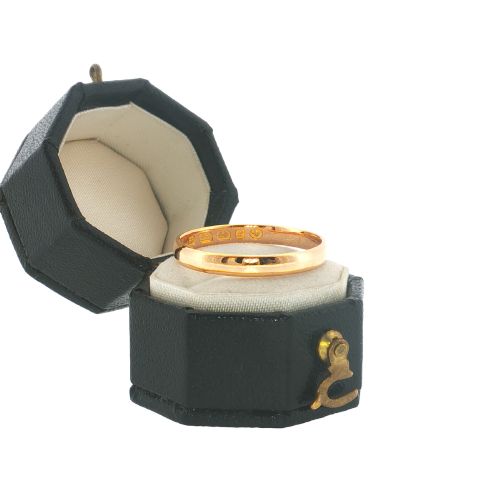
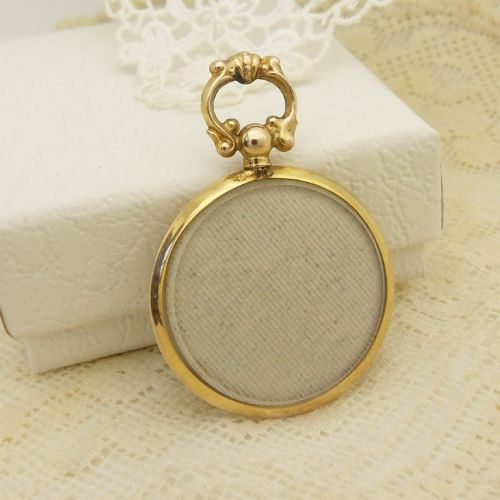
Antique jewellery Birmingham pieces are hallmarked silver and gold rings, pendants, and boxes carrying the authority of the midland assay office.
Antique Jewellery Birmingham
When you search for antique jewellery Birmingham, you encounter a selection spanning the Victorian, Edwardian, and Art Deco eras, alongside Arts and Crafts designs. The material range centres on sterling silver and gold, extending from nine carat up to eighteen carat.
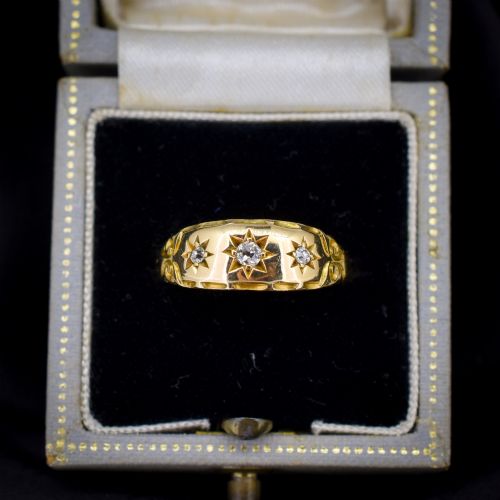
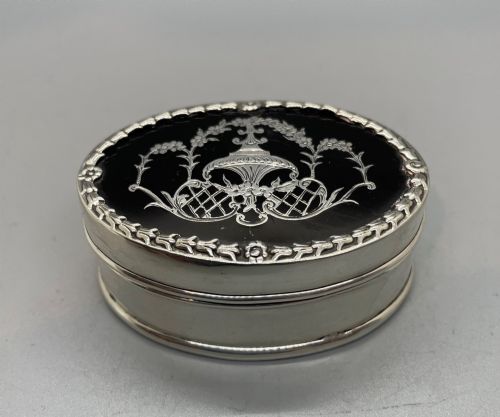
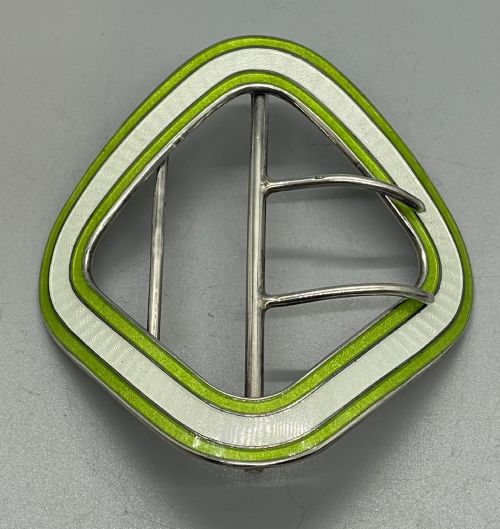
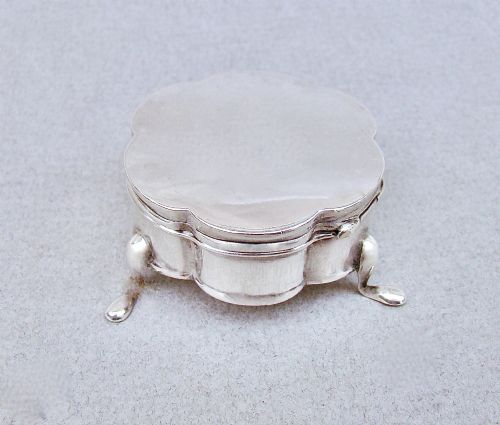
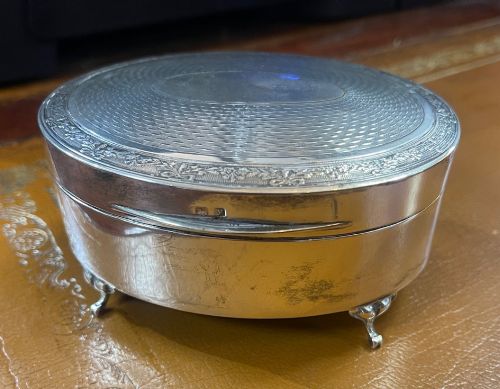
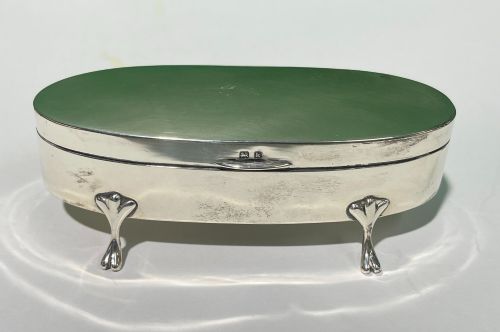
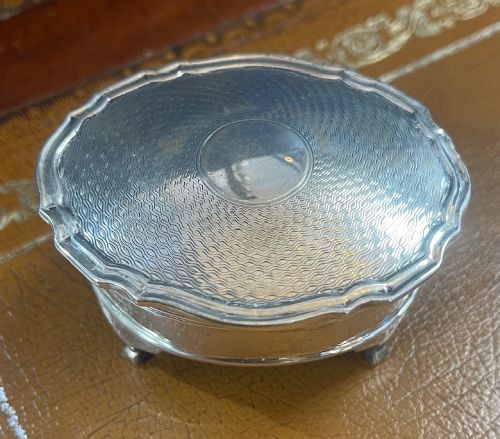
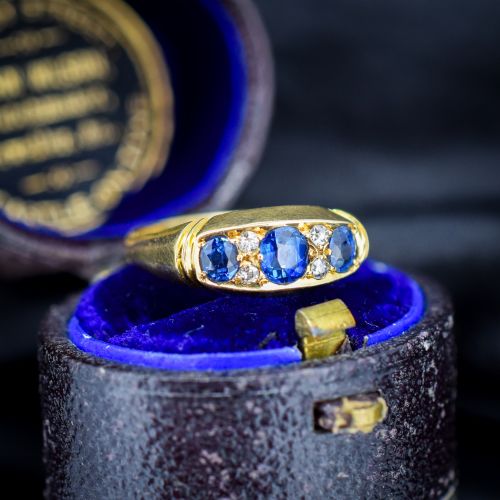
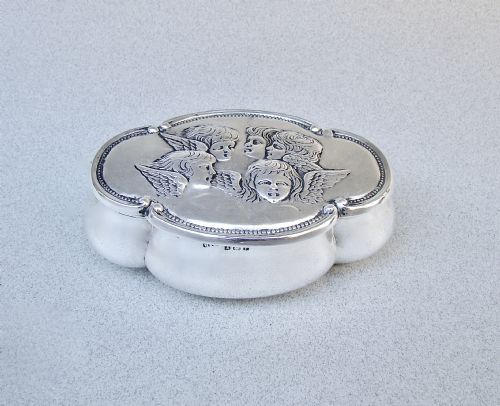
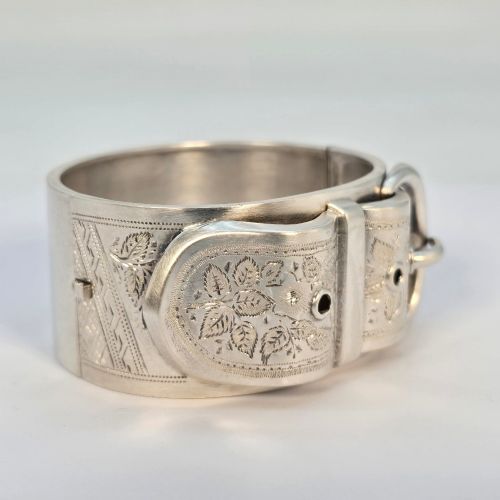
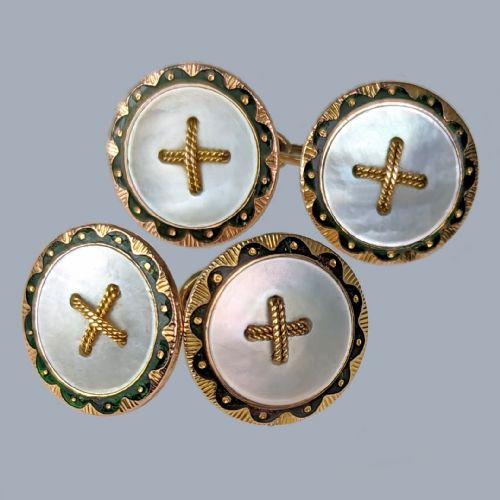
Rings dominate the choices, particularly boat rings set with diamonds, opals, rubies, or sapphires, alongside buckle and trilogy formats. Pendants, chains, cufflinks, and silver trinket boxes complete the formation of surviving items bearing local assay marks.
The objects stem from distinct periods from the late nineteenth century through to the nineteen-forties, showing shifts from ornate Victorian silverwork to clean geometric Art Deco lines.
Materials and construction methods
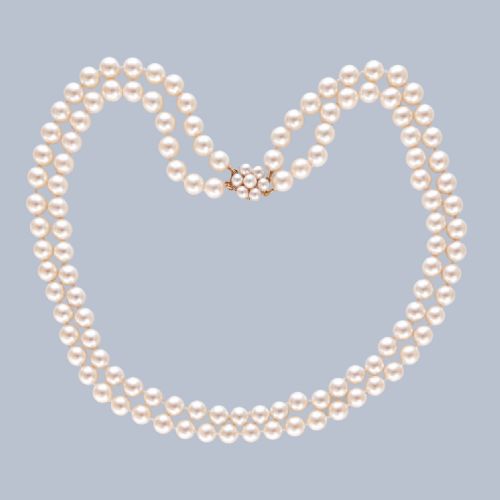
Metals form the backbone of these pieces, utilising sterling silver for boxes, fobs, and bracelets, and yellow, rose, or white gold for rings and chains. Gemstones such as diamonds, opals, rubies, sapphires, garnets, turquoise, and pearls are set into precious mounts.
Enamel work and mother of pearl appear across silver boxes, belt buckles, and cufflinks, adding colour and texture to metal surfaces. Assay office marks stamped directly into the material confirm the metal purity and the year of creation.
Antique Jewellery Birmingham Retail Price Guide 2026
Typical asking prices for jewellery birmingham among the pieces listed under this phrase on Sellingantiques today, from the lower quarter to the upper quarter. They describe what is for sale here now, not the wider market.
A silver novelty crocodile skin trunk box survives as an unexpected expression of Victorian luggage in miniature.
Distinctions in quality
Quality rests upon the crispness of the hallmark stamps and the integrity of the maker's mark, where identifiable names indicate workshops of note. Finer pieces retain intricate hand engraving and secure stone settings that withstand decades of handling.
The choice of gemstones alters the distinction of rings and pendants, with natural opals, well-matched diamonds, and clean sapphires lifting a piece above standard production. Survival of original enamel and gilt linings inside silver boxes preserves the intended aesthetic.
Solomon Blanckensee Son·Gaskins·A J Zimmerman Ltd·Henry Matthews·William Griffiths and Son·Henry Williamson Ltd·Arthur and Georgie Gaskin
The Antique Jewellery Birmingham Glossary
- Hallmark
- Official stamps struck into precious metals to indicate the standard of purity, the assay office of origin, and the year of testing. These marks provide the primary method for dating British items.
- Trilogy ring
- A ring featuring three principal gemstones set in a row across the finger, frequently combining diamonds with rubies, sapphires, or emeralds. Victorian and Edwardian examples often utilise claw or boat settings.
- Boat ring
- A ring style featuring a curved, boat-shaped setting that tapers towards the shoulders, popular during the Edwardian period. This layout allows multiple stones to sit closely together.
- Watch fob
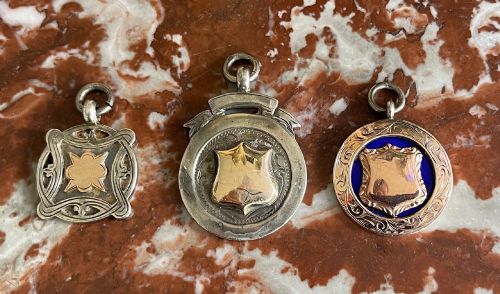
- A short chain or ornament attached to a pocket watch, worn dangling from a waist-coat or belt. Many examples incorporate silver shields or panels bearing assay marks.
- Assay office
- An official body responsible for testing the purity of precious metals and stamping them with statutory marks. Birmingham operated as a principal testing centre in England.
Antique Jewellery Birmingham: Frequently Asked Questions
How do I read a Birmingham hallmark?
Birmingham items display an anchor symbol alongside marks indicating the metal purity and a specific letter designated for the year of assay.
Studying the style of the shield around the letter helps pinpoint the decade of production.
How were watch fobs used?
Watch fobs hung from pocket watch chains as decorative pendants or practical weights to pull the watch from a pocket.
Victorian and Edwardian gentlemen wore them daily on waistcoats.
Are these pieces made of solid gold?
The gold items listed utilise nine carat, fifteen carat, or eighteen carat solid gold rather than plated metals.
Assay marks verify the exact gold standard stamped into the metal.