


Antique Jewel Chest
An antique jewel chest keeps valuables safe in miniature, bringing Georgian and Victorian craftsmanship right to the tabletop.
Antique Jewel Chest
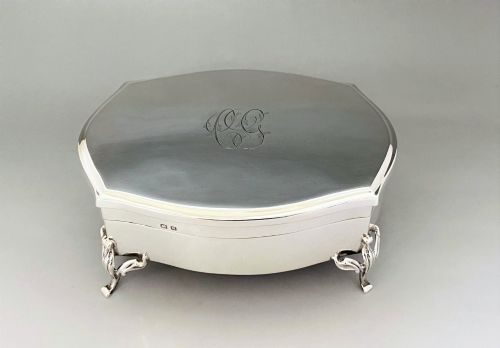
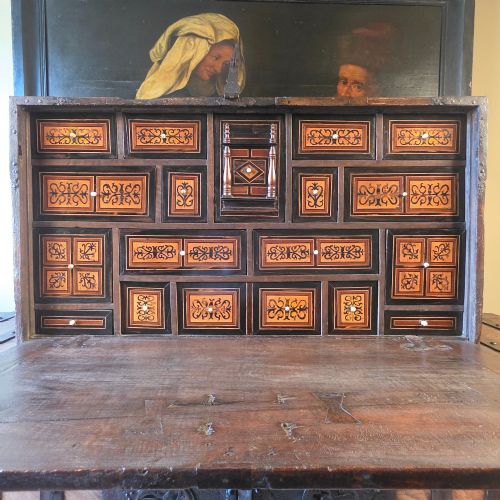
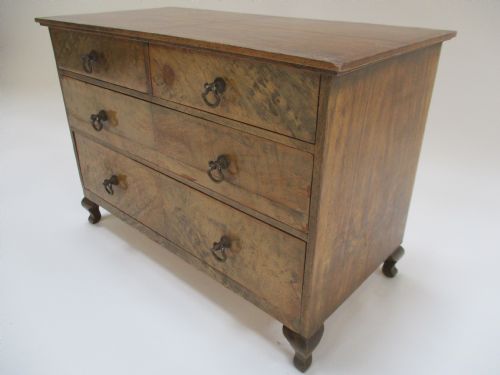
An antique jewel chest encompasses miniature chests of drawers, tabletop cabinets, silver trinket boxes, and Welsh coffor bach pieces across periods spanning the seventeenth century to the twentieth century.
The version most commonly met on this page is the miniature chest of drawers or tabletop cabinet, often fashioned from mahogany, walnut, or oak to emulate full-sized domestic furniture.
Early pieces include seventeenth-century inlaid cabinets and eighteenth-century oak coffers, while later examples extend to nineteen-twenties silver boxes and leather-covered caskets.
Materials and construction
Timbers such as mahogany, walnut, oak, burr yew, and macassar ebony provide the structural carcases, frequently enhanced by intricate wood inlays or burr veneers.
Metalwork plays a key structural and decorative role, with brass mounts, gilt-brass, iron, and solid sterling silver appearing across handles, hinges, and enclosing frames.
Smaller tabletop formats incorporate leather coverings with tooling, bone details, and cast bronze to finish the exteriors.
Miniature chests allowed cabinetmakers to practise proper dovetailing on a scale small enough to fit a gentleman's writing desk.
Standards of execution
Quality rests in the precision of the miniature joinery, where dovetail joints and drawer linings should match the standards expected of full-sized furniture rather than simple toy-making.
The choice of timber creates a clear division, with figured burr walnut, Macassar ebony, and substantial sterling silver denoting pieces made for affluent owners.
Parkins and Gotto·S and H Jewell
The Antique Jewel Chest Glossary
- Coffor bach
- A small Welsh oak coffer or chest produced from the eighteenth century onwards, traditionally built as a marriage gift or presentation piece.
- Wellington chest
- A tall, narrow chest of drawers secured by a locking hinged side flap that fastens over the drawer edges.
- Table-cabinet
- A miniature cabinet designed to sit upon a desk or table, providing small drawers or compartments for valuables.
- Apprentice piece
- A miniature furniture item created by a craftsman to demonstrate skill and secure trade guild admission.
- Treen
- Small handmade wooden domestic objects and decorative items prized for their tactile qualities and age.
Antique Jewel Chest: Frequently Asked Questions
What is an antique jewel chest?
An antique jewel chest is a small tabletop container designed to hold precious ornaments, rings, and trinkets. These pieces range from miniature mahogany chests of drawers to silver caskets.
Craftsmen scaled down domestic furniture styles to create functional containers for dressing tables and desks. They appear in materials from plain oak to figured burr walnut and silver.
How were miniature chests used?
Owners used these small chests in bedchambers and drawing rooms to store jewellery, seals, and personal valuables securely. Their portable size allowed them to be moved easily around the house.
Wealthy households employed silver boxes and ebony chests for display, while simpler wooden boxes served practical storage needs across generations.
How do I date a jewel chest?
Dating relies on identifying the prevailing furniture style, timber, and construction methods used in the carcase. Seventeenth-century examples often feature heavy oak and geometric inlay, whereas Victorian and Edwardian pieces utilise mahogany, burr walnut, and stamped silver hallmarks.
Hardware such as brass handles and hinges provides further clues, as manufacturing techniques shifted from hand-cast fittings to machine-stamped components by the late nineteenth century.
Are these chests made of solid wood?
Many pieces combine solid structural timbers like oak or mahogany with decorative veneers applied to the drawer fronts and top surfaces. Burr walnut and Macassar ebony are typically used as veneers over a stable secondary wood.
Solid construction appears frequently in vernacular pieces such as oak coffers and miniature chests, where thickness provided durability for daily use.