



Antique Jewel Box
An antique jewel box holds small treasures and keepsakes, offering a glimpse into past craftsmanship through metalwork, glass, and wood.
Antique Jewel Box
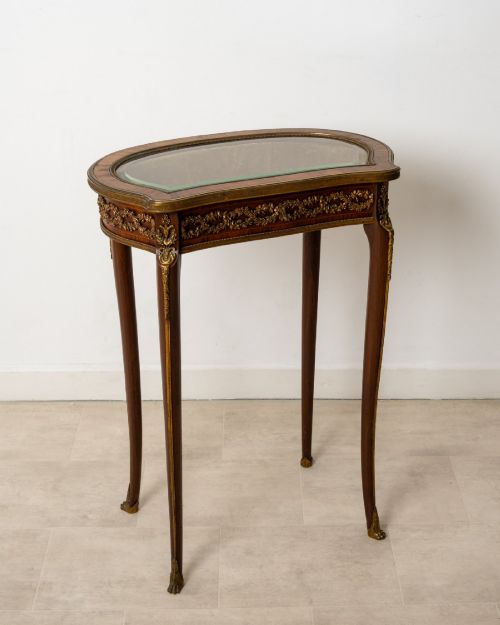
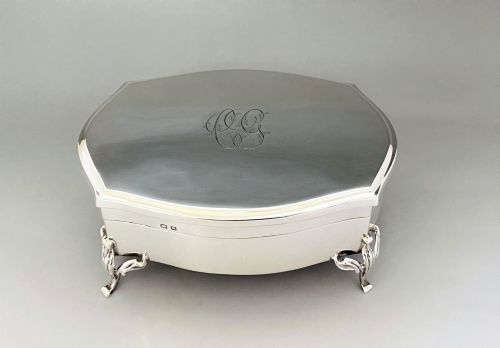
An antique jewel box encompasses miniature chests, trinket boxes, and vitrine display tables designed to hold personal valuables. Buyers seeking an antique jewel box will encounter various forms ranging from compact silver containers to substantial wooden table cabinets.
The pieces on this page span several centuries, featuring examples from the eighteenth, nineteenth, and early twentieth centuries. Styles include Edwardian, Regency, French Louis XV Revival, Art Nouveau, and Folk Art.
Origins vary widely across the selection, including British, French, and Viennese workshops. Forms range from simple leather-covered boxes to elaborate ormolu and enamel display pieces.
How they were made
Wood construction relies on traditional timbers such as oak, mahogany, and kingwood, often shaped into miniature coffers or table cabinets. Leather is frequently employed alongside wood, featuring tooled details and gilt-brass mounts.
Metalwork utilises brass, ormolu, silver, and gold to create structural frames, decorative mounts, and hinged lids. Glass panels and porcelain enamel inserts frequently appear in combination with these metals.
Surface decoration incorporates intricate metal casting, enamel painting, and articulated bodies on smaller novelty snuff boxes. These techniques demand precise hand assembly by period artisans.
Antique Jewel Box Retail Price Guide 2026
Typical asking prices for jewel box among the pieces listed under this phrase on Sellingantiques today, from the lower quarter to the upper quarter. They describe what is for sale here now, not the wider market.
One listed item is a novelty fish snuff box complete with an articulated body and a hinged head.
What varies in quality
The choice of materials and the complexity of the construction distinguish finer examples from simpler containers. Heavy cast ormolu mounts and finely painted enamel panels indicate higher workshop standards.
The precision of the joinery in wooden boxes and miniature chests demonstrates the maker's skill. Well-fitted hinges, secure clasps, and intact interior linings reflect superior execution.
The Antique Jewel Box Glossary
- Ormolu
- A gilded bronze or brass ornament applied to furniture and decorative boxes. It provides a bright golden finish that catches the light.
- Vinaigrette
- A small container holding a sponge soaked in aromatic vinegar. These boxes often feature intricate gold and enamel work.
- Vitrine
- A glass-sided cabinet or display table designed to exhibit small objects. They frequently incorporate gilt-bronze frames.
- Coffor Bach
- A Welsh miniature oak coffer traditionally used for keeping valuables. These small chests date back to the eighteenth century.
Antique Jewel Box: Frequently Asked Questions
What fits inside an antique jewel box?
These boxes are designed for small personal items such as rings, brooches, and loose trinkets. Larger table cabinets can accommodate bulkier accessories and keepsakes.
Interior compartments and velvet or silk linings help protect delicate items from scratching during storage.
How do I clean an antique jewel box?
Dust wooden surfaces gently with a dry, soft cloth to preserve the finish and patina. Avoid harsh chemical cleaners that can strip old polishes and finishes.
Metal mounts and silver components require careful treatment with appropriate metal polishes, taking care not to touch surrounding enamel or leather.
Where were these boxes used?
Victorian and Edwardian owners placed them on dressing tables, mantelpieces, and parlor display surfaces. They served both a decorative purpose in the room and a practical one for daily accessories.
Portable leather-covered versions were also utilised during travel to secure valuables on the move.
How can I tell the period?
Stylistic indicators such as Art Nouveau curves or Regency proportions point toward specific design eras. Materials like sterling silver often carry hallmarks that date the piece precisely.
Construction methods, such as dovetailing in wooden coffers and the style of brass casting, offer further clues to the manufacturing date.