





Antique Japanese Vase Converted
These antique japanese vase converted items are handsome vessels adapted into table lamps, bringing Eastern craftsmanship and rich patination into domestic rooms.
Antique Japanese Vase Converted
When you search for antique japanese vase converted pieces, you are looking at historic Asian vessels that have been fitted for modern electrical lighting. These objects bridge centuries of decorative arts and practical home illumination.
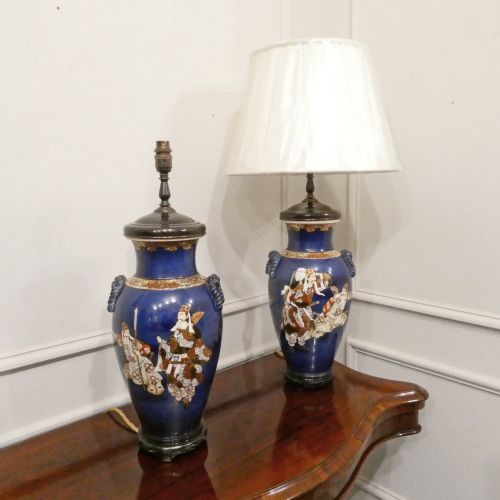
The selections here span several distinct eras, notably the Edo and Meiji periods, taking the form of table lamps built from original vessels. You will frequently encounter forms originating from the nineteenth century alongside earlier examples.
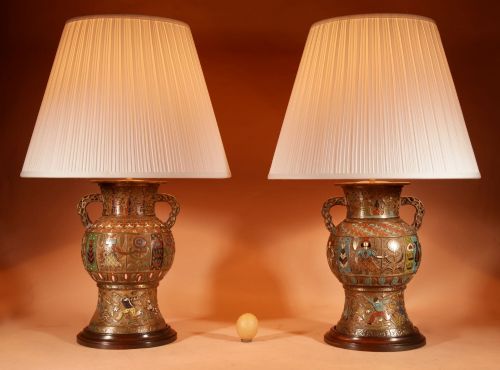
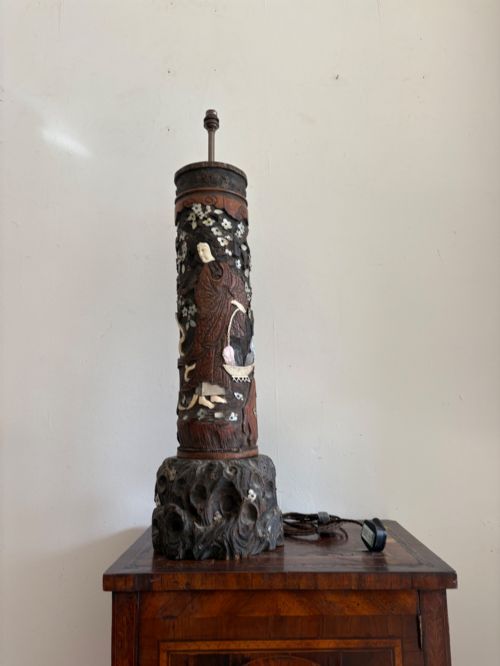
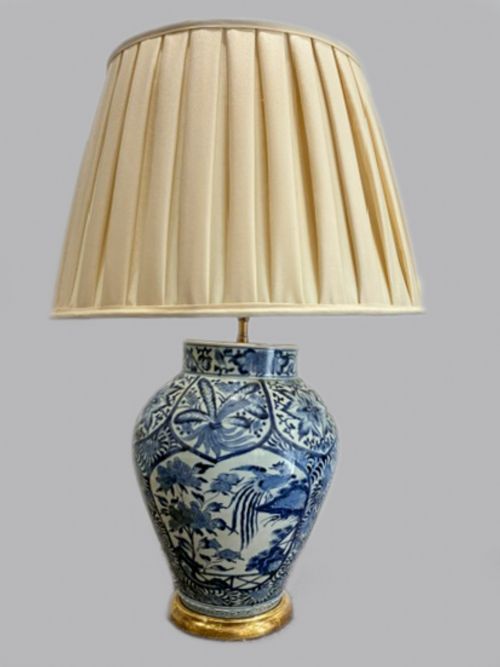
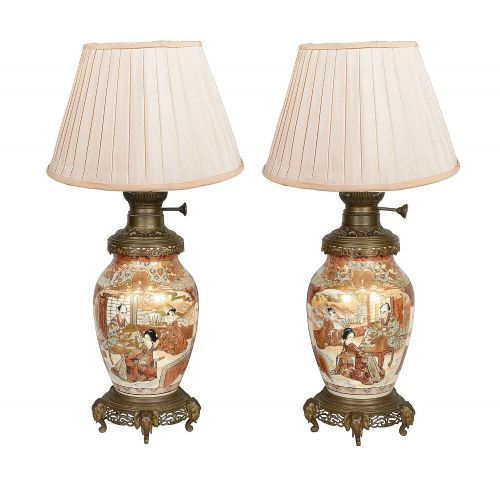
Vessels transformed in this manner include porcelain jars, bronze urns, and carved brush pots. Each piece retains its original decorative character while serving a new domestic function.
Materials and construction methods
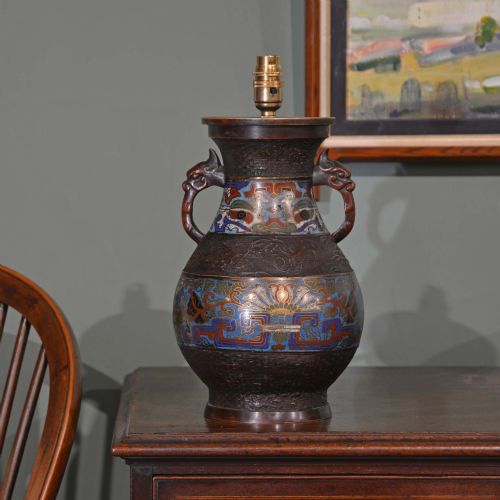
The foundational bodies of these lamps utilise traditional Far Eastern materials such as bronze, Kutani porcelain, and cloisonne enamel. Artisans originally shaped these metals and ceramics by hand before any later adaptation for wiring took place.
Surface decoration involves meticulous hand-applied techniques, including champlevé enamel work and intricate mother of pearl inlay on carved wood elements. These decorative layers demonstrate high levels of artisanal skill from their respective periods.
Antique Japanese Vase Converted Retail Price Guide 2026
Typical asking prices for japanese vase converted among the pieces listed under this phrase on Sellingantiques today, from the lower quarter to the upper quarter. They describe what is for sale here now, not the wider market.
Someone once wired a seventeenth-century brush pot so carefully that the scholar's ink ghosts seemed to linger near the lampshade.
Assessing quality and craftsmanship
Quality in these conversions rests primarily on the integrity of the original vessel and the discretion of the mounting. Superior examples preserve the main body without invasive alterations that compromise the historic material.
The refinement of the surface decoration, whether detailed bronze casting or delicate enamel work, distinguishes finer pieces from standard production. Artisanal precision in the original manufacture dictates the overall artistic merit.
The Antique Japanese Vase Converted Glossary
- Meiji Period
- The era in Japanese history spanning from 1868 to 1912, known for significant artistic production and opening to Western trade. Many decorative objects found today originate from this distinct span.
- Cloisonne
- A metalwork technique where enamel is applied within compartments created by soldered wire. This method produces intricate coloured patterns across bronze or copper bases.
- Edo Period
- The period lasting from 1603 to 1867 characterised by economic growth and strict social order. Items surviving from this time often exhibit traditional craftsmanship.
- Imari
- A style of Japanese porcelain featuring distinctive underglaze blue and overglaze red, gold, and black decoration. These wares were heavily exported to Europe.
- Champlevé
- An enamelling process where troughs are carved into a metal surface and filled with vitreous paste before firing. This creates durable and colourful geometric or pictorial designs.
Antique Japanese Vase Converted: Frequently Asked Questions
What is an antique japanese vase converted lamp?
An antique japanese vase converted lamp is an original historic vessel that has been professionally adapted to house electrical components and function as a table lamp. This process repurposes decorative containers for modern interiors while preserving their artistic heritage.
Such pieces allow collectors to enjoy traditional Far Eastern craftsmanship with the practical benefit of household illumination. They combine historical resonance with functional utility in living spaces.
How do I care for these lamps?
Care requires gentle dusting with a soft, dry cloth to protect delicate surfaces such as enamel, porcelain, and patinated bronze. Avoid liquid cleaners that might damage historic finishes or wiring.
Positioning the lamps away from direct sunlight prevents the fading of any integrated fabric or hand-painted details. Regular checks by a qualified electrician ensure the older wiring components remain safe for use.
How can I tell the period of the vase?
Dating relies on stylistic markers, material composition, and traditional manufacturing techniques specific to eras like the Meiji or Edo periods. Markings on the base or the specific style of glaze and metalwork provide further clues.
Consulting stylistic conventions helps distinguish nineteenth-century production from earlier centuries. Each era displays distinct aesthetic preferences in colour palettes and ornamentation.
Where should I place these in a room?
These table lamps suit prominent locations such as sideboards, desks, or living room console tables where their decorative qualities can be appreciated. Their height and visual weight make them effective focal points.
Pairing them with neutral backgrounds allows the intricate patterns of the bronze, porcelain, or cloisonne to stand out. They add warmth and a historical focal point to traditional and eclectic interiors alike.