


Antique Japanese Side Table
These antique japanese side table examples bring together nineteenth-century craftsmanship and Eastern-influenced design, offering practical surfaces that suit modern interiors.
Antique Japanese Side Table
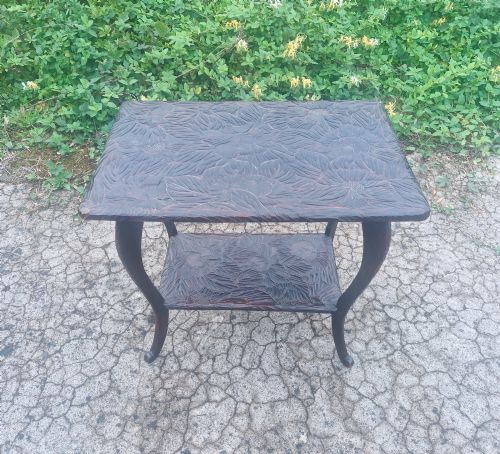
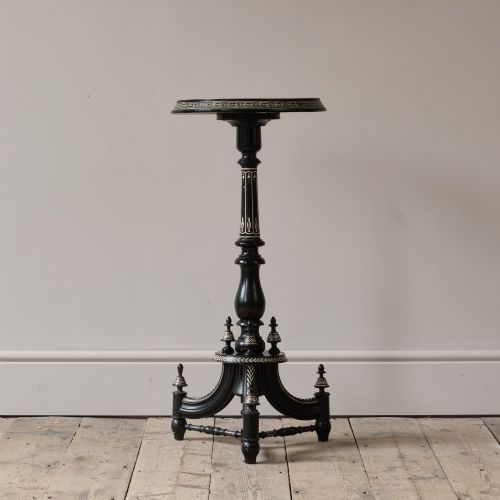
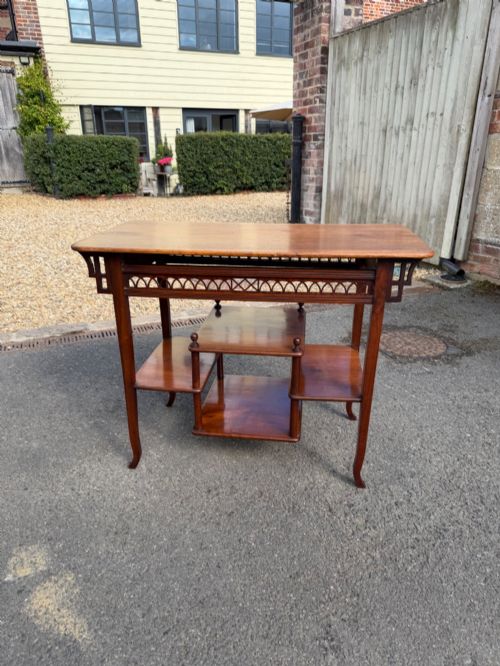
An antique japanese side table typically appears alongside related forms such as occasional tables, plant stands, and nests of tables spanning the late nineteenth and early twentieth centuries. These pieces reflect a strong cross-cultural exchange between British design movements and Japanese craftsmanship.
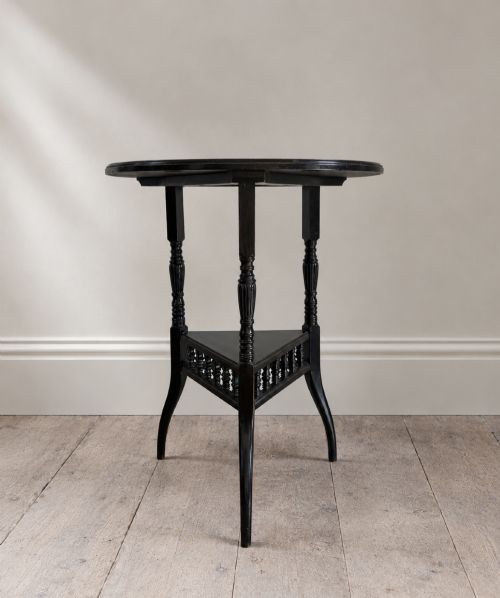
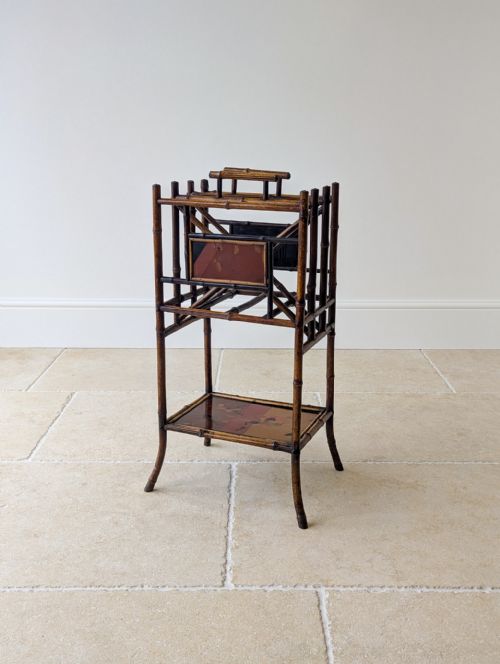
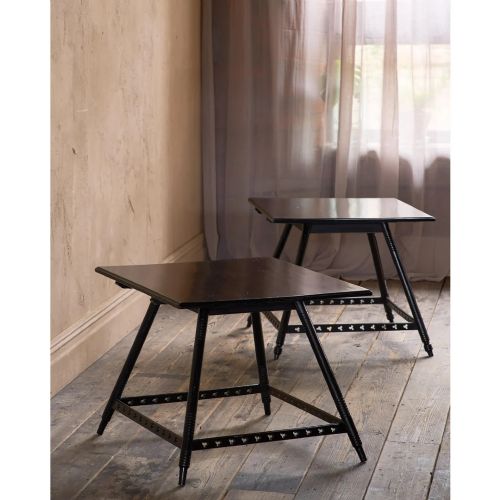
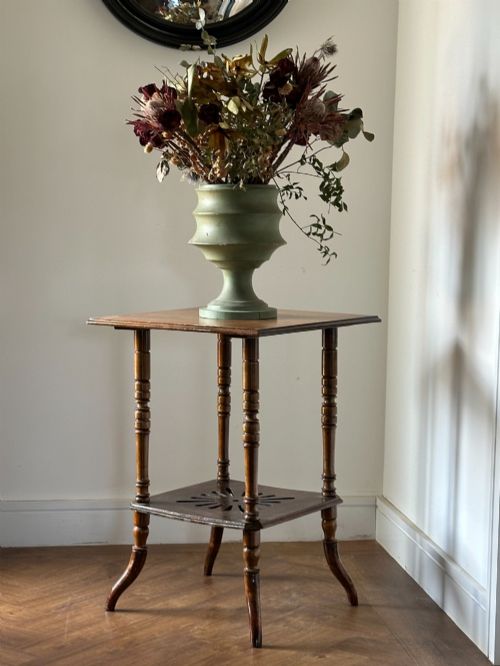
Makers and designers working within the Aesthetic and Arts and Crafts movements produced many of these items, utilising imported hardwoods, bamboo, and ebonised finishes to achieve an authentic aesthetic. Common configurations range from low tea tables to multi-tiered stands and folding occasional furniture.
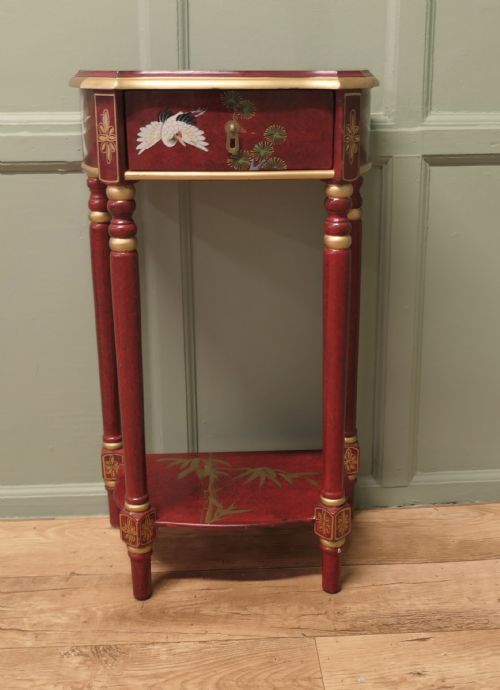
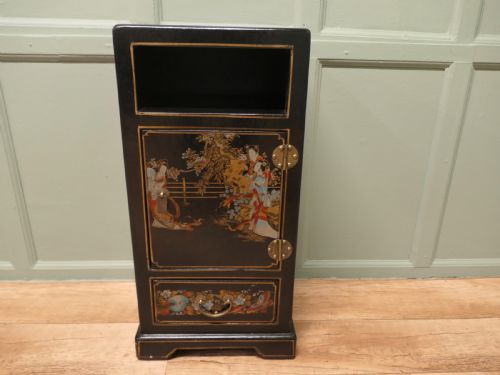
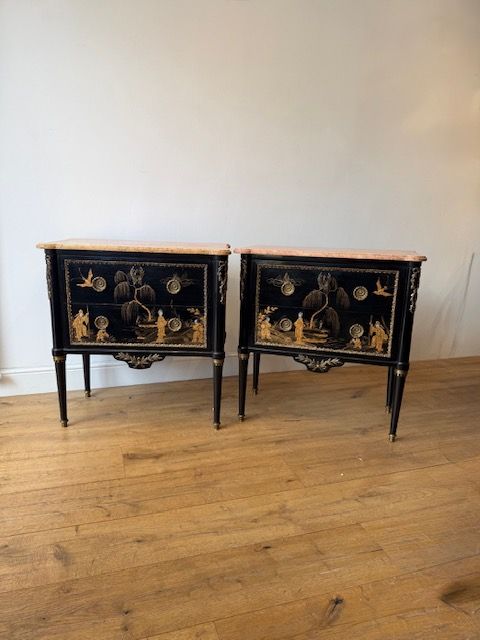
The selection here encompasses both direct imports from the Meiji period and British interpretations created by retailers such as Liberty of London. Buyers encounter everything from carved hardwood stands with marble inserts to lacquered panels and bamboo frames.
What varies in quality
The distinction between standard commercial output and finer work lies in the depth and precision of the hand carving and the integrity of the joinery. Pieces associated with prominent retailers or specific designers often exhibit superior structural stability and crisper detailing on lacquer panels.
Material selection also dictates the hierarchy, with solid hardwoods and intact original lacquering commanding more attention than softer woods or later painted imitations. The survival of original brass fittings and inset marble tops without hairline fractures further elevates a piece.
Several tables show clever nesting designs, proving that Victorian space-saving ingenuity matches modern cleverness.
Liberty of London·Gabriel Viardot
The Antique Japanese Side Table Glossary
- Aesthetic Movement
- A late nineteenth-century design current that rejected Victorian industrial mass production in favour of artistic expression, heavily influenced by Japanese art. It champions the principle of art for art's sake in domestic furnishings.
- Anglo-Japanese
- A hybrid design style emerging in Britain during the Victorian era that combines British furniture forms with Japanese decorative motifs and construction techniques. This approach produced much of the ebonised and bamboo occasional furniture found today.
- Chabudai
- A traditional low table used in Japanese homes for partaking in meals or tea ceremonies while kneeling on tatami mats. Western adaptations from the Meiji period often retain the low profile while serving as display surfaces.
- Japonisme
- A Western term coined in the late nineteenth century to describe the craze for Japanese art and aesthetics. It fundamentally shaped European painting, decorative arts, and interior design.
- Ebonised
- Wood treated with a dark stain or chemical process to imitate expensive ebony. This finish was widely utilised in nineteenth-century furniture to create stark, contrasting silhouettes.
Antique Japanese Side Table: Frequently Asked Questions
What defines an antique japanese side table?
These tables comprise genuine nineteenth-century imports from Japan alongside British pieces influenced by the Meiji aesthetic. They utilise materials like bamboo, ebonised wood, and lacquer.
Forms range from low tea tables to tiered plant stands and nesting surfaces designed for flexible placement in domestic rooms.
How do I identify an Aesthetic Movement piece?
Aesthetic Movement items frequently feature ebonised wood surfaces, simple geometric lines, and direct references to Japanese flora and fauna. These designs often echo the pattern books associated with designer E.W. Godwin.
Such pieces prioritize slender silhouettes and flat decorative panels over heavy Victorian ornamentation.
How should I care for lacquered and bamboo furniture?
Lacquered surfaces and bamboo frames require stable indoor humidity levels and protection from direct sunlight to prevent warping and finish degradation. Gentle dusting with a dry, soft cloth is sufficient for routine maintenance.
Avoid using harsh chemical polishes or placing damp items directly onto antique wood and lacquer.