


Antique Japanese Shippo
These antique Japanese shippo pieces are remarkable works of enamel artistry that bring intricate metallic wirework and vibrant colours into any room.
Antique Japanese Shippo
Antique Japanese shippo encompasses decorative vessels, chargers, plates, and small objects created using traditional enamel techniques. When searching for antique Japanese shippo, collectors encounter items ranging from mid-nineteenth-century Edo period pieces to early twentieth-century Taisho examples.
The selections span across substantial decorative chargers, lidded bowls, sake kettles, and intricate jewellery boxes. Many of these items feature distinct decorative motifs such as floral patterns, cranes, dragons, and leaping koi.
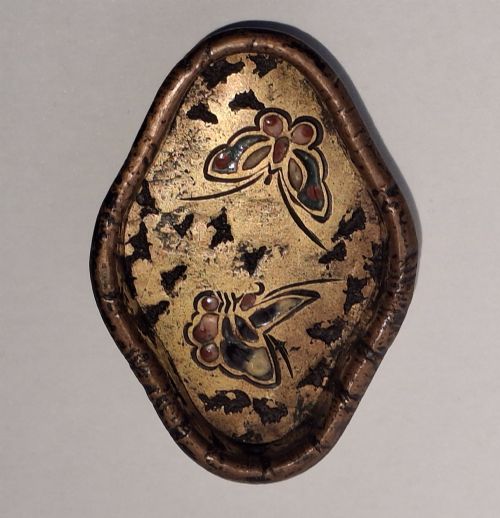
Totai shippo forms utilising porcelain or ceramic cores paired with cloisonné tree bark effects appear frequently alongside traditional metal-based constructions. These varied objects display the meticulous craftsmanship developed across multiple Japanese periods.
Materials and construction
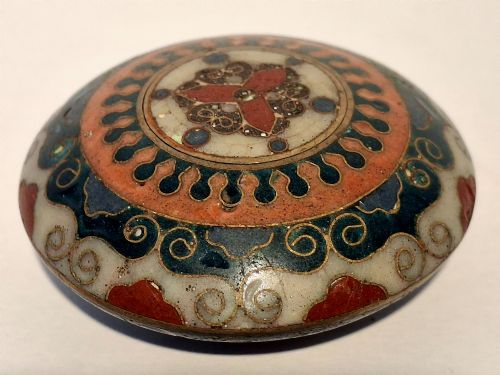
Artisans built these pieces using copper, brass, and metal wire alongside enamel to form detailed cloisonné compartments. The resulting metal wire matrices held coloured enamels before firing and polishing.
Certain items utilise porcelain or ceramic foundations beneath the enamel layers, known as totai shippo, often decorated to mimic textured tree bark. Metal wires outline every decorative element, creating crisp boundaries between distinct enamel hues.
Current listings feature pieces spanning the Edo, Meiji, and Taisho periods, utilising copper, brass, porcelain, and ceramic.
Assessing quality
Quality rests in the precision of the wirework and the evenness of the fired enamel surface across complex forms. Superior examples demonstrate exceptional control over intricate motifs and delicate shading within the cloisonné cells.
Signed pieces and items utilising unusual material combinations, such as porcelain cores with tree bark texturing, represent elevated levels of workshop capability. The complexity of the imagery, from simple floral arrangements to elaborate koi and dragons, distinguishes standard production from masterworks.
Ando
The Antique Japanese Shippo Glossary
- Shippo
- The Japanese term for enamel ware, literally translating to seven treasures. It describes traditional Japanese cloisonné enamel objects.
- Cloisonné
- A metalworking technique where fine wire is soldered to a metal base to create compartments filled with enamel paste. These cells are then fired and polished smooth.
- Totai shippo
- A specific technique involving enamel applied over a porcelain or ceramic body rather than a traditional metal base. This method often incorporates simulated tree bark textures.
- Charger
- A large ornamental plate designed for display rather than dining use. These pieces frequently serve as the central decorative focus of a collection.
- Edo period
- A historical division of Japanese history spanning from sixteen hundred and three to eighteen hundred and sixty-eight. Pieces from this era often display distinct traditional craftsmanship.
- Meiji period
- The era spanning from eighteen hundred and sixty-eight to nineteen hundred and twelve, noted for significant developments in decorative arts and international exports.
Antique Japanese Shippo: Frequently Asked Questions
What is Japanese shippo?
Japanese shippo refers to traditional enamel work, primarily cloisonné, where metal wires form cells that hold coloured glass pastes before firing.
These pieces include decorative plates, bowls, and vessels created by skilled metalworkers and enamellers.
How should I display a charger?
Large decorative chargers suit sturdy wall mounts or dedicated display stands that support their substantial weight safely.
Keep them away from direct sunlight to protect the vibrant enamel colours from fading over time.
What is totai shippo?
Totai shippo is a variation where enamel is applied to a ceramic or porcelain base instead of a solid metal foundation.
These pieces frequently feature textured surfaces that mimic natural materials like tree bark alongside traditional wirework.
How do I identify the period?
Dating relies on stylistic clues, manufacturing techniques, and historical markers associated with eras such as the Edo or Meiji periods.
Signatures from specific workshops and the complexity of the wirework also offer clear indications of age.