



Antique Japanese Lacquer
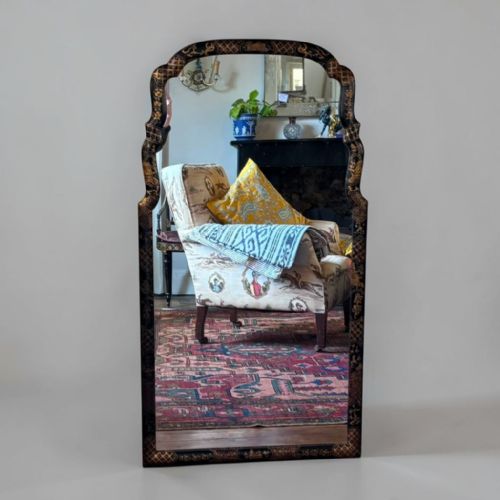
When acquiring antique japanese lacquer, you are selecting centuries-old craftsmanship expressed through refined wooden forms, intricate decorative panels, and traditional finishes.
Antique Japanese Lacquer
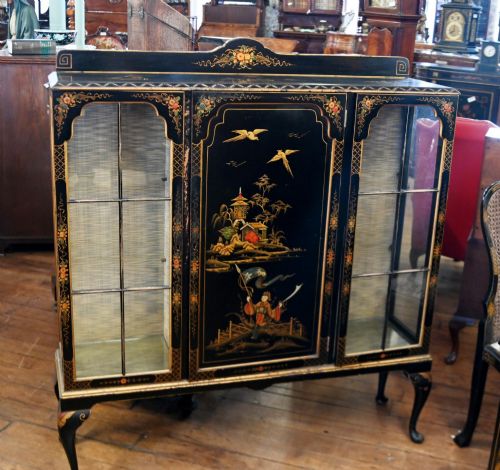
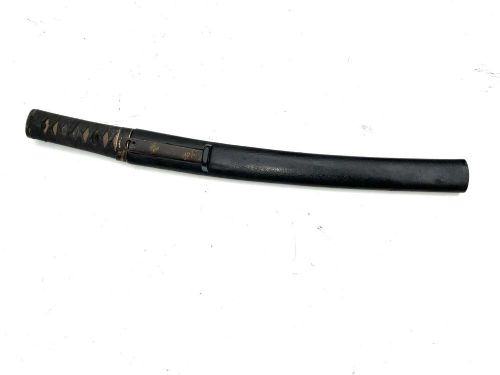
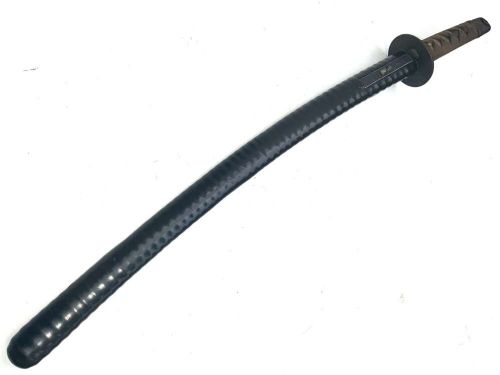
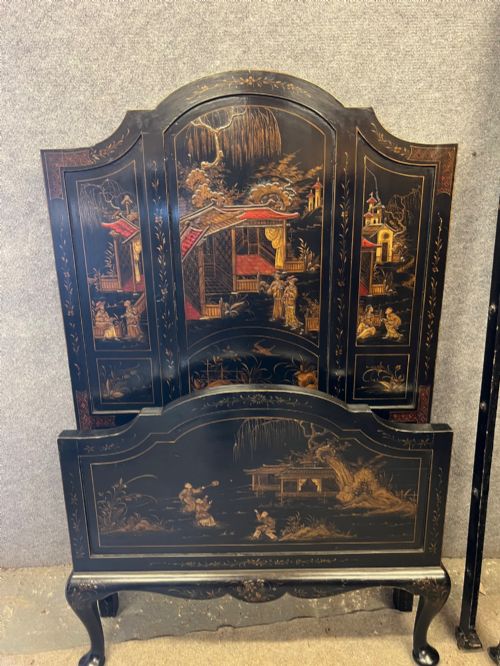
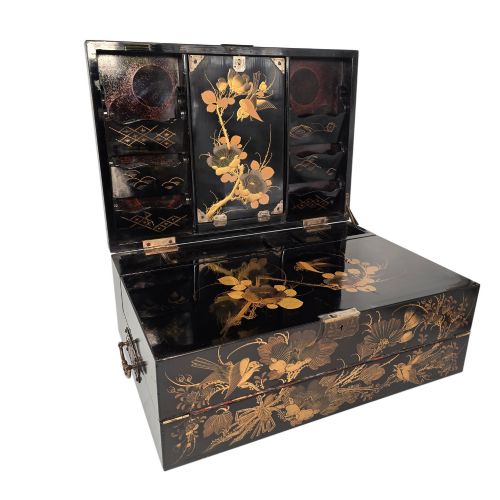
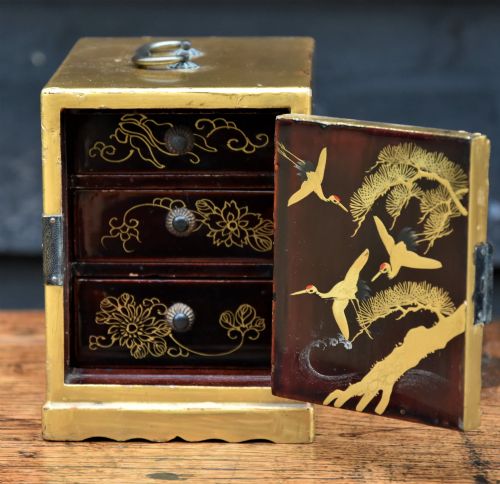
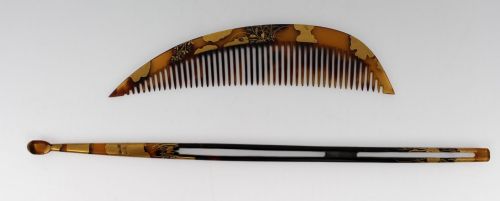
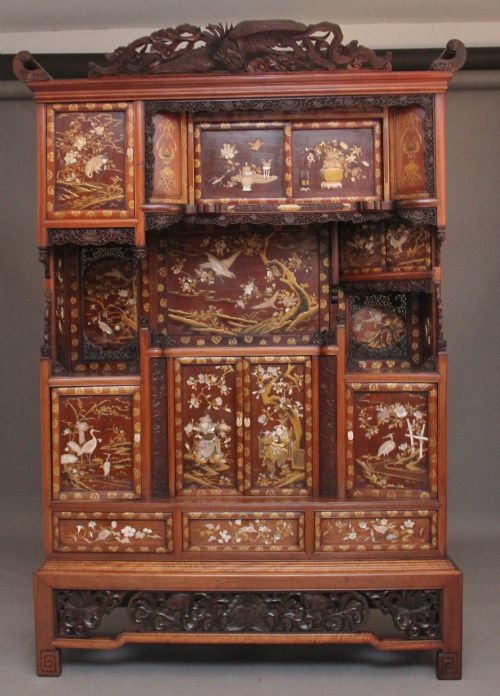
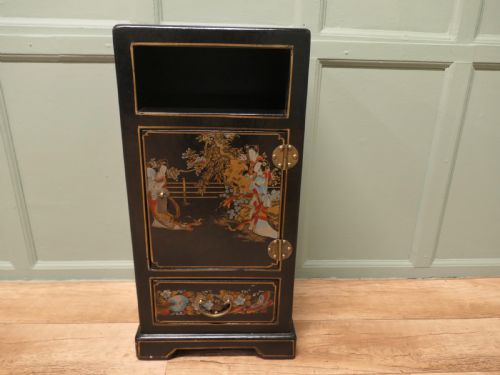
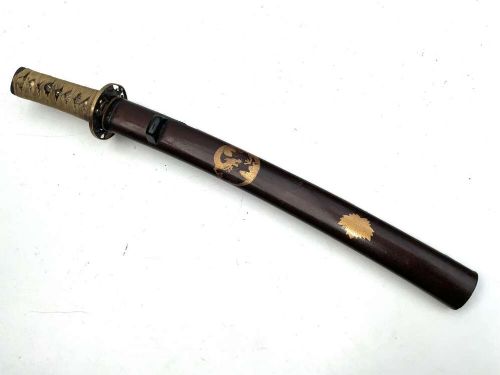
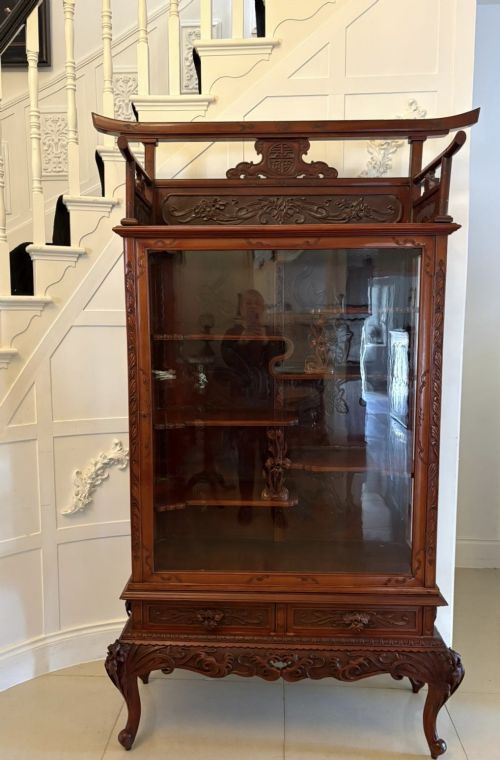
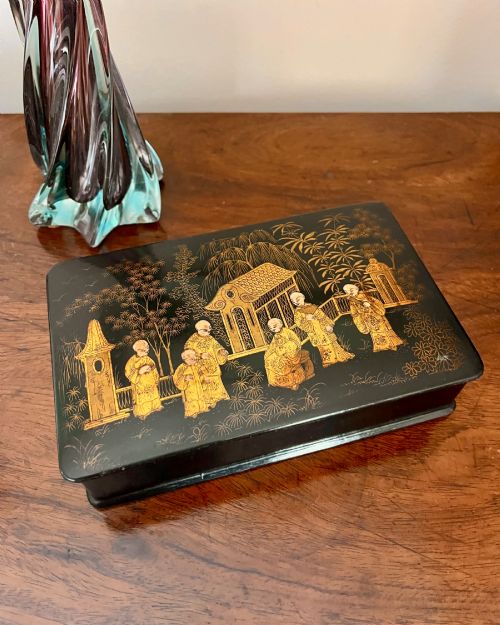
Antique japanese lacquer encompasses a diverse array of items found on this page, ranging from utilitarian boxes and sake sets to large display cabinets, folding screens, and samurai sword mountings. Buyers seek these items for their rich cultural history and the remarkable artistry embedded in each object.
The selections span multiple eras, with significant representation from the Meiji and Edo periods alongside later 19th- and early 20th-century interpretations. Cabinets, tables, and writing boxes dominate the domestic forms, while smaller accessories like inro and sake cups provide intimate examples of the craft.
Regional and stylistic crossovers, including Chinoiserie and Aesthetic Movement adaptations, also appear within the collection. Each piece reflects the functional requirements of its original Japanese or European domestic context, adapted for display or storage.
How they were made
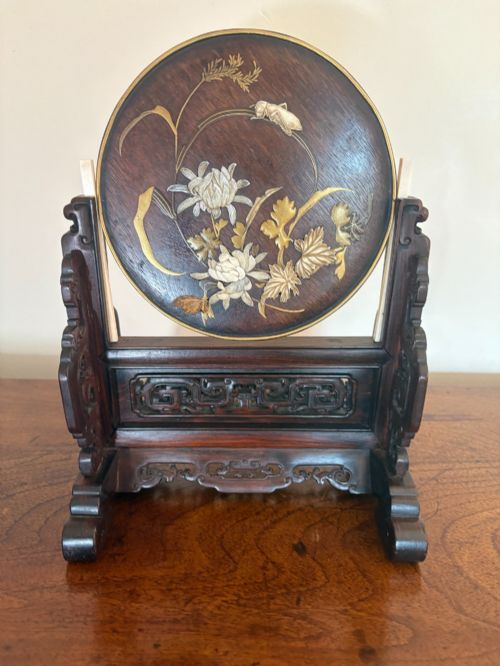
Makers built these pieces primarily using hardwood, pine, or bamboo as a structural core, applying multiple coats of natural lacquer to create a durable, glossy surface. Artisans frequently integrated gold leaf, brass, steel, and carved bone to add contrasting textures and pictorial depth.
Surface decoration involved specialised techniques such as hand painting, low and deep carving, and marquetry inlay. Artisans rendered natural scenes, figures, and geometric patterns directly into the lacquer medium or onto applied panels.
Antique Japanese Lacquer Retail Price Guide 2026
Typical asking prices for japanese lacquer among the pieces listed under this phrase on Sellingantiques today, from the lower quarter to the upper quarter. They describe what is for sale here now, not the wider market.
A fierce lion dog processional mask waits quietly among the cabinets, ready to guard your hallway.
What varies in quality
Quality rests in the precision of the joinery and the depth of the lacquer finish. Superior examples exhibit smooth, uniform surfaces without crazing, alongside finely detailed hand painting or deep carving.
The complexity of the decorative program separates standard production items from masterworks. Pieces featuring intricate Shibayama inlay, nuanced gold leaf application, or coordinated sets command greater attention from collectors.
Haruyama Shunzan·Maples and Co
The Antique Japanese Lacquer Glossary
- Inro
- A traditional Japanese small container for carrying tiered small objects, suspended from a sash. These cases often feature elaborate lacquer decoration and are secured with an ojime bead.
- Shodana
- A type of Japanese tabletop display cabinet featuring asymmetrical shelving and decorative lacquer panels. They were utilised for exhibiting precious objects within traditional interiors.
- Edo Period
- The historical epoch in Japan lasting from 1603 until 1868, characterised by economic growth and strict social order. Pieces from this era often display exceptional technical refinement.
- Meiji Period
- The era spanning from 1868 to 1912, marked by the modernisation of Japan and increased export of decorative arts to the West. Lacquerwork from this time frequently combines traditional motifs with ambitious scale.
- Chinoiserie
- A European artistic style reflecting Chinese and Japanese aesthetic influences, popular during various periods of revival. This style appears on cabinets, screens, and tables manufactured outside East Asia.
Antique Japanese Lacquer: Frequently Asked Questions
What is Japanese lacquer?
Japanese lacquer is a durable, glossy natural finish derived from the sap of the lacquer tree, applied to wooden objects to protect and decorate them.
Craftsmen built up numerous layers over a structural core, often incorporating gold leaf, metal, and carved bone to create detailed pictorial designs.
How were lacquer cabinets used?
These cabinets served as functional storage and display furniture for precious items, documents, and writing materials within traditional interiors.
Larger versions stood on dedicated bases or tables, while smaller kodansu boxes sat upon desks for personal keepsakes.
How do I care for antique lacquer?
Protect antique lacquer by keeping pieces away from direct sunlight, extreme temperature fluctuations, and excessive moisture.
Dust gently with a soft, dry cloth and avoid chemical polishes or modern cleaning agents that can damage the delicate surface.
How do I identify Meiji period pieces?
Meiji period items often date from 1868 to 1912 and frequently display ambitious decorative schemes intended for export or domestic display.
Look for dynamic natural motifs, intricate metal or bone inlay, and refined gold painting on black or red lacquer grounds.